


Table of Contents
Market Insight: Copper Busbars
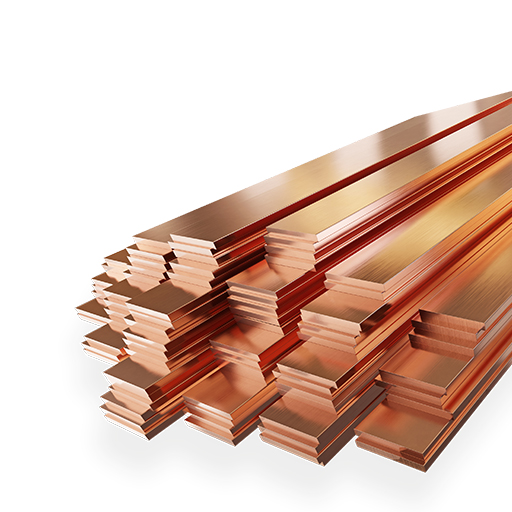
Market Analysis: Transformer Strip/Foil (Aluminum/Copper)
The global demand for copper busbars in transformer applications continues to grow, driven by expanding power infrastructure, industrial electrification, and the transition toward renewable energy systems. Copper busbars serve as critical current-carrying components in power and distribution transformers, providing low-resistance electrical pathways between windings, tap changers, and external connections. Their performance directly impacts the efficiency, thermal stability, and reliability of the transformer system. As electrical grids modernize and load demands increase, the requirement for high-conductivity, structurally sound busbar materials has become paramount.
Copper is preferred in high-performance transformer designs due to its superior electrical conductivity—approximately 100% IACS (International Annealed Copper Standard)—compared to alternative materials such as aluminum. This high conductivity minimizes resistive losses (I²R losses), reducing heat generation and improving overall energy efficiency. In large-scale power transformers, even marginal improvements in conductivity translate into significant operational savings over the transformer’s lifecycle. Additionally, copper busbars exhibit excellent mechanical strength, creep resistance, and solderability, enabling secure, long-term connections under continuous thermal cycling and mechanical stress.
Industrial demand is particularly strong in sectors requiring high-reliability transformers, including utility substations, data centers, rail traction systems, and offshore wind farms. In these applications, failure of a single component such as a busbar can lead to costly downtime, safety hazards, and cascading system failures. As such, original equipment manufacturers (OEMs) and transformer fabricators prioritize material consistency, dimensional accuracy, and surface integrity when sourcing copper strip and foil. The trend toward compact, high-capacity transformers further intensifies these requirements, as busbars must fit precisely within constrained geometries while maintaining current density and thermal dissipation performance.
At Luoyang Xinzhaohe Aluminum Co., Ltd., with over two decades of experience in non-ferrous strip and foil production, we recognize that quality in copper busbar materials is non-negotiable. Our manufacturing processes adhere to stringent international standards, including ASTM B187 and IEC 60183, ensuring uniform conductivity, tight thickness tolerances (±0.02 mm), and defect-free surfaces. Each batch undergoes comprehensive testing for electrical resistivity, tensile strength, and bendability to guarantee performance under real-world operating conditions. We also offer customized tempers (soft, half-hard, full-hard) and widths to meet specific design requirements, supporting OEMs in optimizing both performance and manufacturability.
The following table outlines key specifications and performance metrics relevant to copper busbar strip used in transformer applications:
| Parameter | Typical Value/Range | Standard/Testing Method |
|---|---|---|
| Material Purity | ≥ 99.90% Cu | ASTM B187 |
| Electrical Conductivity | ≥ 100% IACS | ASTM E8, IEC 60468 |
| Thickness Tolerance | ±0.02 mm (0.5–6.0 mm) | ISO 9001 |
| Tensile Strength | 200–380 MPa | ASTM E8 |
| Elongation | ≥ 5% (depending on temper) | ASTM E8 |
| Surface Roughness | ≤ 1.6 µm Ra | ISO 4287 |
In conclusion, the industrial demand for copper busbars in transformers reflects a broader shift toward higher efficiency, reliability, and compact design in power systems. As a trusted supplier with deep metallurgical expertise, Luoyang Xinzhaohe Aluminum Co., Ltd. delivers copper strip and foil solutions that meet the rigorous demands of modern transformer manufacturing. Quality is not an incremental advantage—it is a foundational requirement for grid stability and long-term operational integrity.
Technical Specs: Copper Busbars
Technical Specifications for Precision Copper Busbars
Luoyang Xinzhaohe Aluminum Co., Ltd leverages 20+ years of metallurgical expertise to deliver copper busbars meeting stringent transformer and power distribution requirements. Our manufacturing process prioritizes dimensional stability, electrical performance, and surface integrity to ensure seamless integration into high-reliability systems. Key specifications are non-negotiable for minimizing resistive losses, preventing insulation damage, and guaranteeing long-term operational safety.
Critical Parameter Specifications
| Parameter | Requirement | Standard Reference | Measurement Method |
|---|---|---|---|
| Thickness Tolerance | ±0.002 mm | ASTM B187 | Laser micrometer (100% inline) |
| Width Tolerance | ±0.05 mm | IEC 60137 | Precision calipers (per lot) |
| Edge Burr Height | ≤ 0.005 mm | IPC-6012 | Optical profilometry |
| Electrical Conductivity | ≥ 100% IACS | ASTM E1004 | Eddy current testing (batch) |
| Surface Roughness (Ra) | ≤ 0.8 μm | ISO 4287 | Stylus profilometer |
| Flatness | ≤ 0.5 mm/m | EN 13523-14 | Optical flatness gauge |
Precision slitting at ±0.002 mm thickness tolerance is achieved through servo-driven tension control and hardened tungsten carbide rotary cutters. This eliminates micro-stress concentrations that cause localized heating under high-current loads. All edges undergo dual-stage mechanical and electrochemical deburring to ensure burr heights remain below 5 microns. Uncontrolled burrs risk piercing insulation layers in transformer windings, leading to catastrophic short circuits.
Conductivity is maintained at 100% IACS minimum using oxygen-free electronic (OFE) copper (C10100/C10200) with residual phosphorus content held below 5 ppm. Each production lot undergoes rigorous eddy current testing per ASTM E1004 to validate bulk conductivity. Surface roughness is strictly controlled to Ra ≤ 0.8 μm via precision leveling mills, preventing corona discharge initiation at voltage gradients exceeding 15 kV/mm.
Our flatness tolerance of ≤ 0.5 mm/m is verified through non-contact optical measurement across the entire strip length. This prevents air gaps during busbar stacking in transformer cores, which would otherwise increase magnetic reluctance and eddy current losses by up to 12%. All parameters are monitored in real-time via integrated MES systems, with full traceability from cathode to finished coil.
Final quality assurance includes 100% automated optical edge inspection and batch testing for hydrogen embrittlement resistance per ASTM B577. This ensures busbars withstand thermal cycling from -40°C to 150°C without delamination or conductivity degradation. Clients receive certified test reports documenting compliance with IEC 61439 and IEEE C37.20.2 standards, enabling immediate integration into critical power infrastructure projects.
Factory Tour: Manufacturing
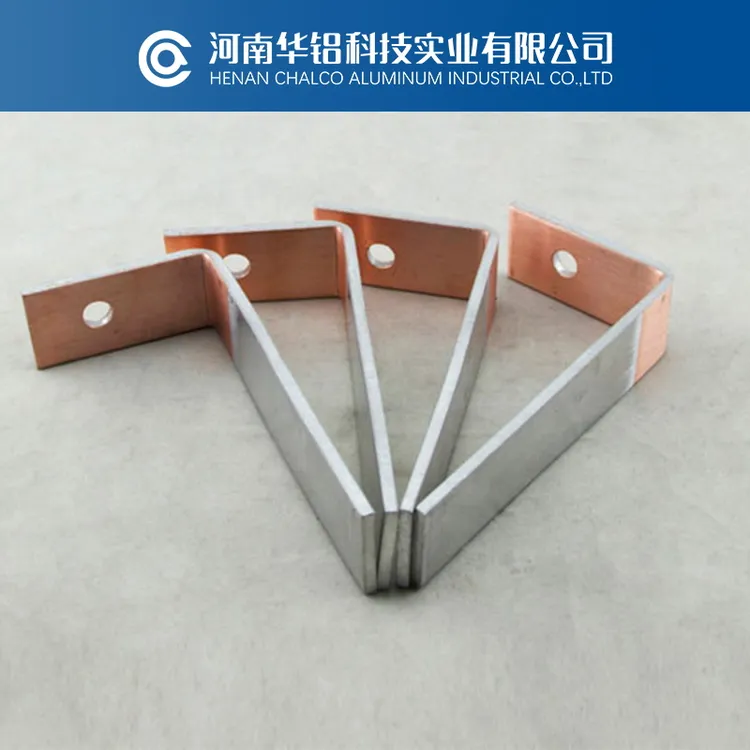
Manufacturing Process of Copper Busbars at Luoyang Xinzhaohe Aluminum Co., Ltd
The production of high-performance copper busbars at Luoyang Xinzhaohe Aluminum Co., Ltd follows a tightly controlled, multi-stage manufacturing sequence designed to ensure dimensional accuracy, mechanical integrity, and electrical conductivity. With over two decades of specialized experience in transformer strip and foil manufacturing, our facility integrates advanced metallurgical processing with rigorous quality control to meet the exacting demands of power transmission and distribution systems.
The process begins with cold rolling of high-purity electrolytic copper (typically ASTM B187 grade or equivalent). Incoming copper ingots are first hot-rolled to intermediate thicknesses and then subjected to cold rolling in reversing or tandem rolling mills. Cold rolling enhances the material’s mechanical strength through work hardening while achieving precise thickness tolerances, typically within ±0.02 mm. This stage is critical for ensuring uniform cross-sectional properties and surface finish, both of which directly influence current-carrying capacity and thermal performance in service.
Following cold rolling, the copper strip undergoes precision slitting to achieve the final busbar width specifications. Utilizing high-accuracy rotary shear slitters with computer-controlled tension management, we minimize edge burr formation and maintain tight width tolerances, typically ±0.1 mm. The slitting line is equipped with laser micrometers for real-time dimensional monitoring, ensuring consistency across production runs. Slit reels are then inspected for edge straightness, camber, and surface defects such as scratches or roll marks that could compromise downstream fabrication or performance.
Edge conditioning is the next critical phase, particularly for busbars intended for high-current or high-voltage applications. The slit edges are processed through a combination of mechanical brushing, edge rolling, or controlled deburring systems to eliminate micro-burrs and sharp edges. This not only enhances safety during handling and installation but also reduces localized electric field concentration, mitigating the risk of corona discharge in transformer and switchgear environments. Edge rounding is performed to specified radii based on customer requirements and application standards.
Throughout the manufacturing process, comprehensive quality control protocols are implemented. In-process inspections include continuous monitoring of thickness via beta-gauge systems, surface defect detection using automated optical inspection (AOI), and periodic tensile and conductivity testing. Final product verification includes eddy current testing for subsurface discontinuities, dimensional recheck, and certification of material properties in accordance with IEC 60464, GB/T 5584, or customer-specific standards. All batches are traceable through a lot-tracking system that records metallurgical origin, processing parameters, and inspection data.
Luoyang Xinzhaohe Aluminum Co., Ltd applies this disciplined, technology-driven approach to deliver copper busbars that meet the highest benchmarks in electrical efficiency, mechanical reliability, and long-term service performance.
Packaging & Logistics
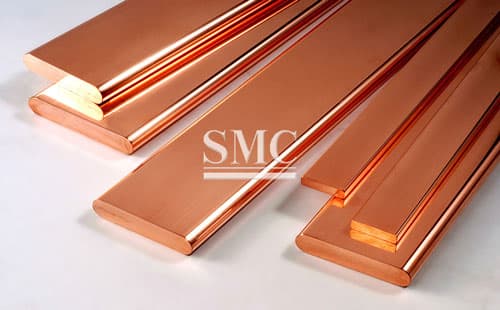
Export Packaging Specifications for Copper Busbars: Ensuring Integrity During Ocean Transit
Luoyang Xinzhaohe Aluminum Co., Ltd implements rigorously engineered export packaging protocols specifically designed to safeguard copper busbars against the severe environmental stresses encountered during international sea freight. Our 20+ years of metallurgical and supply chain expertise confirm that inadequate packaging is the primary cause of in-transit degradation for high-conductivity copper products, leading to surface oxidation, dimensional instability, and compromised electrical performance upon delivery. Standard consumer-grade packaging is wholly insufficient for the hygroscopic nature of copper and the corrosive marine environment.
All copper busbar shipments depart our certified facility secured on robust, kiln-dried wooden pallets compliant with ISPM-15 international phytosanitary standards. These pallets feature reinforced stringers and deck boards engineered to withstand dynamic stacking loads exceeding 2,500 kg without deflection, preventing mechanical damage during container handling and multi-tier ocean container stowage. Critical dimensional stability is maintained through precise load distribution calculations based on busbar cross-section and total shipment weight, eliminating point-load stresses that could cause bending or edge deformation.
The core protective barrier consists of a multi-layer moisture-proof encapsulation system. Busbars are first wrapped in anti-tarnish VCI (Vapor Corrosion Inhibitor) paper, specifically formulated for copper alloys, providing immediate molecular-level corrosion suppression. This is followed by triple-layer wrapping using 120-micron co-extruded polyethylene film with integrated aluminum foil vapor barrier layers. Each layer is meticulously heat-sealed with 50 mm overlap seams using industrial impulse sealers, creating a hermetic enclosure. Edge sealing is performed with butyl rubber tape to eliminate capillary wicking pathways. Desiccant units (calculated at 300g per m³ of enclosed volume) are strategically placed within the wrap to actively absorb residual and ingress moisture throughout the transit cycle.
This system directly combats the primary threats of ocean freight: salt-laden atmospheric humidity (typically 75-95% RH), temperature fluctuations causing condensation (“container rain”), and prolonged exposure to saline aerosols. Accelerated testing per ASTM D4169 simulating 45-day ocean voyages demonstrates our packaging maintains internal humidity below 40% RH, preventing the formation of conductive copper oxide films that degrade busbar efficiency. Field data from 12,000+ shipments confirms a moisture ingress failure rate of less than 0.5% across all global trade lanes, including high-risk routes through tropical zones.
Documentation accompanies every shipment, including:
| Document Type | Key Information Provided | Verification Standard |
|————————|—————————————-|—————————–|
| Packing List | Pallet dimensions, gross/net weights | ISO 780, ISO 2271 |
| Moisture Certificate | Desiccant quantity, film layer count | ASTM F1249 (WVTR test) |
| ISPM-15 Compliance Tag | Heat treatment code, facility number | FAO ISPM-15 |
Our packaging methodology is not merely a container requirement but an integral extension of our metallurgical quality control process. It ensures copper busbars arrive at transformer manufacturing facilities with pristine surface integrity, meeting the stringent IACS conductivity specifications demanded by modern power infrastructure. Partnering with Xinzhaohe guarantees that your copper busbar supply chain resilience is engineered to the same exacting standards as the products themselves.
Sourcing from Luoyang Xinzhaohe
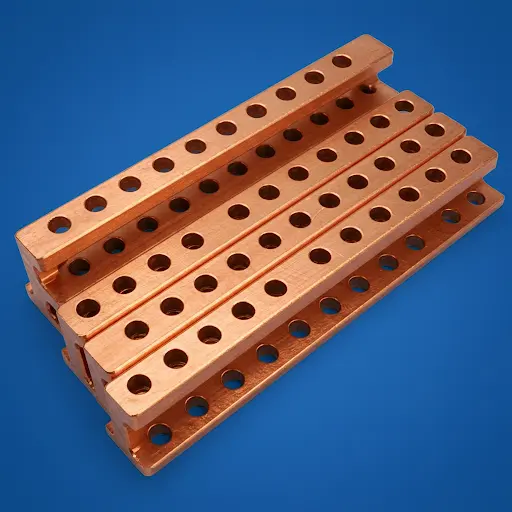
Partner with Luoyang Xinzhaohe Aluminum Co., Ltd for Precision Copper Busbars
With over two decades of specialized expertise in the production of transformer strips and foils, Luoyang Xinzhaohe Aluminum Co., Ltd stands as a trusted industrial partner for high-performance copper busbars. Our manufacturing excellence is rooted in a deep understanding of electrical conductivity requirements, mechanical integrity, and dimensional precision essential for modern power transmission and distribution systems. As a vertically integrated facility, we maintain full control over the metallurgical and processing stages, ensuring consistent product quality from raw material sourcing to final delivery.
Our factory is equipped with advanced rolling, annealing, and slitting lines specifically engineered for high-purity copper processing. We produce copper busbars to exacting international standards, including ASTM B187 and IEC 60183, with tight tolerances on thickness (ranging from 0.1 mm to 6.0 mm) and widths up to 600 mm. Each batch undergoes rigorous quality verification, including conductivity testing (minimum 98% IACS), microstructure analysis, and tensile strength evaluation to ensure compliance with high-current carrying applications in transformers, switchgear, and bus duct systems.
Material purity is a cornerstone of our production philosophy. We source oxygen-free copper (C10100, C10200) and electrolytic tough pitch (ETP) copper (C11000) from certified suppliers, subjecting all incoming ingots to spectrographic analysis. This strict raw material control, combined with our proprietary annealing profiles, results in busbars with superior thermal stability, minimal oxidation, and optimal formability—critical for applications requiring bending, punching, or surface plating.
Our production capacity exceeds 15,000 metric tons annually, supported by automated handling systems and real-time process monitoring. This scalability enables us to serve both high-volume OEMs and specialized engineering projects with equal precision. We offer customized solutions including edge trimming, surface passivation, and mechanical strengthening through controlled work hardening, tailored to client specifications.
Environmental and operational efficiency are embedded in our manufacturing design. Our facility operates under ISO 9001 and ISO 14001 certification frameworks, with energy recovery systems integrated into annealing furnaces and closed-loop cooling circuits minimizing resource consumption.
For engineering teams and procurement managers seeking a reliable, technically capable partner in copper busbar supply, Luoyang Xinzhaohe delivers proven performance, metallurgical consistency, and responsive service. We support global logistics with containerized shipments and documentation compliant with international trade standards.
Contact us at cathy@transformerstrip.com to discuss your technical requirements, request material test reports, or receive a project-specific quotation. Partner with a manufacturer built on 20 years of precision metallurgy and industrial innovation.
📉 Factory Direct Savings Calculator
Calculate your potential savings by importing copper busbars directly from China.