


Table of Contents
Market Insight: Chrome Silicon Steel
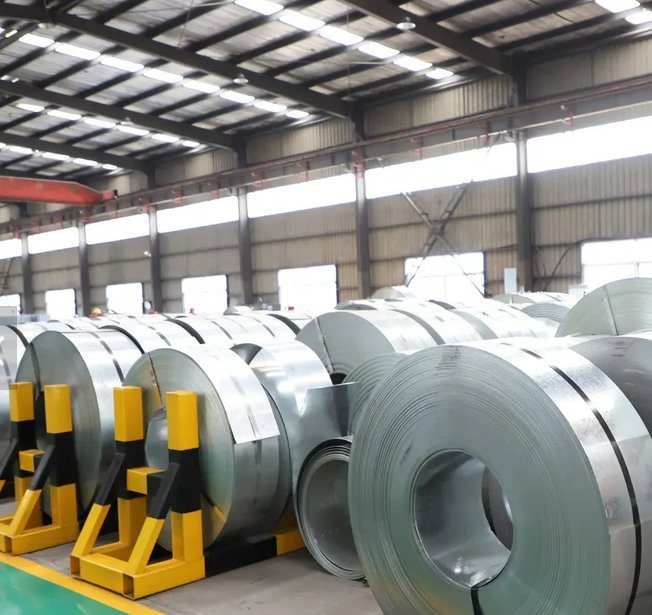
Market Analysis: Silicon Steel Demand in Transformer Applications
The global transformer industry represents the dominant consumer segment for electrical steel, specifically driving demand for specialized grades including chromium-modified silicon steel. Stringent international energy efficiency regulations (IEC 60076-20, DOE 2016, EU Ecodesign) mandate reduced no-load losses in distribution and power transformers, directly increasing demand for high-performance electrical steel. While standard non-oriented (NO) and grain-oriented (GO) silicon steel form the core material base, chromium additions (typically 0.5-3.0 wt%) are increasingly specified for transformers operating in corrosive environments – coastal installations, chemical processing plants, and regions with high atmospheric salinity or industrial pollutants. This niche but critical segment requires the inherent corrosion resistance chromium imparts without significantly degrading the magnetic properties essential for efficient energy conversion.
Chromium modification addresses a specific failure mode: accelerated core degradation due to environmental exposure. Standard silicon steel relies on its silicon content for electrical resistivity and reduced eddy current losses, but offers limited corrosion protection. Chromium forms a passive oxide layer, enhancing durability and maintaining dimensional stability of laminations over decades-long operational lifespans. Crucially, the chromium content must be precisely controlled during steelmaking and processing. Excessive chromium increases core loss (W/kg) and reduces magnetic induction (B800), directly counteracting efficiency goals. Insufficient chromium fails to provide adequate protection, risking lamination interlamination insulation breakdown, increased eddy currents, localized heating, and ultimately catastrophic transformer failure. The market thus demands chromium silicon steel produced under rigorous metallurgical control to balance corrosion resistance with optimal magnetic performance.
Quality consistency is non-negotiable in this application. Variability in core loss, permeability, or lamination insulation integrity translates directly to unpredictable transformer efficiency, overheating risks, and shortened service life. Substandard material forces transformer manufacturers into costly over-design or faces warranty liabilities from premature field failures. For end-users, inefficient transformers incur significant operational cost penalties; a 0.1 W/kg increase in core loss across a large distribution transformer fleet can equate to millions in wasted electricity annually. Luoyang Xinzhaohe Aluminum Co., Ltd leverages two decades of precision steel processing expertise to deliver chromium silicon steel meeting the tightest tolerances required by Tier-1 transformer OEMs. Our focus on homogeneous chemical composition, controlled grain structure, and defect-free surface treatment ensures the material performs reliably under specified electrical and environmental stresses, safeguarding the transformer’s efficiency, longevity, and total cost of ownership.
Critical Chromium Silicon Steel Specifications for Transformer Cores
| Parameter | Typical Range for Cr-Modified Grade | Measurement Standard | Critical Impact |
|---|---|---|---|
| Core Loss (P1.5/50) | 1.10 – 1.40 W/kg | IEC 60404-2 | Directly determines no-load energy consumption |
| Magnetic Induction (B800) | 1.78 – 1.82 T | IEC 60404-2 | Affects core size, material cost, excitation loss |
| Chromium Content | 0.8 – 2.5 wt% | ASTM E1086 | Corrosion resistance vs. magnetic property trade-off |
| Thickness Tolerance | ±0.004 mm | IEC 60404-9 | Lamination stacking factor, core loss consistency |
| Interlamination Resistance | > 3.0 Ω·cm² | Internal Specification | Prevents eddy current escalation between sheets |
Technical Specs: Chrome Silicon Steel
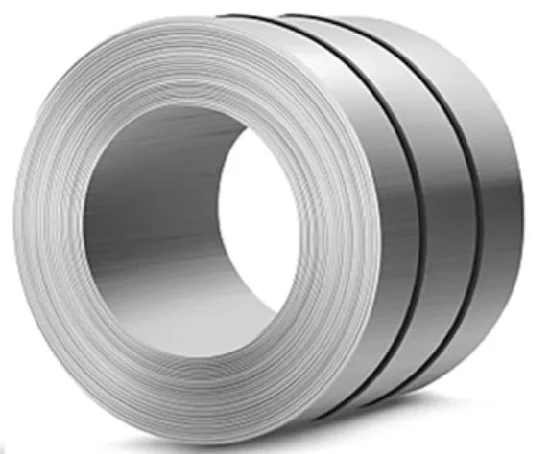
Technical Specifications for Chrome Silicon Steel
Chrome silicon steel, a specialized grade within the family of non-oriented electrical steels, is engineered to deliver superior electromagnetic performance under high-frequency and elevated-temperature operating conditions. At Luoyang Xinzhaohe Aluminum Co., Ltd, with over two decades of metallurgical expertise, we produce and supply chrome silicon steel tailored for demanding applications in high-efficiency motors, precision transformers, and advanced power electronics. The inclusion of chromium in the alloy matrix enhances oxidation resistance and thermal stability, making this material particularly suitable for environments where thermal cycling and long-term reliability are critical.
A defining performance metric for chrome silicon steel is core loss, also known as iron loss, which quantifies the energy dissipated as heat during magnetic cycling. Core loss is typically measured under standardized conditions of magnetic polarization (e.g., 1.0 T or 1.5 T) and frequency (e.g., 50 Hz or 400 Hz). Lower core loss values directly correlate with higher energy efficiency. Our chrome silicon steel grades achieve core loss values as low as 2.80 W/kg at 1.5 T and 50 Hz, depending on thickness and processing parameters. These values are achieved through optimized grain structure, tight chemical composition control, and advanced decarburization annealing techniques.
Magnetic flux density (B) is another critical parameter, indicating the material’s ability to support magnetic field generation. High flux density enables compact and lightweight electromagnetic designs. Our chrome silicon steel exhibits magnetic flux density values ranging from 1.80 T to 2.05 T at a magnetic field strength of 5000 A/m. This performance is attributable to precise silicon content (typically 2.8–3.5 wt%) and minimized impurity levels, which reduce magnetic anisotropy and domain wall pinning.
Flatness is a dimensional quality imperative for consistent stacking and core assembly. Poor flatness leads to air gaps, localized flux concentration, and increased eddy current losses. Our production process incorporates tension leveling and precision rolling to ensure flatness deviation remains within ±5 mm over a 2-meter length. Edge wave and center buckle are controlled to less than 0.5% of strip width, ensuring compatibility with high-speed progressive stamping lines.
The following table outlines key technical parameters for our standard chrome silicon steel product line:
| Parameter | Test Condition | Typical Value Range | Standard Compliance |
|---|---|---|---|
| Core Loss (P1.5/50) | 1.5 T, 50 Hz | 2.80 – 4.20 W/kg | IEC 60404-3, GB/T 13789 |
| Core Loss (P1.0/400) | 1.0 T, 400 Hz | 12.5 – 16.0 W/kg | IEC 60404-3 |
| Magnetic Flux Density (B5000) | 5000 A/m | 1.80 – 2.05 T | ASTM A804/A804M |
| Thickness Tolerance | 0.30 – 0.65 mm | ±0.01 mm | GB/T 2521 |
| Silicon Content | — | 2.8 – 3.5 wt% | Internal Specification |
| Chromium Content | — | 0.5 – 1.2 wt% | Internal Specification |
| Flatness Deviation | Over 2 m length | ≤ ±5 mm | Internal QC Standard |
| Surface Insulation Resistance | Post-insulated | ≥ 10 Ω·cm² | Custom Coating Options |
All material is subject to rigorous in-line and final quality inspection, including Epstein frame testing, B-H loop analysis, and surface profilometry. Custom thicknesses, coatings, and magnetic orientations are available upon request to meet application-specific design requirements.
Factory Tour: Manufacturing
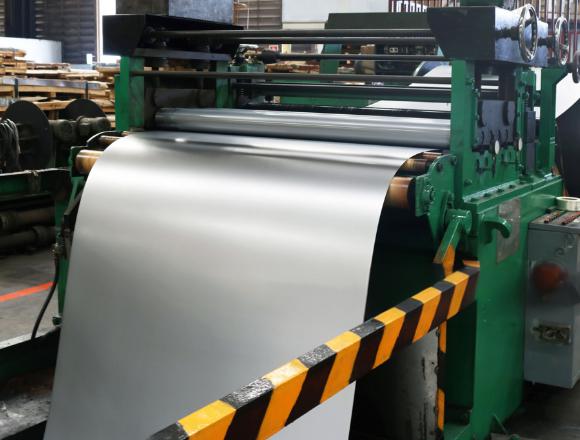
Manufacturing Process for Chrome Silicon Steel
Luoyang Xinzhaohe Aluminum Co., Ltd leverages 20+ years of metallurgical expertise to deliver high-performance chrome silicon steel (electrical steel) through a rigorously controlled production sequence. This process ensures optimal magnetic properties, dimensional accuracy, and surface integrity for demanding electrical applications.
Slitting initiates production, where master coils undergo precision width reduction to customer-specified dimensions. Our automated slitting lines maintain strict tension control to prevent edge burrs, camber, or width deviations exceeding ±0.1 mm. Real-time laser monitoring verifies edge quality, with rejected material automatically quarantined. This stage is critical for minimizing lamination losses in final motor or transformer cores.
Subsequent annealing relieves internal stresses induced during cold rolling and slitting while optimizing grain structure. Coils pass through continuous furnaces under precisely regulated hydrogen-nitrogen atmospheres at 750–850°C. Temperature uniformity is maintained within ±5°C across the coil width, with dwell times calibrated to achieve target core loss values (W15/50 ≤ 2.50 W/kg). Post-annealing, rapid cooling under inert gas prevents surface oxidation and ensures consistent magnetic domain alignment.
Insulation coating follows annealing to electrically isolate laminations and reduce eddy current losses. We apply chromium-based or non-chromate organic-inorganic hybrid coatings via roll-coating systems, achieving uniform film weights of 0.8–1.5 g/m² per side. Coating thickness is verified inline using beta-backscatter gauges, with adhesion tested per ASTM D3359. The coating must withstand 10% elongation without cracking during stamping while maintaining dielectric strength >500 V.
Precision cutting transforms slit coils into laminations using high-speed progressive dies or laser systems. Tolerances adhere to IEC 60404-9 Class A standards: outer dimensions within ±0.05 mm, hole positions within ±0.03 mm, and burr height <5% of material thickness. Automated vision systems inspect every lamination for dimensional compliance, surface defects, and coating integrity. Stacked lamination factors are validated to ≥96% to ensure core density targets.
Quality control is embedded at every phase. Slit coil edges undergo 100% optical inspection for micro-cracks. Annealed coils are sampled hourly for Epstein frame testing of core loss and permeability. Coating weight and adhesion are checked per ASTM A976 at 30-minute intervals. Final laminations undergo destructive testing for magnetic properties and non-destructive eddy current scanning for subsurface flaws. All data is traceable to coil heat numbers via our integrated MES, ensuring full compliance with IEC 60404-1 and customer-specific specifications. This end-to-end validation guarantees material performance in high-efficiency electrical equipment.
Packaging & Logistics
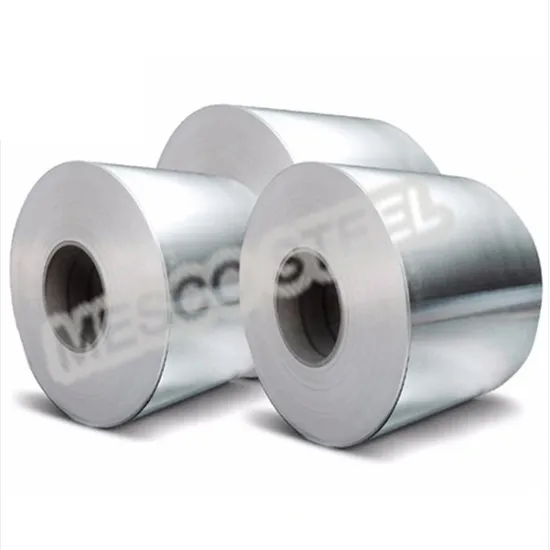
Export Packaging for Silicon Steel: Ensuring Integrity During Sea Freight
At Luoyang Xinzhaohe Aluminum Co., Ltd, with over two decades of specialized experience in the production and international distribution of high-grade silicon steel, we implement a rigorously engineered export packaging system designed to maintain material integrity throughout extended maritime logistics cycles. Given the hygroscopic sensitivity and surface criticality of electrical steel, our packaging protocol prioritizes moisture resistance, mechanical stability, and compliance with global shipping standards.
All silicon steel coils and sheets are unitized on custom-fabricated wooden pallets constructed from kiln-dried, ISPM-15 certified hardwood. These pallets are engineered to support the high unit loads typical of dense ferrous products while maintaining dimensional stability under dynamic stress conditions encountered during containerized transport. Each pallet is treated to resist fungal degradation and insect infestation, ensuring compliance with phytosanitary regulations across major import markets including the United States, European Union, and Southeast Asia.
The primary protective barrier consists of multiple layers of high-tensile, moisture-proof polyethylene film, applied via automated stretch wrapping systems. This multilayer encapsulation creates a hermetic seal around the steel load, preventing ingress of ambient humidity, salt aerosols, and condensate—common risks during prolonged ocean voyages. The film exhibits superior puncture resistance and UV stabilization, maintaining structural integrity even under tropical climatic exposure. For enhanced protection, desiccant packs are strategically placed within the sealed envelope to scavenge residual moisture and buffer against micro-climate fluctuations.
Edge protectors made from high-density corrugated fiberboard or steel-reinforced polymer are affixed to coil edges and sheet stacks to prevent mechanical damage during handling and transit. These protectors distribute point loads and mitigate edge chipping, preserving the surface quality essential for downstream lamination and electromagnetic performance.
All packaged units are labeled with durable, weather-resistant tags indicating product specifications, heat numbers, batch traceability codes, and handling instructions in accordance with ISO 9001 and IECQ standards. Hazard communication symbols, including “This Side Up” and “Protect from Moisture,” are prominently displayed to guide proper stowage.
Our packaging methodology has been validated through accelerated aging tests and real-world shipment monitoring across transoceanic routes, including the Pacific and Indian Ocean corridors. This data-driven approach ensures that silicon steel arrives at destination ports with zero degradation in magnetic properties, surface finish, or dimensional accuracy.
Luoyang Xinzhaohe Aluminum Co., Ltd adheres to a zero-compromise standard in export readiness. By integrating robust wooden palletization with advanced moisture barrier technology, we deliver silicon steel products in optimal condition, safeguarding both material performance and customer production schedules. This commitment underscores our position as a reliable, technically proficient supplier in the global electrical steel supply chain.
Sourcing from Luoyang Xinzhaohe
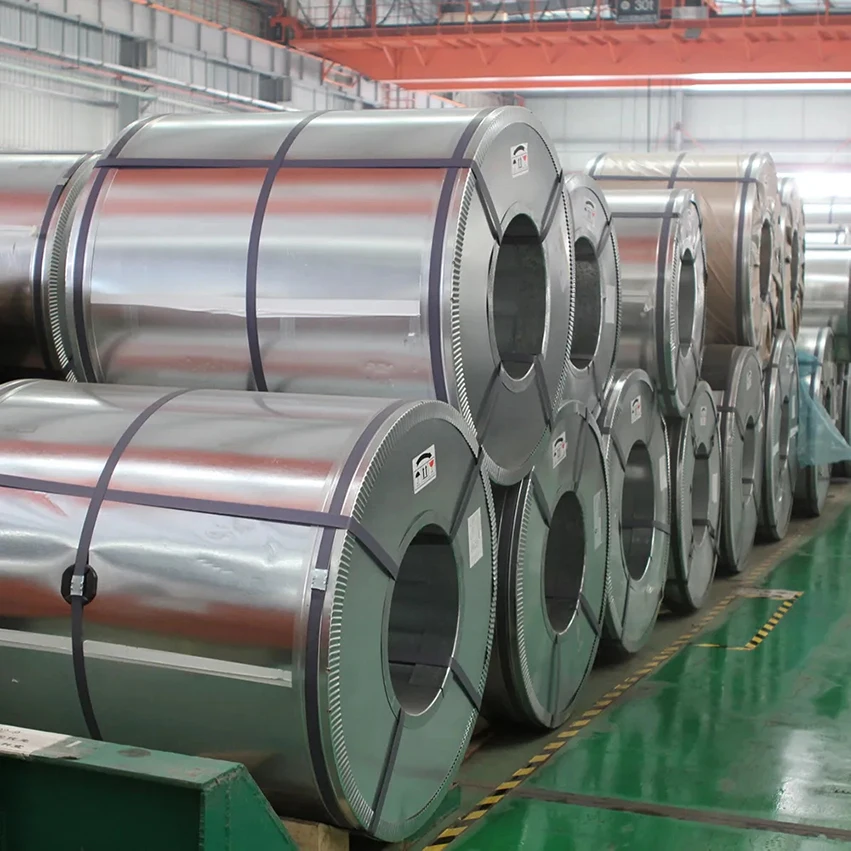
Partner with Luoyang Xinzhaohe for Precision Silicon Steel Solutions
Luoyang Xinzhaohe Aluminum Co., Ltd operates with two decades of specialized expertise in electrical steel production, despite the historical inclusion of “Aluminum” in our corporate name. Our core competency lies exclusively in high-performance silicon steel (electrical steel), serving global transformer, motor, and generator manufacturers. We clarify this distinction to underscore our singular focus on advancing silicon steel metallurgy and supply chain excellence for mission-critical electromagnetic applications.
Our integrated production facility leverages proprietary cold-rolling and annealing technologies to deliver non-oriented (NO) and grain-oriented (GO) silicon steel meeting IEC 60404-8, ASTM A664, and JIS C2550 standards. The 1850mm continuous annealing line ensures precise control over grain growth and magnetic domain refinement, achieving core loss (W15/50) as low as 0.65 W/kg for 0.23mm GO steel. All coils undergo rigorous在线 testing for magnetic induction (B800 ≥ 1.90 T), iron loss, and lamination factor, with traceable certification per batch. Our chromium-based insulation coating process—applied via precision roll coating—provides optimal interlaminar resistance (>70 Ω·cm²) while maintaining thermal stability up to 800°C, critical for high-efficiency transformer cores.
Quality assurance is embedded at every process stage through our ISO 9001-certified system. Raw material sourcing adheres to strict low-sulfur, low-carbon steel slab specifications, with real-time monitoring of silicon content (2.9–3.3% for GO grades) via optical emission spectroscopy. Finished coils are validated using Epstein frame testers and single-sheet testers per IEC 60404-2, with data logged in our digital quality management platform accessible to clients. This eliminates batch variability and ensures compliance with tight tolerances: thickness deviation ≤ ±0.003mm and camber < 1.5mm/m.
Supply chain resilience is engineered through strategic inventory buffers of key grades (M19, M22, M27, M36) and dual sourcing of high-purity ferrosilicon. Our 25,000-ton annual capacity supports JIT delivery within 15 days for standard orders, while dedicated logistics partnerships with COSCO and DB Schenker guarantee FCL/LCL shipments to all major industrial hubs. We maintain bonded warehouse operations in Shanghai and Rotterdam to mitigate customs delays, with full documentation (COA, MSDS, origin certificates) processed electronically.
For engineering teams requiring custom magnetic performance or coating specifications, our technical team provides material selection guidance, failure analysis, and prototype validation. We collaborate directly with R&D departments to optimize steel grade selection against core loss targets, flux density requirements, and manufacturing constraints.
Contact Cathy Zhang, Technical Sourcing Manager, to initiate a precision silicon steel qualification process. Email cathy@transformerstrip.com with your application parameters, volume requirements, and target specifications. We will provide a detailed technical proposal including sample coils, production scheduling, and cost analysis within 72 hours. Partner with Luoyang Xinzhaohe to convert metallurgical precision into competitive advantage for your electromagnetic systems.
📉 Factory Direct Savings Calculator
Calculate your potential savings by importing chrome silicon steel directly from China.