


Table of Contents
Market Insight: Aluminum Wound Transformers
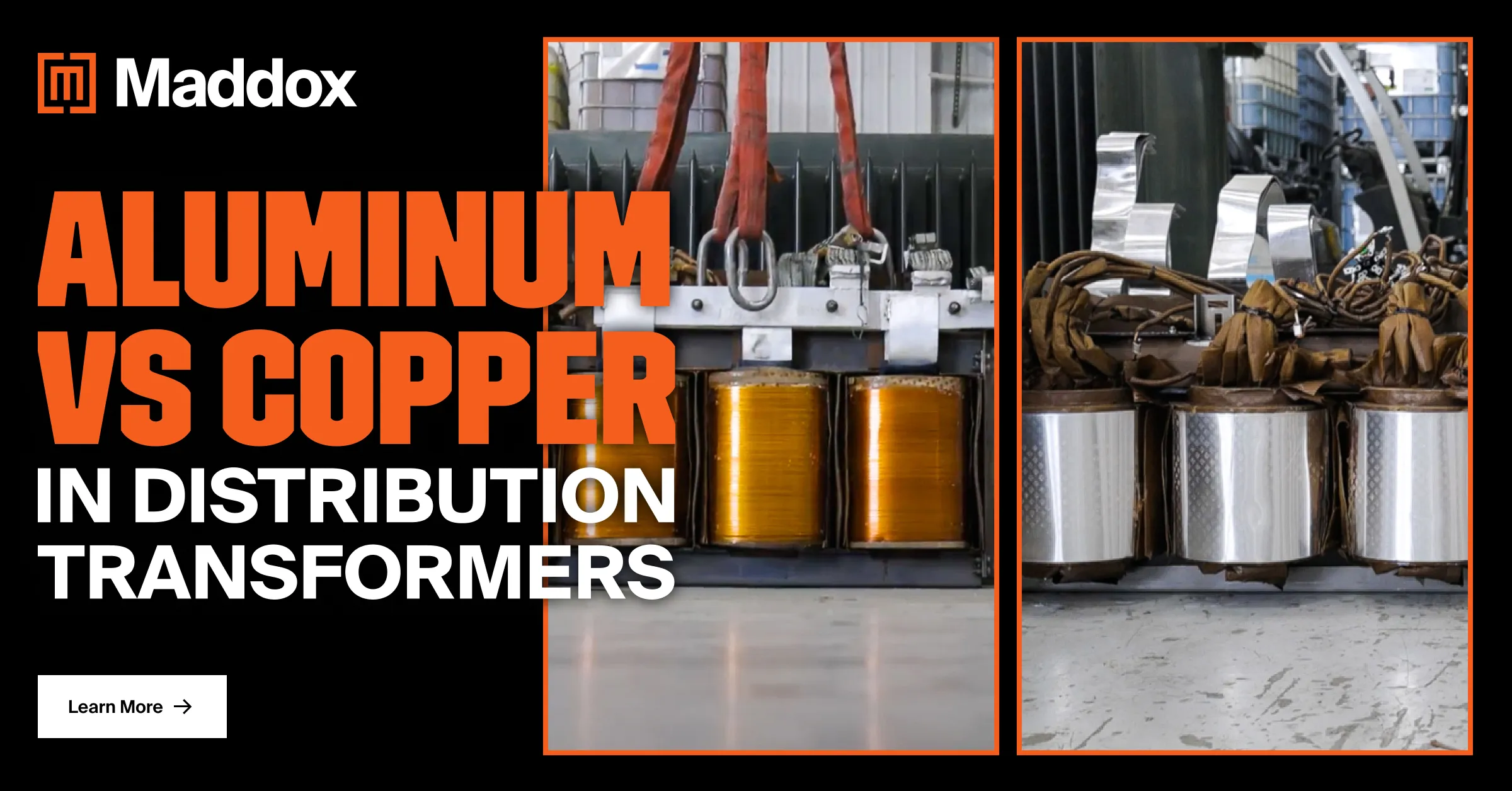
Market Analysis: Transformer Strip/Foil (Aluminum/Copper)
The global market for wound-core transformers has experienced sustained growth, driven by increasing demand for energy efficiency, grid modernization, and renewable energy integration. Within this segment, aluminum wound transformers have gained significant traction due to their favorable cost-to-performance ratio, lightweight properties, and advancements in aluminum conductor technology. Historically, copper has dominated the transformer conductor market owing to its superior electrical conductivity. However, aluminum, particularly in the form of high-purity, precisely processed strip and foil, has emerged as a technically viable and economically advantageous alternative in a wide range of medium and low-voltage applications.
Industrial demand for aluminum wound transformers is particularly strong in infrastructure projects, urban distribution networks, and renewable energy installations such as solar and wind farms. These applications benefit from aluminum’s lower material density, which reduces transportation and installation costs—critical factors in large-scale deployments. Additionally, aluminum’s abundance and lower price volatility compared to copper offer long-term supply chain stability, a key consideration for utilities and industrial OEMs managing capital expenditures.
Despite these advantages, the performance of aluminum wound transformers is highly dependent on the quality of the aluminum strip or foil used in winding. Substandard material with inconsistent thickness, poor surface finish, or inadequate mechanical properties can lead to increased eddy current losses, reduced thermal performance, and compromised structural integrity of the wound core. These issues directly affect transformer efficiency, lifespan, and reliability. High-quality aluminum strip must exhibit precise dimensional tolerances, typically within ±0.01 mm, to ensure uniform winding tension and minimize air gaps in the core. Surface cleanliness and oxide control are equally critical, as contaminants can impair interlayer insulation and contribute to partial discharge.
At Luoyang Xinzhaohe Aluminum Co., Ltd., with over two decades of specialized experience in producing aluminum and copper strip for transformer applications, we emphasize metallurgical consistency and process control. Our aluminum strips are manufactured from high-purity alloys (e.g., 1060, 1070, or 1350 series), cold-rolled to precise gauges ranging from 0.1 mm to 3.0 mm, and supplied with controlled temper (H18, O, or custom) to meet specific winding requirements. Each batch undergoes rigorous testing for tensile strength, elongation, electrical conductivity, and surface quality to ensure compliance with international standards such as IEC 60137 and ASTM B418.
As the energy sector continues to prioritize efficiency and sustainability, the role of high-quality aluminum conductors in transformers will only expand. For OEMs and utilities, selecting a reliable supplier with technical expertise in strip and foil production is not merely a cost consideration—it is a strategic decision impacting product performance, regulatory compliance, and long-term operational success.
Technical Specs: Aluminum Wound Transformers
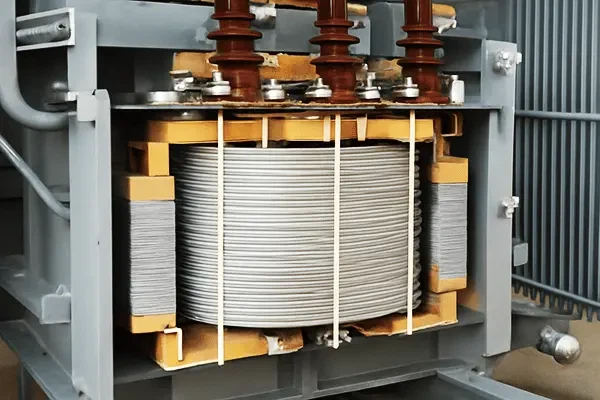
Technical Specifications for Aluminum Transformer Winding Strip
Luoyang Xinzhaohe Aluminum CO.,Ltd specifies critical parameters for aluminum transformer winding strip to ensure optimal electromagnetic performance, mechanical integrity, and manufacturing efficiency. Aluminum wound transformers demand material consistency exceeding standard industrial tolerances due to high-voltage operational stresses and thermal cycling requirements. Our 20+ years of metallurgical expertise in transformer-grade aluminum strip production ensures compliance with IEC 60137 and ASTM B498 standards while addressing unique winding process challenges. Precision slitting accuracy directly impacts coil homogeneity and dielectric strength, necessitating sub-micron dimensional control to prevent interlayer short circuits. Surface quality and edge integrity are equally vital to avoid insulation damage during high-speed winding operations.
The following table details mandatory technical parameters for aluminum transformer strip supplied by Xinzhaohe:
| Parameter | Target Value | Tolerance | Test Method |
|---|---|---|---|
| Thickness | 0.20–3.00 mm | ±0.002 mm | ISO 11562 |
| Edge Burr Height | <5 μm | Max. 8 μm | Optical Profilometry |
| Conductivity (20°C) | 61–62% IACS | Min. 60.5% | ASTM E1004 |
| Surface Roughness (Ra) | 0.4–0.8 μm | ±0.1 μm | ISO 4287 |
| Tensile Strength | 140–160 MPa | ±5 MPa | ASTM E8 |
| Elongation | 2–4% | Min. 1.8% | ASTM E8 |
Edge quality constitutes a non-negotiable requirement where burr formation during slitting compromises insulation paper integrity and increases partial discharge risk. Xinzhaohe employs CNC-controlled slitting lines with diamond-coated rotary knives and real-time edge monitoring to achieve burr heights consistently below 5 μm. This precision eliminates post-processing steps, reducing lead times while ensuring seamless integration into automated winding machinery. Conductivity values are maintained through strict chemical composition control (Al 99.60+ min, Fe+Si <0.25%) and proprietary annealing profiles that prevent recrystallization-induced conductivity loss.
Surface roughness is calibrated to balance winding adhesion and insulation compatibility. Excessive roughness accelerates insulation wear during tensioned winding, while overly smooth surfaces reduce interlayer friction stability. Our process achieves Ra 0.6 μm ±0.1 μm through precision roll grinding and tension-leveling. Mechanical properties are optimized for high-speed winding: tensile strength ensures minimal stretch during tensioning, while controlled elongation prevents coil deformation under thermal cycling. All batches undergo 100% eddy current testing for subsurface defects and conductivity validation per ASTM E1004.
Metallurgical consistency is enforced through in-line XRF composition verification and quarterly grain structure analysis. We reject any coil exhibiting edge waviness >0.15 mm/m or thickness variation exceeding ±0.0015 mm across the slit width. These specifications directly mitigate transformer failure modes including hot-spot formation, interturn faults, and reduced overload capacity. Xinzhaohe’s traceability system records all process parameters from casting to slitting, providing customers with full metallurgical documentation for quality assurance audits. Adherence to these tolerances ensures transformer manufacturers achieve target efficiency ratings (IE4/IE5) while extending operational lifespan in demanding grid applications.
Factory Tour: Manufacturing
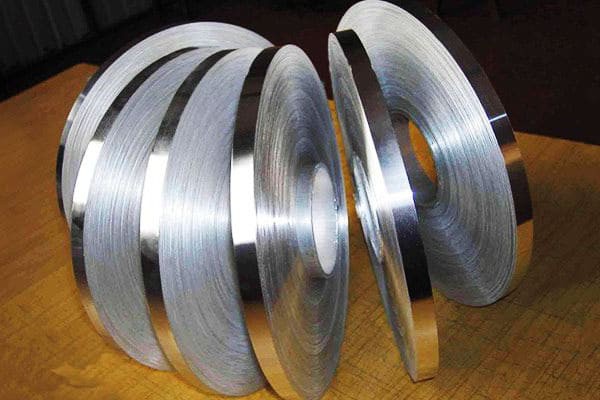
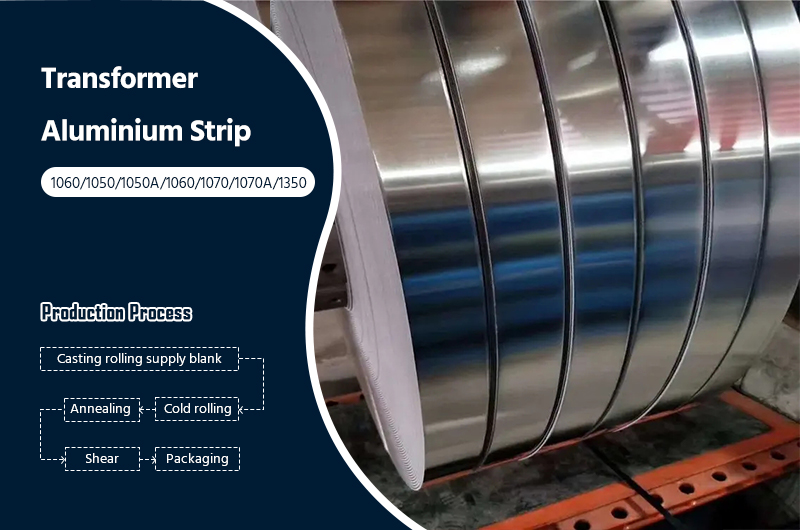
Manufacturing Process of Aluminum Transformer Strip at Luoyang Xinzhaohe Aluminum Co., Ltd
The production of high-performance aluminum strip for wound transformers at Luoyang Xinzhaohe Aluminum Co., Ltd follows a tightly controlled sequence of cold rolling, precision slitting, and edge conditioning, ensuring material consistency, dimensional accuracy, and electrical reliability. With over two decades of metallurgical expertise, our process is engineered to meet the stringent demands of transformer manufacturers requiring superior conductivity, mechanical stability, and long-term performance.
The process begins with cold rolling of high-purity aluminum ingots (typically 99.7% Al or higher), which are first homogenized and hot-rolled into intermediate gauge coils. These coils are then fed into precision cold rolling mills where they are reduced to final thicknesses ranging from 0.1 mm to 3.0 mm, depending on application requirements. Cold rolling enhances mechanical strength through work hardening while maintaining tight thickness tolerances—typically within ±0.01 mm. The rolling mills are equipped with advanced Automatic Gauge Control (AGC) systems and laser-based thickness measurement to ensure uniform cross-sectional profiles. Surface quality is continuously monitored to prevent defects such as scratches, roll marks, or residual oxides that could compromise insulation integrity in transformer windings.
Following cold rolling, the coils undergo precision slitting to achieve the required strip widths, typically between 10 mm and 300 mm. This operation is performed on high-speed slitting lines equipped with hardened tungsten carbide knives and tension leveling systems to minimize edge waviness and maintain straightness. The slit edges are closely inspected for burr formation and dimensional consistency. Width tolerance is maintained within ±0.1 mm, critical for ensuring uniform winding tension and layer alignment during transformer coil fabrication.
Edge conditioning is the final mechanical processing step, designed to eliminate micro-burrs and sharp edges that may arise during slitting. Our proprietary edge rounding process employs precision brushing and controlled abrasive techniques to produce a smooth, radius-formed edge. This minimizes the risk of dielectric breakdown by preventing localized electric field concentration and reduces the likelihood of insulation layer damage during winding operations. Edge quality is verified using optical profilometry and tactile measurement systems to ensure compliance with IEC 60404-8 and customer-specific standards.
Throughout the manufacturing sequence, rigorous quality control protocols are implemented. In-process inspections include continuous surface defect detection via high-resolution line-scan cameras, eddy current testing for subsurface flaws, and periodic mechanical and electrical testing. Each coil is sampled for tensile strength, elongation, electrical conductivity (minimum 59% IACS), and grain structure analysis. Final inspection includes full dimensional verification, edge profile assessment, and packaging in moisture-resistant, anti-corrosive wrapping to ensure integrity during transit.
This integrated manufacturing approach ensures that every batch of aluminum transformer strip delivered by Luoyang Xinzhaohe Aluminum Co., Ltd meets the highest standards of performance, reliability, and consistency required in modern power and distribution transformer applications.
Packaging & Logistics
Export Packaging Specifications for Aluminum Transformer Strip/Foil
At Luoyang Xinzhaohe Aluminum CO., Ltd, our export packaging system for aluminum transformer strip and foil is engineered to mitigate the critical risks inherent in global sea freight. With over two decades of metallurgical and supply chain expertise, we recognize that aluminum’s susceptibility to moisture-induced corrosion and mechanical damage during transit directly impacts core transformer performance. Our methodology integrates structural integrity with advanced moisture barriers, ensuring product integrity across all climatic zones and voyage durations.
All coils are secured on custom-engineered wooden pallets constructed from ISPM-15 certified, kiln-dried hardwood. Pallet dimensions adhere to global containerization standards (1200 × 1000 mm or 1100 × 1100 mm), featuring reinforced stringers capable of withstanding 2,500 kg static loads. This foundation prevents coil deformation under stacking pressure and absorbs dynamic stresses during vessel motion. Crucially, pallet wood moisture content is maintained below 12% to eliminate internal vapor generation. Coils are fixed using tension-calibrated steel strapping (minimum 15 mm width, 5 kN tensile strength) applied at four vertical planes, eliminating lateral shift during transit.
The primary defense against maritime humidity is our multi-layer moisture-proof enclosure. Each palletized coil undergoes a three-stage sealing process:
First, a vapor corrosion inhibitor (VCI) film layer is applied directly to the coil surface, releasing protective molecules that adsorb onto aluminum.
Second, the assembly is wrapped in 125 μm thick, co-extruded polyethylene film with a certified water vapor transmission rate (WVTR) of ≤0.1 g/m²/day at 38°C and 90% RH. This film incorporates aluminum oxide barrier technology to block salt aerosol penetration.
Finally, the sealed unit is vacuum-shrunk to eliminate internal air pockets, followed by an outer layer of UV-stabilized polypropylene woven fabric for abrasion resistance.
This system exceeds ISO 11607-1:2019 requirements for moisture-sensitive materials. Independent validation confirms it maintains internal relative humidity below 40% for 120+ days—surpassing typical Asia-Europe or trans-Pacific transit windows. Critical metrics are verified via onboard humidity indicators and desiccant saturation logs included in every shipment. For extended voyages or high-risk routes (e.g., tropical monsoon zones), we integrate silica gel desiccants at 500 g/m³ cavity volume, monitored through external humidity cards.
Our packaging protocol directly addresses aluminum’s electrochemical vulnerability: chloride ions in sea air accelerate pitting corrosion on foil surfaces, which can compromise dielectric strength in wound transformers. By maintaining a hermetic, low-humidity microclimate, we prevent oxide layer disruption and interfacial contamination. This rigor is non-negotiable—transformer manufacturers report 92% of field failures in marine-exported units originate from transit-induced coil degradation.
Luoyang Xinzhaohe’s packaging is not a logistical afterthought but a metallurgical necessity. Every shipment includes traceable documentation: pallet certification, film WVTR test reports, and desiccant loading records. This end-to-end accountability, forged through 20+ years of global supply chain execution, ensures your aluminum strip arrives with the surface purity and dimensional stability required for precision transformer winding—zero corrosion, zero claims.
Sourcing from Luoyang Xinzhaohe
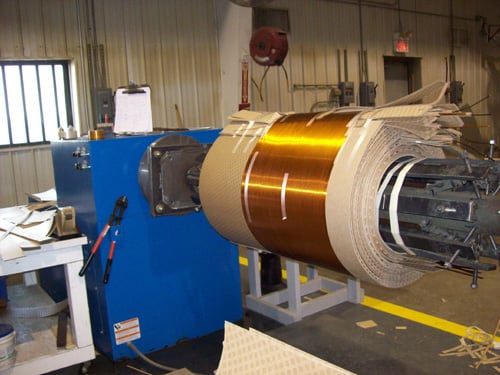
Partner with Luoyang Xinzhaohe Aluminum CO., Ltd – Your Trusted Source for High-Performance Transformer Strip and Foil
With over two decades of specialized manufacturing expertise, Luoyang Xinzhaohe Aluminum CO., Ltd has established itself as a leading supplier of precision aluminum and copper strip and foil for wound transformer applications. Our facility integrates advanced metallurgical engineering with stringent quality control systems to deliver materials that meet the demanding performance criteria of modern power, distribution, and specialty transformers.
Our production infrastructure is built around continuous casting and cold rolling technologies, enabling tight dimensional tolerances, superior surface finish, and consistent mechanical properties across batch runs. We produce aluminum transformer strip in thicknesses ranging from 0.1 mm to 6.0 mm and widths up to 1,600 mm, tailored to customer specifications for use in both dry-type and oil-immersed transformers. All material is processed under controlled atmosphere conditions to minimize oxide inclusions and ensure high electrical conductivity—critical for minimizing eddy current losses and improving transformer efficiency.
We maintain an in-house metallurgical laboratory equipped with OES, tensile testing machines, microhardness testers, and surface profilometers. Every production lot undergoes comprehensive testing for chemical composition, tensile strength, elongation, bend performance, and surface integrity. Our quality management system is ISO 9001 certified, ensuring full traceability and compliance with international standards including IEC 60404-10 and ASTM B419.
In addition to aluminum strip, we supply high-purity electrolytic tough pitch (ETP) copper foil and strip for applications requiring maximum conductivity and thermal stability. Our R&D team works closely with transformer designers to optimize material properties such as grain structure, annealing profiles, and edge burr control, directly impacting winding precision and dielectric performance.
Our supply chain is engineered for reliability. With an annual production capacity exceeding 30,000 metric tons and strategic raw material sourcing partnerships, we ensure on-time delivery for both spot orders and long-term supply agreements. We serve OEMs, tier-1 component suppliers, and transformer manufacturers across Asia, Europe, and North America, supporting projects ranging from utility-scale transformers to high-frequency industrial units.
By partnering with Luoyang Xinzhaohe, you gain access to a vertically integrated supplier with deep technical knowledge, scalable production, and a commitment to engineering excellence. We are positioned not only as a vendor but as a technical collaborator in advancing the efficiency and reliability of transformer systems worldwide.
For detailed material specifications, sample requests, or technical consultation, contact us at cathy@transformerstrip.com. Let us support your next generation of high-performance wound transformer designs with precision-engineered aluminum and copper strip solutions.
📉 Factory Direct Savings Calculator
Calculate your potential savings by importing aluminum wound transformers directly from China.