

Table of Contents
Market Insight: Aluminum Winding
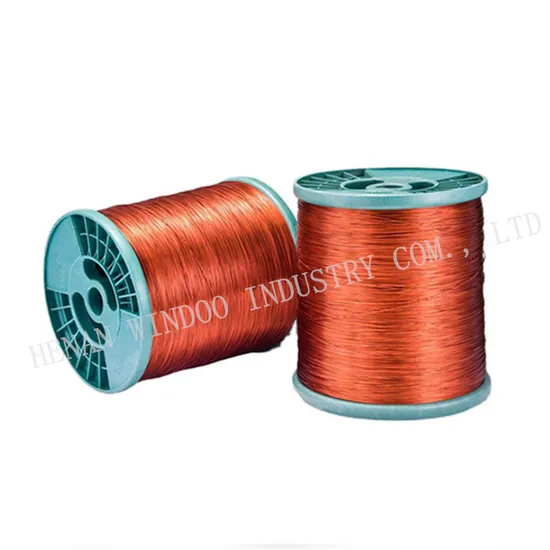
Market Analysis: Winding Wire – Industrial Demand and Quality Imperatives in Transformer Applications
The global demand for aluminum winding wire in power and distribution transformers has grown steadily over the past two decades, driven by the need for lightweight, cost-effective, and efficient electrical infrastructure. Aluminum offers a favorable conductivity-to-weight ratio and is approximately one-third the density of copper, making it an attractive alternative in large-scale transformer manufacturing where weight reduction directly impacts transportation and installation costs. As energy grids expand and modernize—particularly in emerging markets and renewable energy integration projects—the adoption of aluminum winding wire continues to rise across utility, industrial, and commercial sectors.
Transformers represent one of the most critical components in power transmission and distribution systems. In this context, aluminum winding wire is predominantly used in low-voltage and medium-voltage windings, where design adaptations compensate for aluminum’s lower electrical conductivity (approximately 61% IACS compared to copper). The use of aluminum necessitates larger cross-sectional areas to achieve equivalent current-carrying capacity, but advancements in conductor design, insulation systems, and winding techniques have effectively mitigated these challenges. As a result, aluminum-wound transformers now account for a significant share of the global market, especially in distribution transformers rated up to 36 kV.
Quality in aluminum winding wire is not a secondary consideration—it is a fundamental determinant of transformer reliability, thermal performance, and service life. Impurities, inconsistent tensile strength, or poor surface finish in the aluminum conductor can lead to localized hotspots, increased resistive losses, and mechanical failure under short-circuit conditions. Oxidation at the surface, if not properly controlled during manufacturing and handling, can compromise joint integrity and increase contact resistance at terminations. Furthermore, the wire must exhibit excellent elongation and bendability to withstand the rigorous coiling processes during transformer winding without microcracking or dimensional deviation.
At Luoyang Xinzhaoanghe Aluminum Co., Ltd, with over 20 years of specialized production experience, we emphasize metallurgical purity, precise dimensional tolerances, and consistent mechanical properties in every batch of aluminum winding wire. Our conductors are produced from high-purity 1350 or 1370 aluminum alloy, meeting ASTM B233 and IEC 60166 standards, and undergo rigorous in-line testing for conductivity, tensile strength, and elongation. We also implement strict process controls to ensure surface cleanliness and oxide layer uniformity, critical factors in ensuring reliable splicing and connection performance in the field.
The lifecycle cost of a transformer is heavily influenced by its efficiency and maintenance requirements. Substandard aluminum wire may offer short-term cost savings but often results in higher total cost of ownership due to increased losses, premature aging, and unplanned outages. As the industry moves toward smarter, more resilient grid infrastructure, the demand for high-quality, consistently manufactured aluminum winding wire will only intensify. For OEMs and utility providers, partnering with a technically proficient and quality-focused supplier is essential to achieving long-term performance and compliance with evolving energy efficiency standards.
Technical Specs: Aluminum Winding
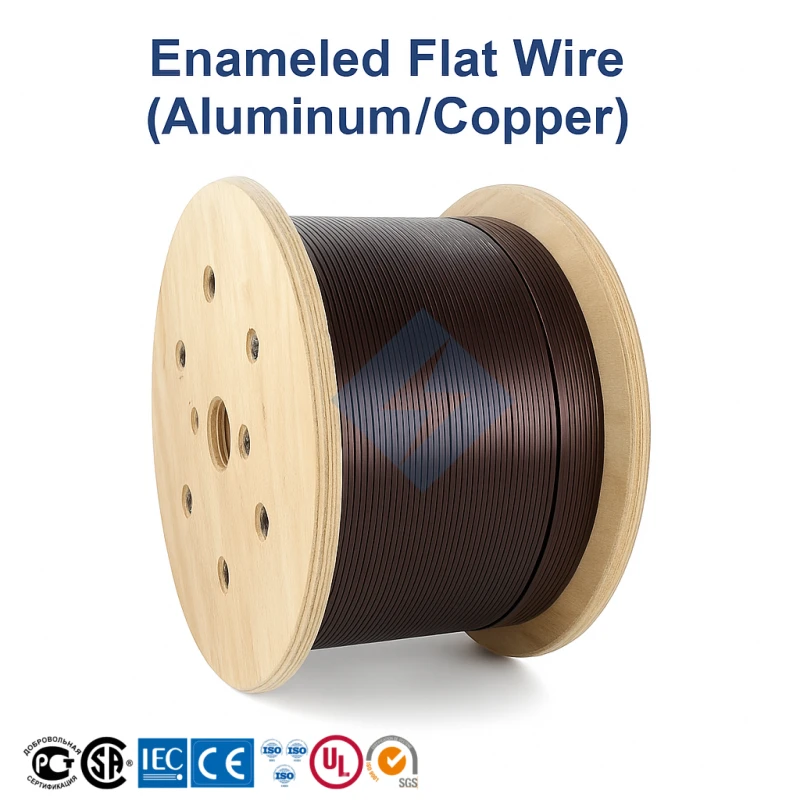
Technical Specifications for Aluminum Winding Wire
Luoyang Xinzhaohe Aluminum CO., Ltd delivers precision-engineered aluminum winding wire meeting stringent international performance benchmarks. With over two decades of metallurgical expertise, our products undergo rigorous quality control to ensure compliance with IEC, ASTM, and customer-specific requirements. This section details critical technical parameters essential for reliable electromagnetic component manufacturing.
Electrical Performance
Insulation breakdown voltage is a non-negotiable metric for operational safety and longevity. Our aluminum winding wire achieves a minimum dielectric strength of 3.5 kV AC (rms) at 50 Hz for 60 seconds immersion in water, per IEC 60280. This value escalates to 5.0 kV AC for 130°C thermal class materials and 7.5 kV AC for 220°C classes, validated through 100% in-line testing. Consistent dielectric performance ensures immunity against voltage transients in transformers, reactors, and motor windings, directly mitigating insulation failure risks in high-stress applications.
Mechanical Properties
Elongation, measured per ASTM B230/B230M at a gauge length of 250 mm, is calibrated to balance formability and structural integrity. Standard grades exhibit 18–22% elongation for diameters ≤ 3.00 mm, while high-ductility variants reach 25–30% for fine wires (< 1.00 mm). This controlled plasticity prevents micro-cracking during tight-radius winding operations and accommodates thermal cycling stresses in end-use environments. Tensile strength is maintained within 80–120 MPa to avoid excessive springback while ensuring coil stability.
Thermal Endurance
Thermal classification defines the maximum continuous operating temperature for insulation systems. We supply aluminum winding wire across the full spectrum from Class B (130°C) to Class C (220°C), utilizing advanced polymer formulations:
130–155°C (Class B/F): Polyester-imide or polyamide-imide coatings for cost-sensitive industrial motors.
180°C (Class H): Polyamide-imide base with silicone overcoat for traction motors and generators.
200–220°C (Class 200/220): Aromatic polyamide or ceramic-modified polymers for aerospace and high-efficiency EV components.
All thermal classes undergo 10,000-hour thermal aging per IEC 60172, with thermal index (TI) values exceeding 200°C for premium grades.
Critical Parameter Summary
| Parameter | Standard Range | Test Standard | Significance |
|---|---|---|---|
| Breakdown Voltage | 3.5–7.5 kV AC (rms) | IEC 60280 | Prevents dielectric failure under overvoltage |
| Elongation | 18–30% | ASTM B230 | Ensures crack resistance during winding |
| Thermal Class | 130°C to 220°C | IEC 60085 | Defines operational temperature ceiling |
| Conductor Purity | ≥ 99.7% Al | GB/T 8005.1 | Optimizes conductivity and corrosion resistance |
| Dimensional Tolerance | ±0.01 mm (diameter) | IEC 60122 | Guarantees consistent fill factors in coils |
Metallurgical Assurance
Our aluminum alloy composition (primarily 1350-O temper) is refined to minimize iron and silicon impurities, achieving 61.0–62.0% IACS conductivity. Grain structure is optimized via controlled annealing to eliminate anisotropy, ensuring uniform elongation across coil batches. Every shipment includes certified test reports for electrical, mechanical, and thermal properties, traceable to individual manufacturing lots.
Adherence to these specifications directly translates to reduced scrap rates in winding processes, extended service life in demanding thermal environments, and compliance with global energy efficiency directives. Luoyang Xinzhaohe’s integrated production control—from molten metal analysis to final insulation curing—guarantees parameter consistency critical for high-reliability electromechanical systems. Partner with us to eliminate supply chain variability in your winding wire sourcing.
Factory Tour: Manufacturing
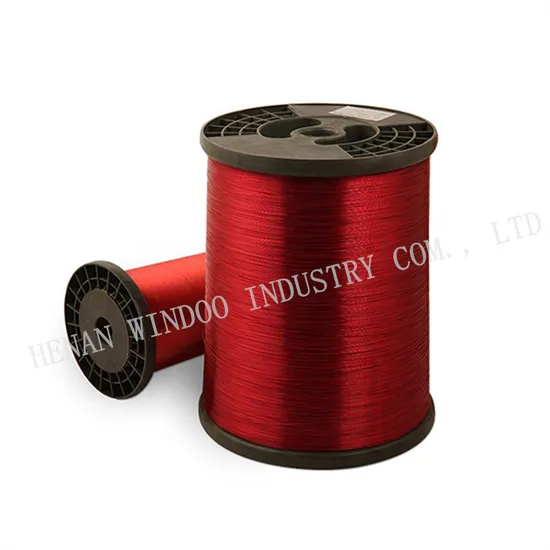
Manufacturing Process of Aluminum Winding Wire at Luoyang Xinzhaohe Aluminum Co., Ltd
The production of high-performance aluminum winding wire at Luoyang Xinzhaohe Aluminum Co., Ltd follows a tightly controlled, multi-stage manufacturing process designed to ensure mechanical integrity, electrical performance, and long-term reliability in demanding industrial applications. With over two decades of metallurgical and process engineering expertise, our facility integrates precision equipment with rigorous quality control to deliver consistent product performance across all production batches.
The process begins with rod drawing, where high-purity aluminum rods (typically 9.5 mm in diameter, meeting GB/T 3954 standards) are pulled through a series of tungsten carbide or diamond dies to achieve the desired wire diameter, ranging from 0.08 mm to 3.5 mm. This cold-working process is performed under controlled tension and lubrication conditions to maintain dimensional accuracy, surface smoothness, and uniform elongation. The drawing line is equipped with real-time diameter monitoring using laser gauges, ensuring tolerance control within ±0.002 mm.
Following drawing, the wire undergoes continuous annealing in a nitrogen-purged induction furnace. This softens the aluminum, restoring ductility lost during cold drawing and achieving a fully recrystallized microstructure. The annealing temperature is precisely regulated between 300°C and 450°C, depending on alloy and final mechanical specifications, with residence time optimized to prevent grain overgrowth. Oxygen content in the furnace atmosphere is maintained below 50 ppm to prevent surface oxidation.
The annealed wire then proceeds to the enameling stage, where one or multiple layers of polymer insulation are applied via precision die coating. Common insulation systems include polyurethane (PU), polyester (PE), polyamide-imide (PAI), or dual-layer combinations such as PE-PAI, selected based on thermal class (up to Class 200) and chemical resistance requirements. Each coat is immediately cured in high-efficiency infrared or convection ovens with zoned temperature profiles, ensuring complete cross-linking and adhesion. Film thickness is monitored inline using capacitance sensors, with typical build-up accuracy of ±0.003 mm.
Throughout the production line, automated inline testing systems continuously assess critical parameters. These include high-voltage breakdown testing (up to 2,500 V), scrape endurance, springback, and dimensional consistency. Every spool is 100% tested for continuity and insulation integrity before packaging.
Final quality control includes batch sampling for mechanical testing (tensile strength, elongation), thermal shock resistance, and solderability. All test data is logged and traceable to individual production lots, ensuring full compliance with IEC 60317, GB/T 23312, and customer-specific standards. This end-to-end process control underscores Luoyang Xinzhaohe’s commitment to delivering aluminum winding wire with optimal electrical, thermal, and mechanical performance.
Packaging & Logistics
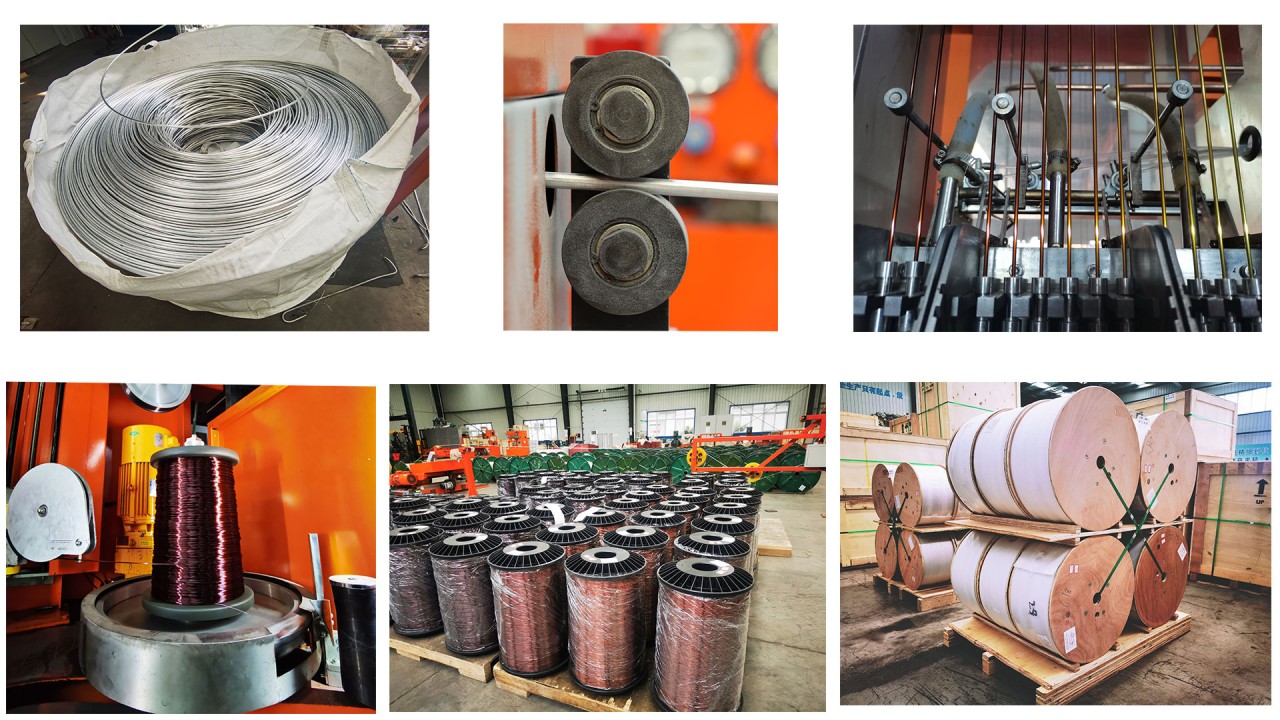
Export Packaging Specifications for Aluminum Winding Wire
Luoyang Xinzhaohe Aluminum CO., Ltd implements rigorously engineered export packaging protocols for aluminum winding wire to ensure product integrity during global maritime transit. With over 20 years of metallurgical and supply chain expertise, we recognize that inadequate packaging constitutes a critical failure point for aluminum wire coils, which are highly susceptible to moisture-induced oxidation and physical deformation. Our system integrates structural stability with absolute moisture barrier protection, adhering to ISO 11607 and ISTA 3A standards for hazardous sea freight environments.
All coils are secured to custom-engineered wooden pallets meeting ISPM 15 international phytosanitary regulations. Pallets undergo mandatory kiln-drying to ≤20% moisture content prior to construction, preventing fungal growth and dimensional instability during extended voyages. Structural specifications include:
| Parameter | Specification |
|---|---|
| Material | Hardwood (Oak/Ash), ISPM 15 stamped |
| Dimensions | 1200 x 1000 mm or 1100 x 1100 mm |
| Load Capacity | ≥ 3000 kg static, 1500 kg dynamic |
| Treatment | Heat-treated, no methyl bromide |
Coils are double-wrapped using a multi-layer moisture-proof film system. The primary layer consists of 120-micron co-extruded polyethylene film with a maximum water vapor transmission rate (WVTR) of 0.5 g/m²/24hr at 38°C/90% RH, per ASTM F1249. This is overlaid with a secondary 80-micron metallized polyester barrier film providing an oxygen transmission rate (OTR) below 1.0 cm³/m²/24hr. All film seams are hermetically sealed using impulse welders calibrated to 220°C ± 5°C, verified through pressure decay testing at 0.1 bar for 60 seconds. Desiccant packs (silica gel, 33% RH capacity) are strategically placed within the film envelope at a ratio of 500g per metric ton of aluminum.
For sea freight, we enforce three critical protocols beyond standard packaging. First, coils undergo pre-shipment vacuum humidity testing to confirm internal dew points remain below -20°C. Second, containers are pre-staged in climate-controlled warehouses for 24 hours prior to loading, eliminating thermal shock risks. Third, dynamic lashing forces are calculated per IMO CSS Code using coil weight distribution data, with certified steel strapping applied at 50% of minimum breaking load. Container humidity is continuously monitored via data loggers recording at 2-hour intervals, with real-time alerts triggered above 65% RH.
This integrated approach mitigates the primary risks in aluminum wire logistics: galvanic corrosion from salt-air intrusion, coil collapse under stack pressure, and surface oxidation from humidity fluctuations. Our packaging has achieved a 99.7% damage-free delivery rate across 12,000+ TEUs shipped since 2018, validated by third-party logistics auditors. Clients receive full documentation including pallet certification, film test reports, and container environmental logs, ensuring traceability and compliance with global customs and quality frameworks. This systematic rigor transforms packaging from a cost factor into a quantifiable assurance of metallurgical consistency upon arrival.
Sourcing from Luoyang Xinzhaohe
Partner with Luoyang Xinzhaohe Aluminum Co., Ltd for High-Performance Aluminum Winding Wire
Luoyang Xinzhaohe Aluminum Co., Ltd stands as a leading manufacturer in the aluminum winding wire sector, leveraging over two decades of metallurgical expertise and industrial innovation. Specializing in precision aluminum conductors for transformer, motor, and reactor applications, our facility integrates advanced casting, rolling, and drawing technologies to deliver consistently high-quality winding materials. With a production footprint exceeding 80,000 metric tons annually, we serve global OEMs and tier-one suppliers requiring strict adherence to IEC, ASTM, and GB standards.
Our vertically integrated production model ensures full control over material traceability and process parameters. Starting from high-purity aluminum ingots (99.70% min Al), we employ continuous casting and rolling lines to produce defect-free strip stock, which is then precision drawn into round, rectangular, or shaped wire configurations. This integration enables us to maintain tight tolerances—down to ±0.01 mm for rectangular conductors—critical for high-efficiency electromagnetic devices. Our in-house metallurgical lab conducts routine grain structure analysis, tensile testing, and conductivity verification (IACS ≥ 61%), ensuring every coil meets mechanical and electrical performance benchmarks.
The factory is equipped with state-of-the-art annealing systems, including vertical and horizontal continuous furnaces, which provide uniform softening and stress relief without surface oxidation. This capability supports the production of fully annealed (O-temper) and half-hard (H14) tempers, tailored to customer winding and forming requirements. Additionally, our automated take-up and spooling systems ensure consistent layer winding, minimizing creasing and deformation during high-speed coil processing.
Environmental and quality management systems are certified to ISO 9001:2015 and ISO 14001:2015, reflecting our commitment to sustainable manufacturing and continuous improvement. Real-time process monitoring, combined with SPC-driven quality control, allows for batch-level traceability and rapid root-cause analysis. We routinely supply to demanding markets in Europe, North America, and Southeast Asia, where reliability and repeatability are non-negotiable.
Our engineering team supports clients through technical consultation, from material selection to cross-sectional optimization, ensuring compatibility with automated winding equipment and thermal management systems. Whether you require AA-1350, AA-8030, or custom alloy formulations, we offer flexible MOQs and accelerated lead times without compromising quality.
For sourcing managers and design engineers seeking a dependable partner in aluminum winding wire, Luoyang Xinzhaohe delivers technical depth, scalable capacity, and uncompromising product integrity. Partner with a manufacturer built on metallurgical precision and industrial reliability.
Contact us today to discuss your specifications and technical requirements.
Cathy Zhang
Sales Manager, International Division
Email: cathy@transformerstrip.com
Luoyang Xinzhaohe Aluminum Co., Ltd
📉 Factory Direct Savings Calculator
Calculate your potential savings by importing aluminum winding directly from China.