


Table of Contents
Market Insight: Aluminum Sheet Fabrication
Market Analysis: Transformer Strip/Foil (Aluminum/Copper)
The global transformer industry exhibits a pronounced and sustained shift toward aluminum strip and foil for critical components, particularly within distribution and power transformers. While copper retains dominance in certain high-current applications, aluminum’s superior conductivity-to-weight ratio and significant cost advantage per unit conductivity drive its adoption in windings, busbars, and shielding elements. This transition is especially evident in utility-scale distribution transformers (typically 50 kVA to 2500 kVA), where weight reduction directly impacts transportation logistics, installation costs, and structural support requirements. Industrial demand for precision-fabricated aluminum sheet in this sector is intrinsically linked to the expansion of electrical infrastructure, renewable energy integration, and grid modernization initiatives worldwide. The proliferation of solar and wind farms necessitates vast quantities of step-up and step-down transformers, while aging grid infrastructure in developed economies and rapid electrification in emerging markets further amplify demand for reliable, cost-effective transformer materials.
Key demand drivers underscore the critical role of aluminum sheet fabrication. Renewable energy inverters and substation transformers require materials capable of handling fluctuating loads with high efficiency; aluminum’s thermal properties and formability support these needs. Electrification of transport, particularly the global rollout of EV charging networks, demands robust, standardized transformers where aluminum’s weight savings are crucial for modular designs. Furthermore, stringent international energy efficiency regulations (e.g., DOE 2016 in the US, Ecodesign Directive 2009/125/EC in the EU) compel manufacturers to optimize core and winding designs, often favoring aluminum’s specific electrical characteristics when engineered correctly. This creates a high-volume, quality-sensitive market for transformer strip and foil, where consistent material properties are non-negotiable for meeting performance and regulatory benchmarks.
The paramount importance of material quality in aluminum transformer strip and foil cannot be overstated. Substandard material directly jeopardizes transformer reliability, efficiency, and lifespan. Critical quality parameters include precise dimensional tolerances (thickness, width, edge camber) essential for automated winding processes and uniform magnetic flux distribution. Surface integrity is equally vital; microscopic scratches, residual lubricants, or interfacial oxidation from inadequate cleaning can create hotspots under operational load, accelerating insulation degradation and potentially triggering thermal runaway. Crucially, electrical conductivity must consistently meet or exceed 61% IACS (International Annealed Copper Standard) as specified in standards like IEC 60137 and ASTM B209. Variations in conductivity, often stemming from impurities or inconsistent annealing during fabrication, directly increase I²R losses, reducing transformer efficiency and generating excess heat. Poor mechanical properties, such as insufficient elongation or inconsistent yield strength, lead to winding deformation during manufacturing or operation, compromising structural integrity and dielectric performance.
For transformer manufacturers, sourcing aluminum strip and foil from suppliers with rigorous metallurgical control and fabrication expertise is a strategic imperative. Luoyang Xinzhaohe Aluminum Co., Ltd leverages over 20 years of specialized production to deliver material meeting the most demanding specifications. Our processes ensure exceptional surface purity, exact dimensional conformance, and guaranteed electrical conductivity through controlled homogenization, precision rolling, and proprietary annealing protocols. This commitment to quality mitigates the risk of field failures, warranty liabilities, and reputational damage associated with transformer underperformance, ultimately supporting the total cost of ownership objectives of our B2B partners in the power transmission and distribution sector. Consistent, high-integrity aluminum strip is not merely a component; it is foundational to the safe, efficient, and reliable operation of the modern electrical grid.
Technical Specs: Aluminum Sheet Fabrication
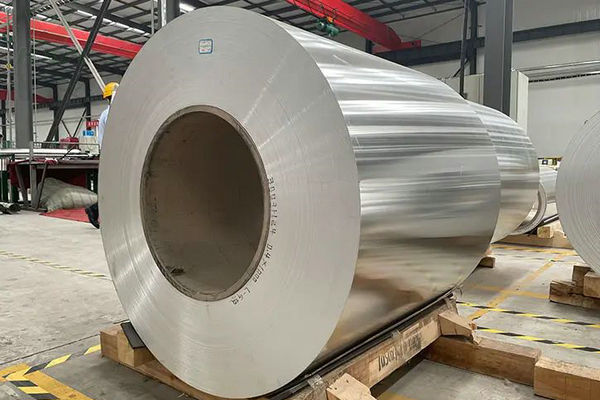
Technical Specifications for Aluminum Sheet Fabrication – Transformer Strip/Foil
Luoyang Xinzhaohe Aluminum Co., Ltd., with over two decades of specialized metallurgical and industrial processing expertise, provides precision-engineered aluminum sheets tailored for high-performance transformer strip and foil applications. Our fabrication processes adhere to stringent international quality standards, ensuring dimensional accuracy, material consistency, and superior electrical performance. The following technical specifications define the critical parameters for aluminum sheet fabrication, specifically optimized for use in transformer windings, busbars, and electromagnetic components where reliability under continuous load is paramount.
Dimensional precision is a cornerstone of our slitting process. All aluminum strips are slit to customer-defined widths using state-of-the-art tension leveling and edge guiding systems, achieving a dimensional tolerance of ±0.002 mm. This tight tolerance ensures uniform coil winding, minimizes interlayer stress, and prevents localized hot spots in transformer cores. Width consistency is continuously monitored via laser micrometry, with real-time feedback controls maintaining edge alignment across production runs exceeding 10,000 meters.
Edge quality is rigorously controlled to eliminate burrs, micro-tears, and work-hardened zones that can initiate crack propagation under thermal cycling. Our proprietary deburring and edge-annealing protocols produce burr-free edges with a surface finish Ra ≤ 0.4 µm. This surface integrity enhances dielectric performance when in contact with insulating paper or polymer films and reduces the risk of partial discharge in high-voltage transformer assemblies.
Electrical conductivity is measured per ASTM E1004 and reported in %IACS (International Annealed Copper Standard). For our 1060, 1070, and 1100-series pure aluminum strips, minimum conductivity is guaranteed at 59.0% IACS in the O-temper (fully annealed) condition. This high conductivity ensures low resistive losses, directly contributing to transformer energy efficiency and compliance with IE3 and IE4 efficiency classifications. Conductivity is validated through four-point probe testing at multiple points across each coil, with full traceability by heat number.
All materials undergo strict chemical composition verification via optical emission spectroscopy (OES), ensuring impurity levels (Fe, Si, Cu, etc.) are maintained below 0.03% total, which directly supports consistent conductivity and formability. Mechanical properties are equally controlled, with tensile strength ranging from 60–75 MPa and elongation ≥35%, enabling high-speed winding without fracture.
Our fabrication line supports thicknesses from 0.10 mm to 3.0 mm and widths from 10 mm to 800 mm, with custom tempering profiles available upon request. All coils are wound under controlled tension to prevent telescoping and are packaged in moisture-resistant, anti-corrosive wrapping to maintain surface quality during global transit.
| Parameter | Specification | Test Standard |
|---|---|---|
| Thickness Range | 0.10 – 3.0 mm | ASTM B479 |
| Width Range | 10 – 800 mm | ISO 6892-1 |
| Slitting Tolerance | ±0.002 mm | ISO 7806 |
| Edge Quality | Burr-free, Ra ≤ 0.4 µm | ISO 4287 |
| Conductivity (min) | 59.0% IACS | ASTM E1004 |
| Alloy Series | 1060, 1070, 1100 (O-temper) | GB/T 3880.1 |
| Tensile Strength | 60 – 75 MPa | ASTM B557 |
| Elongation (min) | ≥35% | ASTM B557 |
| Impurity Content (max) | ≤0.03% (total) | GB/T 7999 |
| Packaging | Anti-corrosive, moisture-resistant | Custom per shipment |
Factory Tour: Manufacturing
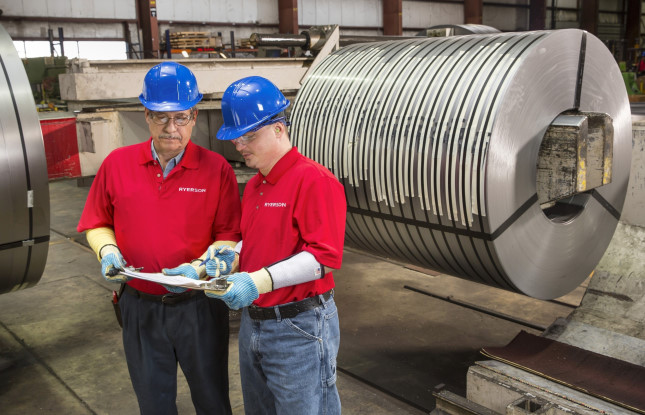
Manufacturing Process for Transformer Strip Production
Luoyang Xinzhaohe Aluminum CO., Ltd leverages 20+ years of metallurgical expertise to produce transformer strip and foil meeting stringent electromagnetic performance requirements. Our process begins with cold rolling of high-purity aluminum or copper ingots. Primary hot-rolled coils undergo intermediate annealing before entering precision cold rolling mills. Here, thickness reduction is meticulously controlled within 0.1–3.0 mm tolerances through multi-stand tandem rolling. Critical parameters include roll grinding frequency (≤0.002 mm surface deviation), interstand tension control (±1.5%), and emulsion chemistry management to achieve target surface roughness (Ra 0.2–0.8 μm). This ensures optimal varnish adhesion and lamination integrity in transformer windings while preventing interlayer short circuits. Recrystallization annealing follows to eliminate work hardening and achieve uniform grain structure per ASTM B498 specifications.
Precision slitting transforms master coils into narrow strips using servo-driven rotary shear systems. Our 12-head slitters maintain edge parallelism within ±0.05 mm/m through real-time laser-guided web tracking. Tension leveling at 30–50 MPa eliminates coil set and ensures flatness compliance (<5 I-Units per ASTM E2906). Strip widths are held to ±0.1 mm tolerance for 50–300 mm formats, critical for automated winding equipment. Slitting speed is dynamically adjusted based on material grade to prevent edge strain hardening, with scrap rates maintained below 0.8% through predictive tool wear monitoring.
Edge conditioning constitutes the final fabrication stage. Strips pass through precision brushing and deburring units where rotating abrasive belts remove micro-burrs to ≤5 μm height. Simultaneous edge radiusing (R0.05–0.15 mm) is applied to prevent insulation paper damage during coil winding. This process eliminates edge defects that could initiate partial discharges in high-voltage transformers. All strips undergo 100% edge inspection via machine vision systems detecting imperfections down to 10 μm resolution.
Quality Control Integration
QC protocols are embedded at each stage. Inline X-ray fluorescence verifies alloy composition (e.g., 1060, 1070, or C11000 copper). Thickness profiling uses beta-gauge systems with ±1.5 μm accuracy, while surface defects are monitored by high-speed cameras. Final inspection includes:
| Parameter | Standard | Xinzhaohe Tolerance | Test Method |
|---|---|---|---|
| Thickness | ASTM B209/B152 | ±0.005 mm | Micrometer/EDXRF |
| Camber | IEC 60404-9 | ≤1.0 mm/m | Optical profiler |
| Surface Roughness | ISO 4287 | Ra ≤0.6 μm | Profilometer |
| Edge Burr Height | Customer-Specific | ≤5 μm | SEM |
All batches receive full material traceability from ingot to shipment, with comprehensive test reports including tensile strength, elongation, and electrical conductivity. This integrated process control ensures transformer strips deliver consistent magnetic performance and winding reliability in demanding power applications.
Packaging & Logistics
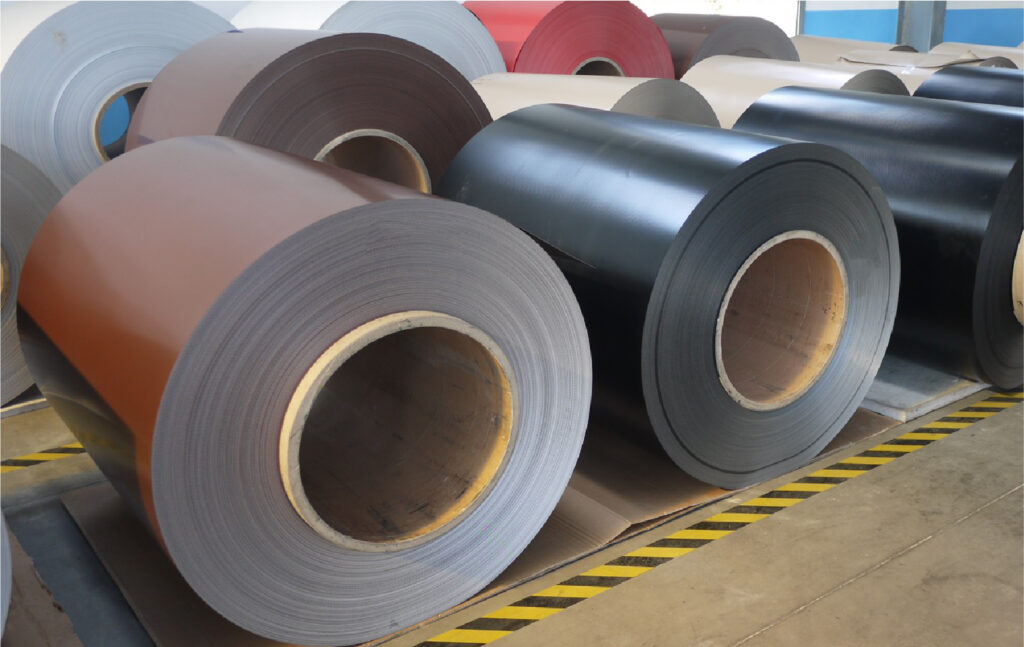
Export Packaging for Aluminum and Copper Transformer Strip and Foil: Ensuring Integrity During Sea Freight
At Luoyang Xinzhaohe Aluminum Co., Ltd, with over two decades of specialized experience in the production and global supply of aluminum and copper transformer strip and foil, we recognize that packaging is not merely a logistical consideration but a critical component of product integrity. Given the sensitivity of thin-gauge conductive materials to environmental exposure and mechanical stress during transit, our export packaging protocols are engineered to meet the rigorous demands of international sea freight.
All transformer strip and foil coils are systematically secured on high-load-bearing wooden pallets constructed from kiln-dried, ISPM 15-compliant hardwood. These pallets are designed to withstand stacking pressures in containerized shipping environments while maintaining dimensional stability under variable climatic conditions. Each coil is centered and affixed using steel strapping anchored directly to the pallet structure, minimizing lateral and vertical movement during vessel motion or port handling. Edge protectors made from rigid cardboard or plastic are applied at coil perimeters to prevent deformation of the outer wraps and maintain edge consistency.
To mitigate the risk of moisture-induced oxidation and surface contamination, every coil is hermetically wrapped in multi-layer moisture-proof composite film. This film consists of an aluminum-polyethylene laminate that provides a vapor transmission rate of less than 0.1 g/m²/24h, effectively creating a barrier against salt-laden maritime atmospheres and condensation cycles common in intercontinental shipping. The film is heat-sealed at all seams and overlapped by a minimum of 150 mm to ensure continuity of protection. Desiccant packs are strategically placed between inner wrapping layers to absorb residual humidity and further stabilize the microenvironment within the packaging.
For added security, an intermediate layer of corrugated waterproof kraft paper is applied beneath the moisture-proof film, offering abrasion resistance and supplementary water repellency. The entire package is then overwrapped with UV-resistant polyethylene stretch hooding, which is tension-sealed around the pallet base to prevent ingress of dust, rain, or splashing water during loading, unloading, or open-deck storage.
Documentation, including material test certificates and packing lists, is enclosed in a waterproof polymer envelope affixed to the side of the pallet, ensuring accessibility without compromising protective wrapping. Each shipment is labeled with durable, weather-resistant tags indicating product specifications, batch numbers, handling instructions, and international hazard symbols where applicable.
This comprehensive packaging system has been validated across thousands of sea shipments to North America, Europe, Southeast Asia, and the Middle East. It ensures that aluminum and copper transformer strips arrive at their destination with preserved surface quality, dimensional accuracy, and electrical performance characteristics. At Luoyang Xinzhaohe, we treat every export shipment as a commitment to reliability, precision, and long-term partnership.
Sourcing from Luoyang Xinzhaohe
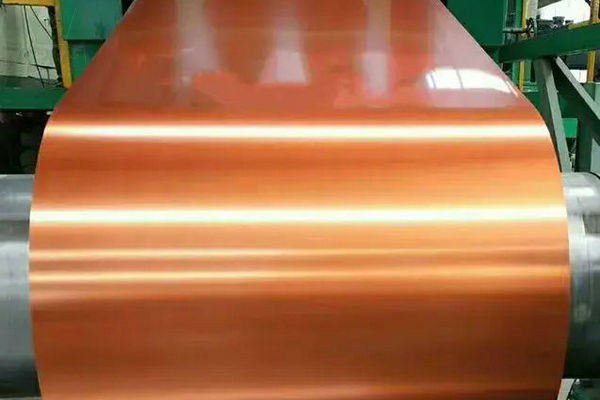
Partner with Luoyang Xinzhaohe: Precision Transformer Strip & Foil Manufacturing
Luoyang Xinzhaohe Aluminum Co., Ltd leverages over two decades of specialized metallurgical and manufacturing expertise to deliver mission-critical aluminum and copper transformer strip and foil solutions. Our vertically integrated production facility in Luoyang, China, is engineered specifically for the demanding tolerances and material properties required in high-efficiency transformer cores and windings. Partnering with us ensures access to consistent, high-purity materials produced under stringent process controls, directly supporting your transformer reliability and performance targets.
Our core manufacturing strength resides in advanced precision rolling technology. We operate state-of-the-art cold rolling mills capable of producing aluminum strip and foil from 0.1mm to 3.0mm thickness with exceptional dimensional stability. Critical tolerances are maintained within ±0.005mm for thickness and flatness deviations below 5 I-Units, achieved through real-time laser gauging and adaptive roll gap control systems. For copper strip, we offer comparable precision rolling down to 0.15mm, meeting the exacting demands of modern winding applications. This level of control is fundamental to minimizing core losses and ensuring uniform magnetic flux distribution in your final transformer assemblies.
Metallurgical process mastery underpins our material consistency. We implement proprietary annealing schedules with precise atmosphere control and temperature uniformity (±3°C) across the entire coil width. This ensures optimal recrystallization, controlled grain growth, and the desired mechanical properties – critical for punchability, stackability, and low core loss performance. All aluminum alloys (including 1050, 1060, 1070, 1100, 3003, 3105) and electrolytic tough pitch (ETP) copper are sourced from certified suppliers and undergo rigorous in-house chemical analysis to guarantee purity levels exceeding 99.95% for key elements. Every production batch is traceable from raw material ingot to finished coil.
Quality assurance is non-negotiable. Our ISO 9001 and IATF 16949 certified laboratory conducts comprehensive testing on 100% of production coils, including:
| Test Parameter | Standard Method | Criticality for Transformers |
|———————–|—————–|—————————————|
| Thickness & Flatness | ASTM E29, E518 | Core stacking integrity, air gaps |
| Tensile Strength/Yield| ASTM E8 | Punching, winding, mechanical stability |
| Elongation | ASTM E8 | Formability during core lamination |
| Resistivity | ASTM B939 | Core loss prediction (Al), conductivity (Cu) |
| Surface Defect Scan | Eddy Current | Prevents short circuits in windings |
This data-driven approach, combined with decades of process refinement, delivers material with exceptional batch-to-batch repeatability. Our integrated supply chain model minimizes lead times, with standard production cycles of 15-25 days and dedicated JIT logistics support for major OEMs, mitigating your production risk.
Transformer manufacturers require a supplier who understands the direct link between strip/foil metallurgy and end-product efficiency. Luoyang Xinzhaohe provides the technical partnership, process rigor, and material science expertise to meet your most stringent specifications. Contact Cathy Zhang directly to discuss your specific transformer material requirements and receive a technical capability dossier. Initiate collaboration for reliable, high-performance aluminum and copper strip supply: cathy@transformerstrip.com.
📉 Factory Direct Savings Calculator
Calculate your potential savings by importing aluminum sheet fabrication directly from China.