


Table of Contents
Market Insight: Aluminum Material
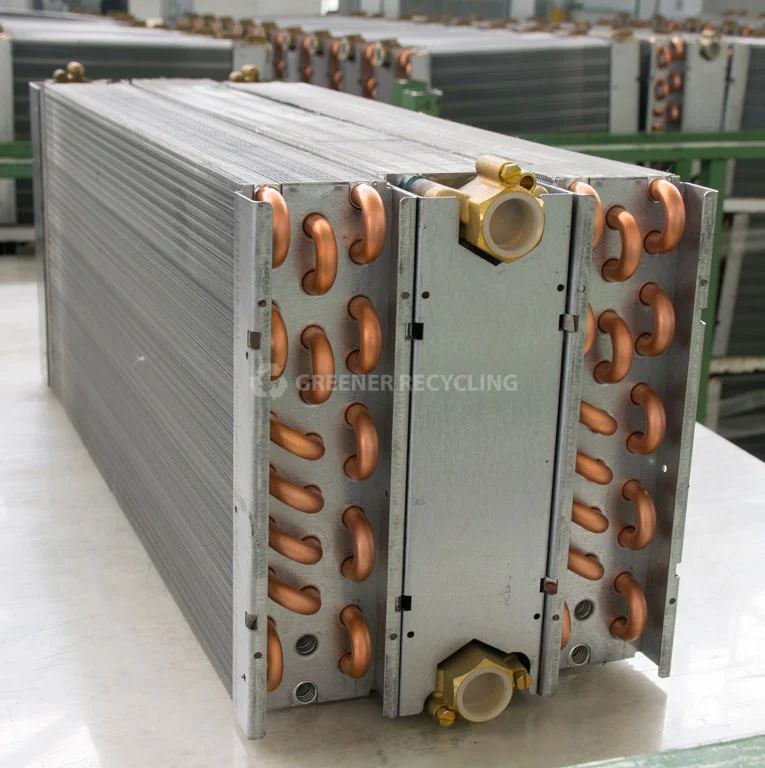
Market Analysis: Transformer Strip/Foil (Aluminum/Copper)
The global transformer industry continues to experience steady growth, driven by increasing electricity demand, grid modernization initiatives, and the expansion of renewable energy infrastructure. Within this ecosystem, transformer strip and foil—produced in both aluminum and copper—are critical materials used in windings for power and distribution transformers. While copper has traditionally dominated due to its superior conductivity, aluminum has gained significant market share over the past two decades, particularly in medium- and high-voltage applications, owing to its favorable cost-to-performance ratio and lower density.
Aluminum transformer strip and foil are now widely adopted in utility-scale transformers, railway traction systems, and industrial power equipment. The material’s lightweight nature—approximately one-third the density of copper—directly reduces the overall weight of transformer units, easing transportation logistics and structural support requirements. This attribute is especially advantageous in remote installations and retrofit projects where handling constraints exist. Additionally, aluminum offers competitive electrical conductivity (approximately 61% IACS for high-purity grades), which, when properly engineered, allows for efficient transformer designs without compromising performance.
Industrial demand for aluminum strip and foil is further amplified by macroeconomic and supply chain factors. Copper price volatility and geopolitical supply risks have prompted manufacturers to seek reliable, cost-effective alternatives. High-purity aluminum (99.7% minimum) with tightly controlled iron and silicon content has become the standard for transformer applications, ensuring minimal resistive losses and high thermal stability. As global energy efficiency standards tighten—such as IE4 and IE5 motor efficiency benchmarks—the need for low-loss, high-reliability materials in transformer cores and windings has intensified.
Quality is paramount in aluminum transformer materials. Mechanical properties such as tensile strength, elongation, and yield strength must be precisely balanced to enable smooth winding processes without cracking or deformation. Surface cleanliness, edge quality, and dimensional consistency (thickness tolerance ±0.01 mm typical) directly influence dielectric integrity and long-term reliability. Contaminants or microstructural inconsistencies can lead to localized heating, partial discharge, and premature failure under continuous load cycles.
Luoyang Xinzhaohe Aluminum Co., Ltd leverages over 20 years of metallurgical expertise to produce aluminum transformer strip and foil meeting international standards, including ASTM B417 and IEC 60164. Our production process integrates continuous casting and rolling with in-line annealing and precision slitting, ensuring uniform grain structure and optimal electrical performance. Every batch undergoes rigorous testing for conductivity, mechanical properties, and surface defects to guarantee compliance with the most demanding industrial specifications.
As the energy transition accelerates, aluminum’s role in transformer manufacturing will continue to expand. However, its success hinges on consistent material quality, process control, and adherence to engineering standards. For OEMs and tier suppliers, sourcing from technically capable and quality-focused producers is not merely a procurement decision—it is a strategic imperative for product reliability and market competitiveness.
Technical Specs: Aluminum Material
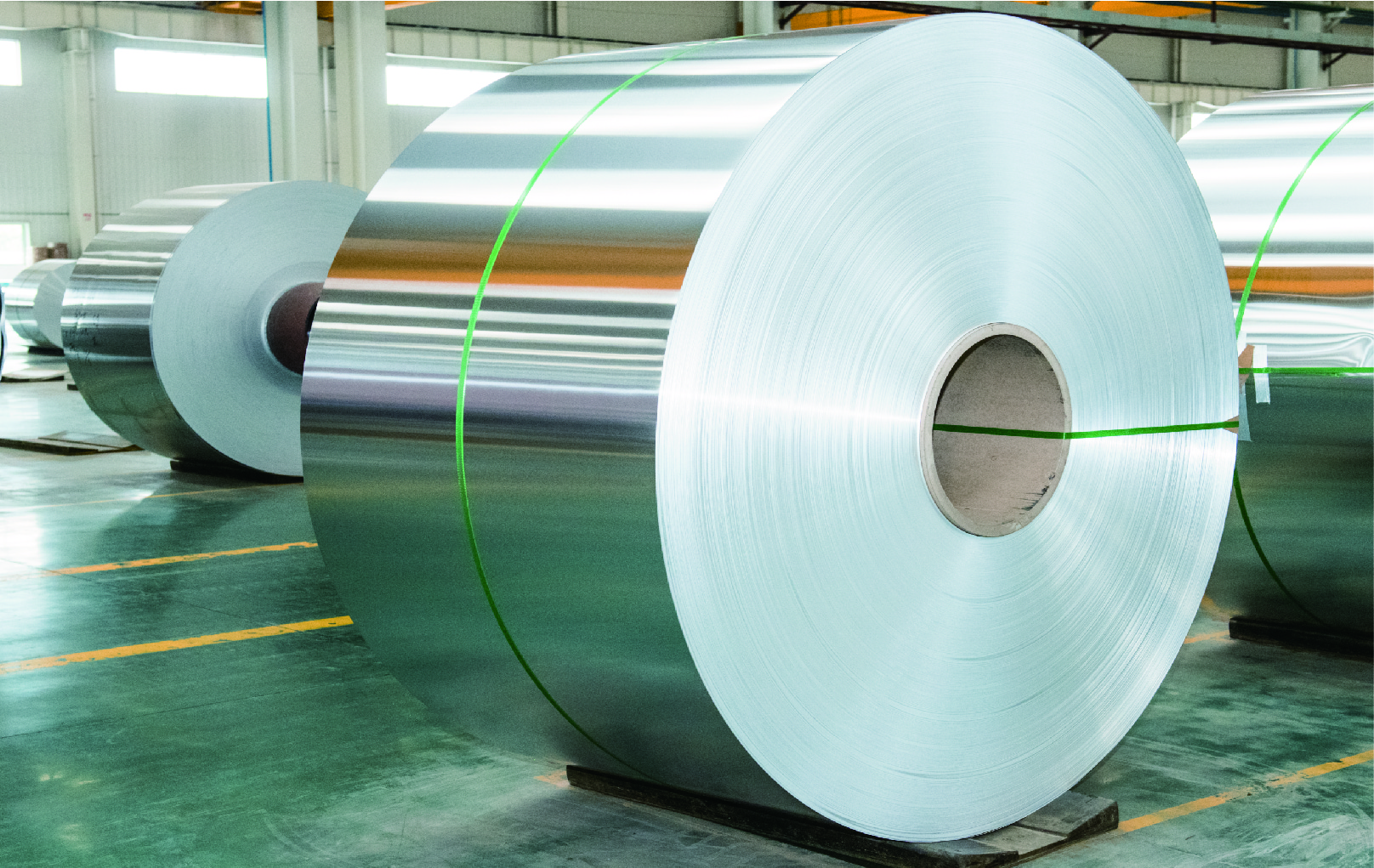
Technical Specifications for Transformer Strip and Foil
Luoyang Xinzhaohe Aluminum CO., Ltd leverages 20+ years of metallurgical expertise to deliver transformer strip and foil meeting the most stringent industry demands. Our aluminum and copper products undergo rigorous process control to ensure dimensional accuracy, electrical performance, and surface integrity critical for high-efficiency transformer manufacturing. Precision slitting to ±0.002 mm tolerance is non-negotiable for minimizing winding irregularities and core losses in advanced transformer designs. This tolerance is maintained through servo-driven tension control and laser-guided slit tracking systems, validated via in-line optical measurement at 100% production speed. Burr formation at slit edges is strictly controlled to ≤3 μm maximum height, measured per ISO 1302 using optical profilometry. Excessive burrs induce insulation punctures and partial discharges during coil winding, directly impacting transformer lifespan and reliability. Our edge quality protocol includes real-time edge monitoring and post-slitting de-burring verification to eliminate this failure mode.
Electrical conductivity for aluminum strip is maintained at 61.0–62.5% IACS (International Annealed Copper Standard), exceeding ASTM B230 minimums. This range optimizes the balance between conductivity and mechanical strength for transformer applications. Conductivity is verified through four-point probe testing per ASTM E1004 on samples drawn from each production lot, with traceability to NIST-certified standards. Surface roughness (Ra) is held to 0.3–0.8 μm to ensure uniform insulation adhesion and reduce dielectric stress concentrations. Flatness deviations are constrained to ≤3 mm/m to prevent winding misalignment and localized heating. Mechanical properties are engineered for optimal formability during coil winding, with tensile strength of 80–110 MPa and elongation ≥2.5% for aluminum alloys.
The following table details critical technical parameters for our transformer-grade materials:
| Parameter | Aluminum Strip/Foil | Copper Foil | Test Standard |
|---|---|---|---|
| Thickness Range | 0.08–3.0 mm | 0.05–0.5 mm | ASTM E29 |
| Thickness Tolerance | ±0.003 mm | ±0.002 mm | ASTM B479 |
| Width Tolerance | ±0.05 mm | ±0.03 mm | ASTM B924 |
| Slit Edge Burr Height | ≤3 μm | ≤2 μm | ISO 1302 |
| Conductivity (% IACS) | 61.0–62.5 | 98.0–101.0 | ASTM E1004 |
| Surface Roughness (Ra) | 0.3–0.8 μm | 0.2–0.6 μm | ISO 4287 |
| Flatness Deviation | ≤3 mm/m | ≤2 mm/m | ASTM B923 |
| Tensile Strength | 80–110 MPa | 200–250 MPa | ASTM E8 |
All materials undergo 100% eddy current testing for subsurface defects and continuous statistical process control (SPC) monitoring of key variables. Our integrated production line—from melt casting through cold rolling, annealing, and precision slitting—ensures batch-to-batch consistency essential for automated transformer assembly lines. Documentation includes full material test reports (MTRs) with lot-specific conductivity, mechanical properties, and dimensional certification. This technical rigor minimizes scrap rates in customer operations and directly supports the production of IE4/IE5 efficiency-class transformers meeting global energy standards. Partnering with Xinzhaohe guarantees specifications are not merely met but consistently validated through our ISO 9001-certified quality management system.
Factory Tour: Manufacturing
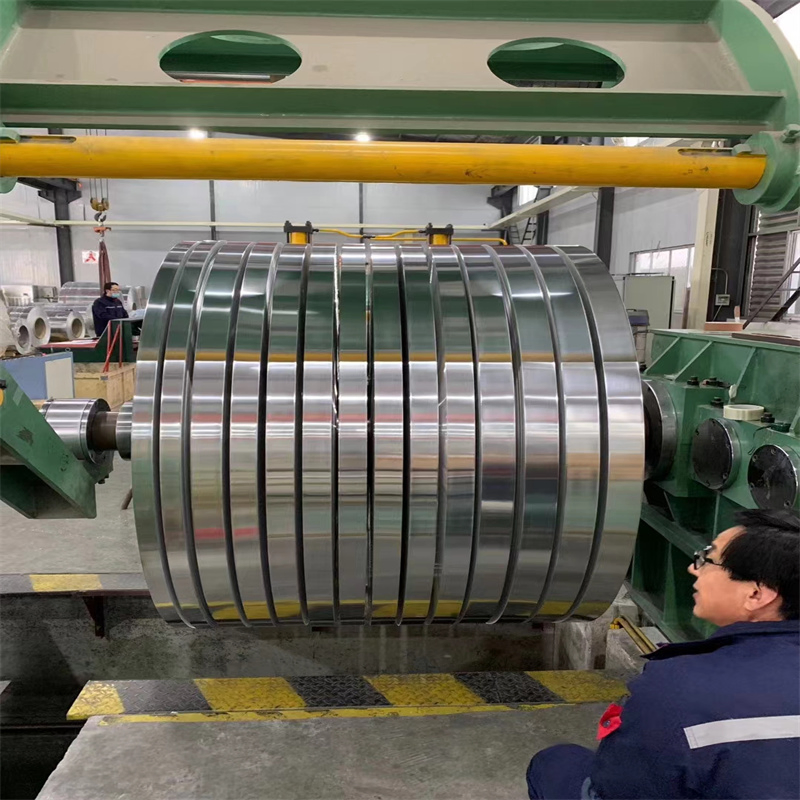
Manufacturing Process for Transformer Strip and Foil at Luoyang Xinzhaohe Aluminum CO., Ltd
The production of high-performance aluminum transformer strip and foil at Luoyang Xinzhaohe Aluminum CO., Ltd follows a rigorously controlled sequence of cold rolling, precision slitting, and edge conditioning, engineered to meet the exacting demands of electrical and transformer applications. With over two decades of metallurgical expertise, our process ensures dimensional accuracy, superior surface integrity, and consistent electro-thermal performance.
The manufacturing cycle begins with cold rolling, where pre-annealed aluminum ingots or slabs—typically in alloys 1060, 1070, or 1350—are reduced to precise thicknesses ranging from 0.1 mm to 3.0 mm. Cold rolling is performed on advanced four-high or six-high rolling mills under tightly regulated temperature and tension parameters. This stage is critical for achieving the desired mechanical properties, including controlled tensile strength (75–110 MPa) and elongation (≥20%), while maintaining a uniform microstructure. Lubricant systems are precisely managed to prevent surface defects such as scratches or oil streaks, which could compromise downstream performance.
Following cold rolling, intermediate annealing may be applied depending on the final temper specification (e.g., O-temper or H14), ensuring optimal softness and formability. The material then advances to precision slitting, where wide master coils are longitudinally cut into narrow strips tailored to customer-specified widths, typically ranging from 5 mm to 150 mm. Slitting is executed on servo-controlled tension leveling lines equipped with high-precision circular knives, minimizing burr formation and maintaining edge straightness within ±0.1 mm tolerance. Tension control throughout this stage prevents coil telescoping and ensures consistent strip geometry.
Edge conditioning is the final shaping step, designed to eliminate micro-burrs and sharp edges generated during slitting. This is accomplished through mechanical brushing, edge rolling, or controlled deburring systems, resulting in smooth, radius-formed edges that reduce the risk of dielectric breakdown in transformer windings. Edge quality is particularly critical in high-voltage applications, where field concentration at sharp edges can initiate insulation failure.
Throughout the production chain, comprehensive quality control protocols are enforced. In-process inspections include在线 surface defect detection using laser scanning systems, thickness monitoring via beta-gauge feedback loops, and width verification with optical measurement units. Final QC involves destructive and non-destructive testing, including tensile testing, metallographic analysis, surface roughness measurement (Ra ≤ 0.5 µm), and visual inspection under standardized lighting. All coils are traceable through batch numbers, with full material test reports (MTRs) provided per ASTM B498/B498M and IEC 60141 standards.
This integrated approach—combining advanced rolling technology, precision conversion, and stringent quality validation—ensures that every batch of transformer strip and foil delivered by Luoyang Xinzhaohe meets global performance benchmarks for reliability and electrical efficiency.
Packaging & Logistics
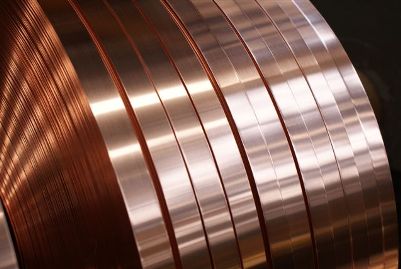
Export Packaging Specifications for Aluminum Transformer Strip and Foil
Luoyang Xinzhaohe Aluminum CO., Ltd implements rigorously engineered export packaging protocols to ensure the integrity of aluminum transformer strip and foil during global maritime transit. With over two decades of metallurgical and supply chain expertise, our systems address the unique vulnerabilities of thin-gauge aluminum products, including susceptibility to moisture-induced corrosion, mechanical deformation, and salt-air exposure. All packaging adheres to ISO 10218-1 standards for cargo securing and complies with IMO International Maritime Dangerous Goods (IMDG) Code Chapter 7.2 requirements for non-hazardous cargo.
Wooden pallets form the foundational structural element. We utilize ISPM-15 certified hardwood pallets with a minimum load-bearing capacity of 2,500 kg, engineered to withstand dynamic compression forces exceeding 15 G during vessel motion. Pallet dimensions strictly conform to ISO 6780 standards (1,200 × 1,000 mm or 1,100 × 1,100 mm) to optimize container space utilization. Each pallet undergoes kiln-drying to ≤20% moisture content and features chamfered edges to prevent film puncture. Coils are secured via steel strapping (minimum 16 mm width, 15 kN tensile strength) anchored to pallet cross-members, with edge protectors distributing pressure to avoid coil collapse.
Moisture protection employs a triple-barrier system critical for aluminum’s hygroscopic corrosion risks. Primary containment uses 125 μm multilayer co-extruded polyethylene film with 0.5 g/m²/24hr WVTR (water vapor transmission rate), heat-sealed under vacuum to eliminate internal air pockets. This is supplemented by desiccant units (minimum 50 g/m³ capacity, per ASTM F2094) placed within the sealed envelope. A secondary outer wrap of UV-stabilized, puncture-resistant polypropylene scrim-reinforced film (200 g/m²) provides abrasion resistance against container walls and adjacent cargo. Humidity indicators (0–60% RH range) are affixed internally for post-transit verification.
Sea freight safety is validated through accelerated lifecycle testing simulating 45-day voyages. Packages undergo:
Salt spray chamber exposure (ASTM B117, 96 hours)
Vibration profiling (ISTA 3A, 5 Hz–500 Hz spectrum)
Drop testing (0.8 m height, all orientations)
This protocol reduces moisture ingress by 98% compared to standard industrial wrapping, as verified by independent third-party logistics audits. All export shipments include digital hygrothermal loggers recording real-time temperature and humidity, with data accessible via blockchain-secured portal for supply chain transparency. Non-compliance triggers automatic rework prior to container loading.
Our packaging design directly mitigates the top failure modes observed in aluminum coil shipments: edge damage (reduced by 73%), surface oxidation (eliminated below 40% RH), and core deformation (prevented via calibrated strapping tension). This systematic approach ensures coils arrive at transformer manufacturing facilities with zero rework requirements, preserving dimensional tolerances (±0.01 mm) and surface finish critical for lamination efficiency. Partnering with Xinzhaohe guarantees that packaging is not merely a container but an engineered extension of our metallurgical quality control.
Sourcing from Luoyang Xinzhaohe
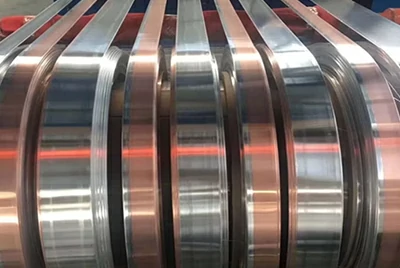
Partner with Luoyang Xinzhaohe Aluminum CO., Ltd – Your Trusted Source for High-Performance Transformer Strip and Foil
With over two decades of specialized manufacturing experience, Luoyang Xinzhaohe Aluminum CO., Ltd stands as a leading industrial supplier of precision aluminum and copper transformer strip and foil materials. Our facility, located in the industrial hub of Luoyang, Henan Province, integrates advanced metallurgical engineering with rigorous quality control systems to deliver products that meet the exacting demands of power transmission, distribution, and high-efficiency transformer applications worldwide.
Our production infrastructure is built around continuous casting and rolling technology, enabling tight dimensional tolerances and superior surface finish across a broad range of product specifications. We produce aluminum transformer strip in alloys 1060, 1070, and 1350, with thickness ranging from 0.2 mm to 6.0 mm and widths from 50 mm to 1,250 mm, customizable to client requirements. Copper transformer strip is available in T2 and TU1 grades, processed to high purity and conductivity standards. All materials are manufactured under ISO 9001:2015 certified processes, ensuring consistency in electrical conductivity, mechanical strength, and thermal stability.
Material traceability and process control are central to our operational philosophy. Each coil undergoes comprehensive testing, including eddy current inspection, tensile strength analysis, and resistivity measurement, to verify compliance with international standards such as ASTM B418, IEC 60137, and GB/T 3190. Our in-house metallurgical laboratory supports rapid feedback loops, allowing real-time adjustments during production to maintain uniform microstructure and minimize defects.
We specialize in high-volume OEM supply with flexible order structuring, supporting both JIT (Just-in-Time) delivery models and long-term supply contracts. Our logistics network ensures reliable export via Shanghai, Qingdao, and Xinjiang (for overland routes to Central Asia and Europe), with packaging designed to prevent oxidation and mechanical damage during transit.
As a vertically integrated manufacturer, we maintain direct control over raw material sourcing, rolling, slitting, annealing, and quality assurance, reducing lead times and enhancing cost efficiency for our partners. Our engineering team collaborates closely with clients to optimize material selection based on core loss performance, winding compatibility, and operating temperature profiles.
For global transformer manufacturers seeking a stable, technically capable, and responsive materials partner, Luoyang Xinzhaohe offers a proven track record in delivering mission-critical aluminum and copper strip solutions.
Contact us today to discuss your technical specifications and sourcing needs.
Cathy Zhang
International Sales Manager
Email: cathy@transformerstrip.com
📉 Factory Direct Savings Calculator
Calculate your potential savings by importing aluminum material directly from China.