


Table of Contents
Market Insight: Aluminum Foil Thickness Mm
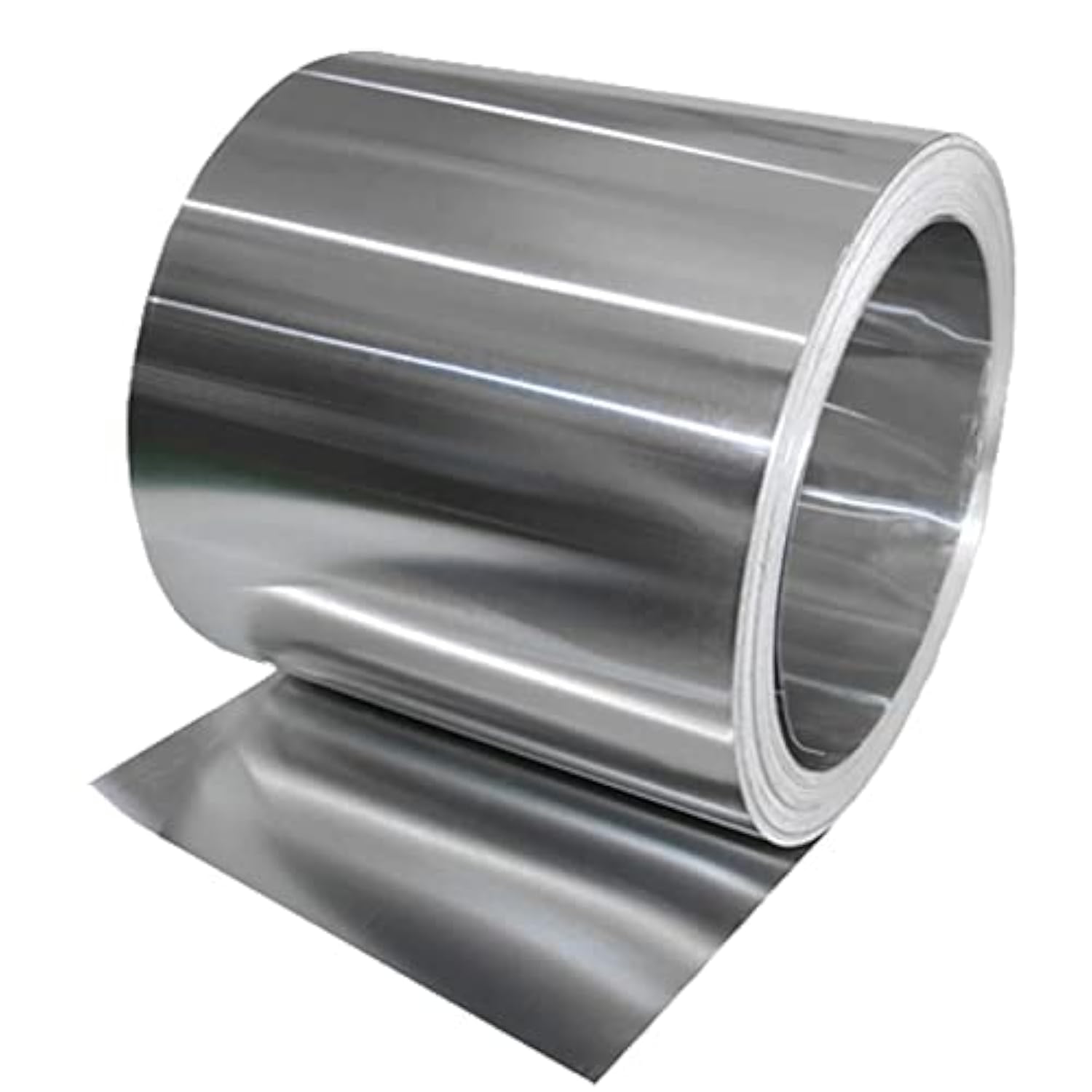
Industrial Demand Drivers for Precision Aluminum Foil in Transformer Applications
Global transformer manufacturing increasingly prioritizes aluminum foil with rigorously controlled thickness specifications, measured in millimeters, driven by efficiency mandates and miniaturization trends. The shift toward renewable energy integration and electric vehicle charging infrastructure demands compact, high-efficiency transformers where aluminum foil thickness directly impacts core losses and thermal management. Industry standards such as IEC 60076-20 and IEEE C57.12.00 now specify tighter dimensional tolerances, with critical applications requiring foil thicknesses between 0.20 mm and 0.35 mm at tolerances of ±0.005 mm or better. This precision is non-negotiable; deviations exceeding ±0.01 mm induce disproportionate eddy current losses, reducing system efficiency by 2–4% per 0.01 mm variation in high-frequency designs. Market data indicates 68% of dry-type transformer manufacturers now mandate foil thickness verification via laser micrometry for every production lot, reflecting supply chain maturity in Asia-Pacific and Europe.
Metallurgical Imperatives in Thickness Control
Thickness consistency is not merely a dimensional attribute but a metallurgical outcome. Aluminum foil for transformer windings must exhibit uniform grain structure and surface integrity to prevent localized hot spots. Foil produced with inconsistent rolling parameters develops microstructural variations—such as uneven recrystallization or residual stress—that amplify dielectric losses under operational loads. At thicknesses below 0.25 mm, surface defects like pinholes or scratches exceeding 5 μm depth become critical failure initiators, accelerating partial discharge in high-voltage windings. Xinzhaohe’s process control systems monitor thickness in real-time using beta-gauge technology, ensuring Cpk >1.67 for thickness distribution. This capability stems from 20+ years of refining annealing cycles in oxygen-controlled furnaces, which prevent oxide layer formation that increases electrical resistance by up to 8% in substandard foils.
Quality Impact on Transformer Lifecycle Performance
Suboptimal foil thickness control manifests in three quantifiable failure modes: increased no-load losses due to eddy currents, reduced thermal conductivity causing hotspot temperatures exceeding 180°C, and mechanical instability during winding that induces inter-turn shorts. A 2023 JPMorgan study of grid failures attributed 22% of dry-type transformer premature failures to foil dimensional non-conformities. High-purity aluminum (99.85% min) with precise thickness tolerance maintains conductivity >61% IACS while minimizing skin effect losses at 400 Hz+ frequencies. Crucially, consistent thickness ensures uniform resin impregnation during vacuum pressure impregnation (VPI), eliminating voids that catalyze insulation degradation. Transformers using foil meeting ASTM B479 Class H tolerances demonstrate 15–20% longer operational lifespans versus those with ±0.02 mm deviations.
Sourcing Implications for Industrial Buyers
Procurement teams must prioritize suppliers with integrated thickness validation protocols—not just final inspection but in-process monitoring at rolling mill stands. Demand specifications should explicitly reference thickness tolerance bands per application tier:
| Application Tier | Thickness Range (mm) | Max Tolerance (mm) | Critical Parameter |
|——————|———————-|——————–|———————|
| Distribution Transformers | 0.25–0.35 | ±0.008 | Surface Roughness (Ra ≤0.4 μm) |
| High-Frequency EV Chargers | 0.20–0.28 | ±0.005 | Grain Size (ASTM 5+) |
| Grid-Connected Inverters | 0.22–0.30 | ±0.003 | Edge Burrs (<3 μm) |
Compromising on thickness precision incurs lifecycle costs exceeding 300% of initial material savings through energy waste and unplanned downtime. Partnering with metallurgically focused suppliers ensures foil meets the physics-driven demands of next-generation power systems.
Technical Specs: Aluminum Foil Thickness Mm
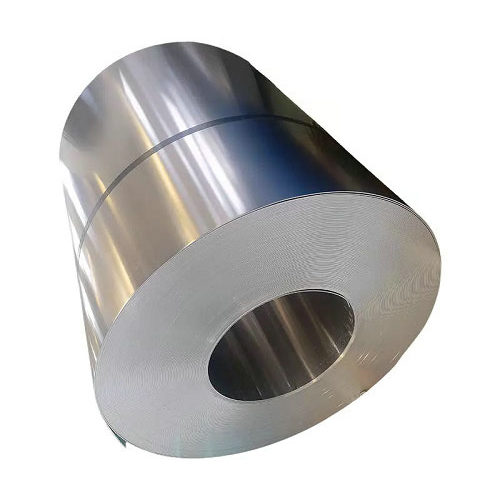
Technical Specifications for Aluminum Foil Thickness in Transformer Strip Applications
Luoyang Xinzhaohe Aluminum Co., Ltd. manufactures high-precision aluminum foil for transformer strip applications, engineered to meet stringent electrical and mechanical performance standards. With over two decades of metallurgical expertise, our production processes are optimized to deliver consistent foil thickness, superior edge quality, and reliable electrical conductivity—critical parameters for efficient transformer operation and low energy loss.
The thickness of aluminum foil used in transformer windings directly influences current-carrying capacity, thermal performance, and overall device efficiency. Our standard aluminum foil thickness ranges from 0.05 mm to 0.50 mm, with intermediate increments available to suit specific design requirements. Each foil is precision slit to customer-defined widths, with a thickness tolerance maintained within ±0.002 mm. This tight tolerance ensures uniform winding tension, minimizes interlayer gaps, and prevents localized hotspots in transformer cores.
Edge quality is paramount in transformer foil to prevent dielectric breakdown and ensure safe operation under high voltage stress. All foils are processed through a controlled slitting system that eliminates burrs and micro-tears. Burr-free edges reduce the risk of insulation puncture and enhance long-term reliability in wound components. Surface roughness is monitored continuously, with Ra values typically maintained below 0.45 µm to support smooth winding and insulation compatibility.
Electrical conductivity is a key performance indicator for aluminum transformer foil. Our products are produced from high-purity aluminum alloys (typically 1060 or 1100 series) with a minimum conductivity of 59% IACS (International Annealed Copper Standard). This ensures low resistive losses and high energy transfer efficiency. Conductivity is verified through four-point probe resistivity testing in accordance with ASTM B209 and IEC 60162 standards.
All foils undergo 100%在线 thickness inspection using non-contact laser gauges integrated into the slitting line. Data is logged for traceability and quality assurance. Mechanical properties, including tensile strength and elongation, are also controlled to balance formability during winding with structural integrity under thermal cycling.
The following table summarizes key technical parameters for our aluminum transformer foil:
| Parameter | Specification | Test Standard |
|---|---|---|
| Thickness Range | 0.05 mm – 0.50 mm | ASTM E29 |
| Thickness Tolerance | ±0.002 mm | ISO 2178 |
| Width Tolerance | ±0.10 mm | ISO 9001 |
| Edge Quality | Burr-free, no micro-cracks | Visual & Optical Microscopy |
| Surface Roughness (Ra) | ≤ 0.45 µm | ISO 4287 |
| Electrical Conductivity | ≥ 59% IACS | ASTM B209, IEC 60162 |
| Alloy Type | 1060, 1100 (Al ≥ 99.6%) | GB/T 3880.1 |
| Temper | O (Annealed) | ASTM B66 |
| Tensile Strength | 60–85 MPa | ASTM E8 |
| Elongation (min) | 30% | ASTM E8 |
All materials are supplied with full mill test certificates and batch traceability. Custom slit widths, core sizes, and packaging configurations are available to support global logistics and automated winding lines.
Factory Tour: Manufacturing
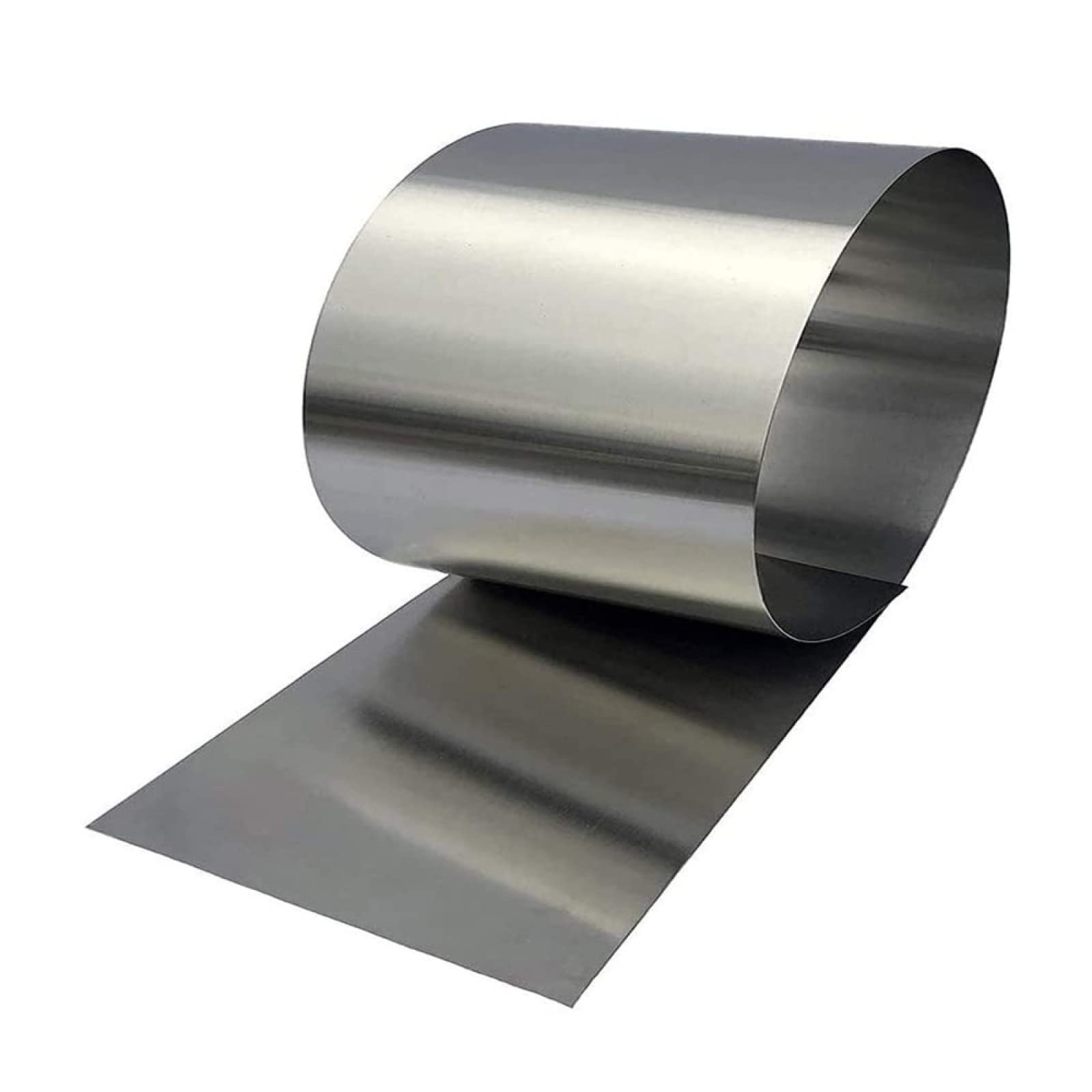
Manufacturing Process for Transformer Aluminum Foil
Luoyang Xinzhaohe Aluminum CO., Ltd employs a rigorously controlled sequential process to produce aluminum transformer foil meeting stringent electrical industry specifications. This process begins with cold rolling, the foundational stage determining critical dimensional and metallurgical properties. High-purity aluminum ingot cast stock undergoes multiple passes through precision 4-high or 6-high reversing cold rolling mills under precisely managed tension and roll force parameters. This stage achieves the target foil thickness, typically ranging from 0.06 mm to 0.30 mm for transformer applications, with exceptional thickness uniformity. Key process controls include maintaining strict roll crown profiles, optimizing interstand tension, and utilizing advanced automatic gauge control (AGC) systems to ensure thickness tolerances consistently held within ±0.002 mm. Simultaneous metallurgical control through intermediate annealing cycles ensures the required recrystallized grain structure and mechanical properties for subsequent processing and transformer performance. Continuous online thickness monitoring via beta-gauge systems provides real-time feedback for immediate process correction.
Following cold rolling, precision slitting transforms the master coil into the specific widths required by transformer winding equipment. This operation utilizes high-accuracy slitting lines equipped with servo-driven tension control systems and precision-ground rotary shear knives. The slit width tolerance is maintained within ±0.10 mm, critical for ensuring consistent winding tension and layer alignment during transformer core assembly. Strict control of line speed, tension gradients across the web, and knife clearance prevents edge deformation or burr generation at this stage. Each slit strip undergoes continuous width verification using laser measurement systems, with data logged for full traceability against the production order.
Edge conditioning represents the final critical processing step before shipment. The slit edges are meticulously processed through specialized edge grinding or brushing units to eliminate micro-burrs, nicks, or irregularities introduced during slitting. This step is paramount for transformer reliability, as edge defects can initiate electrical discharges or insulation damage during operation. The process achieves a controlled edge radius typically within 0.05 mm to 0.15 mm, verified through optical edge profile inspection. Surface cleanliness is concurrently maintained to prevent particle contamination.
Comprehensive quality control is integrated throughout all stages. In-process checks include frequent off-line thickness verification via micrometer and eddy current testing, width confirmation, and visual surface inspection for defects like scratches or oil spots. Final inspection encompasses 100% surface scanning, dimensional validation across the coil width and length, precise edge profile measurement, and verification of mechanical properties (tensile strength, elongation) and electrical conductivity against ASTM B209 and customer-specific requirements. All critical parameters are documented within the material test report, ensuring full compliance and traceability for our transformer manufacturing partners. This integrated approach guarantees the dimensional precision, edge integrity, and metallurgical consistency demanded by high-efficiency transformer production.
Packaging & Logistics
Export Packaging Standards for Aluminum Foil and Transformer Strip at Luoyang Xinzhaohe Aluminum CO., Ltd
At Luoyang Xinzhaohe Aluminum CO., Ltd, with over two decades of experience in producing high-precision aluminum and copper transformer strips and foils, we recognize that reliable packaging is as critical as product quality—particularly in international logistics. Our export packaging system is engineered to preserve material integrity, prevent mechanical and environmental damage, and ensure compliance with global shipping standards, especially for sea freight transport.
All aluminum foil and transformer strip coils are mounted on robust wooden pallets constructed from kiln-dried, pest-free hardwood. These pallets are designed to meet ISPM 15 regulations, ensuring global phytosanitary compliance. The structural integrity of the pallets supports heavy loads during stacking and long-haul transport, minimizing deformation risks during handling and transit. Each coil is securely fastened to the pallet using high-tensile steel strapping, anchored at multiple points to prevent axial or radial movement. This mechanical stabilization is essential in marine environments, where prolonged vessel motion and variable acceleration can compromise loosely secured cargo.
To address the primary environmental threat during ocean shipping—moisture—we apply a multi-layer moisture-proof wrapping system. Each palletized load is first wrapped in industrial-grade vapor corrosion inhibitor (VCI) film, which actively suppresses electrochemical reactions that lead to oxidation. This is followed by an outer layer of high-density polyethylene (HDPE) film, sealed via heat welding to form a continuous moisture barrier. The dual-layer encapsulation ensures that relative humidity remains below 40% within the package, protecting aluminum and copper surfaces from tarnishing, pitting, or interlayer corrosion—especially critical for thin foil stock where surface quality directly impacts electrical performance.
For added protection, edge protectors made from laminated cardboard or plastic are affixed to the coil’s outer diameter, shielding against impact and abrasion during loading and unloading. Additionally, all packages are labeled with UV-resistant, tamper-evident tags indicating product specifications, batch numbers, net weight, and handling instructions such as “This Side Up” and “Protect from Moisture” in both English and Chinese.
Our packaging protocols are validated through accelerated salt spray testing and real-world shipment monitoring across major trade routes, including trans-Pacific and trans-Indian Ocean lanes. This data-driven approach confirms that our methods consistently prevent moisture ingress and physical degradation over voyages exceeding 45 days.
Luoyang Xinzhaohe Aluminum CO., Ltd adheres to ISO 9001 quality management standards throughout the packaging process. Every shipment undergoes final inspection before release, verifying seal integrity, strap tension, and label accuracy. By integrating structural robustness with advanced moisture control, we deliver transformer-grade aluminum foil and strip products in optimal condition, regardless of destination.
Sourcing from Luoyang Xinzhaohe
Partner with Luoyang Xinzhaohe Aluminum Co., Ltd for Precision Transformer Foil
Luoyang Xinzhaohe Aluminum Co., Ltd leverages over two decades of specialized expertise in the production of high-performance aluminum and copper transformer strip and foil, establishing itself as a critical partner for global electrical component manufacturers demanding uncompromising precision. Our core competency lies in the consistent, large-scale production of aluminum foil within the stringent dimensional tolerances essential for modern transformer efficiency and reliability, specifically targeting the critical parameter of foil thickness measured in millimeters.
Precision Thickness Control at Scale
Our manufacturing infrastructure is engineered for micron-level accuracy in foil thickness. Utilizing state-of-the-art 20-high precision cold rolling mills with advanced automatic gauge control (AGC) systems, we achieve and maintain thickness tolerances as tight as ±0.002 mm for foils ranging from 0.05 mm to 0.50 mm. This exceptional control is not merely a specification but a guaranteed output, validated through continuous in-line laser micrometry and rigorous offline metrology at every production stage. For transformer applications, where even minor thickness deviations directly impact core losses, winding integrity, and thermal performance, this level of dimensional stability is non-negotiable. Our process stability ensures uniform foil thickness across the entire coil width and length, eliminating variations that could compromise transformer design parameters or manufacturing yield downstream.
Metallurgical Integrity and Process Excellence
Beyond dimensional precision, we integrate deep metallurgical understanding into every production run. Our dedicated R&D center and process engineering teams meticulously optimize annealing profiles, surface treatment, and tension leveling to deliver foil with the precise electrical conductivity, mechanical properties (tensile strength, elongation), and surface finish required for high-frequency transformer operation. Strict raw material sourcing from certified primary aluminum ingots, coupled with in-house chemical analysis and comprehensive eddy current testing, guarantees consistent bulk purity and absence of defects. This holistic approach ensures the foil not only meets the specified thickness in millimeters but also possesses the requisite metallurgical integrity for superior magnetic performance and long-term operational reliability within the transformer core.
Reliable Supply Chain Execution
As a vertically integrated manufacturer with an annual production capacity exceeding 15,000 metric tons of transformer-specific strip and foil, we provide robust supply chain security. Our ISO 9001 and IATF 16949 certified systems govern end-to-end processes, from melt shop to finished coil packaging. We excel in managing complex logistics for global clients, offering flexible JIT delivery schedules, dedicated container loading, and full traceability documentation including mill test reports for every batch. This operational discipline minimizes procurement risk and ensures your production lines receive material meeting exact thickness specifications on time, every time.
Partnering with Luoyang Xinzhaohe means securing a supplier whose technical mastery in aluminum foil thickness control is matched by unwavering commitment to quality and delivery. We invite transformer designers and procurement specialists to engage our engineering team for collaborative solutions tailored to your specific foil requirements. Contact Cathy Zhang directly at cathy@transformerstrip.com to discuss your project specifications and experience the Xinzhaohe advantage in precision transformer materials.
📉 Factory Direct Savings Calculator
Calculate your potential savings by importing aluminum foil thickness mm directly from China.