


Table of Contents
Market Insight: Aluminium Foil China
Market Analysis: Transformer Strip/Foil (Aluminum/Copper)
The global demand for transformer strip and foil—both aluminum and copper—has seen sustained growth, driven by expanding power infrastructure, renewable energy integration, and industrial electrification. In particular, aluminum foil from China has become a critical component in the manufacturing of dry-type and distribution transformers, where cost-efficiency, weight reduction, and performance are key design considerations. As a leading supplier with over 20 years of metallurgical and production expertise, Luoyang Xinzhaohe Aluminum Co., Ltd. operates at the forefront of this industrial evolution, delivering high-purity aluminum transformer foil that meets stringent international standards.
Aluminum foil is increasingly favored in transformer windings due to its favorable conductivity-to-weight ratio, corrosion resistance, and lower material cost compared to copper. In China, the production of aluminum transformer foil has matured significantly, with manufacturers adopting advanced rolling, annealing, and slitting technologies to ensure dimensional accuracy and metallurgical consistency. The typical thickness range for aluminum transformer foil spans from 0.08 mm to 0.50 mm, with tight tolerances on thickness deviation (±3% or better) and precise edge straightness to prevent winding defects during coil fabrication.
Industrial demand is particularly strong in emerging markets and regions undergoing grid modernization, where aluminum-based transformers offer an economical solution without compromising reliability. Additionally, the rise of solar and wind power installations has increased the need for pad-mounted and pole-mounted transformers, many of which utilize aluminum strip and foil due to logistical and installation advantages. China’s robust supply chain and economies of scale have positioned domestic producers as key global suppliers, with export volumes rising steadily across Southeast Asia, the Middle East, Africa, and South America.
However, the performance of a transformer is directly influenced by the quality of its conductive materials. Substandard aluminum foil—characterized by impurities, uneven thickness, poor surface finish, or inadequate temper—can lead to hotspots, increased eddy current losses, and premature insulation breakdown. These defects compromise efficiency and reduce transformer lifespan, resulting in higher total cost of ownership. At Luoyang Xinzhaohe Aluminum, quality assurance begins with high-purity aluminum ingots (99.70% minimum Al content) and extends through controlled homogenization, precision cold rolling, and full-process inspection using eddy current testing, tensile testing, and surface profilometry.
The mechanical and electrical properties of the foil must also align with international specifications such as IEC 60464, GB/T 3198, and ASTM B470. Key parameters include tensile strength (100–130 MPa), elongation (≥2%), and electrical conductivity (≥59% IACS). Consistent temper (typically H18 or O temper) ensures proper formability during winding while maintaining structural integrity under thermal cycling.
In conclusion, while China remains a dominant force in the supply of aluminum transformer foil, the differentiation lies in material consistency, process control, and adherence to technical standards. For OEMs and transformer manufacturers, selecting a qualified supplier with proven metallurgical competence is essential to achieving optimal performance, regulatory compliance, and long-term reliability in power systems.
Technical Specs: Aluminium Foil China
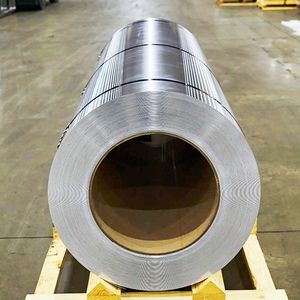
Technical Specifications for Precision Transformer Aluminum Foil
Luoyang Xinzhaohe Aluminum Co., Ltd leverages two decades of specialized metallurgical expertise to deliver transformer-grade aluminum foil meeting the most stringent global electrical engineering standards. Our production process integrates advanced cold rolling, annealing, and precision slitting technologies to ensure absolute consistency in critical parameters essential for high-efficiency transformer windings. The following specifications define our baseline for aluminum foil supplied to the transformer industry, with all tolerances validated through in-line metrology and third-party certification per ASTM B479 and IEC 60168.
Precision slitting accuracy is non-negotiable in transformer applications, where dimensional deviations directly impact insulation integrity and thermal management. Our dedicated tension-controlled slitting lines achieve a width tolerance of ±0.002 mm across the full coil length. This precision prevents edge misalignment during winding, eliminating air gaps that compromise dielectric performance and increase eddy current losses. Achieving this requires real-time laser micrometer feedback and servo-driven blade positioning calibrated to sub-micron resolution.
Burr-free edges are equally critical, as micro-burrs initiate partial discharges under high-voltage stress, accelerating insulation degradation. We enforce a maximum edge burr height of ≤ 2 µm measured via optical profilometry per ASTM E3030. This is attained through proprietary blade geometry, optimized shear clearance, and in-process edge inspection using high-magnification vision systems. Any coil failing edge quality criteria undergoes automatic rejection, ensuring zero-defect delivery.
Electrical conductivity directly influences transformer efficiency and heat generation. Our aluminum foil (Al 1050/1060/1070 alloys) consistently achieves 61.0–62.0% IACS (International Annealed Copper Standard), verified per ASTM B193. This exceeds the IEC 60168 minimum of 58% IACS, reducing resistive losses by up to 4% compared to lower-conductivity alternatives. Conductivity is stabilized through controlled annealing in oxygen-free furnaces, with strict control of iron and silicon impurities (<0.35% total) to minimize electron scattering.
The table below summarizes key technical parameters for our standard transformer aluminum foil:
| Parameter | Specification | Test Standard |
|---|---|---|
| Thickness Range | 0.08–0.50 mm | ASTM E29 |
| Thickness Tolerance | ±0.003 mm (for 0.10 mm nominal) | ASTM E29 |
| Width Tolerance | ±0.002 mm | ISO 2178 |
| Edge Burr Height | ≤ 2 µm | ASTM E3030 |
| Conductivity | 61.0–62.0% IACS | ASTM B193 |
| Surface Roughness (Ra) | ≤ 0.35 µm | ISO 4287 |
| Tensile Strength | 60–80 MPa | ASTM E8 |
| Elongation | ≥ 25% | ASTM E8 |
| Coil ID | 305 mm / 508 mm | Customer-defined |
| Max. Coil Weight | 3,500 kg | – |
Surface finish is maintained at Ra ≤ 0.35 µm to prevent insulation puncture during winding, while mechanical properties (tensile strength 60–80 MPa, elongation ≥25%) ensure handling robustness without compromising formability. All coils undergo 100% edge inspection and batch conductivity validation, with full traceability from ingot to shipment. This granular control over metallurgical and dimensional properties ensures our aluminum foil minimizes transformer no-load losses, extends operational lifespan, and meets the evolving efficiency demands of modern power grids. Partnering with Xinzhaohe guarantees adherence to these specifications through integrated process engineering and uncompromised quality governance.
Factory Tour: Manufacturing
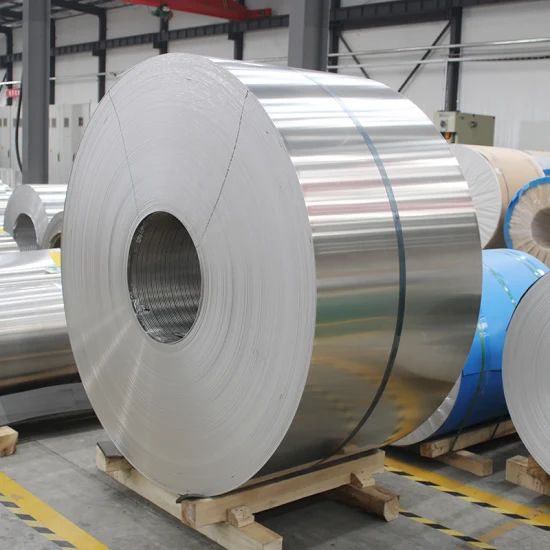
Manufacturing Process of Transformer Strip/Foil at Luoyang Xinzhaohe Aluminum CO., Ltd
The production of high-performance aluminum and copper transformer strip/foil at Luoyang Xinzhaohe Aluminum CO., Ltd follows a rigorously controlled sequence of cold rolling, precision slitting, and edge conditioning, ensuring optimal electrical conductivity, mechanical consistency, and dimensional accuracy required for transformer winding applications. With over two decades of metallurgical expertise, our process is engineered to meet the stringent demands of power and distribution transformer manufacturers globally.
The manufacturing cycle begins with cold rolling, where high-purity aluminum or copper ingots are first cast and homogenized, then hot rolled to intermediate gauges. These intermediate strips are subsequently fed into precision cold rolling mills under computer-controlled tension and roll gap settings. Cold rolling reduces the material to the final required thickness, typically ranging from 0.08 mm to 0.40 mm for aluminum and 0.10 mm to 0.50 mm for copper, depending on application specifications. This stage is critical for achieving uniform thickness tolerance (±2% or tighter), enhanced surface finish, and improved mechanical properties such as tensile strength and elongation. The rolling environment is maintained under strict temperature and lubrication protocols to prevent surface defects and ensure microstructural homogeneity.
Following cold rolling, the master coils undergo precision slitting on advanced tension leveling slitting lines. These lines are equipped with servo-driven rotary knives and automatic width adjustment systems, enabling slit widths from 10 mm to 800 mm with a width tolerance as tight as ±0.1 mm. The slitting process ensures clean, burr-free edges and consistent strip geometry, essential for high-speed winding operations in transformer core manufacturing. Each slit coil is wound under controlled tension to prevent telescoping, edge wave, or center buckling, preserving dimensional stability during downstream handling.
Edge conditioning is the final critical step in the process. All slit edges are passed through a proprietary edge rounding and deburring system that removes micro-burrs and sharp asperities formed during slitting. This conditioning enhances safety during handling, reduces the risk of insulation damage during winding, and improves interlayer dielectric performance in the finished transformer. Edge profile is routinely verified using optical edge inspection systems to ensure compliance with IEC and GB standards.
Throughout the production chain, comprehensive quality control measures are implemented. In-process inspections include continuous thickness monitoring via laser gauges, surface defect detection using high-resolution line-scan cameras, and mechanical property verification through tensile and hardness testing. Final inspection includes coil-to-coil electrical conductivity testing (minimum 58.0 MS/m for aluminum, 57.0 MS/m for copper), visual surface grading, and dimensional audit. All test data is documented and traceable by batch number, supporting full supply chain transparency.
This integrated manufacturing approach, backed by 20+ years of process refinement, ensures that every transformer strip/foil product from Luoyang Xinzhaohe meets the highest technical standards for reliability, performance, and consistency in global power infrastructure applications.
Packaging & Logistics
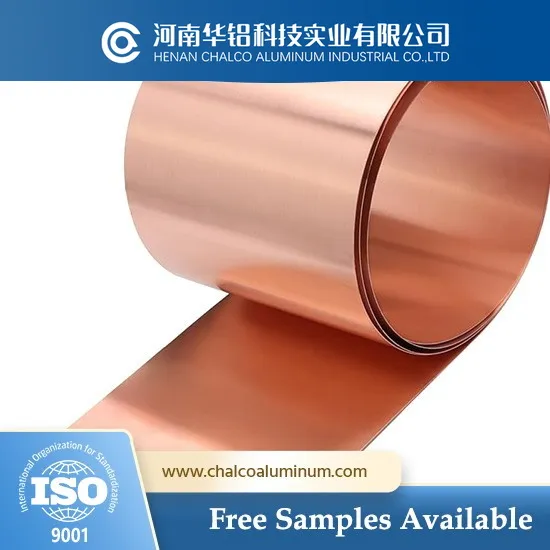
Export Packaging Specifications for Transformer Foil Shipments
Luoyang Xinzhaohe Aluminum CO., Ltd implements rigorously engineered export packaging protocols specifically designed for aluminum and copper transformer strip/foil to ensure integrity during global maritime transit. Our 20+ years of metallurgical and supply chain expertise informs a system that mitigates moisture ingress, mechanical stress, and contamination risks inherent in sea freight. This methodology directly addresses the hygroscopic nature of thin-gauge transformer foils, where even minimal moisture exposure can trigger surface oxidation or electrochemical corrosion, compromising core lamination performance and dielectric properties.
All shipments utilize custom-engineered wooden pallets constructed from ISPM-15 compliant, kiln-dried hardwood. These pallets feature reinforced stringers and deck boards rated for 2,500 kg static load capacity, exceeding standard ISO container stacking requirements. Precise dimensional control ensures optimal container cube utilization while preventing coil deformation during handling. Critical structural joints incorporate stainless steel fasteners to eliminate galvanic corrosion risks against aluminum coils.
The primary moisture barrier consists of a triple-layer vapor barrier film system. An inner layer of 200μm virgin low-density polyethylene (LDPE) film directly contacts the coil surface, providing chemical inertness and puncture resistance. This is sealed under vacuum to expel ambient air, followed by an intermediate high-barrier aluminum foil layer (9μm thickness) acting as an absolute moisture and oxygen diffusion barrier. The outer layer employs 150μm UV-stabilized LDPE for abrasion resistance during transit. All film seams undergo high-frequency welding with 15mm overlap, validated via vacuum decay testing to achieve ≤0.1% moisture vapor transmission rate (MVTR) per ASTM F1249.
Coils are secured to pallets using tension-controlled steel strapping (Grade 301, 19mm width) with corrosion-inhibited seals, preventing axial movement during vessel motion. Edge protectors fabricated from 3mm galvanized steel shield coil edges from impact damage during crane operations. Desiccant packs (silica gel, 33% RH capacity) are strategically placed within the sealed envelope at a ratio of 500g per m³ of void space, monitored via humidity indicator cards.
Sea freight safety is further enhanced through mandatory pre-shipment climate conditioning. Coils are stored in climate-controlled warehouses at 22±2°C and 40±5% RH for 72 hours prior to packaging, eliminating residual moisture from production. Container loading occurs within enclosed docks to prevent rain exposure, with temperature and humidity data loggers installed per shipment to provide auditable transit records. This integrated approach consistently achieves ≤0.5% corrosion incidence in transoceanic shipments, validated by third-party inspection reports upon discharge.
Pallet Configuration Standards
| Parameter | Specification | Compliance Standard |
|——————–|———————————–|———————|
| Pallet Dimensions | 1,200 x 1,000 x 180 mm (LxWxH) | ISO 10196-1 |
| Max. Coil OD | 1,100 mm | Customer Drawing |
| Film Thickness | 500μm total (200/9/150μm layers) | ASTM D2103 |
| Desiccant Density | 500g/m³ void space | MIL-D-3464E |
This packaging system is non-negotiable for transformer foil applications, where surface purity directly impacts core loss (W/kg) and magnetic flux density (B₈). We enforce strict adherence to IEC 60404-9 handling protocols, ensuring corrosion-free delivery critical for high-efficiency transformer manufacturing.
Sourcing from Luoyang Xinzhaohe
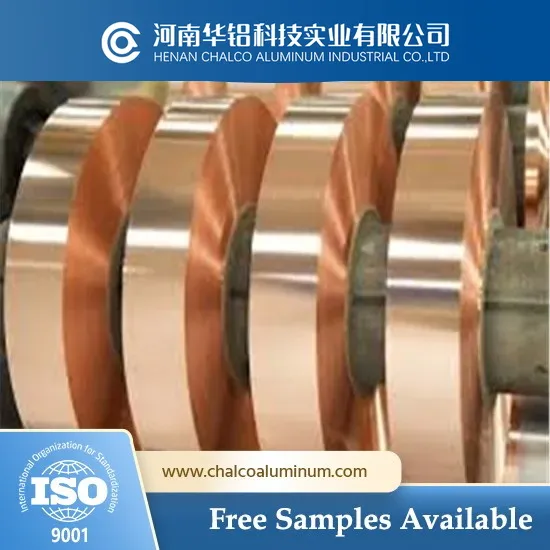
Partner with Luoyang Xinzhaohe Aluminum CO., Ltd – Your Trusted Source for High-Performance Transformer Strip and Foil
With over two decades of specialized manufacturing experience, Luoyang Xinzhaohe Aluminum CO., Ltd stands as a leading industrial supplier of precision aluminum and copper transformer strip and foil in China. Our facility integrates advanced metallurgical processes with rigorous quality assurance systems to deliver materials that meet the exacting demands of power transformer, inductor, and high-frequency electronic component manufacturers globally.
Our production infrastructure is engineered for consistency and scalability. We operate fully automated cold rolling lines equipped with precision thickness control systems (AGC) and tension leveling technology, ensuring dimensional tolerances within ±0.005 mm. This level of accuracy is critical for minimizing eddy current losses and ensuring uniform winding performance in transformer cores. Our annealing furnaces utilize controlled atmosphere processing to achieve consistent metallurgical softening, resulting in low residual stress and superior formability—key attributes for high-yield coil winding operations.
We specialize in non-grain-oriented (NGO) and grain-oriented (GO) aluminum transformer strip, ranging from 10 to 500 mm in width and 0.1 to 3.0 mm in thickness. Our copper foil and strip products are supplied in ETP (C11000) and OFHC (C10100) grades, meeting ASTM B187 and IEC 60464 standards. All materials undergo 100% eddy current testing and surface defect scanning to eliminate flaws that could compromise dielectric integrity in final assemblies.
Material traceability is maintained through our integrated ERP system, with full lot tracking from ingot casting to finished coil. Each shipment is accompanied by certified test reports detailing mechanical properties (tensile strength, elongation), electrical conductivity (minimum 58 MS/m for Cu, 35 MS/m for Al), and surface roughness (Ra ≤ 0.8 µm). Our R&D team collaborates with clients to optimize alloy composition and temper for specific magnetic and thermal performance targets.
Certified under ISO 9001:2015 and ISO 14001:2015, we maintain strict environmental controls across all production stages, including wastewater recycling and emission monitoring. Our logistics network supports FOB Qingdao, CIF Europe/Asia, and DDP delivery terms, with monthly production capacity exceeding 1,200 metric tons for aluminum strip and 300 metric tons for copper.
For global OEMs and tier-1 component suppliers, partnering with Luoyang Xinzhaohe means securing a stable, technically capable source of mission-critical conductive materials. We support long-term supply agreements with volume pricing, JIT delivery scheduling, and technical field support for process integration.
Contact us to discuss your transformer strip or foil requirements.
Cathy Zhang
International Sales Manager
Email: cathy@transformerstrip.com
Luoyang Xinzhaohe Aluminum CO., Ltd
Established 2003 | ISO 9001 & ISO 14001 Certified
📉 Factory Direct Savings Calculator
Calculate your potential savings by importing aluminium foil china directly from China.