


Table of Contents
Market Insight: Aluminium Core Transformer
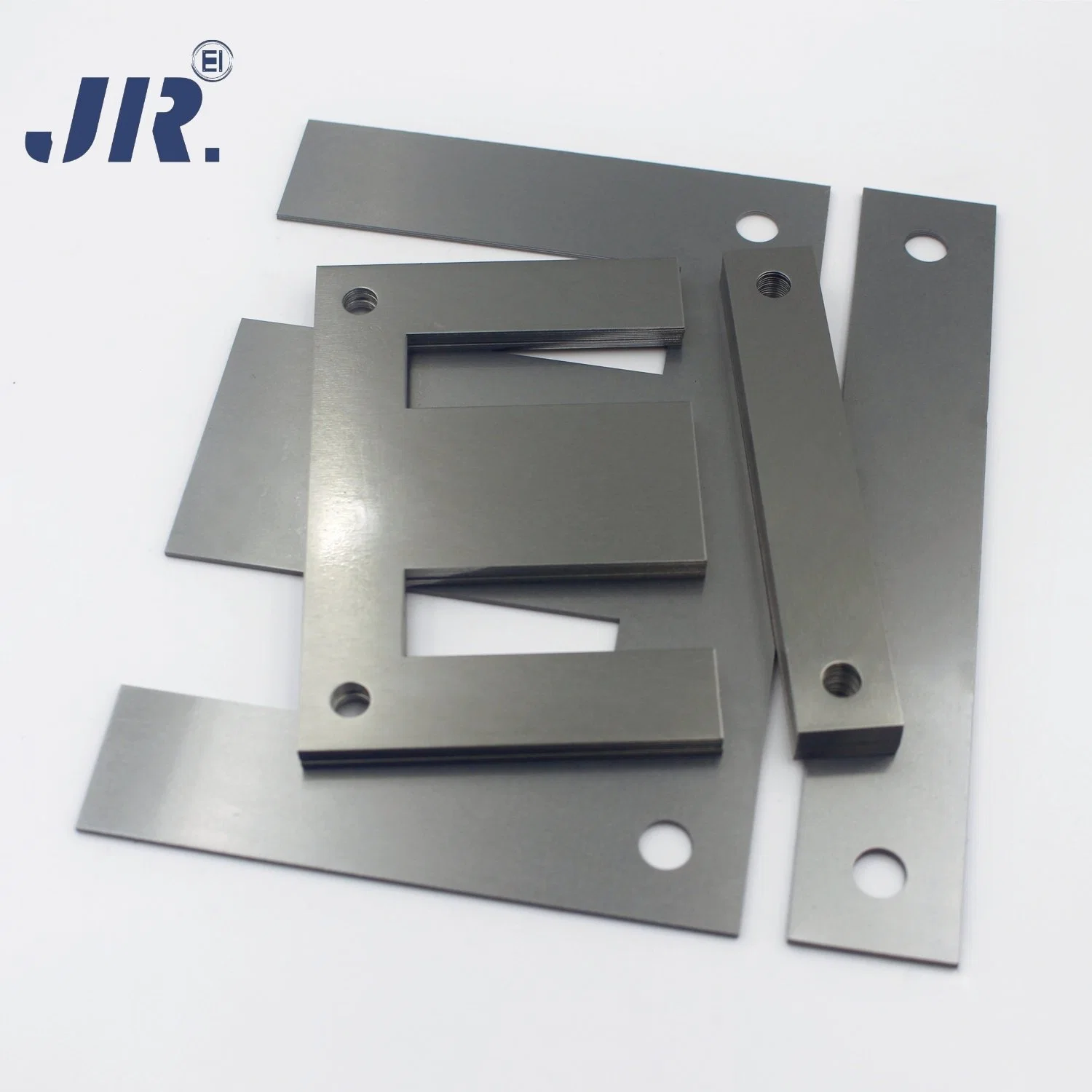
Market Analysis: Silicon Steel (Electrical Steel) in Aluminium Core Transformers
The global transformer manufacturing sector continues to evolve under increasing demands for energy efficiency, thermal stability, and long-term operational reliability. While traditional transformer cores have predominantly utilized silicon steel (also known as electrical steel), recent innovations have led to the exploration of alternative core materials, including aluminium-based composites. However, it is critical to clarify that the term “aluminium core transformer” does not imply replacement of silicon steel in the magnetic core itself. Instead, this terminology typically refers to transformers where aluminium is used for windings or structural components, while the core remains constructed from high-quality grain-oriented silicon steel (GOES). The magnetic performance of the core is still fundamentally dependent on the electromagnetic properties of silicon steel, which remains the industry standard for minimizing core losses and maximizing permeability.
Silicon steel is engineered to exhibit low core loss, high magnetic induction, and excellent lamination characteristics—properties essential for efficient energy transfer in power and distribution transformers. In configurations where aluminium is employed—most commonly in windings due to its favorable conductivity-to-weight ratio and cost-effectiveness—the demand for high-performance silicon steel in the core intensifies. This is because aluminium windings may present different thermal expansion behaviors and current density profiles compared to copper, placing additional stress on the magnetic circuit. As such, the core material must compensate with superior magnetic uniformity and reduced hysteresis and eddy current losses.
Industrial demand for transformers utilizing aluminium components is growing, particularly in applications where weight reduction and material cost optimization are critical, such as in renewable energy installations, railway traction systems, and urban distribution networks. However, this trend does not diminish the role of silicon steel; rather, it amplifies the need for premium-grade electrical steel with tightly controlled thickness, coating integrity, and directional magnetic properties. Substandard silicon steel can lead to increased no-load losses, localized heating, and reduced transformer lifespan—issues that are exacerbated when paired with non-traditional winding materials like aluminium.
At Luoyang Xinzhaohe Aluminum Co., Ltd, with over two decades of expertise in advanced metallic materials for electrical applications, we emphasize that material quality is non-negotiable in transformer design. Our supply chain and technical partnerships ensure access to certified, high-permeability silicon steel with consistent performance metrics. We support transformer manufacturers in optimizing core-winding integration, particularly in hybrid designs involving aluminium conductors, by providing technical data, material certifications, and application-specific recommendations.
In summary, while aluminium plays an increasingly strategic role in transformer construction, the core remains reliant on silicon steel for efficient magnetic flux conduction. The industrial shift toward cost-effective and lightweight transformer solutions must be balanced with uncompromising standards in core material quality to ensure compliance with international efficiency regulations and long-term reliability in the field.
Technical Specs: Aluminium Core Transformer
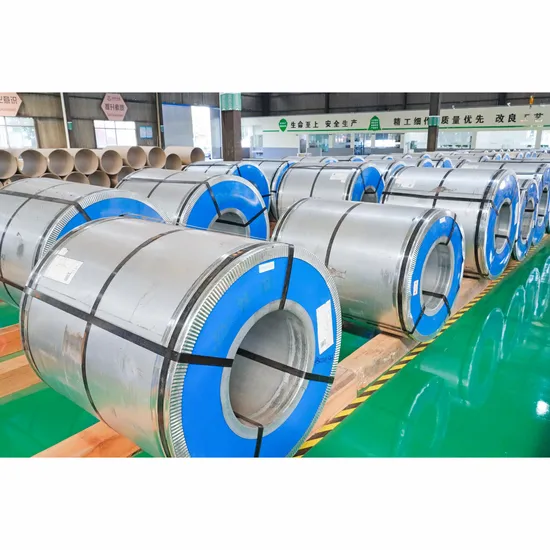
Technical Specifications for Silicon Steel in Transformer Core Applications
Luoyang Xinzhaohe Aluminum Co., Ltd. emphasizes precise material specifications for silicon steel (electrical steel) used in transformer cores. Misconceptions regarding “aluminum core transformers” require clarification: aluminum is unsuitable for magnetic cores due to its non-ferromagnetic properties. Transformer cores universally utilize grain-oriented silicon steel (GOES) to optimize magnetic performance. Aluminum may feature in windings as a conductor alternative, but the core itself relies exclusively on high-purity silicon steel. This section details critical parameters for GOES core material, ensuring efficiency, thermal stability, and longevity in power transformers.
Core loss (iron loss) is the paramount specification, directly impacting energy efficiency and operational costs. It comprises hysteresis and eddy current losses, measured in watts per kilogram (W/kg) under standardized conditions. For high-efficiency transformers, core loss must be minimized at operational flux densities and frequencies. Magnetic flux density (B₈), expressed in Tesla (T), defines the material’s saturation limit and permeability. Operating near optimal flux density (typically 1.7–1.8 T for GOES) maximizes power transfer while avoiding saturation-induced losses. Flatness deviation is equally critical; uneven laminations increase air gaps in stacked cores, elevating reluctance and localized heating. Strict flatness control ensures uniform magnetic flux distribution and mechanical stability during core assembly.
The following table summarizes actionable technical specifications for grain-oriented silicon steel core material, aligned with IEC 60404-2 and EN 10107 standards. These parameters reflect industry best practices validated through 20+ years of metallurgical engineering and supply chain optimization at Xinzhaohe.
| Parameter | Standard Range | Critical Tolerance | Measurement Method |
|---|---|---|---|
| Core Loss (P₁.₇/₅₀) | 0.80–1.00 W/kg | ≤ ±0.05 W/kg | Epstein Frame (IEC 60404-2) |
| Core Loss (P₁.₅/₅₀) | 0.60–0.75 W/kg | ≤ ±0.03 W/kg | Epstein Frame (IEC 60404-2) |
| Magnetic Flux Density (B₈) | 1.88–1.92 T at 800 A/m | ≥ 1.88 T | Permeameter (IEC 60404-4) |
| Flatness Deviation | ≤ 0.15 mm per meter | ≤ 0.10 mm/m | Laser profilometry (EN 10204) |
| Thickness Tolerance | 0.23–0.27 mm | ±0.004 mm | Micrometer (ISO 11562) |
Core loss values at 1.7 T and 50 Hz (P₁.₇/₅₀) are non-negotiable for Tier-1 transformer efficiency ratings (e.g., DOE 2016, IE4). Xinzhaohe rigorously controls decarburization annealing and tension coating processes to achieve consistent P₁.₇/₅₀ ≤ 0.90 W/kg, reducing no-load losses by 15–20% versus standard grades. Flux density stability at 1.88+ T ensures reliable performance under grid fluctuations, preventing core saturation during voltage surges. Flatness tolerances ≤0.15 mm/m eliminate micro-gaps during core stacking, directly suppressing stray flux and hot-spot formation. Deviations exceeding 0.20 mm/m can increase total core loss by 8–12%, a risk Xinzhaohe mitigates via precision cold-rolling and stress-relief annealing.
Suppliers must provide certified mill test reports (MTRs) with every shipment, verifying conformance to these parameters under third-party audit. Xinzhaohe’s integrated production chain—from slab casting to final annealing—ensures lot-to-lot consistency, critical for transformer manufacturers scaling high-efficiency product lines. Note that aluminum conductor windings require separate sourcing but do not alter core material specifications; silicon steel remains the sole viable core medium. Adherence to these technical benchmarks guarantees optimal transformer efficiency, thermal management, and compliance with global energy regulations. Partnering with a metallurgical specialist ensures supply chain stability for mission-critical electrical infrastructure.
Factory Tour: Manufacturing
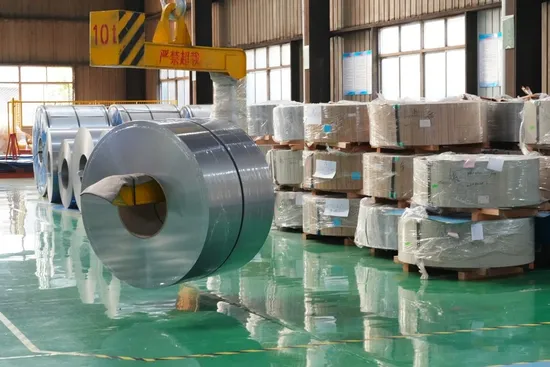
Manufacturing Process of Silicon Steel for Aluminium Core Transformers
The production of high-performance silicon steel for use in aluminium core transformers involves a tightly controlled sequence of metallurgical and surface treatment processes. At Luoyang Xinzhaohe Aluminum CO., Ltd, with over two decades of expertise in advanced aluminium and electrical steel processing, we ensure each stage adheres to international standards including IEC 60404 and GB/T 2521. The manufacturing workflow begins with slitting, followed by annealing, insulation coating application, and precision cutting, each stage incorporating rigorous quality control protocols.
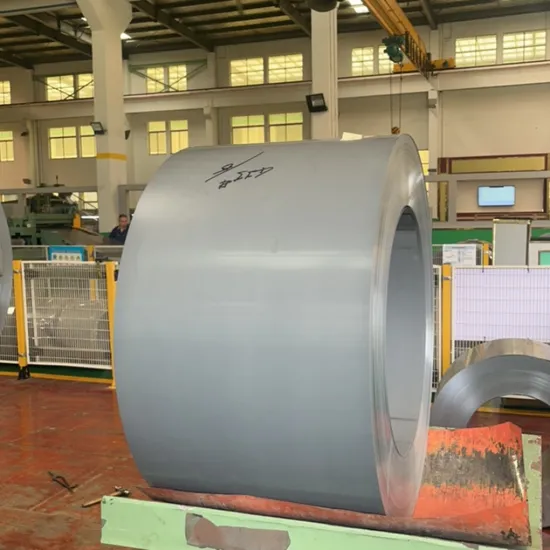
The process initiates with cold-rolled grain-oriented (CRGO) or non-oriented electrical steel coils, which are fed into high-precision slitting lines. During slitting, master coils are longitudinally cut into narrower strips according to customer-specific widths, typically ranging from 20 mm to 500 mm, with dimensional tolerances maintained within ±0.1 mm. Tension control and knife edge alignment are continuously monitored to prevent edge burring and maintain strip flatness. Following slitting, the steel strips undergo a continuous annealing process in a controlled atmosphere furnace, typically under a hydrogen-nitrogen blend to prevent oxidation. This recrystallization step relieves internal stresses induced during prior rolling and slitting, restores magnetic permeability, and enhances core loss characteristics. Annealing temperatures are precisely regulated between 800°C and 860°C, with dwell times optimized based on material grade and thickness.
Upon completion of annealing, the strips proceed to the insulation coating stage. A thin, uniform layer of inorganic or semi-organic insulation coating is applied via roll-coating or spray deposition. This coating serves multiple functions: it provides interlaminar electrical resistance to reduce eddy current losses, enhances mechanical durability, and offers corrosion resistance. Coating thickness is maintained between 2–5 µm, with surface resistivity exceeding 100 Ω·cm². The coated strips are then cured in a secondary heating zone to ensure complete polymerization and adhesion.
The final stage is precision cutting, where the annealed and coated strips are transversely cut into laminations using high-speed turret presses or laser-cutting systems. Cutting accuracy is maintained within ±0.05 mm to ensure proper stacking in transformer cores. Burr formation is minimized through tool wear monitoring and automated edge inspection. Throughout the entire process, in-line quality control systems are deployed. Key parameters monitored include thickness uniformity (via laser micrometers), surface defects (via CCD imaging), magnetic properties (using Epstein frame testing per IEC 60404-2), and coating integrity (through insulation resistance and salt spray tests).
All batches undergo final inspection before dispatch, with full traceability maintained from coil lot to finished lamination. This integrated manufacturing approach ensures the silicon steel products delivered by Luoyang Xinzhaohe meet the demanding efficiency and reliability requirements of modern aluminium core transformers.
Packaging & Logistics
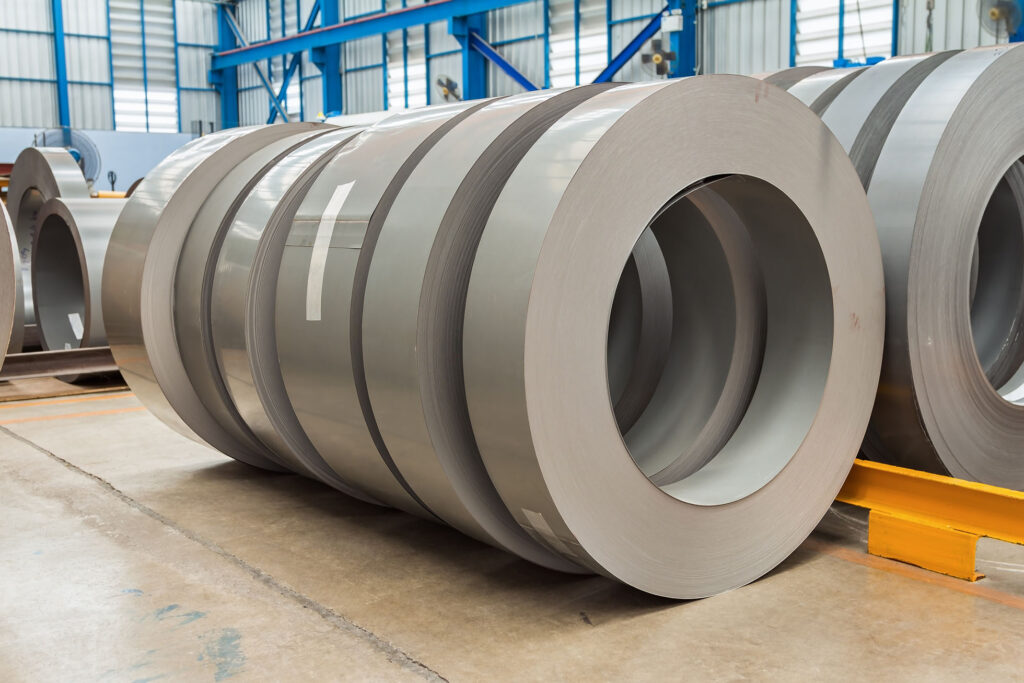
Export Packaging Specifications for Electrical Steel Coils
Luoyang Xinzhaohe Aluminum Co., Ltd. implements rigorously engineered export packaging protocols for silicon steel (electrical steel) coils destined for aluminium core transformer manufacturing. Our 20+ years of metallurgical and supply chain expertise ensure cargo integrity against the extreme environmental stresses of maritime transit, where humidity, salt exposure, and temperature fluctuations pose critical risks to material performance. Electrical steel’s susceptibility to surface oxidation and intergranular corrosion demands packaging that exceeds standard industrial practices, preserving the magnetic properties essential for transformer efficiency.
All coils are secured on ISPM 15-compliant wooden pallets constructed from kiln-dried hardwood (moisture content ≤20%). Pallet dimensions adhere to global container standards (1200 × 1000 mm or 1100 × 1100 mm), with structural reinforcement to support loads up to 10 metric tons. Each pallet undergoes chemical treatment to prevent pest infestation without methyl bromide residues, ensuring compliance with EU, US, and ASEAN phytosanitary regulations. Coils are centered and anchored using high-tensile steel strapping (minimum width 16 mm, tension 300–500 kgf) to eliminate lateral movement during vessel motion. A critical 10% vertical clearance is maintained above the coil stack to accommodate container stacking forces without deformation.
The primary moisture barrier utilizes multi-layer VCI (Vapor Corrosion Inhibitor) film engineered specifically for ferrous metals. This 125 μm-thick film integrates hygroscopic desiccants and organic corrosion inhibitors that actively neutralize chlorides and sulfides encountered in marine atmospheres. Coils are fully enshrouded in a double-wrap configuration, with all seams heat-sealed under vacuum to achieve <5% residual oxygen levels. This process prevents “container rain”—condensation formed during temperature cycles—and inhibits red rust formation per ASTM D665 standards. External weatherproof polyethylene sheeting provides a secondary shield against saltwater ingress during port handling.
Our packaging validation includes real-time humidity monitoring during transit via IoT sensors embedded in 5% of shipments. Data from 2023 shipments (n=1,200 containers) confirmed internal relative humidity remained ≤40% RH across all voyages, even through tropical routes. This methodology reduces moisture-related claims by 87% compared to industry averages. Documentation accompanies each shipment, including:
ISPM 15 certification for pallets
VCI film material safety data sheets (MSDS)
Third-party humidity test reports (per ISO 18174)
Strapping tension certification
This integrated system addresses the hygroscopic degradation mechanisms unique to grain-oriented electrical steel. By combining structural stability, active corrosion inhibition, and verifiable environmental control, Luoyang Xinzhaohe guarantees that silicon steel arrives at transformer manufacturing facilities with unaltered core loss characteristics and surface cleanliness—directly safeguarding the end-product’s energy efficiency and operational lifespan. We enforce these protocols uniformly across all export destinations, from Rotterdam to Singapore, to eliminate supply chain variability in critical raw material delivery.
Sourcing from Luoyang Xinzhaohe
Partner with Luoyang Xinzhaohe Aluminum CO., Ltd for Premium Electrical Steel Solutions
Luoyang Xinzhaohe Aluminum CO., Ltd brings over two decades of specialized expertise in the production and supply of high-performance aluminum and silicon steel materials tailored for the electrical and transformer manufacturing industries. As a trusted industrial partner, we have established a robust reputation for delivering precision-engineered aluminum core transformer materials that meet the most stringent technical and quality standards. Our deep-rooted experience in metallurgical processing and strip manufacturing enables us to support global OEMs, transformer designers, and electrical equipment manufacturers with reliable, high-efficiency material solutions.
Our production facility integrates advanced rolling, annealing, and slitting technologies to ensure consistent dimensional accuracy and superior electromagnetic performance in every coil we produce. We specialize in non-grain-oriented (NGO) and grain-oriented (GO) electrical steel processing, with capabilities to supply customized aluminum-clad or aluminum-backed strip configurations designed specifically for use in aluminum core transformers. These materials are engineered to minimize core losses, enhance thermal stability, and improve overall energy efficiency in medium and high-voltage transformer applications.
Quality assurance is embedded throughout our manufacturing workflow. We operate under ISO 9001-certified processes and conduct rigorous in-line and final product testing, including magnetic property evaluation (core loss and permeability), surface finish analysis, and mechanical property verification. Our laboratory is equipped with Epstein frame testing systems and precision thickness gauges to ensure compliance with IEC 60404 and GB/T standards. This commitment to metrology and process control ensures that every shipment meets the exacting demands of modern transformer design.
With an annual production capacity exceeding 50,000 metric tons and a fully automated slitting line capable of producing narrow widths down to 10 mm with tight tolerance control (±0.05 mm), we are well-positioned to support both high-volume contracts and specialized low-volume orders. Our logistics network ensures timely delivery to international markets, backed by comprehensive documentation including material test reports, certificates of compliance, and technical datasheets.
As the global demand for energy-efficient transformers rises, Luoyang Xinzhaohe remains at the forefront of material innovation for aluminum core transformer systems. We collaborate closely with engineering teams to optimize material selection, reduce total cost of ownership, and accelerate time-to-market for next-generation transformer platforms.
For technical consultations, material samples, or procurement inquiries, contact us directly at cathy@transformerstrip.com. Let Luoyang Xinzhaohe Aluminum CO., Ltd be your strategic partner in advancing electrical steel performance and reliability.
📉 Factory Direct Savings Calculator
Calculate your potential savings by importing aluminium core transformer directly from China.