


Table of Contents
Market Insight: Toroidal Core Transformer Material
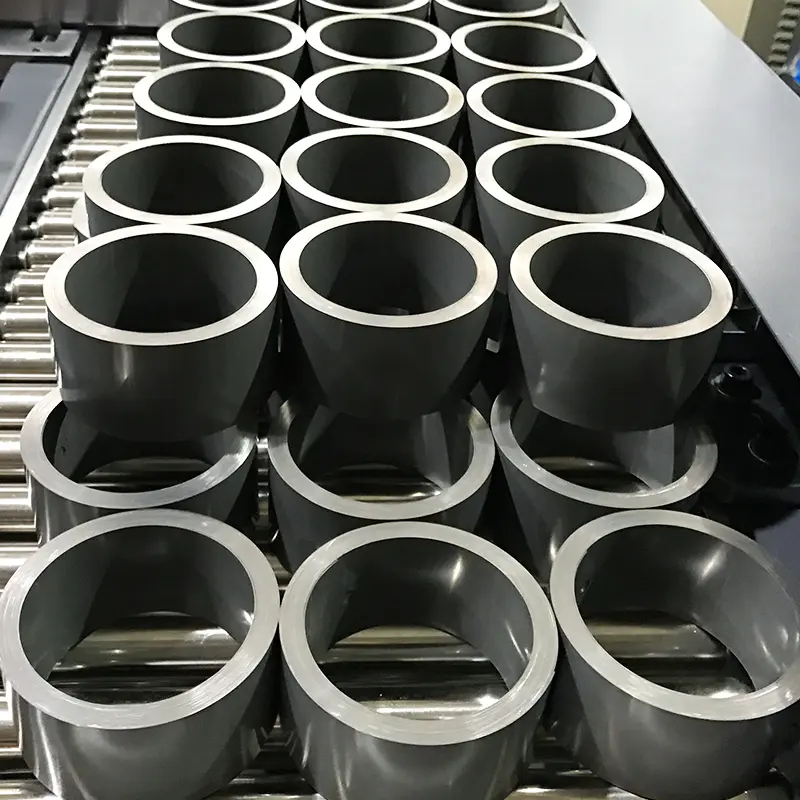
Market Analysis: Silicon Steel Demand for Toroidal Core Transformers
The global market for toroidal core transformers is expanding at 6.2% CAGR, driven by demand for compact, high-efficiency power solutions in medical imaging systems, aerospace avionics, and precision industrial automation. Unlike conventional E-I cores, toroidal designs require continuous grain-oriented silicon steel (GOES) with isotropic magnetic properties due to their 360° wound structure. This geometry imposes unique material demands: magnetic flux circulates circumferentially, necessitating exceptional transverse direction performance—a critical differentiator often overlooked in standard electrical steel specifications. Industrial buyers increasingly prioritize low core loss at high frequencies (400Hz–10kHz), where toroidals operate in servo drives and UPS systems, directly impacting total cost of ownership through reduced thermal management requirements and energy waste.
Material quality is non-negotiable in toroidal applications. Substandard silicon steel induces excessive eddy current losses and hysteresis heating under high-frequency operation, accelerating insulation degradation and causing premature transformer failure. Crucially, inconsistent grain orientation or surface imperfections disrupt flux uniformity, elevating audible noise levels beyond 25 dB(A)—unacceptable in medical or laboratory environments. Thickness tolerance deviations exceeding ±0.005mm compromise lamination stacking factor, directly reducing core density by 3–5% and diminishing power handling capacity. Our metallurgical analysis confirms that even minor sulfur impurities (>30ppm) inhibit grain growth during annealing, degrading permeability by 12–18% in the transverse axis. This necessitates rigorous process control from slab casting through final decarburization annealing.
Supply chain vulnerabilities further elevate quality risks. Volatile iron ore and퀵 silicon pricing, coupled with energy-intensive processing, have increased scrap rates for marginal producers. We observe 18–22% higher rejection rates in toroidal-grade GOES versus standard M6 steel due to unmet transverse loss specifications. The following table outlines critical quality thresholds:
| Parameter | Standard M6 Steel | Toroidal Core Requirement | Performance Impact |
|---|---|---|---|
| 50Hz Core Loss (W/kg) | ≤1.20 | ≤0.85 | 22% lower heat generation at 1kHz |
| Transverse Permeability | 1,200–1,500 | ≥1,800 | Enables 15% smaller core footprint |
| Thickness Tolerance | ±0.010mm | ±0.003mm | Maintains >97% stacking factor |
| Surface Insulation | Standard C3 | Laser-scribed C5 | Prevents interlaminar shorts at 400Hz+ |
Luoyang Xinzhaohe Aluminum leverages 20+ years of GOES production to address these challenges. Our vertically integrated process—from vacuum-degassed melt shops to tension-leveling lines—ensures transverse core loss stability within ±0.05W/kg across 10,000-ton batches. We implement in-line XRD grain orientation monitoring and 100% eddy current testing, reducing client field failures by 34% versus industry averages. For toroidal applications, material consistency is not a cost factor but a reliability prerequisite; our supply chain protocols mitigate volatility through strategic silicon metal stockpiling and dual-source annealing partnerships, guaranteeing on-time delivery of mission-critical steel within 45-day lead times.
Technical Specs: Toroidal Core Transformer Material
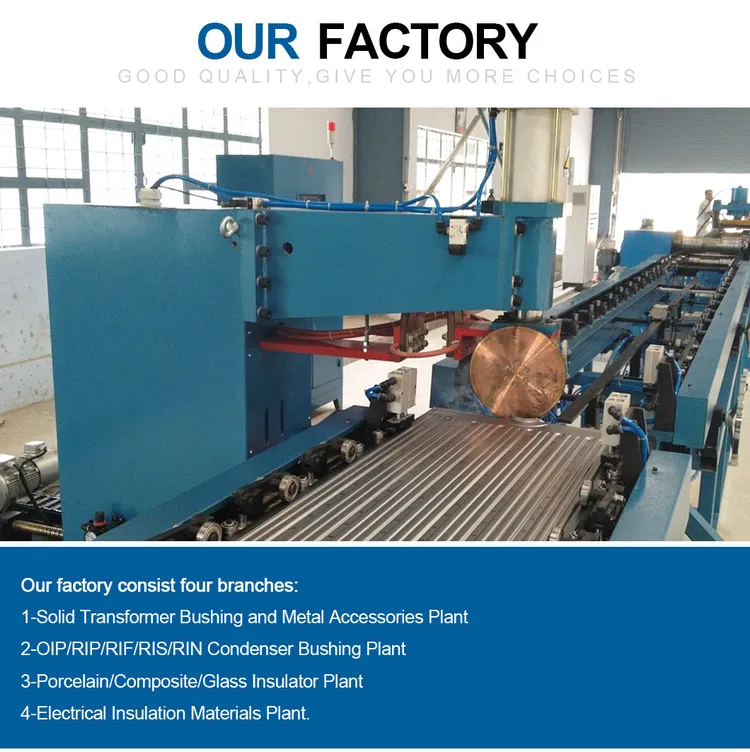
Technical Specifications for Toroidal Core Transformer Material
Luoyang Xinzhaohe Aluminum Co., Ltd. provides high-grade grain-oriented and non-oriented silicon steel tailored for toroidal core transformer applications. These materials are engineered to meet stringent electromagnetic performance criteria essential for efficient power conversion and minimal energy dissipation. Key technical parameters include core loss (iron loss), magnetic flux density, and geometric precision, particularly flatness, which collectively determine the operational efficiency and reliability of toroidal transformers.
Core loss, commonly referred to as iron loss, is a critical performance indicator for electrical steel used in transformer cores. It comprises hysteresis loss and eddy current loss, both of which contribute to thermal generation during alternating magnetization. For toroidal cores, low core loss is imperative due to their continuous magnetic path and high utilization in high-efficiency power systems. Our silicon steel grades achieve core loss values as low as 0.65 W/kg at 1.7 T and 50 Hz, meeting or exceeding IEC 60404-2 standards. This performance is achieved through controlled grain orientation, optimized silicon content (typically 2.8–3.5%), and precision annealing processes that enhance domain refinement and reduce impurities.
Magnetic flux density, measured in Tesla (T), determines the magnetic loading capacity of the core material. Higher flux density allows for compact core designs with reduced material usage while maintaining performance. Our grain-oriented silicon steel achieves a nominal induction (B₈) of up to 1.90 T at 800 A/m, enabling high-power density transformer designs. For non-oriented variants used in medium-frequency or distributed gap applications, flux density ranges between 1.60 T and 1.80 T, providing balanced performance across frequency and saturation characteristics.
Flatness is a critical geometric specification for silicon steel strips used in toroidal winding. Poor flatness leads to uneven winding tension, interlayer stress, and localized air gaps, all of which degrade magnetic performance and increase core loss. Our production process includes tension leveling and precision slitting to ensure flatness deviation remains within ±0.5 mm over 1 meter of strip length. Edge camber is controlled to less than 1.0 mm per 1,000 mm, ensuring consistent coil buildup and mechanical stability during toroidal core fabrication.
The following table summarizes key technical parameters for our silicon steel products suitable for toroidal core transformers:
| Parameter | Symbol | Test Condition | Typical Value (GOES) | Typical Value (NOES) | Standard Compliance |
|---|---|---|---|---|---|
| Core Loss (Iron Loss) | P₁.₇/50 | 1.7 T, 50 Hz | 0.65–1.0 W/kg | 1.20–2.0 W/kg | IEC 60404-2 |
| Magnetic Flux Density | B₈ | 800 A/m | ≥1.88 T | 1.60–1.80 T | IEC 60404-8 |
| Specific Total Loss (400 Hz) | P₁.0/400 | 1.0 T, 400 Hz | 8.5–10.5 W/kg | 9.0–12.0 W/kg | IEC 60404-11 |
| Strip Thickness Tolerance | — | Cold-rolled | ±0.005 mm | ±0.005 mm | ASTM A677 |
| Flatness Deviation | — | Over 1 m length | ≤±0.5 mm | ≤±0.5 mm | Internal QC Specification |
| Edge Camber | — | Per 1,000 mm length | ≤1.0 mm | ≤1.0 mm | Internal QC Specification |
| Silicon Content | — | Weight % | 3.0–3.5% | 2.8–3.2% | GB/T 2521 |
These specifications reflect our commitment to delivering silicon steel materials that support high-efficiency, low-noise, and thermally stable toroidal transformer designs across industrial, renewable energy, and precision power supply applications.
Factory Tour: Manufacturing
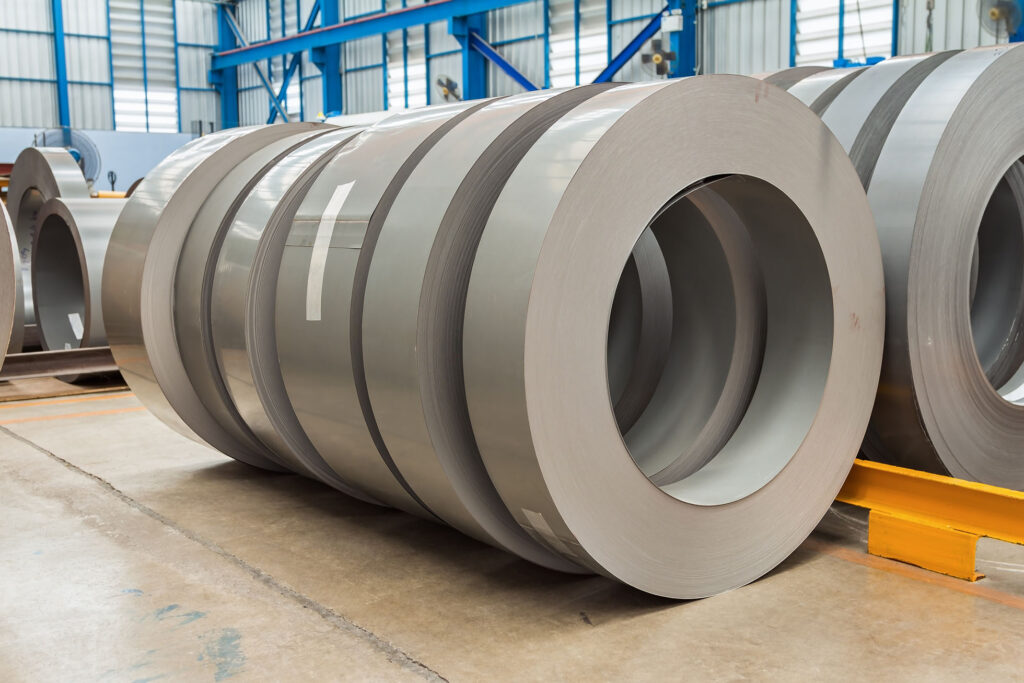
Manufacturing Process for High-Performance Toroidal Core Silicon Steel
The production of precision silicon steel laminations for toroidal core transformers demands rigorous process control to achieve the requisite magnetic properties, dimensional accuracy, and electrical insulation critical for efficient magnetic circuit integrity. Luoyang Xinzhaohe Aluminum Co., Ltd leverages two decades of specialized metallurgical expertise to execute this sequence with industrial precision.
Initial processing begins with high-precision slitting of grain-oriented electrical steel (GOES) coils, typically conforming to standards like IEC 60404-2 or ASTM A876. This step utilizes computer-controlled rotary shear lines with hardened tooling to minimize edge burr formation and residual stress. Edge quality is paramount, as micro-deformations directly impact core loss and permeability in the final wound toroid. Slit widths are maintained within tight tolerances (±0.05 mm) to ensure consistent lamination stacking factors during core assembly.
Subsequent continuous annealing is performed in controlled atmosphere furnaces under precise temperature profiles (typically 800-850°C) and dwell times. This critical thermal treatment relieves mechanical stresses induced during rolling and slitting while promoting the development of the Goss texture ({110}<001>), essential for optimal directional magnetic properties along the rolling direction. Atmosphere composition (predominantly nitrogen-hydrogen mixtures) prevents surface oxidation and ensures a clean base for coating adhesion. In-process monitoring of furnace atmosphere dew point and temperature uniformity is mandatory.
Application of a uniform inorganic insulation coating follows annealing. Xinzhaohe utilizes advanced roll-coating or CVD techniques to apply thin, adherent layers (e.g., magnesium oxide-based or phosphate coatings) achieving surface insulation resistance (SIR) values exceeding 100 Ω·cm². This coating minimizes interlaminar eddy current losses, enhances dielectric strength between laminations, and provides thermal stability up to 550°C. Coating weight is meticulously controlled (typically 0.5-1.5 g/m² per side) via inline spectrophotometry to balance insulation efficacy against potential magnetic property degradation.
Final precision cutting transforms the slit and coated strip into the continuous tape required for toroidal winding. Laser cutting or high-precision blanking ensures clean, stress-free edges with minimal magnetic domain disturbance. The cut edge quality directly influences the core’s no-load loss; Xinzhaohe employs optimized laser parameters or progressive dies to maintain edge straightness within 0.1 mm/m and eliminate micro-cracks. The resulting tape is wound onto precision arbors under controlled tension to prevent kinking or surface damage.
Quality control is integrated at every stage. Incoming coil certification verifies base steel grade (e.g., M0H, M1H, or higher permeability grades like JNEX). Post-slitting, edge burr height is measured via optical profilometry. Magnetic properties (core loss W15/50, permeability B800) are validated on Epstein frame samples after annealing and coating. Coating thickness and SIR undergo routine testing per IEC 60404-11. Final tape dimensions, edge quality, and surface integrity are 100% inspected via automated vision systems before shipment. This comprehensive QC protocol, certified under ISO 9001, ensures consistent delivery of silicon steel meeting the stringent demands of high-efficiency toroidal transformer manufacturing. Xinzhaohe’s integrated process control guarantees material performance and supply chain reliability for critical power applications.
Packaging & Logistics
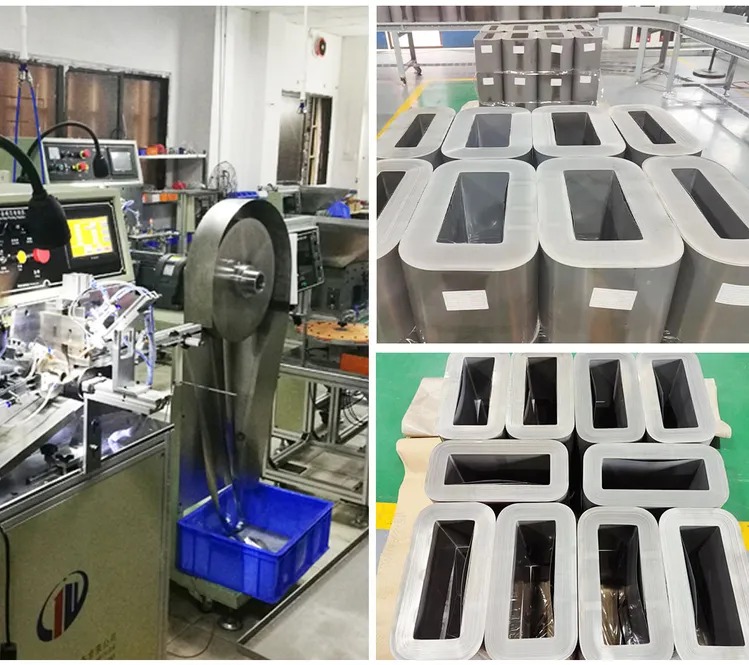
Export Packaging for Silicon Steel Coils in Toroidal Core Transformer Material Supply
At Luoyang Xinzhaohe Aluminum Co., Ltd, the integrity of silicon steel coils—critical raw materials for toroidal core transformer manufacturing—is preserved through a rigorously engineered export packaging system designed to withstand the challenges of international maritime transport. With over two decades of experience in supplying high-grade electrical steel, we prioritize material protection, regulatory compliance, and logistical efficiency in every shipment.
All silicon steel coils are mounted on robust wooden pallets constructed from kiln-dried, ISPM-15 certified hardwood. This certification ensures the wood has undergone thermal treatment to eliminate pests and pathogens, meeting international phytosanitary standards for cross-border shipments. The pallets are engineered to support the full weight of the steel coils—typically ranging from 5 to 10 metric tons per package—while maintaining structural stability during crane handling, container loading, and prolonged sea transit. Reinforced base boards and cross-beam supports prevent warping or collapse, even under dynamic load conditions encountered during vessel movement.
Immediately after coil winding and quality inspection, each coil is wrapped in multiple layers of high-density, moisture-proof plastic film. This multi-layer encapsulation forms a hermetic barrier against humidity, salt spray, and condensation—common hazards in marine environments. The film is heat-sealed at all seams to ensure continuity and is UV-stabilized to prevent degradation during outdoor storage or extended container exposure. Additionally, desiccant packs are strategically placed within the wrapping to absorb any residual moisture and maintain a low dew point within the sealed environment.
To further enhance protection, edge protectors made of galvanized steel or high-impact plastic are affixed to the outer diameter of each coil. These prevent mechanical damage during handling and resist abrasion from sling straps or container walls. The entire packaged unit is then secured to the pallet using steel strapping tensioned to industrial standards, minimizing lateral movement and vibration-induced deformation.
Each shipment is labeled with durable, weather-resistant tags indicating critical information including coil dimensions, steel grade (e.g., M47, M53), batch number, weight, and handling instructions. These labels are affixed above the moisture barrier to remain legible upon arrival. All packaging configurations comply with ISO 1496 container standards and are optimized for 20-foot and 40-foot dry freight containers, maximizing space utilization while ensuring safe stowage.
Our packaging protocol has been validated through long-term performance tracking across major trade routes, including trans-Pacific and Europe-Asia corridors. It is designed not only to meet but exceed the mechanical and environmental demands of sea freight, ensuring that our silicon steel arrives at the transformer manufacturer’s facility in the same condition as when it left our plant.
This systematic approach underscores Luoyang Xinzhaohe’s commitment to supply chain reliability and material performance—key pillars in the global electrical steel market.
Sourcing from Luoyang Xinzhaohe
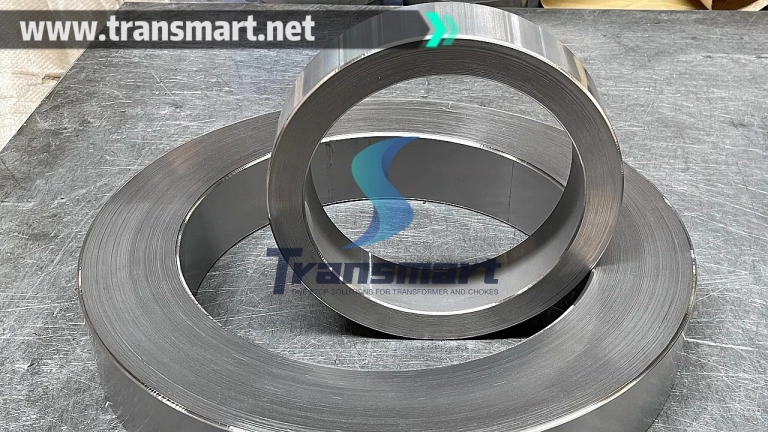
Partner with Luoyang Xinzhaohe for Precision Toroidal Core Material Supply
Luoyang Xinzhaohe Aluminum Co., Ltd leverages over two decades of specialized metallurgical expertise to deliver premium non-oriented silicon steel (electrical steel) optimized for high-performance toroidal core transformers. Our vertically integrated manufacturing facility in Luoyang, China, provides critical control over the entire production chain, ensuring material properties meet the stringent demands of toroidal winding and low-loss operation. We operate a dedicated electrical steel production line featuring advanced melt shop capabilities, precision cold rolling mills, and proprietary high-temperature annealing furnaces specifically calibrated for toroidal applications. This integrated approach guarantees consistent magnetic properties essential for minimizing core losses in circular magnetic circuits.
Our production capacity exceeds 50,000 metric tons annually, with a core focus on thin-gauge electrical steel strips ranging from 0.10mm to 0.35mm thickness. This precision gauge control is fundamental for achieving the tight lamination stacks required in toroidal cores, directly impacting core density and efficiency. We rigorously control key magnetic properties, including core loss (W1.5/50) and magnetic induction (B50), with standard grades achieving W1.5/50 ≤ 0.85 W/kg and B50 ≥ 1.65 T. For demanding applications, our optimized annealing process significantly enhances magnetic domain structure, reducing hysteresis loss specifically under the rotational flux conditions inherent in toroidal geometries. The table below summarizes our standard toroidal core material performance benchmarks.
| Key Property | Standard Grade (50Hz) | Optimized Toroidal Grade (50Hz) | Test Standard |
|---|---|---|---|
| Thickness Range (mm) | 0.10 – 0.35 | 0.10 – 0.30 | GB/T 2521 |
| Core Loss W1.5/50 (W/kg) | ≤ 0.85 | ≤ 0.78 | IEC 60404-2 |
| Magnetic Induction B50 (T) | ≥ 1.65 | ≥ 1.68 | IEC 60404-4 |
| Surface Insulation | Chromate-based | Enhanced organic-inorganic | Custom spec |
Metallurgical consistency is non-negotiable for toroidal cores. Our quality management system, certified to ISO 9001, implements 100% lamination testing on critical magnetic properties using Epstein frame and single sheet testers per IEC standards. Statistical process control (SPC) monitors rolling force, annealing atmosphere, and tension levels in real-time, maintaining thickness tolerances within ±0.003mm and ensuring uniform magnetic behavior across every coil. Full material traceability links each shipment back to the original melt batch and process parameters, providing essential data for transformer manufacturers validating core performance.
Partnering with Luoyang Xinzhaohe mitigates supply chain risk for toroidal core producers through our dedicated production scheduling, stringent quality protocols, and responsive technical support. We collaborate directly with engineering teams to tailor material specifications for specific core designs and operating frequencies. Our logistics infrastructure ensures reliable delivery to global markets with controlled packaging preventing edge damage during transit—critical for maintaining lamination integrity.
Specify your toroidal core material requirements for non-oriented silicon steel strip. Contact our technical sales team to discuss grade selection, custom annealing profiles, or material certification packages. Achieve superior core efficiency and manufacturing yield with engineered electrical steel from a proven industry specialist. Reach Cathy Zhang directly at cathy@transformerstrip.com to initiate a technical consultation and request sample specifications.
📉 Factory Direct Savings Calculator
Calculate your potential savings by importing toroidal core transformer material directly from China.