


Table of Contents
Market Insight: Aluminum Sheet Exporter
Market Analysis: Transformer Strip/Foil (Aluminum/Copper)
The global demand for transformer strip and foil—fabricated from aluminum and copper—continues to grow in response to expanding power infrastructure, renewable energy integration, and industrial electrification. As an aluminum sheet exporter with over two decades of operational expertise, Luoyang Xinzhaohe Aluminum Co., Ltd. recognizes the critical role of high-purity, dimensionally stable conductive materials in ensuring the reliability and efficiency of transformers across utility, commercial, and industrial applications.
Aluminum transformer strip and foil are primarily used in winding applications for dry-type and oil-immersed distribution and power transformers. While copper remains the traditional choice due to its higher conductivity, aluminum offers a compelling alternative due to its favorable conductivity-to-weight ratio, cost efficiency, and corrosion resistance. This has led to increased adoption of aluminum in medium-voltage transformers and large power units where weight reduction and material cost optimization are paramount. As global energy demands rise—particularly in emerging markets—aluminum’s scalability as a raw material positions it as a strategic component in next-generation transformer manufacturing.
Demand for aluminum strip and foil is particularly strong in regions undergoing grid modernization, such as Southeast Asia, the Middle East, and parts of Africa, where aluminum-based transformer windings provide an economical solution without compromising long-term performance. Additionally, the renewable energy sector—especially solar and wind power installations—relies heavily on distribution transformers, further amplifying the need for reliable, high-volume supply from qualified aluminum sheet exporters.
However, the performance of aluminum in transformer applications is highly dependent on material quality. Impurities, inconsistent thickness tolerances, poor surface finish, or inadequate mechanical properties can lead to increased electrical resistance, localized heating, and premature transformer failure. These risks are exacerbated under continuous load cycles and thermal stress conditions common in power systems.
At Luoyang Xinzhaohe Aluminum, we emphasize stringent process controls throughout melting, casting, hot rolling, cold rolling, and annealing to ensure uniform microstructure and optimal electrical conductivity. Our aluminum strips meet international standards such as GB/T 3880, ASTM B209, and IEC 60164, with typical alloys including 1060, 1070, and 1350, selected for their high purity (99.6% min) and low resistivity. Precise thickness control (±0.01 mm) and clean, oxide-free surfaces are maintained to support seamless winding and insulation integrity.
The shift toward smarter, more resilient power systems demands materials engineered for longevity and consistency. As an experienced aluminum sheet exporter, we understand that quality is not a differentiator—it is a prerequisite. Transformer manufacturers depend on predictable material behavior to ensure compliance with efficiency standards such as DOE 2016 and IEC 60076. Supply chain reliability, technical documentation, and traceability further reinforce the importance of partnering with a proven industry supplier.
In summary, the market for aluminum transformer strip and foil is driven by economic, logistical, and technical factors that favor high-quality, consistently produced materials. For aluminum sheet exporters, success lies in technical precision, adherence to global standards, and the ability to support evolving energy infrastructure needs with reliable, performance-grade products.
Technical Specs: Aluminum Sheet Exporter
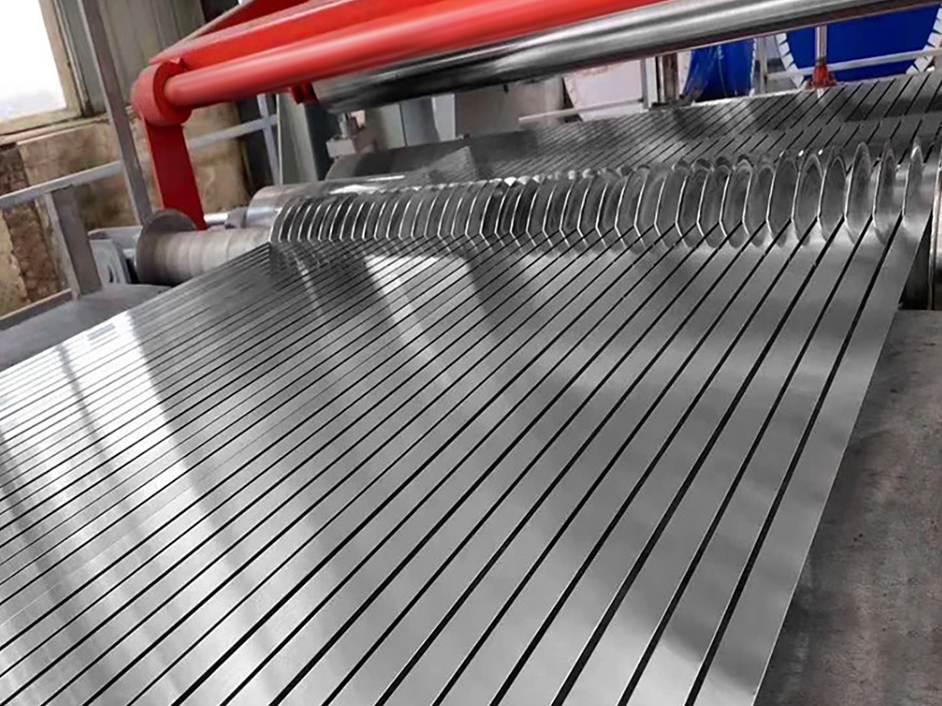
Technical Specifications for Transformer Strip/Foil: Aluminum Sheet Export Requirements
Luoyang Xinzhaohe Aluminum Co., Ltd. specifies stringent technical parameters for aluminum transformer strip/foil to ensure optimal performance in high-efficiency electrical applications. Precision slitting accuracy is non-negotiable, with a maximum tolerance of ±0.002 mm for all slit widths. This precision is achieved through servo-driven tension control systems and laser-guided edge tracking during cold rolling, minimizing dimensional variance critical for tight-winding transformer cores. Width tolerances are maintained at ±0.5 mm across coils, while edge camber is controlled to ≤0.3 mm per meter to prevent misalignment during automated coil winding processes.
Surface integrity directly impacts transformer efficiency and longevity. Burr formation at slit edges must be eliminated entirely, with maximum allowable burr height strictly limited to <5 μm. Our proprietary edge-trimming technology combined with precision-ground rotary knives ensures burr-free edges, preventing insulation damage during winding and reducing partial discharge risks. Surface roughness (Ra) is maintained at ≤0.2 μm to minimize interfacial losses between foil layers. Visual inspection under 10x magnification confirms absence of scratches, pits, or rolling marks per ASTM E3022 standards.
Electrical conductivity is validated at 61.0–62.5% IACS (International Annealed Copper Standard) for EC-grade aluminum alloy (1070/1060). This range is achieved through controlled annealing in oxygen-free atmospheres, ensuring metallurgical homogeneity and optimal electron mobility. Conductivity testing follows ASTM E1004 using eddy current probes calibrated to NIST-traceable standards, with batch certification provided. Thickness uniformity is critical, with maximum deviation of ±0.003 mm across any 100 mm segment, verified via non-contact laser micrometers at 1 m intervals during slitting.
The following table details mandatory export specifications for aluminum transformer strip/foil:
| Parameter | Specification | Test Standard | Measurement Method |
|---|---|---|---|
| Thickness Range | 0.1–3.0 mm | GB/T 3880.3-2012 | Laser micrometer (1 m intervals) |
| Slit Width Tolerance | ±0.002 mm | ISO 2178:2016 | Precision calipers + optical comparator |
| Edge Burr Height | <5 μm | IEC 60404-9:2015 | SEM imaging at 500x magnification |
| Surface Roughness (Ra) | ≤0.2 μm | ISO 4287:2014 | Profilometer (25 mm cutoff) |
| Electrical Conductivity | 61.0–62.5% IACS | ASTM E1004-21 | Eddy current conductivity meter |
| Edge Camber | ≤0.3 mm/m | JIS H 4000:2016 | Straightedge gauge + feeler gauge |
| Tensile Strength | 75–95 MPa | ASTM E8/E8M-21 | Universal testing machine |
| Elongation | ≥25% | ASTM E8/E8M-21 | Universal testing machine |
Adherence to these specifications guarantees compatibility with high-speed transformer winding equipment and compliance with IEC 60404-1 and GB/T 10574.8-2017 standards. All coils undergo 100% inline dimensional validation and batch-level conductivity testing, with certificates of conformance detailing lot-specific data. Copper foil equivalents (C11000) follow analogous tolerances with conductivity ≥98% IACS, though aluminum remains the primary export focus due to weight and cost advantages in modern grid infrastructure. Precision in these parameters directly correlates with reduced core losses (<0.8 W/kg at 1.7 T, 400 Hz) and extended transformer service life.
Factory Tour: Manufacturing
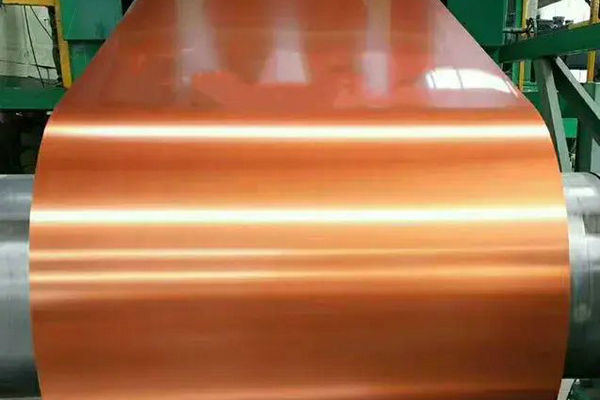
Manufacturing Process for Transformer Strip and Foil at Luoyang Xinzhaohe Aluminum Co., Ltd
At Luoyang Xinzhaohe Aluminum Co., Ltd, our transformer strip and foil production leverages a precision-driven, multi-stage manufacturing process designed to meet the stringent performance requirements of electrical and power distribution applications. With over two decades of metallurgical expertise, we ensure dimensional accuracy, surface integrity, and consistent electrical conductivity across both aluminum and copper-based products.
The process begins with cold rolling, where pre-annealed aluminum or copper ingots are reduced to precise thicknesses using high-precision rolling mills. This stage is critical for achieving the target mechanical properties and surface finish required in transformer windings. Our cold rolling lines operate under tightly controlled temperature and tension parameters to minimize thickness variation, typically maintaining tolerances within ±0.005 mm. The rolling process enhances material strength through work hardening while preserving ductility, ensuring compatibility with downstream slitting and winding operations.
Following cold rolling, the material undergoes precision slitting on advanced tension slitting lines equipped with servo-controlled knife positioning systems. This step converts master coils into narrow strips tailored to customer-specified widths, often ranging from 10 mm to 300 mm for transformer applications. The slitting process is monitored in real-time using laser-based width measurement systems to ensure edge straightness and dimensional consistency. Each slit coil is wound under controlled tension to prevent telescoping and ensure uniform layer alignment, essential for high-speed winding in transformer manufacturing.
Edge conditioning is the next critical phase, where slit edges are meticulously deburred and smoothed to eliminate micro-cracks, burrs, and surface irregularities. This is achieved through a combination of mechanical brushing, edge rolling, and precision trimming, depending on the material grade and application requirements. Proper edge conditioning reduces the risk of dielectric breakdown in transformer windings and enhances the safety and longevity of the final product. All processed strips are visually inspected using high-resolution cameras and edge profile analyzers to validate edge quality.
Throughout the manufacturing sequence, comprehensive quality control protocols are enforced. Mechanical property testing, including tensile strength and elongation, is conducted at multiple stages. Surface defects are detected via automated optical inspection systems, while thickness uniformity is verified using non-contact laser micrometers. Electrical conductivity is measured using eddy current testing equipment, ensuring compliance with international standards such as GB/T, ASTM, and IEC.
Final inspection includes coil labeling, core integrity checks, and packaging verification to maintain material integrity during transit. All test data is documented and available with material certification, supporting full traceability from raw material to finished strip. This disciplined approach ensures that every batch of transformer strip or foil meets the high-performance demands of global power infrastructure applications.
Packaging & Logistics
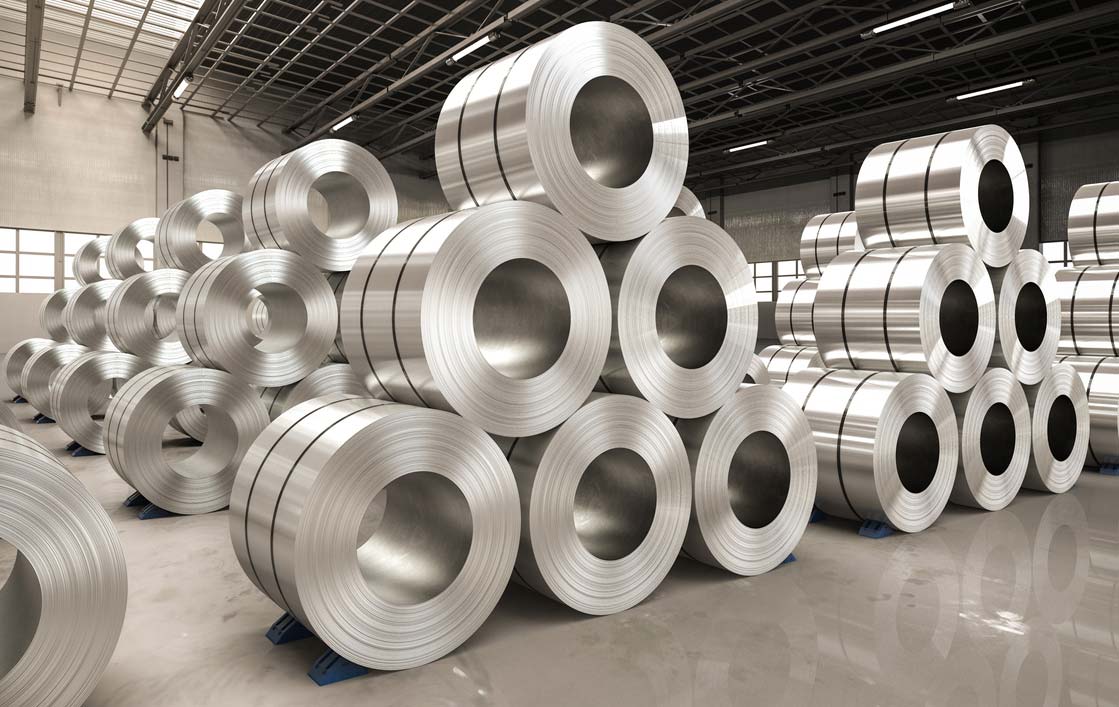
Export Packaging Specifications for Transformer Strip and Foil
Luoyang Xinzhaohe Aluminum CO., Ltd implements rigorously engineered export packaging protocols for aluminum and copper transformer strip and foil, honed over 20+ years of global shipments. Our methodology prioritizes material integrity during extended sea freight transit, where humidity, vibration, and temperature fluctuations pose critical risks to thin-gauge conductive materials.
All coils undergo a dual-layer protective sequence. First, each coil is hermetically sealed in multi-laminate moisture-proof film with a minimum thickness of 100μm. This film incorporates aluminum foil and polyethylene barriers, achieving a water vapor transmission rate (WVTR) below 0.5 g/m²/24hr per ASTM F1249. This specification is non-negotiable for aluminum strip below 0.5mm thickness, as even trace moisture ingress accelerates electrochemical corrosion and surface oxidation, directly impairing electrical conductivity and lamination performance. Desiccant packs (min. 100g per m³ internal volume) are integrated within the sealed envelope to absorb residual humidity during container dwell time.
The sealed coils are then secured to custom-engineered wooden pallets meeting ISPM 15 standards for international phytosanitary compliance. Pallet construction utilizes kiln-dried hardwood (moisture content ≤12%) with structural reinforcement at load-bearing points to prevent deformation under stack weights exceeding 2,500 kg. Critical dimensional tolerances are maintained:
| Pallet Parameter | Specification | Verification Method |
|---|---|---|
| Base Thickness | 22±2 mm | Caliper measurement |
| Load Capacity | ≥3,000 kg | Static load test |
| Moisture Content | ≤12% | Moisture meter probe |
Coils are strapped to pallets using galvanized steel tension straps (min. 16mm width) at four anchor points, with torque calibrated to 2,500 N to eliminate lateral shift without inducing coil edge damage. An external overwrap of UV-stabilized polyethylene stretch film (70μm thickness) provides abrasion resistance and secondary moisture shielding during port handling.
Sea freight safety is systematically addressed through three integrated controls. Palletized units are arranged in containers with ≤30mm clearance from walls to ensure airflow and prevent condensation “sweating” during tropical transits. Relative humidity sensors (calibrated to ±2% RH accuracy) are placed within 10% of container loads to monitor conditions exceeding 65% RH—the threshold for accelerated aluminum corrosion per ISO 9223. Finally, all shipments include humidity indicator cards (HICs) visible through container doors, providing immediate visual verification of moisture exposure without unsealing.
This packaging system mitigates the hygroscopic nature of aluminum and the galvanic sensitivity of copper-aluminum interfaces during 7-10 day ocean voyages. We document compliance via batch-specific packaging certificates referencing ISO 1160 (container conditions) and ASTM D3078 (seal integrity testing), ensuring transformer manufacturers receive material within the tight surface cleanliness and dimensional tolerances required for precision winding processes. Our zero-claim record on moisture-related defects since 2018 validates this engineered approach to global supply chain resilience.
Sourcing from Luoyang Xinzhaohe
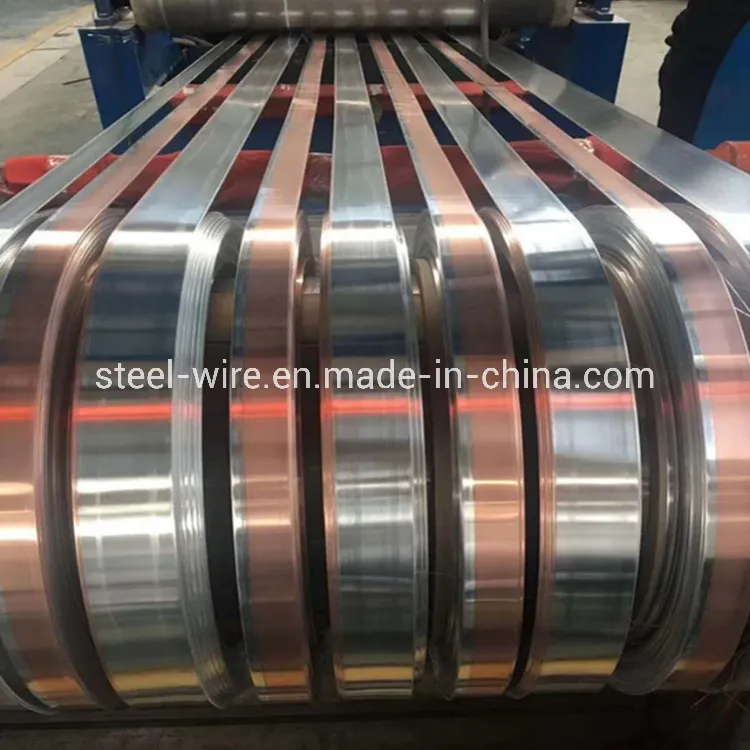
Partner with Luoyang Xinzhaohe Aluminum Co., Ltd for Precision Transformer Strip and Foil Solutions
With over two decades of specialized manufacturing experience, Luoyang Xinzhaohe Aluminum Co., Ltd stands as a trusted aluminum sheet exporter for high-performance transformer strip and foil applications. Our facility integrates advanced metallurgical processing with stringent quality control systems, enabling us to deliver precision-engineered aluminum and copper strips that meet the exacting demands of transformer and electrical equipment manufacturers worldwide.
Our production infrastructure is built around continuous casting and rolling technology, ensuring consistent microstructure and mechanical properties across all coil batches. We operate fully automated cold rolling lines equipped with laser-based thickness gauging systems, achieving tolerances as tight as ±0.005 mm for foil products. This level of dimensional accuracy is critical for minimizing eddy current losses and enhancing the magnetic efficiency of transformer windings. In addition, our in-house annealing furnaces utilize controlled atmosphere processing to optimize grain structure and achieve superior electrical conductivity in both aluminum and copper strips.
Material purity is a cornerstone of our manufacturing philosophy. We source high-grade aluminum ingots (99.7% min purity) and electrolytic tough pitch (ETP) copper, subjecting all incoming raw materials to spectrographic analysis. Each production lot undergoes comprehensive mechanical and electrical testing, including tensile strength, elongation, bend testing, and resistivity measurement, in compliance with international standards such as ASTM B209, GB/T 3880, and IEC 60464. Our quality management system is ISO 9001 certified, ensuring traceability and process consistency from melt to shipment.
We specialize in narrow slit strip formats tailored for transformer coil winding, offering widths from 5 mm to 150 mm and thicknesses ranging from 0.1 mm to 3.0 mm. Custom temper designations—including H14, H16, H18, and O (annealed)—are available to meet specific customer requirements for formability and hardness. All coils are edge-trimmed to prevent burring and wound with anti-corrosion interleaf paper to ensure integrity during transit.
As a vertically integrated manufacturer, we maintain control over the entire production chain, from alloy preparation to final slitting and packaging. This enables us to offer competitive lead times and flexible order volumes, supporting both large-scale OEM contracts and specialized R&D projects. Our export logistics network spans Southeast Asia, the Middle East, Europe, and South America, with DDP and FOB terms available.
For technical collaboration or sourcing inquiries, contact us directly at cathy@transformerstrip.com. Our engineering team is available for material specification reviews, sample provisioning, and production capacity planning to ensure seamless integration into your supply chain.
📉 Factory Direct Savings Calculator
Calculate your potential savings by importing aluminum sheet exporter directly from China.