

Table of Contents
Market Insight: Copper Wire Purity
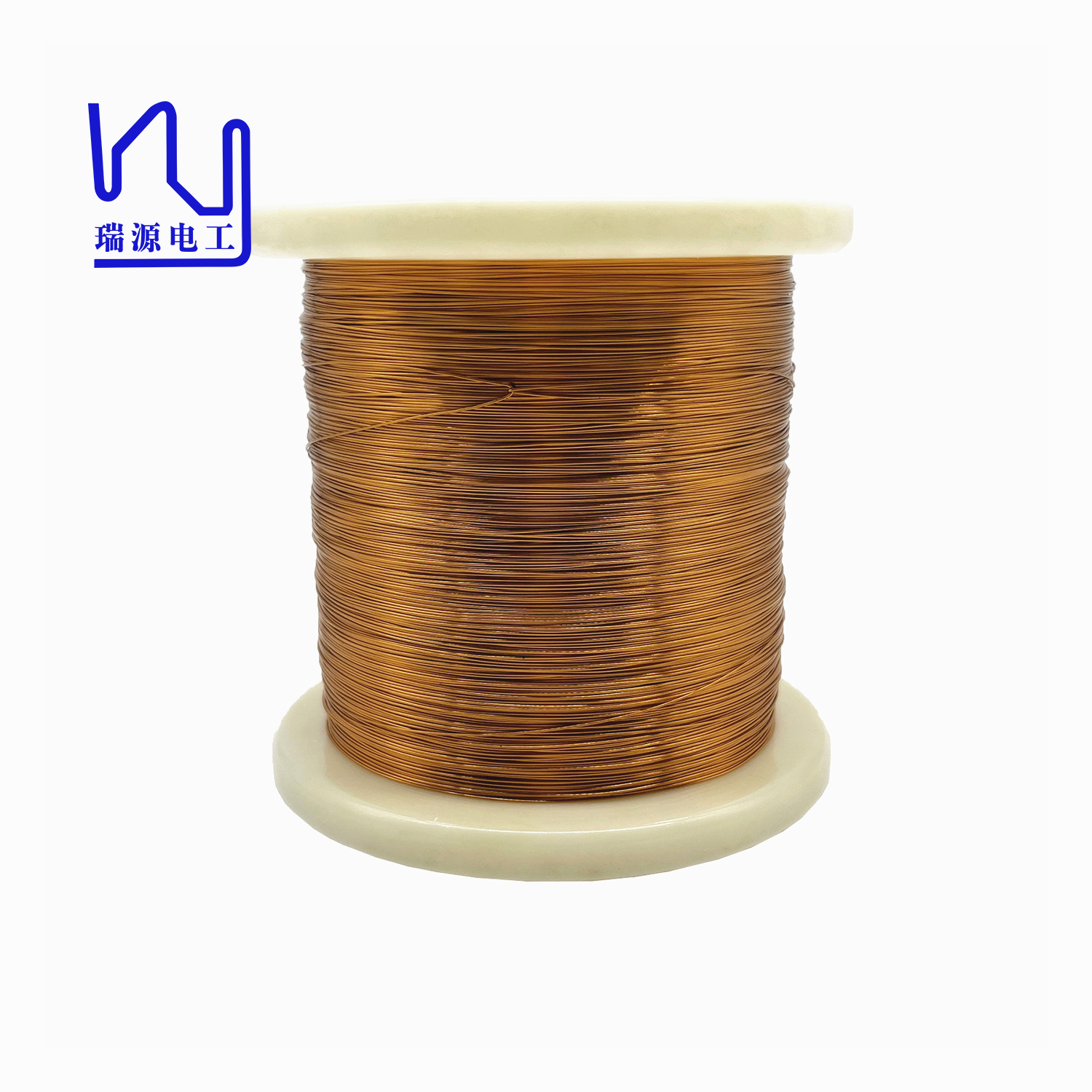
Market Analysis: Copper Wire Purity Demand in Transformer Winding Applications
Industrial demand for high-purity copper wire in transformer windings is driven by stringent electrical efficiency and reliability requirements across power transmission and distribution networks. Global standards, including IEC 60028 and ASTM B3/B4, mandate minimum conductivity levels of 100% IACS (International Annealed Copper Standard), directly correlating to copper purity of 99.90% or higher. Impurities such as oxygen, sulfur, silver, and bismuth—even at trace levels (ppm)—disrupt crystal lattice integrity, increasing electrical resistivity and accelerating thermal degradation. For utility-scale transformers operating continuously at 50–500 kV, a 0.1% reduction in purity elevates resistive losses by approximately 0.5%, compounding energy waste across grid infrastructure.
The criticality of purity manifests in three failure mechanisms: First, oxygen residues (>200 ppm) form Cu₂O precipitates during annealing, creating micro-crack initiation sites under electromagnetic stress. Second, bismuth or lead impurities (exceeding 2 ppm) induce grain boundary embrittlement, risking conductor fracture during winding or thermal cycling. Third, sulfur contamination accelerates sulfidation corrosion in humid environments, elevating contact resistance at termination points. Industry-observed field failures in distribution transformers—accounting for 18% of unplanned outages per CIGRÉ data—trace directly to substandard wire purity. Consequently, Tier-1 transformer OEMs enforce batch-specific certificates of conformance (CoC) with spectrographic analysis (ASTM E478) verifying impurity profiles.
Procurement strategies increasingly prioritize lifecycle cost over initial material expenditure. While 99.90% Cu (ETP) wire suffices for low-voltage applications, high-voltage transformers demand 99.99% (OFC) or oxygen-free variants to suppress hydrogen embrittlement in oil-immersed units. A cost-benefit analysis reveals that premium-purity wire (99.99%+) reduces total ownership costs by 12–15% over 25 years through lower no-load losses and extended service life. However, supply chain vulnerabilities persist: scrap-derived copper (constituting 45% of global supply) introduces inconsistent impurity loads, necessitating rigorous melt refining. Leading manufacturers mitigate this via integrated refining processes with controlled atmosphere casting, ensuring ppm-level consistency.
Market dynamics reflect tightening specifications. The EU Ecodesign Directive 2014/512 mandates <0.30 W/kg no-load losses for distribution transformers by 2025, forcing wire purity minimums to 99.95%. Similarly, IEEE C57.12.00-2015 revisions emphasize conductor homogeneity for harmonic-rich grids. As renewable integration strains grid stability, demand for ultra-high-purity wire (99.99%+) grows at 6.2% CAGR—outpacing general copper wire consumption (3.8%). Procurement teams must thus verify supplier metallurgical controls beyond basic CoCs, including real-time melt monitoring and statistical process control data.
For Luoyang Xinzhaohe Aluminum Co., Ltd., with two decades of metallurgical expertise, these trends underscore our commitment to precision copper refining. Our vertical integration—from cathode sourcing to wire drawing—ensures impurity suppression to <5 ppm for critical elements, validated by third-party testing. In transformer applications, where 1 ppm excess bismuth can halve fatigue life, such control is non-negotiable. The market no longer tolerates purity compromises; it demands demonstrable metallurgical rigor.
Technical Specs: Copper Wire Purity
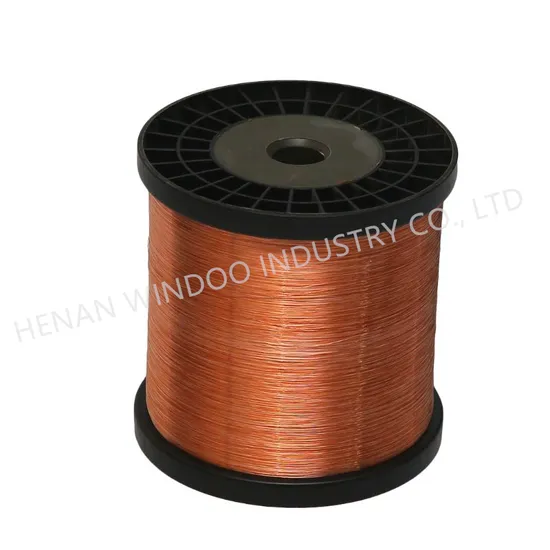
Copper wire purity is a critical parameter in the performance and reliability of winding wires used in electrical and electronic applications. At Luoyang Xinzhaohe Aluminum Co., Ltd, with over two decades of experience in advanced conductor materials, we emphasize stringent control over metallurgical composition and physical properties to ensure optimal performance in demanding environments. High-purity copper, typically exceeding 99.95% Cu, is essential to minimize resistive losses, enhance thermal conductivity, and improve overall efficiency in motors, transformers, and generators. Impurities such as oxygen, sulfur, and metallic residuals must be tightly controlled to prevent embrittlement, reduce dielectric losses, and maintain mechanical integrity during winding and service.
One of the key performance indicators for insulated copper winding wire is the insulation breakdown voltage. This parameter measures the dielectric strength of the insulation layer under increasing electrical stress until failure occurs. A high breakdown voltage ensures long-term reliability and safety in high-voltage applications. Our standard enamel-insulated copper wires achieve breakdown voltages ranging from 3,000 V to over 8,000 V, depending on insulation thickness and thermal class. This property is tested under controlled conditions per IEC 60317 and ASTM D4355 standards to guarantee consistency across production batches.
Elongation, or tensile ductility, is another vital mechanical property that reflects the wire’s ability to withstand deformation during coiling and winding processes without fracturing. For copper winding wires, elongation values typically range between 8% and 20%, depending on temper (soft or hard drawn) and wire diameter. Higher elongation is preferred for complex winding geometries and tight-radius applications, where mechanical stress is concentrated. Our production processes include controlled annealing to achieve uniform grain structure, ensuring consistent elongation and minimizing the risk of in-process breakage.
Thermal class defines the maximum continuous operating temperature that the insulated wire can endure without significant degradation of electrical or mechanical properties. Our winding wires are engineered to meet thermal classes from 130°C to 220°C, aligning with IEC 60085 and NEMA MW standards. Higher thermal classes utilize advanced polymer coatings such as polyimide, polyester-imide, or polyamide-imide, which offer superior thermal stability, chemical resistance, and mechanical toughness. These materials enable reliable operation in high-temperature environments such as electric vehicle motors, industrial drives, and aerospace systems.
The following table summarizes the key technical parameters for high-purity copper winding wire offered by Luoyang Xinzhaohe Aluminum Co., Ltd:
| Parameter | Test Standard | Typical Range | Notes |
|---|---|---|---|
| Copper Purity | ASTM B170 | ≥ 99.95% Cu | Low oxygen and metallic impurities |
| Insulation Breakdown Voltage | IEC 60317, ASTM D4355 | 3,000 – 8,000 V (rms) | Depends on insulation build |
| Elongation | ASTM B8 | 8% – 20% | Measured at room temperature |
| Thermal Class | IEC 60085 | 130°C, 155°C, 180°C, 200°C, 220°C | Based on insulation system |
| Resistivity (20°C) | IEC 60228 | ≤ 0.017241 Ω·mm²/m | Inherent to high-purity Cu |
These specifications are maintained through rigorous in-line monitoring, material traceability, and final product testing. Our commitment to metallurgical excellence ensures that every batch of copper winding wire meets the highest standards for performance, safety, and durability in industrial applications.
Factory Tour: Manufacturing
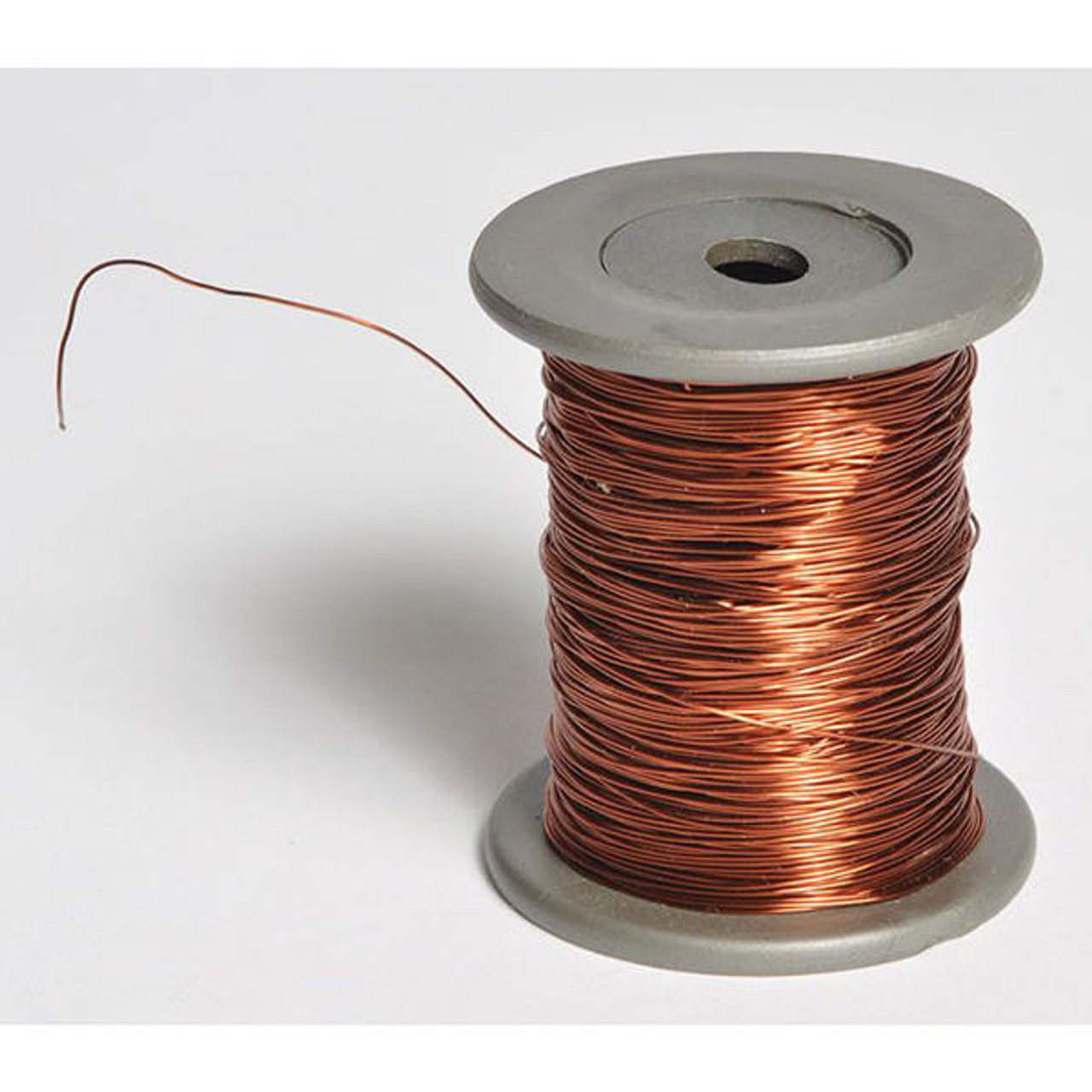
Manufacturing Process for High-Purity Copper Winding Wire
Luoyang Xinzhaohe Aluminum Co., Ltd leverages 20+ years of metallurgical expertise to produce copper winding wire with uncompromised purity, critical for electrical performance and reliability. Despite our corporate name emphasizing aluminum, this copper wire production occurs on dedicated, segregated lines to eliminate cross-contamination risks. The process rigorously maintains oxygen-free electrolytic tough pitch (OFE) copper integrity from raw material to finished product.
Rod drawing initiates the sequence, utilizing precision tungsten carbide dies under controlled tension. Electrolytic copper rods (minimum 99.99% Cu per ASTM B3) enter the line through a sealed, inert atmosphere chamber to prevent surface oxidation. Diameter reduction occurs in multiple stages, with intermediate cleaning via ultrasonic deionized water baths to remove particulates. Laser micrometers continuously monitor wire gauge, ensuring dimensional tolerance within ±0.0005mm. Any deviation triggers automatic line stoppage, rejecting substandard material before progression.
Annealing follows immediately after drawing, executed in a continuous hydrogen-nitrogen atmosphere furnace. This step restores ductility lost during cold working while preventing oxide formation. Critical parameters include precise dew point control (≤ -50°C) and residence time calibration to achieve target temper (soft or half-hard) without grain coarsening. In-line thermocouples and gas analyzers validate atmosphere composition every 15 minutes, with logs retained for full traceability. Oxygen content in the annealed wire is maintained below 10 ppm, verified through periodic spectrographic sampling per ISO 11594.
Enameling applies the insulating polymer layer via multi-zone viscosity-controlled applicators. The wire traverses a series of precision dies and curing ovens at speeds synchronized to enamel chemistry. Temperature profiles are strictly regulated (±2°C) across 8+ heating zones to ensure complete solvent evaporation and cross-linking without thermal degradation of the copper substrate. Any enamel thickness variation beyond ±0.002mm—measured by eddy current sensors—triggers real-time adjustment of die pressure.
Inline testing constitutes the final verification stage. Eddy current flaw detection identifies subsurface inclusions or micro-cracks, while spark testing at 3kV/cm² validates dielectric integrity. Simultaneously, a four-point probe measures conductivity to confirm ≥100% IACS (International Annealed Copper Standard), directly correlating to purity. All data streams integrate with our MES system, generating per-reel quality certificates. Non-conforming reels undergo root-cause analysis; material failing conductivity or spark tests is 100% reprocessed or scrapped.
Key Purity Verification Metrics
| Parameter | Standard | Test Method | Frequency |
|——————–|—————–|—————–|—————–|
| Copper Purity | ≥99.99% Cu | ASTM E478 | Per melt batch |
| Oxygen Content | ≤10 ppm | ISO 11594 | Hourly |
| Conductivity | ≥100% IACS | ASTM B193 | Continuous |
| Enamel Thickness | ±0.002mm | IEC 60317-0-4 | Per reel |
This integrated process—validated under ISO 9001 and IATF 16949 systems—ensures copper winding wire meets stringent automotive and industrial motor specifications. Every reel ships with traceable certification documenting purity, mechanical properties, and insulation performance.
Packaging & Logistics
Export Packaging for Copper Winding Wire: Ensuring Integrity During Sea Freight
At Luoyang Xinzhaohe Aluminum Co., Ltd, with over two decades of experience in non-ferrous metal processing and export logistics, we prioritize the structural and chemical integrity of copper winding wire throughout international shipment. Our export packaging system is engineered specifically to mitigate risks associated with prolonged sea freight, including moisture exposure, mechanical shock, and atmospheric corrosion. The foundation of our packaging protocol centers on the use of robust wooden pallets combined with multi-layer moisture-proof wrapping, ensuring product consistency upon arrival.
All copper winding wire coils are systematically mounted onto high-density, ISPM-15 compliant wooden pallets. These pallets are constructed from kiln-dried hardwood species to prevent biological contamination and ensure structural rigidity during stacking and transit. The load-bearing design supports weights ranging from 500 kg to over 2,000 kg per pallet, accommodating industrial-scale shipments without deformation. Each coil is radially aligned and secured using steel strapping and edge protectors to eliminate axial displacement during vessel movement or port handling.
The critical secondary barrier is a hermetically sealed moisture-proof film system. We utilize a three-layer co-extruded polyethylene laminate with an integrated aluminum foil interlayer, offering a water vapor transmission rate (WVTR) of less than 0.1 g/m²·24hr at 38°C and 90% RH. This vapor barrier is sealed using heat-welded seams, fully encapsulating the palletized load. Prior to sealing, desiccant packs are strategically placed within the film envelope to absorb residual humidity, maintaining an internal relative humidity below 40% throughout typical 30–60 day ocean voyages.
To further enhance protection, an additional UV-resistant outer polyolefin sleeve is applied, shielding the primary moisture barrier from solar degradation during container loading/unloading and interim storage. Each packaged unit is labeled with orientation arrows, handling instructions, and moisture-sensitive indicators (MSIs) to provide real-time verification of environmental exposure during transit.
Our packaging methodology aligns with ISO 2230:2010 standards for packaging of electrical conductors and has been validated through accelerated salt spray and humidity chamber testing. This approach ensures that copper wire maintains its specified purity—typically 99.99% (4N) electrolytic tough pitch (ETP) copper—without surface oxidation or interlayer contamination, which could compromise downstream processing such as enameling or drawing.
For global clients, this packaging system enables reliable delivery across diverse climatic zones, from tropical ports to temperate distribution hubs. It is particularly effective in mitigating galvanic corrosion risks in high-salinity marine environments. By integrating mechanical stability with advanced moisture control, Luoyang Xinzhaohe Aluminum Co., Ltd ensures that every shipment of copper winding wire arrives in optimal condition, ready for immediate industrial use.
Sourcing from Luoyang Xinzhaohe
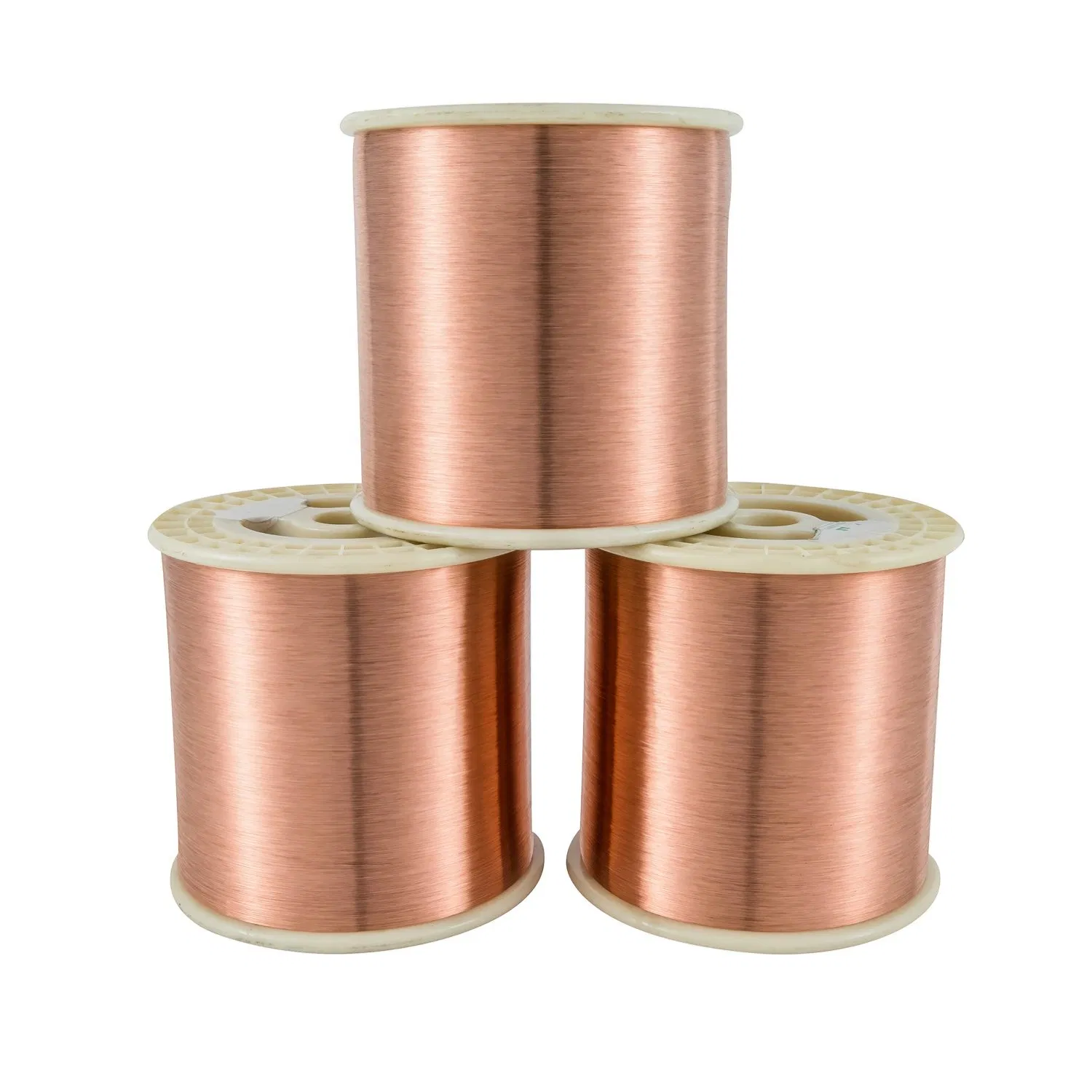
Partner with Luoyang Xinzhaohe for Uncompromised Copper Wire Purity
Luoyang Xinzhaohe Aluminum Co., Ltd leverages over two decades of metallurgical expertise to deliver oxygen-free copper winding wire meeting the most stringent industrial purity standards. While our corporate name reflects foundational experience in aluminum conductor systems, our dedicated copper division operates as a specialized entity within the organization, adhering to ISO 9001 and IATF 16949 certified processes exclusively for high-conductivity copper products. This strategic focus ensures we address the critical nuances of copper wire sourcing without conflating material science principles between dissimilar metals. Our facility employs a vertically integrated production ecosystem, from cathode selection through final annealing, eliminating third-party variables that compromise purity in conventional supply chains.
Purity verification is executed through dual-path analytical protocols. All incoming cathodes undergo Optical Emission Spectroscopy (OES) per ASTM E1086, with trace element limits set below 5 ppm for phosphorus, sulfur, and iron—exceeding ASTM B3 and IEC 60068-2-17 specifications. During continuous casting, molten copper is processed in oxygen-controlled furnaces with residual oxygen levels maintained at ≤10 ppm, verified via LECO combustion analysis. The resulting wire exhibits minimum 101% IACS conductivity at 20°C, with batch-specific test reports providing full elemental breakdowns. Our proprietary annealing atmosphere control system utilizes high-purity nitrogen-hydrogen mixtures, preventing surface oxidation and ensuring consistent grain structure critical for drawability and thermal stability in high-voltage windings.
Process integrity is enforced through real-time monitoring at 12 critical control points. Laser micrometers track diameter tolerances to ±0.001 mm during drawing, while在线 tensile testing validates mechanical properties against ASTM B8 standards. Statistical process control (SPC) databases log 50,000+ data points per production run, enabling predictive correction of drift in elongation or resistivity. This granular oversight ensures batch-to-batch repeatability essential for transformer and motor manufacturers requiring zero-defect wire in automated winding operations. Our traceability system links each spool to furnace melt records, chemical assays, and operator logs via QR codes, facilitating rapid root-cause analysis should deviations occur.
Supply chain resilience is engineered through strategic partnerships with LME-approved copper suppliers and dual-source refining agreements. We maintain 45 days of cathode inventory under climate-controlled storage, mitigating market volatility while guaranteeing uninterrupted production. All shipments include certified mill test reports with full chemical composition, conductivity values, and mechanical properties, formatted for seamless integration into customer quality management systems. For mission-critical applications, we offer customized purity tiers including C10100 (4N+), C10200 (OFE), and application-specific alloys with tailored oxygen content.
Partnering with Luoyang Xinzhaohe eliminates purity-related failure risks in your winding processes. Our technical team provides pre-production material consultancy, including compatibility assessments for enamel insulation systems and thermal aging protocols. Request our Copper Wire Purity Compliance Dossier detailing our testing methodologies, certification scope, and case studies from Tier-1 transformer manufacturers. Initiate a technical review by contacting Cathy Wang at cathy@transformerstrip.com to receive batch-specific conductivity validation data and schedule a virtual factory audit. We commit to delivering copper wire where every ppm of purity is documented, controlled, and guaranteed for your operational excellence.
📉 Factory Direct Savings Calculator
Calculate your potential savings by importing copper wire purity directly from China.