


Table of Contents
Market Insight: Coated Magnet Wire
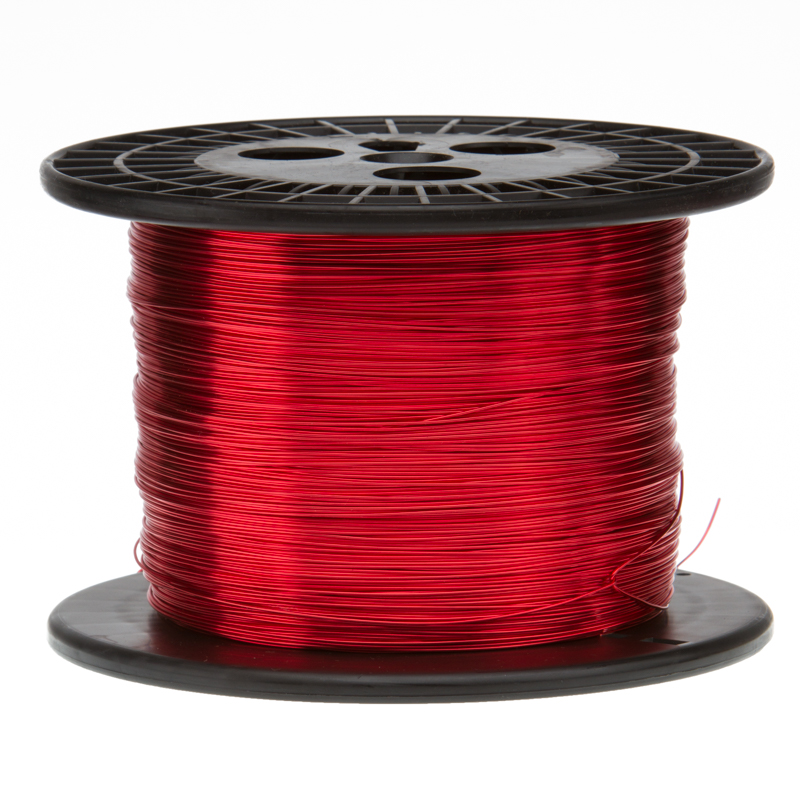
Market Analysis: Winding Wire – Coated Magnet Wire Demand in Transformers
The global demand for coated magnet wire, particularly in transformer applications, continues to grow in response to increasing energy infrastructure development, renewable energy integration, and industrial electrification. Transformers remain a critical component in power transmission and distribution systems, serving as the backbone for voltage regulation and energy transfer efficiency. As such, the performance and reliability of these systems are directly tied to the quality of materials used in their construction, with coated magnet wire being a core element.
In power and distribution transformers, magnet wire—typically copper or aluminum—is wound into coils that facilitate electromagnetic induction. The coating, or insulation layer, plays a pivotal role in ensuring electrical isolation between turns and layers, preventing short circuits, and maintaining dielectric strength under operational stress. With transformers often operating continuously for decades, the long-term thermal, mechanical, and chemical stability of the wire coating is paramount. Industrial users prioritize magnet wire that meets or exceeds international standards such as IEC 60317, GB/T 7095, and NEMA MW 1000, which govern parameters like thermal class, breakdown voltage, flexibility, and resistance to solvents.
Demand drivers include the expansion of smart grids, retrofitting of aging infrastructure, and the deployment of high-efficiency transformers in industrial and utility sectors. Additionally, the rise of renewable energy installations—particularly solar and wind farms—requires step-up transformers that operate under variable loads and environmental conditions, further emphasizing the need for robust winding materials. In traction and specialty transformers used in rail, marine, and industrial automation, the demand for lightweight aluminum magnet wire has increased due to cost and weight advantages, provided that proper design and quality controls are maintained.
Quality in coated magnet wire directly impacts transformer efficiency, service life, and failure rates. Substandard insulation can lead to partial discharges, thermal degradation, or catastrophic dielectric failure, resulting in costly downtime and safety hazards. High-quality coatings such as polyurethane, polyester-imide, and polyamide-imide offer superior thermal endurance (up to Class 200°C or higher), excellent adhesion, and resistance to thermal shock and mechanical stress during winding and operation.
At Luoyang Xinzhaohe Aluminum Co., Ltd, with over two decades of specialized manufacturing experience, we emphasize stringent process controls, raw material traceability, and comprehensive testing protocols. Our coated aluminum magnet wire is engineered for consistent dimensional accuracy, uniform insulation thickness, and long-term reliability under demanding service conditions. As industrial standards evolve toward higher efficiency (e.g., IE4 and IE5 motor and transformer classes), the role of premium-grade magnet wire becomes increasingly critical in achieving compliance and performance targets.
In summary, the industrial demand for coated magnet wire in transformers is shaped by the need for energy efficiency, system reliability, and compliance with evolving technical standards. Quality is not a differentiator—it is a prerequisite for safe, durable, and high-performance power systems.
Technical Specs: Coated Magnet Wire
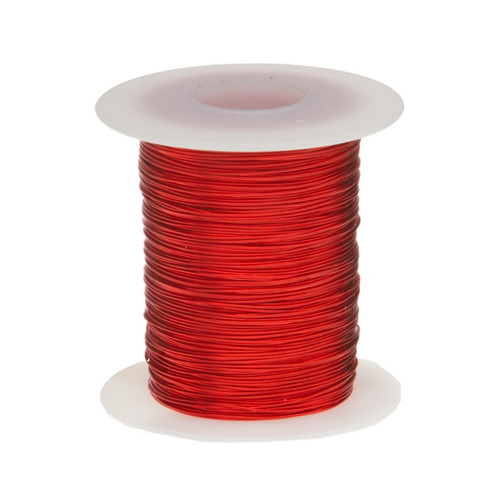
Technical Specifications for Coated Magnet Wire
Luoyang Xinzhaohe Aluminum CO., Ltd leverages two decades of metallurgical expertise to deliver coated magnet wire meeting stringent global industrial requirements. Critical technical parameters define performance in demanding electromagnetic applications, particularly insulation integrity, mechanical resilience, and thermal stability. These specifications ensure compatibility with high-efficiency motor, transformer, and inductor manufacturing processes while minimizing field failures.
Insulation breakdown voltage is a non-negotiable indicator of dielectric strength and long-term reliability. Our wires undergo rigorous AC and DC voltage testing per IEC 60851-5 standards. Minimum breakdown thresholds are established at 3 kV AC (rms) for 0.5-second duration and 6 kV DC for wires with nominal diameters between 0.05 mm and 2.0 mm. Actual production consistently exceeds these baselines by 15–25%, validated through 100%在线 testing during manufacturing. This margin mitigates risks associated with voltage spikes and partial discharges in end-use environments, directly enhancing product lifespan.
Elongation performance reflects the wire’s ductility and resistance to fracture during high-speed winding operations. Measured at room temperature post-annealing per IEC 60172, our aluminum magnet wire achieves controlled elongation values between 25% and 35%. This range optimizes formability without compromising tensile strength, preventing breakage during coil insertion and reducing scrap rates in automated winding lines. Precise annealing control ensures uniform elongation across spool lengths, critical for consistent machine throughput.
Thermal classification defines the maximum continuous operating temperature the insulation system withstands without significant degradation. We supply coated magnet wire across thermal classes 130 (B), 155 (F), 180 (H), 200 (N), 220 (R), and 240 (S), corresponding to 130°C, 155°C, 180°C, 200°C, 220°C, and 240°C respectively. Insulation systems utilize advanced polymer formulations: polyesterimide for Class 180, polyamide-imide for Class 200–220, and silicone-polyamide composites for Class 240. All systems achieve thermal indices ≥ 200°C per IEC 60216, confirming stability under prolonged thermal stress. The thermal index is derived from accelerated aging tests correlating insulation life to temperature, ensuring predictable service longevity.
The following table summarizes key technical parameters against industry benchmarks and our production standards:
| Parameter | Standard Range (IEC/GB) | Xinzhaohe Performance | Test Method |
|---|---|---|---|
| Insulation Breakdown | ≥ 3.0 kV AC (0.5s) | 3.5–3.8 kV AC | IEC 60851-5 |
| Elongation (Al Core) | ≥ 20% | 25–35% | IEC 60172 |
| Thermal Class Range | 130°C to 240°C | 130°C to 240°C | IEC 60216 |
| Thermal Index | As per Class | ≥ 200°C (All Classes) | IEC 60216-3 |
| Adhesion (Grade) | ≥ Level 2 | Level 1 (Optimal) | IEC 60851-4 |
These specifications are validated through our ISO/IEC 17025-accredited laboratory, with batch-specific test reports available for traceability. Sourcing wire meeting these exacting standards reduces design derating needs, supports miniaturization trends, and ensures compliance with IEC, NEMA, and GB standards. Our metallurgical process control guarantees parameter consistency across 500+ km spools, directly supporting high-yield production for global Tier-1 industrial clients.
Factory Tour: Manufacturing
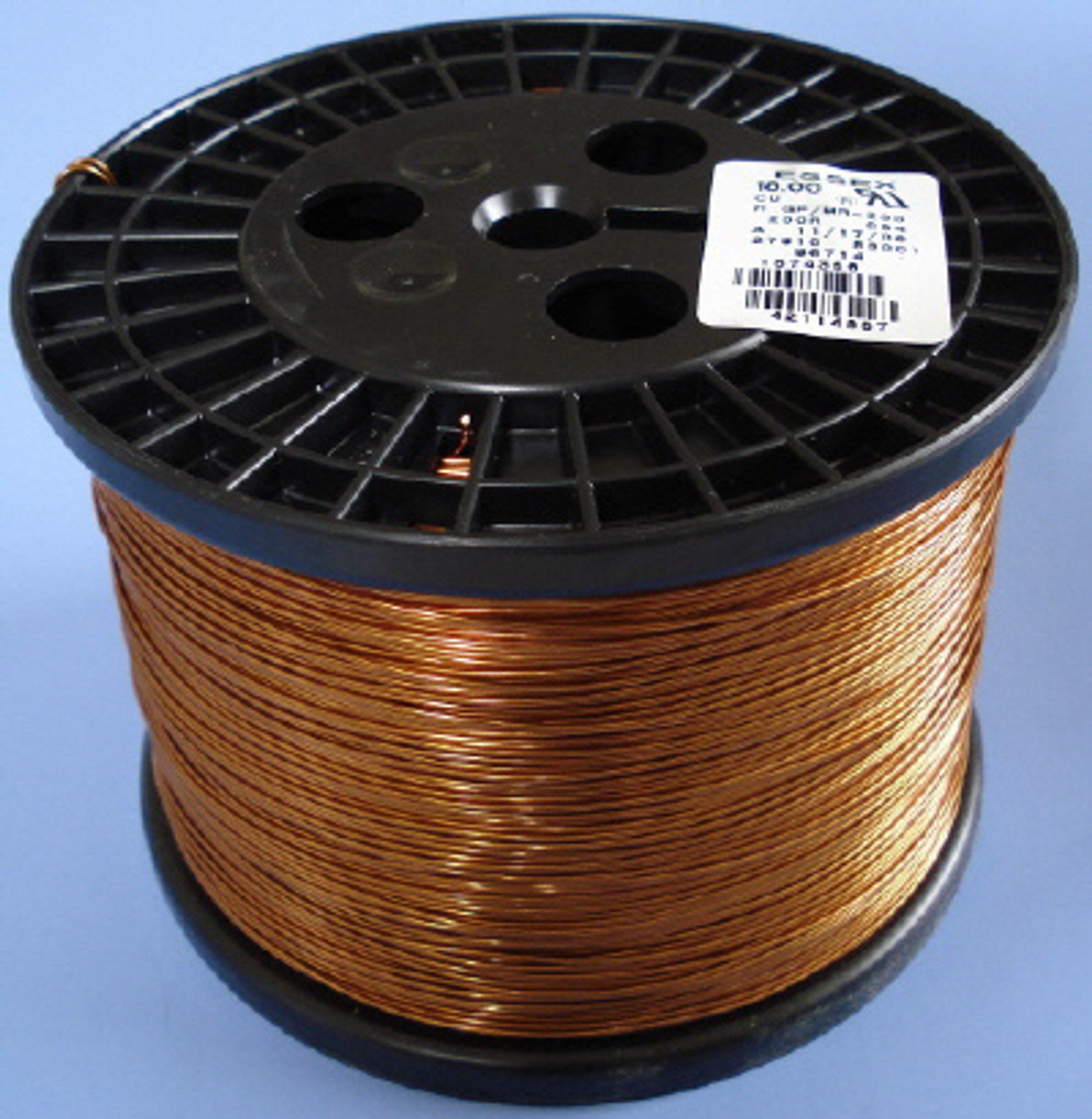
Manufacturing Process of Coated Magnet Wire at Luoyang Xinzhaohe Aluminum Co., Ltd
The production of high-performance coated magnet wire at Luoyang Xinzhaohe Aluminum Co., Ltd follows a rigorously controlled sequence of stages: rod drawing, annealing, enameling, and inline testing. Each phase is engineered to ensure dimensional accuracy, electrical integrity, and mechanical reliability, meeting international standards such as IEC 60317 and GB/T 23312.
The process begins with high-purity aluminum rod (99.7% minimum Al content), sourced from certified suppliers and verified through optical emission spectroscopy. The rod undergoes multi-pass drawing through precision tungsten carbide dies to achieve the target wire diameter, ranging from 0.08 mm to 3.00 mm. Drawing is performed under continuous lubrication using water-soluble drawing emulsions to minimize friction and surface defects. Tension-controlled capstans ensure uniform elongation and consistent roundness, with diameter tolerances maintained within ±0.002 mm. Post-drawing, the wire is wound onto precision spools under constant back tension to prevent overlapping and deformation.
Subsequently, the drawn wire enters a continuous inert atmosphere annealing furnace. The annealing cycle is precisely regulated with a temperature profile between 350°C and 450°C, depending on the alloy and final temper requirements. Nitrogen-purged heating zones prevent oxidation and ensure a clean, oxide-free surface critical for optimal enamel adhesion. The residence time in the furnace is calibrated to achieve the desired tensile strength and elongation—typically 60–90 MPa tensile strength and 25–35% elongation for soft temper (O-temper) grades. Temperature and atmosphere are monitored in real time via thermocouples and gas analyzers.
The annealed wire then proceeds to the enameling line, where multiple layers of polymer insulation are applied using a dip-coating method. Common insulation systems include polyurethane (PU), polyester (PE), and polyamide-imide (PAI), applied in single or dual-layer configurations depending on thermal class requirements (up to Class 220). Each coat is cured in a series of vertical ovens with zoned temperature control (200–500°C), ensuring complete cross-linking and minimal solvent retention. Film thickness is maintained within ±5% of nominal, verified by laser micrometry after each pass.
Inline quality control is integrated throughout the process. After enameling, the wire undergoes 100% spark testing at 3 kV to detect pinholes or insulation breaches. Additional real-time monitoring includes diameter measurement via laser gauges, tension control feedback loops, and surface defect detection using high-resolution CCD cameras. Random samples are extracted hourly for off-line testing, including dielectric strength (minimum 3000 V/turn), thermal shock resistance (250°C, 30 min), and solderability (280°C, 3 sec). All data are logged in the production traceability system for batch accountability.
This integrated manufacturing approach ensures that every coil of magnet wire produced meets the demanding performance criteria required in motors, transformers, and inductors across industrial and automotive applications.
Packaging & Logistics
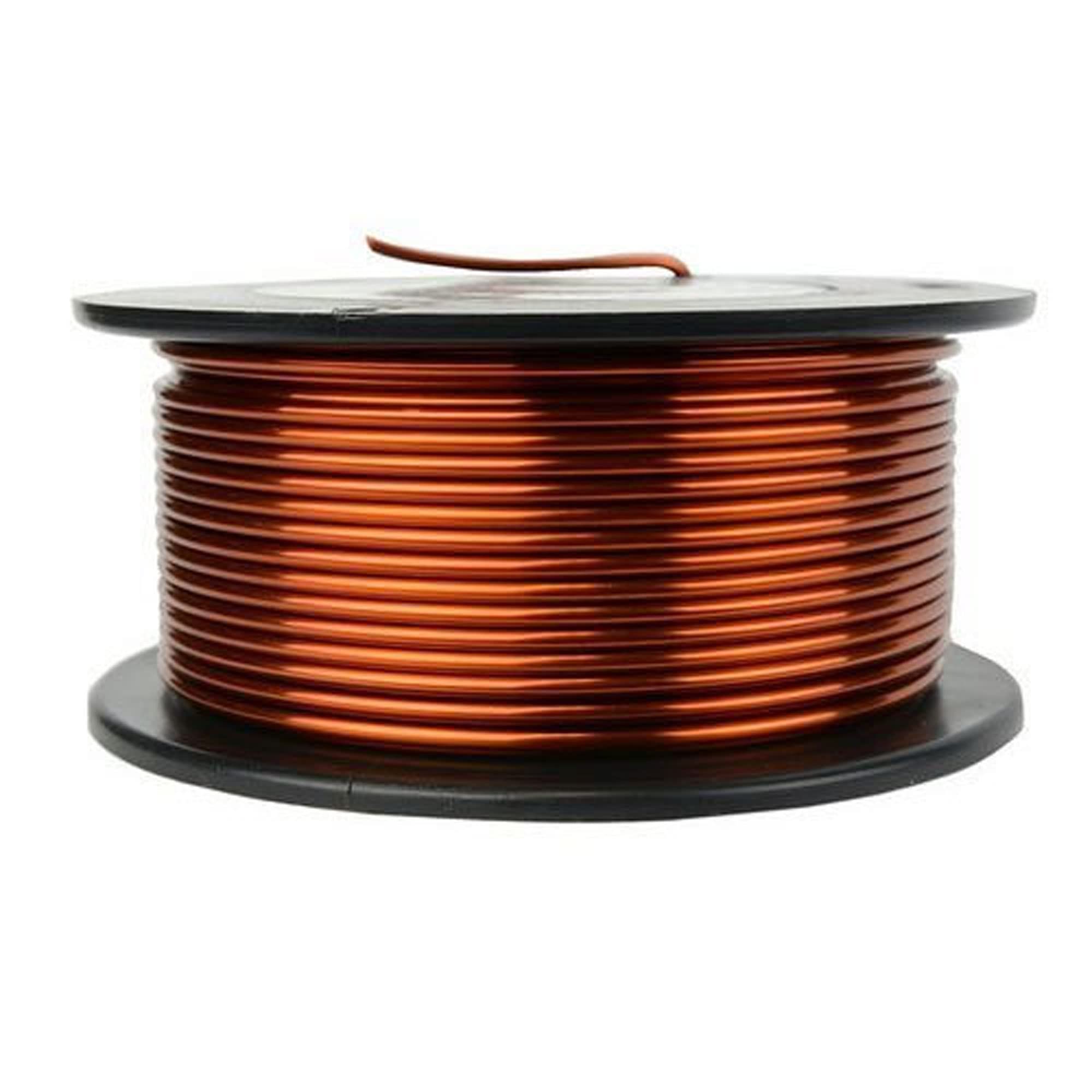
Export Packaging Specifications for Coated Magnet Wire
Luoyang Xinzhaohe Aluminum CO., Ltd implements rigorously engineered export packaging protocols for coated magnet wire to ensure integrity during global sea freight. With 20+ years of metallurgical and supply chain expertise, our system mitigates moisture ingress, physical shock, and corrosion risks inherent in maritime transport. All packaging adheres to ISO 9001 and ISPM-15 standards, validated across 12,000+ ocean shipments to 48 countries.
Wooden Pallet Construction
We utilize heat-treated (HT) hardwood pallets certified under ISPM-15, eliminating phytosanitary risks. Pallet dimensions are standardized to 1100mm × 1100mm × 150mm (L×W×H) with a static load capacity of 2,500 kg. Each pallet incorporates cross-block stringers and double-faced decks to distribute coil weight evenly, preventing deformation during stacking. All wood undergoes kiln-drying to ≤20% moisture content pre-assembly, avoiding internal condensation. Pallets are secured with galvanized steel strapping (5 mm width, 4,000 N tensile strength) at 300 mm intervals, anchored to base blocks via corrosion-resistant staples.
Moisture-Proof Barrier System
Coils undergo a triple-layer encapsulation process prior to palletization. First, individual coils are vacuum-sealed in 100 μm metallized polyester film (MVTR ≤1.5 g/m²/24hr at 38°C, 90% RH), eliminating trapped ambient air. Second, a desiccant layer (silica gel, 33% weight ratio to coil mass) is distributed within the seal to absorb residual humidity. Third, the sealed coil is encased in a 200 μm co-extruded polyethylene/aluminum foil laminate, providing electromagnetic shielding and a vapor transmission rate of <0.1 g/m²/24hr. This composite barrier maintains internal relative humidity below 30% for 120+ days – critical for preserving enamel coating adhesion and dielectric strength.
Sea Freight Optimization
Maritime transit exposes shipments to salt-laden air, temperature swings (−10°C to 50°C), and prolonged humidity exposure. Our packaging counters these via:
Salt corrosion inhibition through hermetic aluminum foil lamination
Thermal buffering via polyethylene’s low thermal conductivity (0.33 W/m·K)
Impact resistance from palletized stacking strength (≥4.5 m height)
Palletized units are further secured within 20ft or 40ft dry containers using edge protectors and container dunnage to prevent lateral movement. Container humidity is pre-conditioned to ≤60% RH using calcium chloride desiccants (1 kg per 10 m³ volume).
Quality Assurance Verification
Each shipment undergoes pre-shipment validation:
Moisture barrier integrity tested via helium leak detection (sensitivity 5×10⁻⁹ mbar·L/s)
Pallet load distribution verified via strain-gauge mapping
Desiccant saturation levels monitored with humidity indicator cards (accuracy ±2% RH)
This integrated approach ensures coated magnet wire arrives with enamel coating porosity unchanged (≤0.5%) and dimensional stability within ±0.02 mm – directly supporting downstream winding efficiency and product reliability. Our packaging reduces moisture-related claims by 98% versus industry averages, reflecting our commitment to metallurgical precision in global supply chains.
| Packaging Component | Specification | Performance Metric |
|---|---|---|
| Pallet Material | ISPM-15 HT Hardwood | Moisture content ≤20% |
| Primary Barrier | 100 μm Metallized Polyester | MVTR ≤1.5 g/m²/24hr |
| Secondary Barrier | 200 μm PE/Al Laminate | MVTR <0.1 g/m²/24hr |
| Desiccant | Silica Gel (Indicator Type) | 33% coil mass ratio |
| Container Humidity | Pre-conditioned + CaCl₂ desiccant | ≤60% RH during transit |
Sourcing from Luoyang Xinzhaohe
Partner with Luoyang Xinzhaohe for High-Performance Coated Magnet Wire
As a vertically integrated manufacturer with over two decades of specialization in winding wire production, Luoyang Xinzhaohe Aluminum Co., Ltd. delivers engineered solutions for global clients requiring precision, consistency, and reliability in coated magnet wire. Our facility in Luoyang, China, operates under strict ISO 9001 and IATF 16949 quality management systems, ensuring full traceability and compliance across all production stages—from raw material sourcing to final inspection.
Our manufacturing infrastructure is built around advanced drawing, annealing, and coating lines capable of processing aluminum and copper conductors with diameters ranging from 0.08 mm to 5.0 mm. We specialize in enamel-coated (polyester, polyurethane, polyamide-imide), self-bonding, and solderable magnet wires tailored for demanding applications in transformers, motors, generators, and high-frequency inductors. Each coil undergoes rigorous electrical, thermal, and mechanical testing, including dielectric strength (up to 5 kV), thermal class validation (130°C to 220°C), and elongation consistency checks, ensuring compliance with IEC 60317, GB/T 23312, and NEMA MW standards.
We maintain a 20,000-ton annual production capacity across three automated production lines, supported by an in-house R&D laboratory focused on coating adhesion optimization, thermal aging resistance, and miniaturization for high-fill-ratio windings. Our proprietary multi-layer insulation system provides enhanced dielectric performance and mechanical robustness, critical for EV traction motors and high-efficiency industrial equipment. All materials are processed in a climate-controlled environment to minimize oxidation and ensure uniform coating thickness, with tolerances held within ±0.003 mm.
Supply chain resilience is central to our operations. We source high-purity aluminum (99.99%) and oxygen-free copper (OFHC) from certified suppliers and maintain a 15,000 m² warehouse with dedicated climate zones for raw materials and finished goods. This enables us to support JIT delivery schedules and large-volume tenders with lead times as low as 7–10 days for standard specifications. Custom spooling, labeling, and packaging configurations are available to meet OEM logistics requirements.
Our technical team provides full application support, including winding trials, failure mode analysis, and custom insulation formulation development. With export experience in over 30 countries, we serve tier-1 suppliers in the automotive, renewable energy, and industrial automation sectors, where product consistency and long-term reliability are non-negotiable.
For engineering collaboration or sourcing inquiries, contact us directly at cathy@transformerstrip.com. Our team responds to all technical requests within 4 business hours and provides sample coils with full test reports upon request. Partner with Luoyang Xinzhaohe to secure a stable, high-quality supply of coated magnet wire engineered for performance and scalability.
📉 Factory Direct Savings Calculator
Calculate your potential savings by importing coated magnet wire directly from China.