


Table of Contents
Market Insight: Solderable Magnet Wire
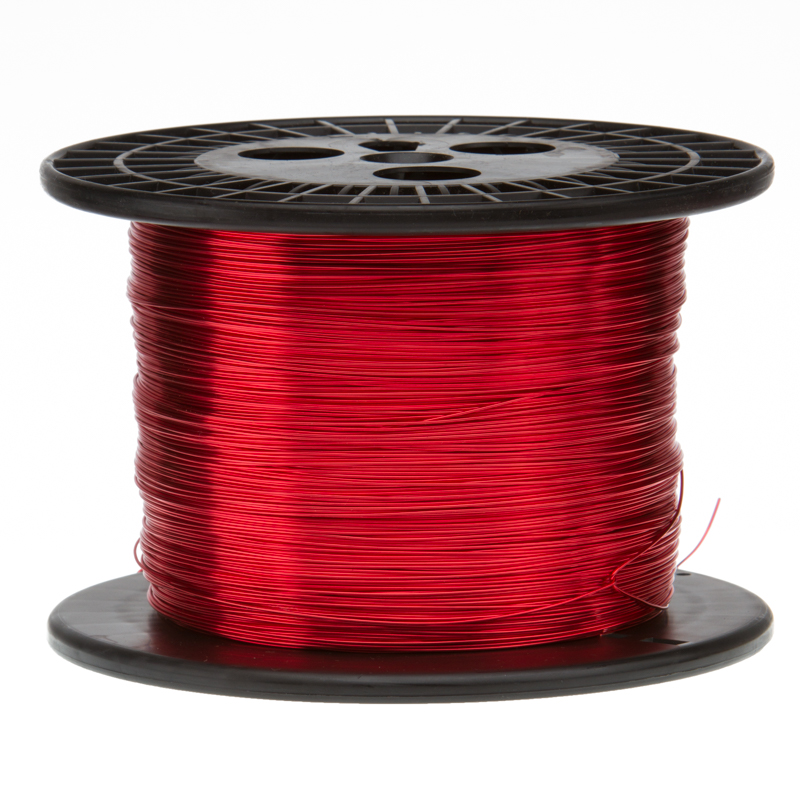
Market Analysis: Solderable Magnet Wire Demand in Transformer Manufacturing
Global transformer production drives sustained industrial demand for high-performance solderable magnet wire, particularly within power distribution, renewable energy integration, and industrial automation sectors. Stringent energy efficiency regulations (e.g., DOE 2016, EU Ecodesign) necessitate advanced winding materials that minimize core and copper losses. Solderable variants—typically polyurethane or polyester-imide base coats with solderable topcoats—have become essential for automated transformer assembly lines. Their adoption accelerates production by eliminating pre-tinning steps while ensuring reliable electrical termination. Current market growth, projected at 5.2% CAGR through 2028, is fueled by grid modernization initiatives and the proliferation of compact, high-frequency transformers in EV charging infrastructure and solar inverters.
Quality integrity in solderable magnet wire directly dictates transformer reliability and lifecycle performance. Substandard coatings exhibit critical failure modes during manufacturing and operation. Inadequate thermal class conformity (e.g., Class 180 vs. required Class 200) causes premature insulation degradation under thermal cycling, leading to inter-turn shorts. Poor solderability consistency—manifested as inconsistent flux activation or residual contaminants—induces electrochemical migration between windings, accelerating dielectric breakdown. Crucially, insufficient coating adhesion during soldering generates micro-cracks (“whiskering”), compromising dielectric strength and enabling moisture ingress. Industry failure analysis indicates that 28% of early-field transformer faults originate from magnet wire defects, predominantly linked to solderable topcoat failures.
The following table summarizes key quality parameters and their operational consequences:
| Parameter | Acceptable Standard | Consequence of Non-Compliance |
|---|---|---|
| Solderability (260°C/5s) | IEC 60317-33 ≤ 5s | Incomplete termination joints; cold solder defects |
| Thermal Shock (200°C) | Zero cracks per IEC 60851-5 | Insulation delamination; short circuits |
| Dielectric Strength | ≥ 3000 Vrms (25µm film) | Reduced surge tolerance; premature failure |
| Flexibility (Mandrel) | 8x conductor diameter | Cracking during winding; localized hotspots |
Supply chain resilience further amplifies quality imperatives. Transformer manufacturers face severe cost penalties from production line stoppages due to wire defects—averaging $18,500/hour in lost throughput. Contaminants from inferior solderable coatings also compromise vacuum pressure impregnation (VPI) processes, increasing scrap rates by up to 12%. Luoyang Xinzhaohe Aluminum’s two decades of metallurgical expertise ensures rigorous control over aluminum conductor purity (≥ 99.99% Al), precise polymer coating viscosity, and accelerated aging validation against IEC 60216 standards. We prioritize batch traceability from molten metal to wound spool, mitigating risks inherent in volatile raw material markets.
Ultimately, solderable magnet wire quality transcends immediate manufacturability—it anchors transformer longevity in increasingly demanding operational environments. Procurement decisions must prioritize suppliers with demonstrable metallurgical process control and failure mode analysis capabilities, not merely cost metrics. The technical margin for error narrows as power density requirements escalate; only rigorously validated materials ensure compliance with evolving IEEE C57 and IEC 60076 reliability benchmarks.
Technical Specs: Solderable Magnet Wire
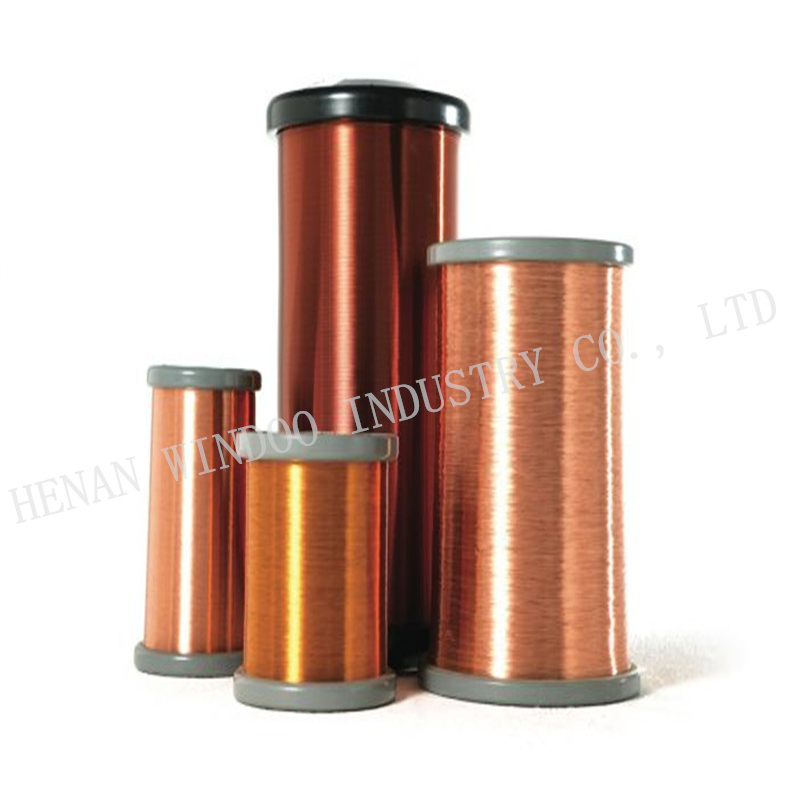
Technical Specifications for Solderable Magnet Wire
Solderable magnet wire is a critical component in electrical and electronic applications requiring reliable winding performance, efficient thermal dissipation, and strong solderability without prior insulation removal. At Luoyang Xinzhaohe Aluminum Co., Ltd., with over two decades of expertise in winding wire manufacturing, we provide solderable magnet wire engineered to meet stringent industrial standards. The following technical specifications outline key performance parameters essential for evaluating and selecting the appropriate grade for motors, transformers, relays, and other electromagnetic devices.
A fundamental performance metric for solderable magnet wire is insulation breakdown voltage, which defines the dielectric strength of the insulation layer under applied electrical stress. Our solderable wires are designed to maintain consistent insulation integrity, with breakdown voltages typically ranging from 3,000 V to 6,000 V RMS for standard single-layer insulation, depending on wire diameter and insulation thickness. This ensures reliable operation in high-voltage environments while minimizing the risk of short circuits or dielectric failure during coil winding and service.
Elongation, measured as the percentage increase in length before fracture during tensile testing, is a key mechanical property that influences wire drawability and winding durability. Our solderable magnet wires exhibit controlled elongation characteristics, typically between 8% and 20%, depending on conductor material (copper or aluminum) and temper. Proper elongation ensures the wire can withstand the mechanical stresses of high-speed winding operations without cracking or breaking, contributing to improved manufacturing yield and coil integrity.
Thermal class defines the maximum continuous operating temperature the insulation system can endure without significant degradation in electrical or mechanical performance. Our product range covers thermal classes from 130°C to 220°C, with insulation systems based on polyurethane, polyester-imide, polyamide-imide, and modified variants that offer self-bonding and solderable properties. Higher thermal classes provide enhanced thermal stability and longer service life in demanding environments such as automotive components, industrial motors, and power electronics.
The solderable feature is achieved through a specialized outer coating—typically a polyurethane layer—that dissolves or fluxes at soldering temperatures (typically 350–450°C), enabling direct soldering to the conductor without mechanical or chemical stripping. This enhances production efficiency and reduces the risk of conductor damage.
The table below summarizes typical technical parameters for our standard solderable magnet wire offerings.
| Parameter | Typical Range | Test Standard |
|---|---|---|
| Insulation Breakdown Voltage | 3,000 – 6,000 V RMS (single layer) | IEC 60317, GB/T 23312 |
| Elongation | 8% – 20% | IEC 60317, ASTM B3 |
| Thermal Class | 130°C, 155°C, 180°C, 200°C, 220°C | IEC 60172, GB/T 11021 |
| Solderability Temperature | 350°C – 450°C (3–5 sec) | IEC 60317-15 |
| Conductor Material | Copper (Cu), Aluminum (Al) | IEC 60182, GB/T 5584 |
| Diameter Range | 0.05 mm – 2.5 mm | IEC 60317, GB/T 23312 |
These specifications are maintained through rigorous in-process quality control and final product testing, ensuring compliance with international standards and customer-specific requirements. Custom configurations are available upon request to meet unique application demands.
Factory Tour: Manufacturing
Manufacturing Process for Solderable Aluminum Magnet Wire
Luoyang Xinzhaohe Aluminum Co., Ltd leverages two decades of metallurgical expertise to produce high-reliability solderable aluminum magnet wire through a rigorously controlled sequence. This process ensures optimal electrical conductivity, mechanical formability, and consistent solderability essential for demanding electromagnetic applications. The production flow begins with high-purity aluminum rod (99.99% min) subjected to multi-pass rod drawing. This cold working operation reduces the rod diameter to the precise final wire gauge using precision tungsten carbide or diamond dies. Critical parameters including reduction ratio per pass, die geometry, lubrication chemistry, and line speed are meticulously managed to achieve stringent dimensional tolerances (±0.002 mm) while minimizing work hardening and surface defects. Tension is maintained within 0.5% tolerance throughout to prevent micro-cracking.
The drawn wire then undergoes a continuous annealing process within a controlled atmosphere furnace. This step is paramount for solderability, as it eliminates residual stresses from drawing and achieves the target temper (typically fully annealed O-temper). The wire passes through a hydrogen-nitrogen forming gas atmosphere at precisely regulated temperatures (350±15°C) for a defined dwell time. This environment prevents surface oxidation and ensures uniform recrystallization, optimizing electrical conductivity (>61% IACS) and ductility. Oxygen levels within the furnace are maintained below 10 ppm to guarantee a clean, oxide-free surface critical for subsequent enamel adhesion and solder wetting.
Enameling applies the solderable insulation system via a multi-zone coating and curing process. The wire traverses precision applicator dies where a proprietary thermosetting polymer resin—formulated for direct solderability without pre-tinning—is applied in multiple thin layers. Each layer undergoes immediate UV or thermal curing under strictly controlled temperature profiles and dwell times to ensure complete cross-linking without thermal degradation. The final enamel build thickness adheres to IEC 60317 standards, providing dielectric strength >1200 Vrms for 0.1mm wire while maintaining the solderable surface characteristic. Cure oven oxygen levels are kept below 50 ppm to prevent enamel discoloration and ensure consistent solderability.
Comprehensive inline testing occurs continuously throughout the line. Spark testing at 3 kV verifies dielectric integrity of the enamel insulation. Diameter is monitored via laser micrometers with 0.1µm resolution, feeding real-time data to automatic die adjustment systems. Tensile strength and elongation are periodically validated per ASTM B557. Crucially, automated solderability testing using the dip-and-look method per IEC 60172 is integrated, measuring wetting time and spread area on every production batch to confirm reliable solder joint formation. Final QC includes 100% visual inspection for surface defects and rigorous sampling for adhesion, flexibility, and thermal endurance per IEC 60216. This integrated approach guarantees solderable magnet wire meeting the highest industrial performance and reliability benchmarks.
Packaging & Logistics
Export Packaging for Solderable Magnet Wire – Ensuring Integrity During Sea Freight
At Luoyang Xinzhaohe Aluminum Co., Ltd, with over two decades of specialized manufacturing experience in winding wire products, we recognize that export packaging is not merely a logistical step but a critical component in preserving product integrity, particularly for sensitive materials such as solderable magnet wire. Given the hygroscopic nature of insulation coatings and the risk of mechanical damage during extended transit, our export packaging protocol is engineered to meet the rigorous demands of international sea freight.
All solderable magnet wire shipments are systematically loaded onto robust, ISPM-15 compliant wooden pallets. These pallets are constructed from kiln-dried hardwood, ensuring structural stability under heavy stacking and resistance to deformation in high-humidity environments typical of maritime transport. Each coil is securely fastened to the pallet using steel or polymer strapping, minimizing axial and radial movement during vessel loading, unloading, and over-the-road handling. This mechanical stabilization prevents coil deformation, which could otherwise compromise winding performance or lead to insulation abrasion.
Immediately following palletization, the entire assembly is wrapped in multi-layer moisture-proof film. This film consists of a laminated structure incorporating aluminum foil and high-density polyethylene (HDPE), providing a vapor transmission rate of less than 0.1 g/m²·day at 38°C and 90% relative humidity. The wrapping process employs a stretch-wrap turntable system to ensure uniform tension and complete encapsulation, with a minimum of six overlapping layers applied. Seams are heat-sealed and reinforced with waterproof tape to eliminate potential ingress points. Additionally, desiccant packs rated for 500–1000 g water absorption are placed within the sealed envelope, further buffering against residual or fluctuating moisture.
To validate packaging efficacy, we conduct routine climate simulation tests in controlled chambers, subjecting packaged coils to 95% RH at 40°C for up to 30 days—conditions exceeding typical sea transit exposure. Post-test evaluation includes visual inspection for condensation, measurement of insulation resistance, and assessment of solderability per IEC 60317-0-4 standards. Results consistently confirm that our packaging maintains coil performance within specification.
Labeling is executed in compliance with international shipping regulations, including GHS-compliant hazard tags (where applicable), handling indicators (e.g., “Do Not Invert”), and barcode-tracked batch identifiers. Pallet dimensions and gross weights are optimized to align with standard container configurations (20’ and 40’ HC), maximizing space utilization while adhering to CSC safety thresholds.
This comprehensive packaging strategy reflects our commitment to delivering solderable magnet wire in optimal condition, regardless of destination. By integrating structural reinforcement, moisture barrier technology, and process validation, we ensure that every shipment arrives ready for immediate use in precision winding applications.
Sourcing from Luoyang Xinzhaohe
Partner with Luoyang Xinzhaohe for Solderable Magnet Wire Excellence
Luoyang Xinzhaohe Aluminum Co., Ltd leverages over two decades of specialized metallurgical and manufacturing expertise to deliver solderable magnet wire meeting the most stringent global electrical component demands. Our vertically integrated facility in Luoyang, China, operates under rigorous ISO 9001 and IATF 16949 certified quality management systems, providing complete control from raw material sourcing through final testing. This integration ensures unparalleled consistency in critical parameters essential for reliable solderability and winding performance, directly impacting your end-product yield and longevity.
Metallurgical Process Control forms the cornerstone of our solderable wire production. We utilize high-purity 1350-H19 aluminum rod, meticulously processed through proprietary annealing profiles to achieve precise tensile strength and elongation characteristics. This foundational control is vital for maintaining wire integrity during high-speed winding and subsequent soldering operations where thermal shock resistance is paramount. Our advanced enamel coating lines apply thermosetting polymer formulations with micron-level precision, ensuring uniform thickness and exceptional interfacial adhesion between the aluminum conductor and the solderable insulation layer. This adhesion prevents delamination during solder bath immersion, a critical failure point in inferior products, while maintaining the required dielectric strength per IEC 60317 standards.
Comprehensive Quality Assurance is embedded at every production stage. In-process monitoring includes continuous diameter measurement via laser micrometers, real-time enamel thickness verification, and automated spark testing. Final product validation extends beyond standard electrical tests to include rigorous solderability assessments per IEC 60317-0-1 Class 200 requirements. We conduct controlled solder dip tests at specified temperatures and durations, quantitatively measuring wetting time and adhesion strength to guarantee consistent, void-free solder joints essential for transformer and inductor reliability. Batch traceability is maintained from ingot to shipment, supported by detailed material test reports (MTRs) documenting all critical mechanical, electrical, and solderability data.
Supply Chain Resilience is engineered into our operations. Strategic raw material partnerships secure consistent high-purity aluminum supply, mitigating market volatility. Our 15,000 MT annual production capacity features dedicated solderable wire lines with rapid changeover capabilities, enabling flexible lot sizing from prototype to high-volume runs. Efficient logistics coordination through Ningbo and Shanghai ports ensures reliable on-time delivery to global destinations, supported by robust inventory management systems minimizing lead time uncertainty. This operational stability protects your production schedules against common supply chain disruptions.
Partnering with Luoyang Xinzhaohe provides access to deep technical metallurgical knowledge applied to aluminum magnet wire manufacturing. We collaborate closely with engineering teams to resolve application-specific challenges, from optimizing wire performance in high-frequency transformers to ensuring compatibility with automated soldering processes. Our commitment is to deliver not just wire, but a validated solution enhancing your product’s manufacturability and field performance. Initiate a technical consultation to discuss your specific solderable magnet wire requirements and receive sample reels for direct performance validation against your manufacturing criteria. Contact Cathy Zhang directly at cathy@transformerstrip.com to schedule an engineering review and secure a competitive quotation backed by 20 years of winding wire specialization.
📉 Factory Direct Savings Calculator
Calculate your potential savings by importing solderable magnet wire directly from China.