

Table of Contents
Market Insight: Enamelled Wire Meaning
Industrial Demand for Enamelled Wire in Transformers: A Technical Perspective
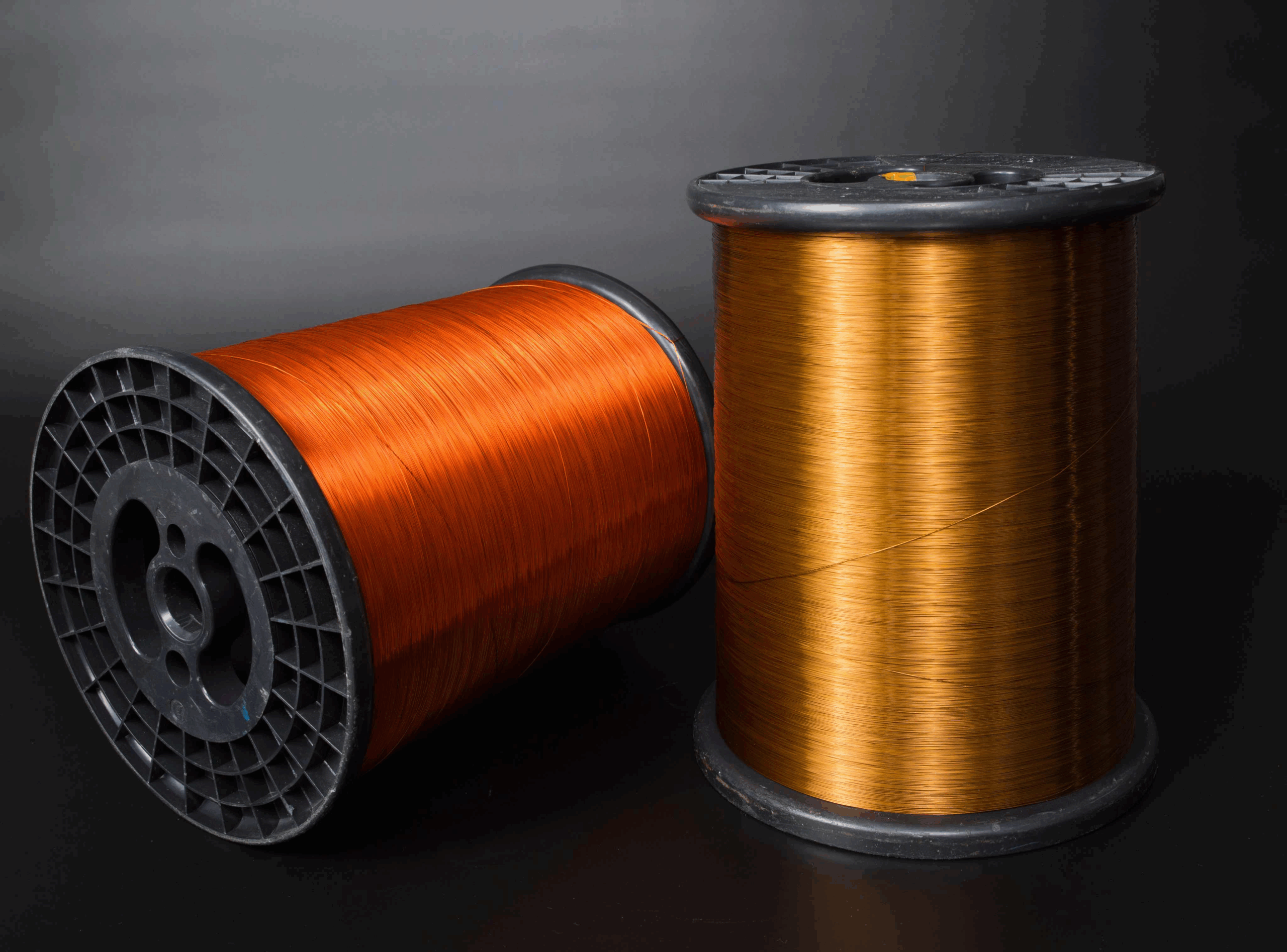
Enamelled wire, also known as magnet wire, is a copper or aluminum conductor coated with a thin layer of electrical insulation, typically composed of polymer-based enamel. In the context of power and distribution transformers, enamelled aluminum wire plays a critical role in enabling efficient electromagnetic induction by forming the winding structure where current flows generate magnetic fields. The industrial demand for high-performance enamelled wire has grown steadily, driven by global expansion in power infrastructure, renewable energy integration, and the increasing need for energy-efficient electrical systems.
Transformers are fundamental components in electrical power transmission and distribution networks. They rely on tightly wound coils made from conductive wire to step up or step down voltage levels with minimal energy loss. The choice of winding material—particularly aluminum-based enamelled wire—has significant implications for performance, cost, weight, and longevity. Aluminum offers a favorable balance of conductivity, density, and cost compared to copper, making it a preferred option in large-scale transformer manufacturing, especially in medium and high-voltage applications where weight reduction and material efficiency are critical.
The demand for high-quality enamelled wire in transformer manufacturing is not merely a function of conductivity but also of dielectric strength, thermal stability, mechanical durability, and chemical resistance. The enamel insulation must withstand high electric fields without breakdown, maintain integrity under repeated thermal cycling (typically up to Class 200°C or higher), and resist cracking during coil winding and transformer operation. Inferior insulation can lead to short circuits, partial discharges, and premature transformer failure—issues that compromise grid reliability and increase lifecycle costs.
At Luoyang Xinzhaohe Aluminum Co., Ltd., with over two decades of specialization in aluminum-based winding wire, we emphasize stringent process control in both conductor drawing and enamel coating. Our production protocols ensure uniform wire diameter, precise tensile strength, and consistent insulation thickness—parameters that directly affect winding density, heat dissipation, and overall transformer efficiency. We utilize advanced polymer coatings such as polyurethane, polyester-imide, and polyamide-imide, selected based on the thermal class and application requirements of the end user.
Furthermore, the global shift toward energy-efficient transformers (e.g., meeting DOE 2016 or IEC 60076 standards) has intensified the need for superior-grade enamelled aluminum wire. High-efficiency transformers minimize no-load and load losses, both of which are influenced by the electrical and thermal performance of the winding system. Poor-quality wire with inconsistent coating or impurities in the aluminum core increases resistive losses and hotspot formation, directly undermining efficiency targets.
In summary, the industrial demand for enamelled wire in transformers is intrinsically linked to the pursuit of reliability, efficiency, and cost-effective power management. As transformer designs evolve to meet modern grid demands, the quality of the winding wire becomes a decisive factor in system performance. Manufacturers must source materials from suppliers with proven metallurgical expertise, consistent quality assurance, and deep technical understanding of electromagnetic applications.
Technical Specs: Enamelled Wire Meaning
Technical Specifications for Enamelled Aluminum Winding Wire
Enamelled wire, technically termed magnet wire, refers to conductors insulated with a continuous polymeric film applied via precision coating and curing processes. At Luoyang Xinzhaohe Aluminum CO., Ltd., with over 20 years of metallurgical and supply chain expertise in aluminum winding wire production, we define critical specifications ensuring reliability in motor, transformer, and inductor applications. Unlike copper counterparts, aluminum wire demands stringent control of material purity (min. 99.7% Al) and annealing to offset inherent ductility limitations while maintaining electrical conductivity (min. 61% IACS). The polymer insulation—typically polyurethane, polyesterimide, or polyamide-imide—must adhere flawlessly to the aluminum substrate under thermal and mechanical stress. Below are non-negotiable parameters governing performance and compliance.
Insulation breakdown voltage quantifies dielectric integrity under electrical stress, measured per ASTM D149 using step-voltage testing at 500 V/s. For aluminum magnet wire, this parameter is critically influenced by surface oxide stability and coating uniformity. Typical minimum values range from 1.5 kV to 6.0 kV depending on nominal diameter (0.05–3.0 mm) and insulation class. Values below 1.5 kV risk catastrophic failure in high-voltage windings, while excessive thickness compromises slot fill efficiency. Our production rigorously validates breakdown strength at 150% of operational voltage to ensure margin against transient surges.
Elongation, measured via IEC 60172 tensile testing, reflects ductility during coil winding. Aluminum’s lower inherent elongation (8–25%) versus copper necessitates precise temper control. Values below 8% cause cracking during tight-radius winding, while exceeding 25% may indicate insufficient annealing, reducing thermal stability. We enforce batch testing at 0.5–2.0 mm diameters, targeting 12–18% elongation to balance formability and mechanical resilience.
Thermal class defines maximum continuous operating temperature per IEC 60185, directly correlating to insulation polymer chemistry and thermal endurance. Our aluminum wire spans Class B (130°C) to Class H (180°C), with specialized grades reaching 220°C (Class C). Critical to note: aluminum’s higher coefficient of thermal expansion requires insulation formulations with matched CTE to prevent delamination. Each class undergoes 20,000-hour aging tests at peak temperature; failure occurs when elongation drops below 5% or breakdown voltage falls 50%.
Key Parameter Summary for Aluminum Enamelled Wire
| Parameter | Standard Test Method | Typical Range | Critical Notes for Aluminum Wire |
|---|---|---|---|
| Insulation Breakdown Voltage | ASTM D149 | 1.5–6.0 kV (diameter-dependent) | Surface oxide control essential; aluminum requires thinner coatings than copper for equivalent voltage |
| Elongation | IEC 60172 | 8–25% | Target 12–18% for optimal winding yield; below 8% risks insulation fracture |
| Thermal Class | IEC 60185 | 130°C (B) to 220°C (C) | Class ≥180°C requires polyamide-imide topcoats; CTE matching critical to prevent thermal fatigue |
These specifications form the bedrock of reliable electromagnetic component design. At Luoyang Xinzhaohe, we integrate metallurgical precision—controlling grain structure via proprietary annealing—with polymer science to deliver wires meeting IEC 60317 standards. Sourcing decisions must prioritize certified test reports for these parameters, as deviations directly impact product lifespan and safety. Our supply chain ensures traceability from billet to bobbin, with third-party validation of all critical specs for global OEM compliance.
Factory Tour: Manufacturing
Manufacturing Process of Enamelled Aluminum Winding Wire at Luoyang Xinzhaohe Aluminum Co., Ltd
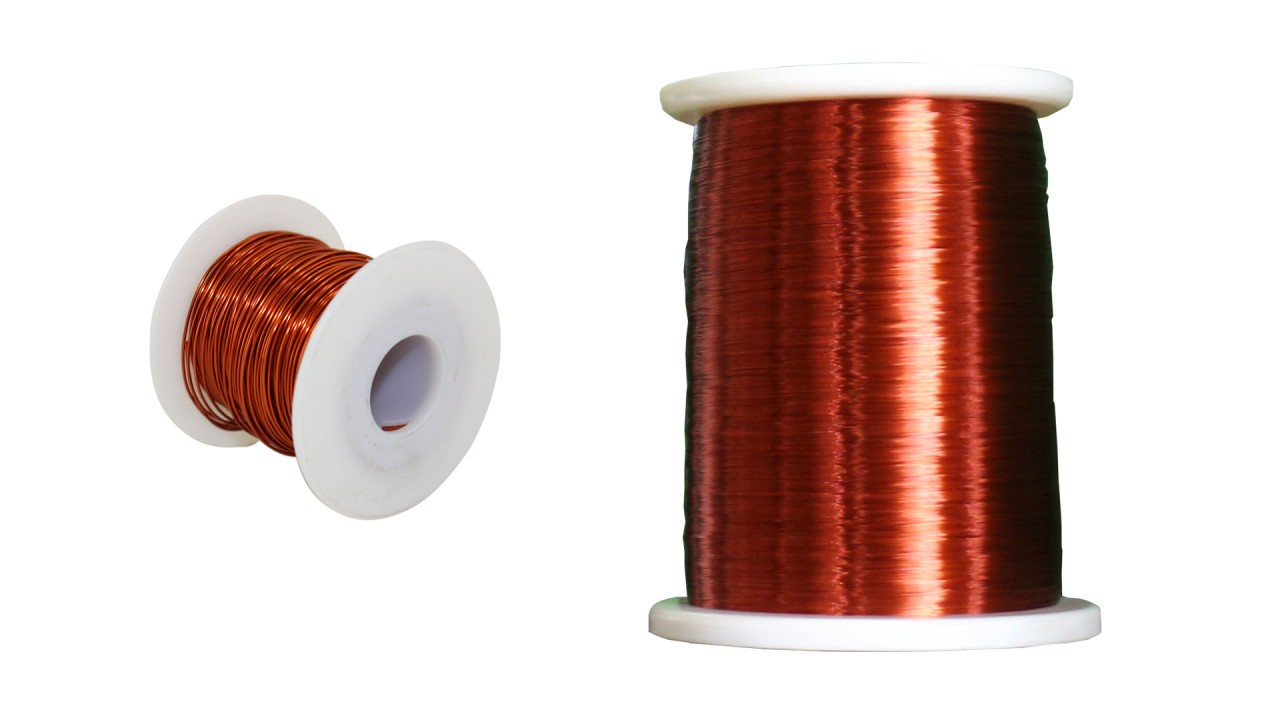
The production of high-performance enamelled aluminum winding wire at Luoyang Xinzhaoahaohe Aluminum Co., Ltd follows a tightly controlled, multi-stage manufacturing process designed to ensure consistent electrical, mechanical, and thermal properties. With over two decades of metallurgical and process engineering expertise, our facility integrates precision equipment and rigorous quality control protocols across each phase: rod drawing, annealing, enameling, and inline testing.
The process begins with high-purity aluminum rod (Grade 1350 or 1370, 99.5% minimum purity), which undergoes rod drawing to achieve the target wire diameter. Using multi-die drawing blocks and precision capstans, the rod is reduced incrementally under controlled tension and lubrication conditions. This cold working process enhances tensile strength while maintaining dimensional accuracy. Throughout drawing, diameter is continuously monitored via laser micrometers to ensure tolerance compliance, typically within ±0.005 mm for fine gauges.
Following drawing, the wire enters the continuous annealing stage. A controlled resistance heating system raises the wire temperature to 350–450°C in an oxygen-free nitrogen atmosphere, relieving internal stresses and restoring ductility. This recrystallization process is critical for achieving the required elongation (typically 15–30%) and bendability for subsequent winding applications. Temperature uniformity and residence time are precisely regulated to prevent over-annealing or oxide formation.
The annealed wire then proceeds to the enameling line, where a thin, uniform layer of polymer insulation is applied. Depending on the grade and end-use requirements, single, double, or triple coatings may be applied using precision die systems. Common insulation materials include polyurethane (PU), polyester (PE), polyamide-imide (PAI), or combinations such as PE-Polyamide (PE-NY). Each coat is cured in a series of high-efficiency ovens with zoned temperature control, ensuring complete cross-linking and thermal stability. Film build is maintained within ±1 µm tolerance to balance dielectric strength and space factor.
Immediately after enameling, the wire undergoes inline electrical and mechanical testing. High-voltage breakdown testing (typically 3–6 kV) verifies dielectric integrity. Additional checks include continuity testing, scrape resistance, thermal shock, and winding flexibility. These tests are conducted in real time, with automated feedback systems triggering rejection of non-conforming sections.
Quality control is embedded throughout the process. In-process inspections include hourly checks of diameter, insulation thickness, elongation, and adhesion. Final product is sampled per IEC 60317 and GB/T 23312 standards for full certification. All data is logged for traceability, supporting our ISO 9001-certified quality management system.
This integrated approach ensures that every spool of enamelled aluminum wire delivered by Luoyang Xinzhaohe meets the performance demands of motors, transformers, and electronic components in industrial, automotive, and consumer applications.
Packaging & Logistics
Export Packaging System for Enamelled Aluminum Winding Wire
Luoyang Xinzhaohe Aluminum CO.,LTD implements a rigorously engineered export packaging system specifically designed to safeguard the integrity of enamelled aluminum winding wire during global sea freight transit. Our two-decade specialization in aluminum electromagnetic wire production dictates that packaging is not merely containment but a critical technical barrier against the severe environmental stresses inherent in ocean transport. The primary threats—salt-laden atmospheres, extreme humidity fluctuations, and condensation within shipping containers—demand a solution exceeding standard industry practices, particularly given aluminum’s susceptibility to surface oxidation and pitting corrosion which directly compromises electrical performance and winding characteristics.
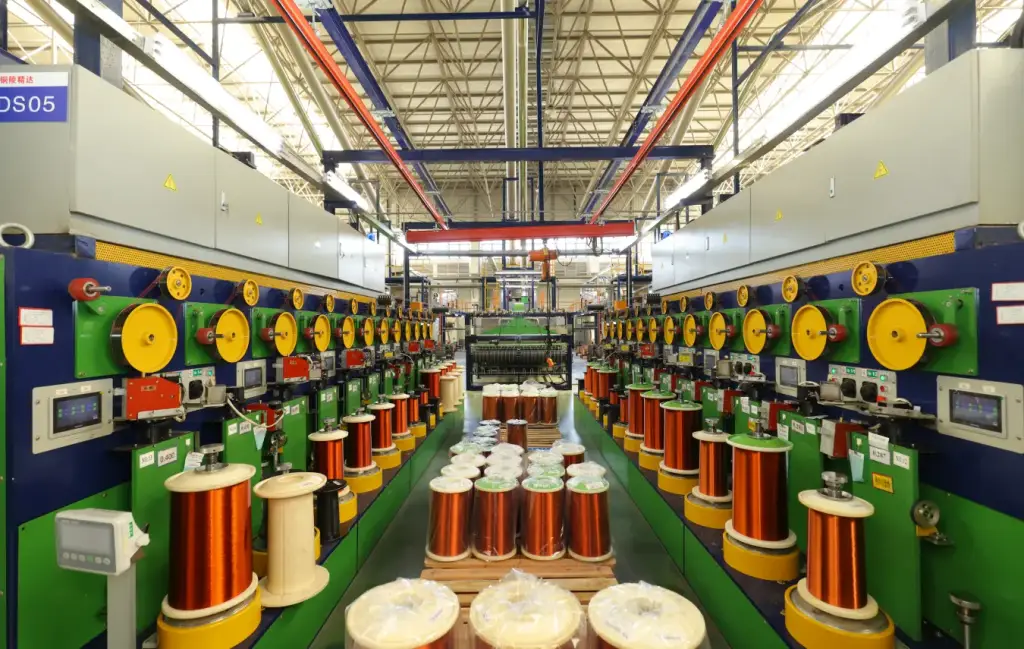
The foundation of our system utilizes ISPM 15 certified heat-treated wooden pallets. These pallets provide essential structural stability during multi-modal handling and container stacking. Crucially, they are constructed from kiln-dried softwood meeting international phytosanitary standards, eliminating the risk of pest infestation and subsequent cargo rejection at destination ports. Each pallet is dimensionally optimized for the specific coil weight and diameter, preventing deformation under load and ensuring secure unitization. Coils are firmly secured to the pallet base using high-tensile steel strapping applied at precise tension levels, verified by calibrated equipment, to prevent shifting during vessel motion or crane operations.
The paramount defense against moisture ingress is a multi-layer moisture-proof barrier system. We employ industrial-grade metallized cast polypropylene film with integrated Volatile Corrosion Inhibitor (VCI) technology as the primary wrap. This film is distinct from basic polyethylene due to its significantly lower water vapor transmission rate (WVTR) and active corrosion inhibition properties. The VCI molecules vaporize within the sealed environment, forming a molecular layer on the aluminum conductor surface that actively disrupts the electrochemical corrosion process. Key film specifications include:
| Parameter | Value | Standard |
|---|---|---|
| Film Thickness | 120 µm minimum | ASTM D882 |
| WVTR | ≤ 0.5 g/m²/24h @ 38°C, 90% RH | ASTM E96 |
| VCI Protection | 24 months minimum | ASTM D6098 |
Coils undergo meticulous wrapping: the film is applied under controlled tension to eliminate air pockets and ensure complete coverage, including the critical flange edges. All seams and termination points are hermetically sealed using specialized heat-sealing tape, creating a continuous, impermeable envelope. This sealed unit is then encased within an additional outer layer of heavy-duty polyethylene shrink film, further reinforced at the pallet base to prevent capillary wicking of moisture. The entire wrapped unit undergoes 100% visual and leak testing via vacuum decay methods prior to container loading.
This integrated approach—combining certified structural pallets with scientifically validated active moisture barrier technology—ensures the aluminum substrate arrives at the customer’s facility with its pristine surface oxide layer intact and the enamel insulation undamaged. It directly mitigates the risk of inter-turn faults, reduced breakdown voltage, or increased DC resistance caused by transit-induced corrosion. For global windings manufacturers reliant on consistent wire performance, Luoyang Xinzhaohe’s export packaging is a non-negotiable component of our quality commitment, guaranteeing the technical specifications defined at production are maintained through the logistical chain.
Sourcing from Luoyang Xinzhaohe
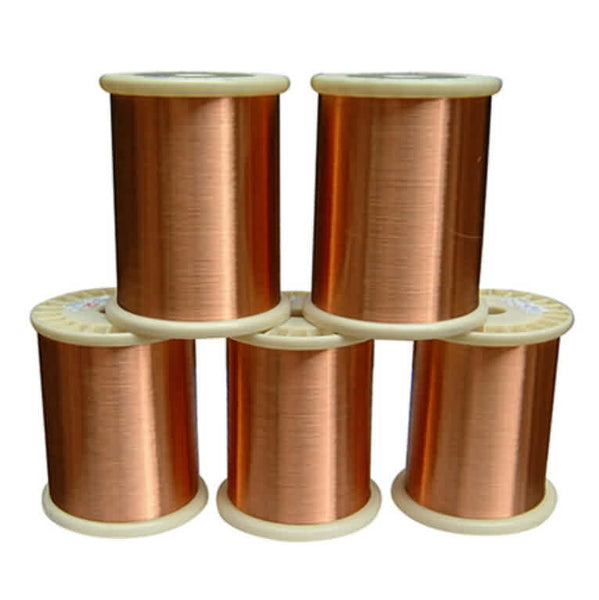
Partner with Luoyang Xinzhaohe for Excellence in Enamelled Winding Wire Production
Luoyang Xinzhaohe Aluminum Co., Ltd. stands as a leading industrial manufacturer in the field of aluminum winding wire, with over two decades of specialized expertise in the design and production of high-performance enamelled conductors. Since our establishment, we have focused on delivering technically advanced, reliable materials for the global transformer, motor, and inductor industries. Our deep-rooted experience in metallurgy and wire processing ensures that every product meets the stringent electrical, thermal, and mechanical demands of modern electromagnetic applications.
Our manufacturing facility integrates fully automated production lines with precision process control systems, enabling consistent quality across large-volume orders. We utilize high-purity aluminum (99.7% Al minimum) sourced from certified suppliers, processed through controlled casting, continuous extrusion, and multi-stage drawing to achieve precise dimensional tolerances. The aluminum wire is then coated with advanced polymer insulation systems—including polyesterimide (PEI), polyamide-imide (PAI), and other thermosetting resins—applied via optimized enamel dipping and curing processes. These coatings provide superior dielectric strength, thermal endurance up to 200°C (Class H), and excellent resistance to thermal shock, abrasion, and chemical exposure.
Quality assurance is embedded throughout our production workflow. We conduct in-line monitoring of coating thickness, diameter variation, elongation, and breakdown voltage using calibrated metrology systems. Every batch undergoes rigorous testing per IEC 60317, GB/T 23312, and other international standards, ensuring full compliance with global technical specifications. Our laboratory is equipped with thermal aging ovens, high-voltage testers, tensile strength analyzers, and adhesion evaluation tools to validate long-term reliability under operational stress.
As a vertically integrated supplier, Luoyang Xinzhaohe maintains control over critical stages—from aluminum billet preparation to final spooling—enabling faster lead times, better cost efficiency, and enhanced customization capability. We support OEMs and component manufacturers with tailored solutions, including custom conductor diameters (0.08 mm to 5.0 mm), multi-layer insulation schemes, and specialized packaging configurations for automated winding equipment.
With a strong commitment to innovation and customer collaboration, we have built long-term partnerships across Asia, Europe, and North America. Our engineering team works closely with clients to optimize wire performance for specific applications, whether in high-efficiency distribution transformers, traction motors, or renewable energy systems.
For sourcing managers and technical procurement teams seeking a dependable, technically proficient partner in enamelled aluminum winding wire, Luoyang Xinzhaohe offers proven capability, consistent quality, and responsive service.
Contact us today to discuss your requirements
Cathy Zhang | International Sales Manager
Email: cathy@transformerstrip.com
📉 Factory Direct Savings Calculator
Calculate your potential savings by importing enamelled wire meaning directly from China.