


Table of Contents
Market Insight: Silicon Steel Applications
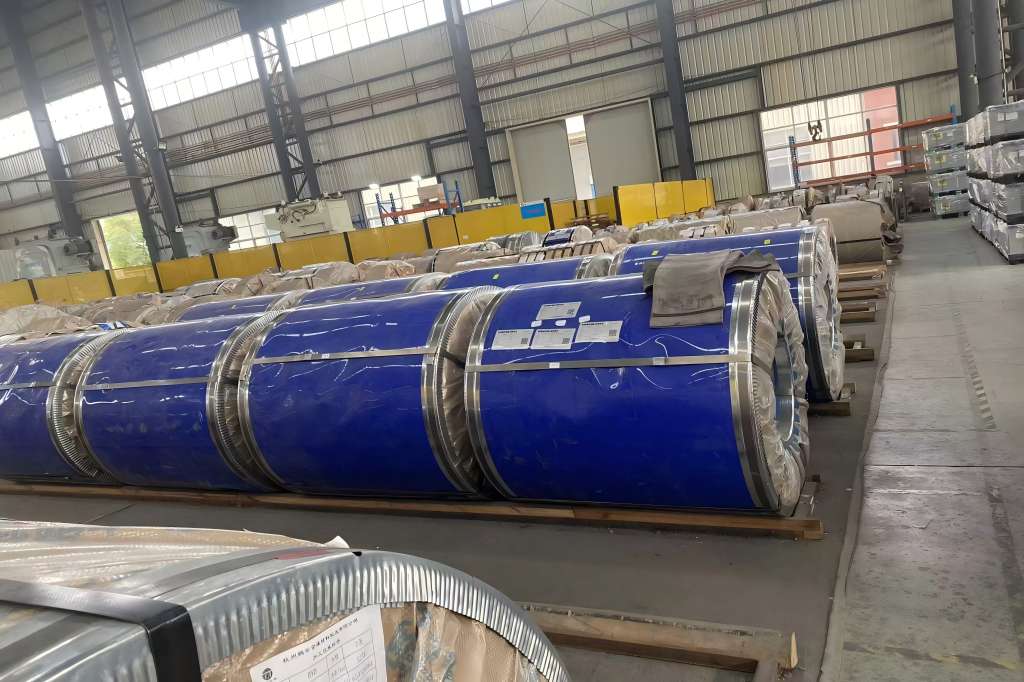
Market Analysis: Silicon Steel (Electrical Steel)
Silicon steel, commonly referred to as electrical steel, is a critical ferromagnetic material engineered for optimal electromagnetic performance in power conversion and transmission systems. Its primary application lies in the construction of transformer cores, where it serves as the foundational material for efficient energy transfer. The global demand for silicon steel is intrinsically linked to the expansion and modernization of electrical infrastructure, renewable energy integration, and industrial electrification. As power grids evolve to accommodate higher efficiency standards and reduced energy losses, the reliance on high-quality grain-oriented silicon steel (GOES) has intensified, particularly in large-scale distribution and power transformers.
Transformers represent one of the most significant end-use segments for silicon steel, accounting for over 60% of total consumption in the electrical steel market. The core function of a transformer—transferring electrical energy between circuits via electromagnetic induction—depends heavily on the magnetic properties of the core material. Silicon steel is preferred due to its high magnetic permeability, low core loss, and excellent saturation flux density. These characteristics directly influence transformer efficiency, thermal performance, and operational lifespan. In this context, even marginal improvements in material quality translate into substantial reductions in no-load losses, which are a dominant factor in long-term energy consumption and lifecycle costs.
The importance of material quality cannot be overstated. High-grade grain-oriented silicon steel exhibits a highly aligned crystalline structure, enabling superior magnetic flux orientation along the rolling direction. This anisotropy reduces hysteresis and eddy current losses, which are primary contributors to energy dissipation in transformer cores. Inferior grades or non-compliant materials often result in elevated operating temperatures, increased noise levels, and accelerated insulation degradation—factors that compromise reliability and increase total cost of ownership. Regulatory frameworks such as the IE (International Efficiency) standards and DOE (U.S. Department of Energy) efficiency mandates now enforce stringent loss limits, effectively mandating the use of premium-grade silicon steel in new transformer installations.
From a supply chain perspective, consistent material performance is paramount. Variability in thickness, coating uniformity, or magnetic properties can disrupt lamination stacking, lead to air gaps, and degrade core integrity. Luoyang Xinzhaohe Aluminum Co., Ltd leverages over two decades of metallurgical expertise and quality control protocols to ensure dimensional accuracy, coating adhesion, and magnetic consistency across production batches. Our technical partnerships with steel producers and testing laboratories enable traceability and compliance with IEC 60404 and ASTM A876 standards.
As global energy demands rise and sustainability targets tighten, the role of high-performance silicon steel in transformer applications will continue to expand. Investment in material quality is not merely a technical consideration—it is a strategic imperative for utilities, OEMs, and industrial operators seeking reliability, efficiency, and regulatory compliance in next-generation power systems.
Technical Specs: Silicon Steel Applications
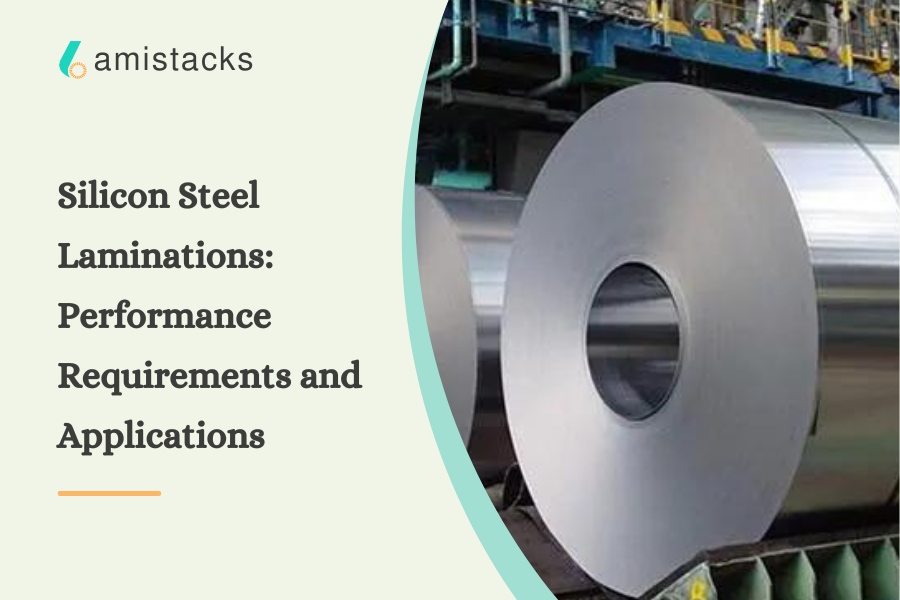
Technical Specifications for Silicon Steel in Electromagnetic Applications
Luoyang Xinzhaohe Aluminum CO., Ltd leverages 20+ years of metallurgical and supply chain expertise to deliver precision-engineered silicon steel (electrical steel) for high-efficiency electromagnetic cores. Critical parameters governing material selection include Core Loss (Iron Loss), Magnetic Flux Density, and dimensional Flatness. These specifications directly impact energy efficiency, thermal management, and manufacturability in transformers, motors, and generators. Misalignment with application-specific requirements can result in excessive heat generation, reduced lifespan, or assembly failures.
Core Loss, quantified as total iron loss under standardized sinusoidal excitation, is the paramount metric for energy-efficient designs. It comprises hysteresis loss and eddy current loss, both frequency- and flux density-dependent. Lower core loss values correlate directly with reduced operational energy waste. Specifications must reference standardized test conditions per IEC 60404-2 or JIS C 2550, typically denoted as P1.0/400 (W/kg at 1.0 T, 400 Hz) or P1.5/50 (W/kg at 1.5 T, 50 Hz). High-permeability grades achieve P1.5/50 values below 1.00 W/kg, while standard non-oriented grades range from 2.50–4.00 W/kg. Engineers must balance core loss targets against material cost and lamination punching complexity.
Magnetic Flux Density (B) defines the material’s saturation limit and operational permeability. Key benchmarks include B50 (flux density at 50 A/m field strength) and B800 (at 800 A/m), measured in Tesla (T). Higher B50 values (>1.70 T) enable compact core designs but often accompany elevated core loss. B800 indicates resistance to saturation under high excitation; values exceeding 1.85 T are critical for high-power-density applications. Material grade selection must align with the operating point on the B-H curve to avoid irreversible permeability degradation.
Flatness tolerance is non-negotiable for automated stacking and core integrity. Excessive camber or bow induces air gaps between laminations, increasing reluctance and localized eddy currents. Per ASTM A34/A34M, flatness is measured in mm per meter (mm/m) across the strip width. High-precision grades maintain flatness within 0.5–1.0 mm/m, while standard grades tolerate 1.5–2.5 mm/m. Tension-leveling during slitting is essential to meet these tolerances, particularly for thin gauges (<0.35 mm).
The following table summarizes critical specification parameters and their industrial implications
| Parameter | Standard Test Condition | Typical Range (Non-Oriented) | Application Impact |
|---|---|---|---|
| Core Loss (P1.5/50) | 1.5 T, 50 Hz | 1.00–4.00 W/kg | Lower values reduce operating temperature and energy costs; critical for IE4/IE5 motors |
| Magnetic Flux Density (B50) | 50 A/m field strength | 1.50–1.75 T | Higher values enable smaller cores; must balance against core loss escalation |
| Magnetic Flux Density (B800) | 800 A/m field strength | 1.75–1.95 T | Determines saturation margin under overload; vital for transient stability |
| Flatness Tolerance | Measured per ASTM A34 | 0.5–2.5 mm/m | Poor flatness increases core loss by 5–15%; affects stack factor and vibration |
| Thickness Tolerance | Per IEC 60404-9 | ±0.02–0.05 mm (0.23–0.65 mm) | Tighter tolerances improve stack factor but increase material cost |
Selection requires holistic evaluation of these interdependent parameters against application duty cycles, regulatory standards (e.g., DOE 2016, EU Ecodesign), and total cost of ownership. Luoyang Xinzhaohe Aluminum CO., Ltd provides certified mill test reports with traceable core loss curves and flatness validation to ensure seamless integration into your production workflow. Our supply chain protocols guarantee consistent material properties across batches, mitigating production line disruptions.
Factory Tour: Manufacturing
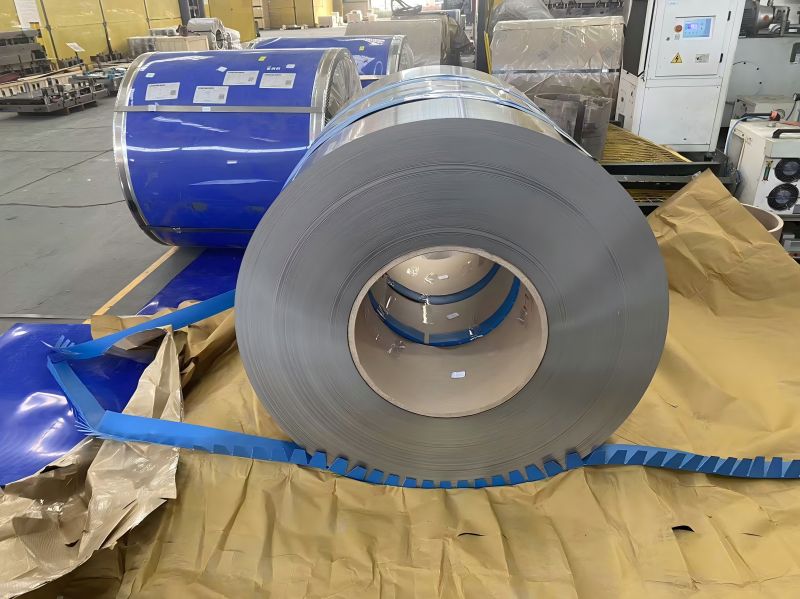
Silicon Steel Manufacturing Process Overview
The production of high-performance silicon steel, also known as electrical steel, is a tightly controlled industrial process designed to optimize magnetic properties, dimensional accuracy, and surface integrity for use in transformers, motors, and generators. At Luoyang Xinzhaohe Aluminum Co., Ltd, with over two decades of metallurgical and supply chain expertise, our manufacturing sequence ensures compliance with international standards while delivering consistent, application-ready material. The core stages of our process include slitting, annealing, insulation coating, and precision cutting, each integrated with rigorous quality control protocols.
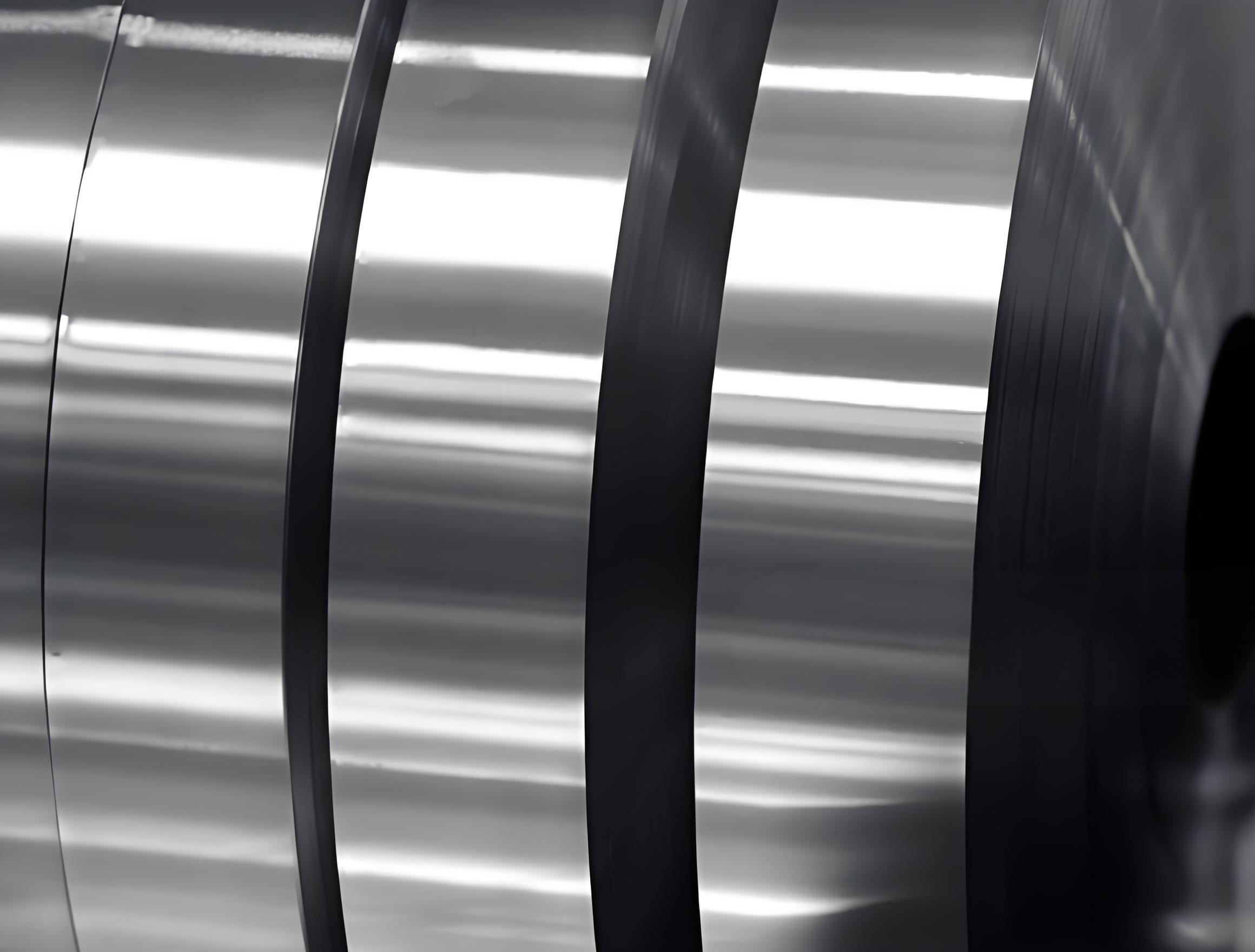
The process begins with slitting, where wide master coils of cold-rolled non-oriented or grain-oriented silicon steel are longitudinally cut into narrower strips to meet customer-specific widths. This operation is performed on high-precision slitting lines equipped with servo-controlled tension management to prevent edge burring, coil telescoping, or dimensional deviation. Slitting accuracy is maintained within ±0.1 mm, ensuring compatibility with downstream automated stamping and stacking operations.
Following slitting, the material undergoes annealing, a critical heat treatment step that restores ductility, relieves internal stresses induced during rolling and slitting, and enhances magnetic permeability. The annealing cycle is conducted in controlled-atmosphere furnaces under nitrogen-hydrogen blends to prevent oxidation and ensure a clean, oxide-free surface. Temperature profiles are precisely regulated based on steel grade and silicon content, typically ranging from 750°C to 850°C, with strict ramp-up and cooling rates to achieve uniform grain structure and minimize core loss.
After annealing, the steel is coated with an insulating layer to reduce eddy current losses and improve interlaminar resistance. Our proprietary insulation coating formulation—applied via roll-coating or spray techniques—forms a thin, adherent, and dielectrically robust film. The coating is cured in-line using infrared or convection ovens, achieving optimal adhesion and electrical resistance. Coating thickness is maintained between 0.5–2.0 µm, verified through regular ellipsometry and surface resistance testing.
Final precision cutting transforms the annealed and coated strips into blanks or laminations as per customer blueprints. Utilizing high-speed turret presses or laser cutting systems, we achieve tight tolerances down to ±0.05 mm. Cutting parameters are optimized to minimize burr formation and magnetic domain disturbance at edges.
Throughout the process, quality control is embedded at every stage. Incoming coil certification is verified for chemical composition and mechanical properties. During slitting, edge quality and width consistency are monitored in real time. Annealing effectiveness is confirmed via core loss and magnetic induction testing (e.g., Epstein frame per IEC 60404-2). Coating quality is assessed through dielectric strength tests and interlaminar resistance measurements. Final dimensional inspection uses optical comparators and CMMs for geometric validation.
This integrated manufacturing and QC approach ensures that every batch of silicon steel delivered meets the high reliability and performance demands of modern electrical equipment manufacturers.
Packaging & Logistics
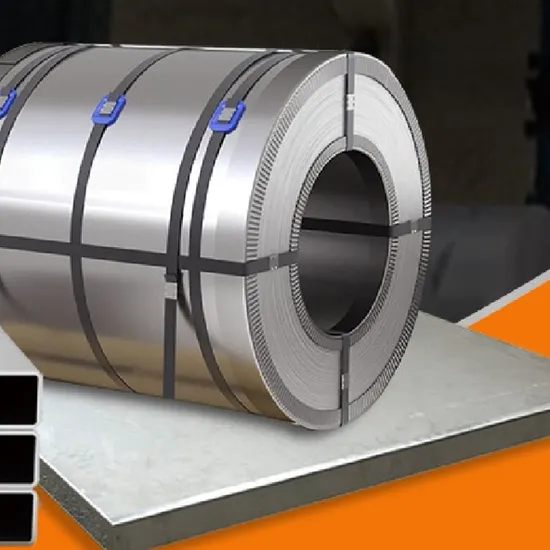
Export Packaging Standards for Silicon Steel Shipments
Luoyang Xinzhaohe Aluminum CO., Ltd implements rigorously engineered export packaging protocols specifically designed to safeguard silicon steel coils and sheets during international maritime transport. Our 20+ years of metallurgical and supply chain expertise dictate that packaging is not merely a container but a critical corrosion prevention system, particularly vital for the hygroscopic properties of electrical steel. All export shipments utilize ISPM 15 certified wooden pallets as the foundational structural element. These pallets are constructed from kiln-dried, heat-treated softwood meeting international phytosanitary standards, ensuring dimensional stability and load integrity under dynamic sea freight conditions. Pallet dimensions and load-bearing capacity are precisely calculated based on coil weight, outer diameter, and stacking requirements, preventing deformation during handling and transit. Critical reinforcement includes steel strapping applied at multiple tension points and edge protectors to shield coil wraps from mechanical damage during crane lifts or container transfers.
The primary defense against moisture ingress is a multi-layer moisture-proof barrier system. Each silicon steel coil undergoes meticulous wrapping in high-density polyethylene film (minimum 125µm thickness), applied under controlled tension to eliminate air pockets and ensure complete surface coverage. This primary wrap is immediately followed by a secondary layer incorporating a vapor corrosion inhibitor (VCI) film, which actively releases protective molecules to suppress electrochemical corrosion mechanisms on ferrous surfaces. The sealed package is then encased within a heavy-duty, UV-stabilized polyethylene outer shroud, heat-sealed at all seams to create a hermetic environment. Desiccant packs with verified moisture absorption capacity (calculated per ASTM F1249) are strategically placed within the package headspace, monitored by humidity indicator cards providing visual confirmation of internal conditions throughout the voyage.
Sea freight presents unique environmental hazards including prolonged exposure to high ambient humidity, salt spray, and significant temperature fluctuations causing condensation within containers. Our packaging system directly addresses these risks through material science and process control. The VCI-enhanced barrier combats salt-laden atmospheres, while the desiccant management system mitigates the effects of temperature cycling that would otherwise drive relative humidity inside the package above the critical 60% threshold for silicon steel corrosion initiation. Container loading procedures mandate secure dunnage placement to prevent coil movement and ensure adequate airflow clearance around packages, minimizing localized condensation points. All packaging materials undergo rigorous pre-shipment quality checks for pinholes, seal integrity, and VCI efficacy. This integrated approach, validated through accelerated corrosion testing per ISO 9227, ensures silicon steel arrives at destination ports with surface quality and magnetic properties fully preserved, eliminating costly rework or rejection due to transit-induced degradation. Compliance with these standards is non-negotiable for maintaining the material integrity demanded by transformer and motor manufacturing processes globally.
Typical Packaging Configuration for 20ft Container Shipment
| Component | Specification | Purpose |
|---|---|---|
| Pallet Base | ISPM 15 Certified Softwood, 1200x1200mm | Structural support, phytosanitary compliance |
| Primary Wrap | 125µm HDPE Film, hermetically sealed | Initial moisture barrier |
| Secondary Wrap | VCI-Embedded Polyethylene Film | Active corrosion inhibition |
| Desiccant System | 500g Units (Calculated per m³ headspace) | Humidity control during transit |
| Outer Shroud | 200µm UV-Stabilized Polyethylene, heat-sealed | Physical protection, secondary moisture seal |
| Humidity Monitoring | ASTM F2268 Compliant Indicator Cards | Visual verification of internal conditions |
Sourcing from Luoyang Xinzhaohe
Partner with Luoyang Xinzhaohe for Precision Silicon Steel Solutions
Luoyang Xinzhaohe Aluminum Co., Ltd brings over two decades of metallurgical expertise and industrial innovation to the global silicon steel supply chain. As a technically advanced manufacturer specializing in high-performance electrical steel products, we are positioned to support critical applications in power transformers, motors, generators, and high-efficiency electrical systems. Our facility integrates precision rolling, controlled annealing, and rigorous quality assurance to deliver grain-oriented (GOES) and non-grain-oriented (NGOES) silicon steel that meets international standards including IEC 60404, ASTM A876, and GB/T 2521.
Our production infrastructure is engineered for consistency and scalability. The factory operates continuous annealing lines with precise atmosphere control, ensuring optimal magnetic domain refinement and minimized core loss in grain-oriented materials. For non-oriented grades, our cold-rolling and decarburization processes are calibrated to achieve superior permeability and low iron loss, critical for rotating machinery and high-frequency applications. All coils undergo full-spectrum testing, including Epstein frame analysis, B50/B800 magnetic induction measurements, and lamination loss evaluation, providing certified data sheets with every shipment.
Material traceability is maintained through an integrated digital quality management system, enabling full lot tracking from melt origin to finished coil. This level of control ensures compliance with OEM specifications and supports audit readiness for customers in regulated sectors such as energy transmission and rail transportation. Our in-house metallurgical lab conducts regular spectrographic analysis, grain size evaluation, and surface inspection to uphold dimensional tolerances and coating integrity—particularly vital for transformer strip applications requiring C4 or C5 insulation coatings.
With an annual production capacity exceeding 150,000 metric tons and a lean logistics framework, Luoyang Xinzhaohe delivers reliable lead times and batch uniformity across global markets. Our technical team collaborates directly with engineering partners to optimize material selection, including custom thicknesses (0.18 mm to 0.35 mm), tailored tension leveling, and slit-to-length precision for transformer core stacking. This application-driven approach reduces waste and enhances performance in final assembly.
We serve tier-1 transformer manufacturers, electrical equipment integrators, and industrial OEMs who demand consistent magnetic performance and long-term supply stability. As the energy sector advances toward higher efficiency and lower carbon intensity, our R&D initiatives focus on ultra-low loss GOES grades and improved coating technologies to support next-generation grid infrastructure.
For sourcing partners seeking a technically proficient, vertically integrated supplier of silicon steel, Luoyang Xinzhaohe offers proven capability, rigorous quality systems, and responsive engineering support. Contact us to discuss your material requirements and receive sample data packages or trial coils for evaluation.
Contact us at cathy@transformerstrip.com to initiate technical discussions or request material specifications.
📉 Factory Direct Savings Calculator
Calculate your potential savings by importing silicon steel applications directly from China.