


Table of Contents
Market Insight: Silicon Steel Buyers
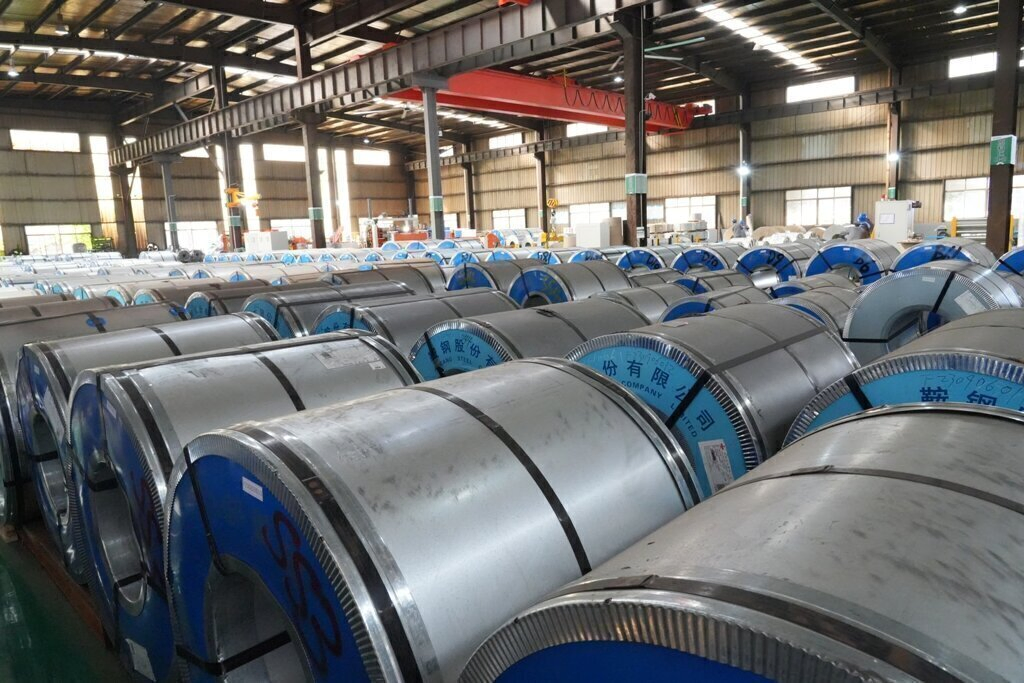
Market Analysis: Silicon Steel Demand Drivers and Quality Imperatives for Transformer Applications
Global demand for non-oriented and grain-oriented silicon steel (electrical steel) continues robust growth, primarily driven by accelerating investments in power infrastructure and renewable energy integration. Transformer manufacturers represent the dominant end-user segment, consuming over 65% of high-grade grain-oriented silicon steel (GOES) production. Key demand catalysts include the worldwide expansion of high-voltage transmission networks to support grid stability, the deployment of distribution transformers for electrification initiatives, and the critical need for efficient power conversion in solar/wind installations and electric vehicle charging infrastructure. Regulatory pressure intensifies this trend, as standards like DOE 2016 (USA), IE4 efficiency mandates (EU), and similar frameworks in Asia compel utilities and OEMs to prioritize core materials minimizing energy loss throughout the transformer lifecycle. This regulatory environment transforms silicon steel from a commodity input into a strategic component defining product competitiveness and compliance.
The operational integrity and total cost of ownership of power and distribution transformers are fundamentally dictated by the electromagnetic properties of the core material. Substandard silicon steel introduces significant technical and financial liabilities. Core loss (W/kg), measured under standardized conditions (e.g., P1.7/50, P1.5/60), directly correlates with wasted energy dissipated as heat during magnetization cycles. A seemingly marginal increase of 0.5 W/kg in core loss across a utility-scale transformer core translates to hundreds of thousands of kilowatt-hours in additional energy waste annually, eroding operational efficiency and increasing carbon footprint. Simultaneously, inadequate magnetic permeability necessitates larger core cross-sections to achieve required flux density, escalating material usage, transportation costs, and physical footprint. Crucially, poor control over magnetostriction – the dimensional change in the steel during magnetization – is the primary cause of transformer hum and vibration. Excessive noise levels violate stringent environmental regulations in urban deployments and accelerate mechanical fatigue, risking premature failure and costly field repairs. Surface insulation quality and lamination burr control are equally vital; defects increase interlaminar eddy currents, further elevating losses and creating localized hot spots that degrade insulation systems.
Critical Quality Parameters for Transformer Core Performance
| Parameter | Typical GOES Requirement | Impact of Deviation |
|---|---|---|
| Core Loss (P1.7/50) | ≤ 1.00 W/kg (M4 grade) | Increased energy waste, higher operating temperature |
| Magnetic Permeability (μ) | ≥ 1,500 (at B=1.7T) | Larger core size, higher material cost |
| Thickness Tolerance | ±0.003 mm | Increased core loss, vibration |
| Magnetostriction (λs) | ≤ 10 ppm | Excessive audible noise, mechanical stress |
| Interlaminar Resistance | ≥ 3.0 Ω·cm² | Elevated eddy current losses |
Procurement decisions based solely on initial material cost ignore the profound lifecycle cost implications. High-purity, precisely manufactured silicon steel from certified mills ensures compliance with IEC 60404-2/8 and ASTM A976 standards, guaranteeing the magnetic performance, dimensional stability, and surface characteristics essential for efficient, quiet, and reliable transformer operation. For Luoyang Xinzhaohe Aluminum Co., Ltd., leveraging 20+ years of metallurgical and supply chain expertise, we emphasize that rigorous material qualification and traceability are non-negotiable for mitigating technical risk and achieving mandated efficiency targets in modern power systems. The quality of the electrical steel core is not an area for compromise; it is the foundation of transformer performance and sustainability.
Technical Specs: Silicon Steel Buyers
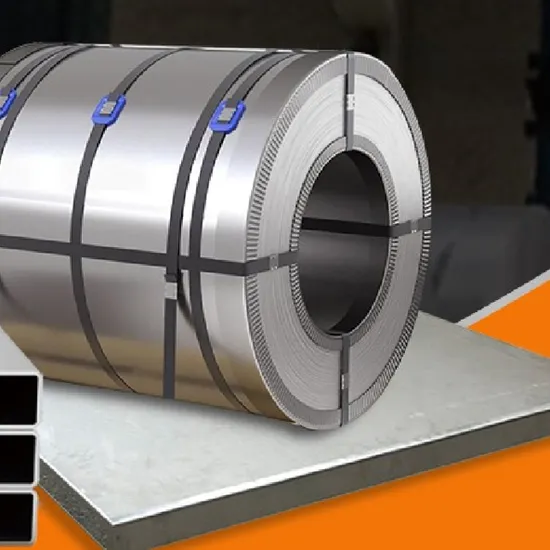
Silicon steel, also known as electrical steel, is a critical material in the manufacturing of efficient electromagnetic cores used in transformers, motors, and generators. At Luoyang Xinzhaohe Aluminum Co., Ltd, with over two decades of metallurgical and supply chain expertise, we emphasize precision in technical specifications to ensure optimal performance and reliability for end-use applications. Buyers must evaluate silicon steel based on core loss (iron loss), magnetic flux density, and flatness—three parameters that directly influence energy efficiency, thermal behavior, and manufacturability.
Core loss, measured in watts per kilogram (W/kg), represents the energy dissipated as heat during magnetic cycling. It is a function of frequency, peak magnetic induction, and material thickness. Lower core loss values indicate higher efficiency, especially in distribution and power transformers where continuous operation demands minimal hysteresis and eddy current losses. Core loss is typically evaluated at standard conditions such as 1.5 T (Tesla) and 50 Hz or 60 Hz, depending on regional grid specifications. Advanced grain-oriented (GO) silicon steel exhibits significantly lower core loss compared to non-oriented (NGO) grades due to controlled crystallographic alignment during processing.
Magnetic flux density, expressed in Tesla (T), defines the maximum magnetic induction a material can sustain. Higher flux density enables compact core designs with reduced material usage while maintaining performance. Grain-oriented silicon steel typically achieves flux densities of 1.9 T to 2.03 T, making it ideal for high-efficiency transformers. Non-oriented grades, used in rotating machinery, generally range from 1.6 T to 2.0 T, with variations based on silicon content and processing techniques. Consistent flux density across the coil length is essential to prevent localized saturation and ensure uniform magnetic performance.
Flatness is a dimensional quality parameter that affects stackability, core assembly, and magnetic continuity. Poor flatness leads to air gaps between laminations, increasing reluctance and core loss. It is measured in millimeters per meter (mm/m) deviation from a flat plane. High-quality silicon steel must exhibit tight flatness control, particularly in thin gauges (0.23 mm to 0.30 mm), where residual stresses from rolling and annealing can induce waviness or camber. Precision leveling and tension leveling processes are employed to achieve flatness within ±2 mm/m, ensuring smooth press operations and consistent core packing factors.
The following table summarizes key technical parameters for common silicon steel grades:
| Parameter | Grain-Oriented (GO) | Non-Oriented (NGO) | Test Condition |
|---|---|---|---|
| Core Loss (P1.7/50) | 0.80 – 1.00 W/kg | 3.00 – 5.00 W/kg | 1.7 T, 50 Hz |
| Core Loss (P1.5/60) | 0.90 – 1.10 W/kg | 3.50 – 5.50 W/kg | 1.5 T, 60 Hz |
| Magnetic Flux Density | 1.90 – 2.03 T | 1.60 – 2.00 T | At 800 A/m (Hc) |
| Thickness Range | 0.23 – 0.35 mm | 0.35 – 0.65 mm | Cold-rolled, full hard or CRNO |
| Flatness Tolerance | ≤ 2 mm/m | ≤ 3 mm/m | Measured over 1 m length |
| Insulation Coating | C5 or C6 (Class) | C3 or C4 (Class) | Adhesion, dielectric strength |
Buyers should align material selection with application-specific performance targets, ensuring compliance with international standards such as IEC 60404-8, GB/T 2521, or ASTM A677. Luoyang Xinzhaohe Aluminum Co., Ltd provides certified test reports and batch traceability to support quality assurance in high-demand industrial environments.
Factory Tour: Manufacturing
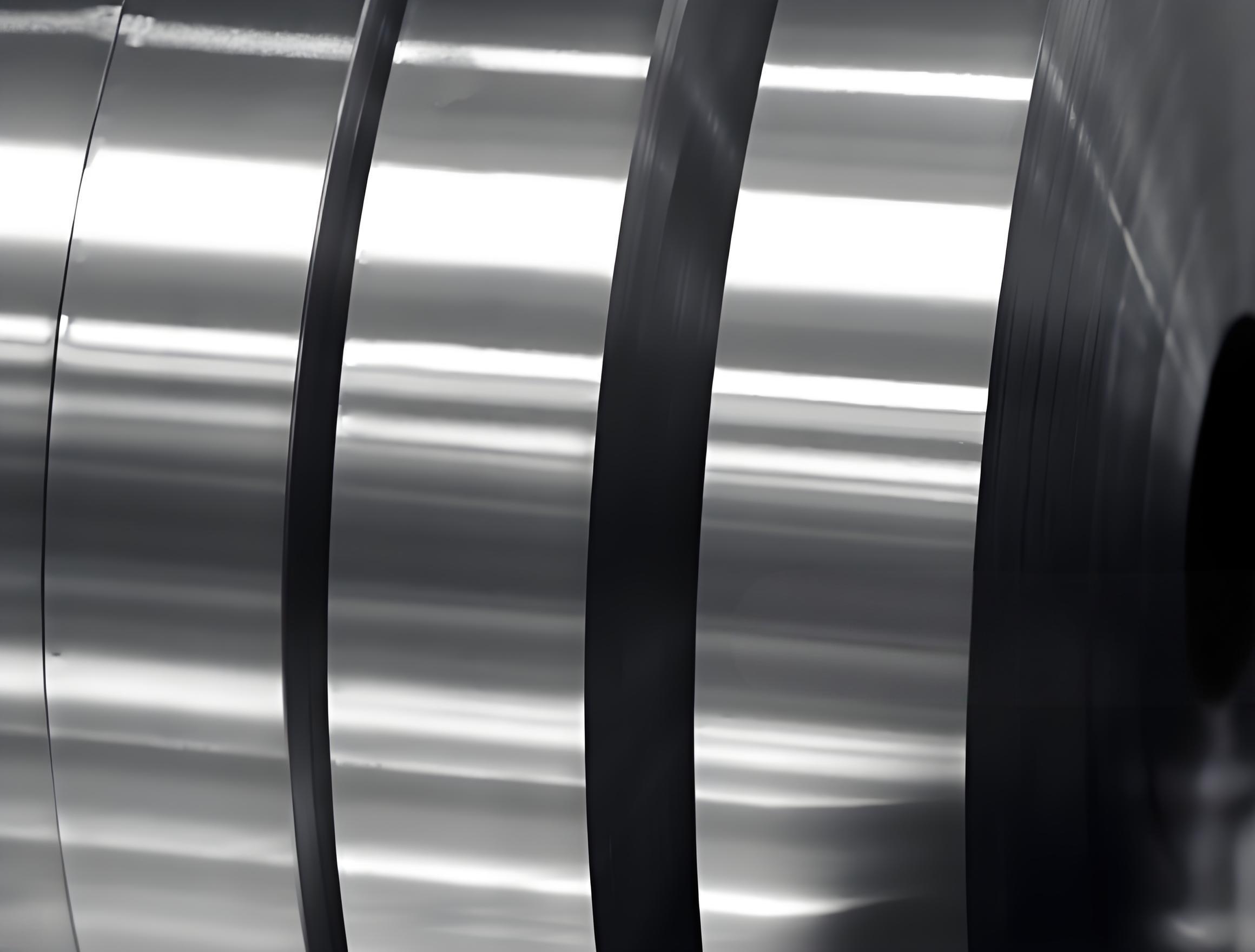
Silicon Steel Manufacturing Process: Technical Execution for Performance-Critical Applications
Silicon steel production for electromagnetic applications demands rigorous process control to achieve specified magnetic properties and dimensional accuracy. At Luoyang Xinzhaohe Aluminum Co., Ltd., our 20+ years of metallurgical expertise ensure each stage from coil processing to final part delivery meets stringent industrial requirements. The core sequence involves precision slitting, controlled annealing, uniform insulation coating, and high-tolerance cutting, with integrated quality verification throughout.
Slitting Process initiates coil preparation. Cold-rolled non-oriented electrical steel coils undergo precision slitting to achieve required strip widths. This stage employs tension-controlled payoff and rewind systems with servo-driven circular knives. Critical parameters include maintaining edge burr height below 3% of material thickness and controlling slit width tolerance to ±0.1 mm. In-process verification utilizes laser micrometers for real-time width monitoring and edge profile inspection to prevent edge wave or camber exceeding 1.5 mm per meter, ensuring compatibility with downstream annealing lines.
Annealing Process is fundamental for optimizing magnetic performance. Slit strips enter continuous annealing lines operating under precisely controlled nitrogen-hydrogen atmospheres. Temperature profiles are calibrated between 780°C and 850°C depending on silicon content and grade specifications, facilitating stress relief and grain growth while preventing oxidation. Dwell times are optimized to achieve target core loss values (W10/400) within ±3% of customer requirements. Post-annealing, rapid cooling rates are maintained to stabilize the microstructure. Quality control mandates Epstein frame testing per IEC 60404-2 on every production lot, verifying core loss and magnetic induction against purchase specifications.
Insulation Coating Application follows annealing to minimize interlamination eddy current losses. A thin, uniform inorganic or semi-organic coating is applied via roll-coating or spray systems. Coating weight is strictly controlled between 0.8 g/m² and 2.5 g/m² per side, validated through gravimetric analysis. Critical quality checks include adhesion testing per ASTM A976 via tape peel methods and electrical resistance measurement ensuring surface insulation resistance exceeds 100 Ω·cm². Curing occurs in dedicated ovens at 450°C–550°C to achieve full polymerization without degrading magnetic properties.
Precision Cutting transforms coated strips into final laminations or blanks. Modern servo-driven blanking presses with laser-guided feed systems execute complex geometries. Tolerances are maintained to ±0.05 mm on critical dimensions, with burr control targeting <5% of material thickness. Automated vision systems perform 100% inspection of cut parts for dimensional accuracy, burr presence, and coating integrity. Final quality certification includes stack factor verification (typically 96–97.5%) and comprehensive dimensional reports traceable to individual production batches.
Throughout this integrated workflow, Luoyang Xinzhaohe implements real-time SPC monitoring at all critical control points. Material traceability from melt batch to finished part is maintained via integrated MES systems, ensuring full compliance with IEC and customer-specific standards. This disciplined process sequence, refined over two decades, delivers silicon steel products with consistent magnetic efficiency and mechanical reliability for demanding motor and transformer applications.
Packaging & Logistics
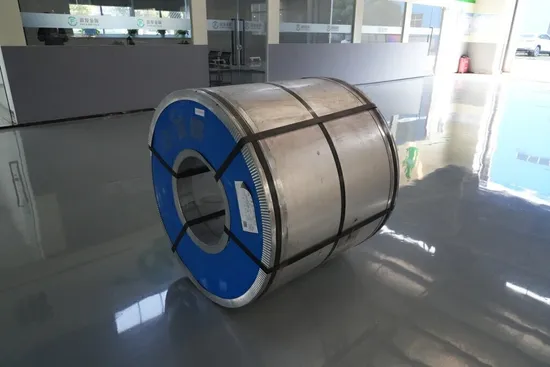
Export Packaging for Silicon Steel: Ensuring Integrity During Sea Freight
At Luoyang Xinzhaoanghe Aluminum Co., Ltd, with over two decades of experience in the production and international distribution of high-performance metallic materials, we recognize that the integrity of silicon steel—also known as electrical steel—must be preserved throughout the entire supply chain. This is particularly critical during export logistics, where prolonged exposure to maritime environmental conditions poses significant risks to material quality. Our export packaging protocol is engineered to mitigate these risks, ensuring that every coil or sheet bundle arrives at its destination in optimal condition.
Silicon steel is inherently susceptible to moisture-induced corrosion and mechanical damage due to its laminated application in transformers, motors, and other electrical equipment. To counteract these vulnerabilities, we employ a dual-layer protective packaging system centered on structural stability and environmental isolation. All export-grade silicon steel products are secured on robust wooden pallets constructed from kiln-dried, ISPM-15 certified hardwood. These pallets are designed to meet international phytosanitary standards and provide a stable base capable of withstanding the rigors of containerized sea freight, including vibration, stacking pressure, and dynamic load shifts during ocean transit.
Each steel coil or cut-sheet stack is tightly strapped to the pallet using high-tensile steel or PET straps, ensuring zero lateral movement during handling and transport. Following mechanical stabilization, the entire load is wrapped in multilayer moisture-proof film—a co-extruded polyethylene laminate with integrated aluminum foil barrier technology. This film exhibits a water vapor transmission rate (WVTR) of less than 0.5 g/m²·day, effectively sealing the product from ambient humidity, salt spray, and condensation commonly encountered in marine environments. The wrapping process is performed in a controlled indoor environment to prevent pre-sealing contamination and includes heat-shrink sealing at all seams to eliminate ingress pathways.
For added protection, desiccant packs are strategically placed within the sealed envelope, reducing internal relative humidity to below 40% for the duration of transit. This is particularly crucial for shipments bound for tropical or high-humidity regions, where cargo sweat within shipping containers remains a persistent threat. Additionally, all packaged units are labeled with moisture-sensitive indicators and handling orientation markers to provide real-time visibility into environmental exposure during transit.
Our packaging methodology adheres to ISO 2230 and IEC 60404-8-4 standards for the handling and preservation of electrical steel products. It reflects our commitment to delivering materials that meet exacting international quality benchmarks, regardless of destination. By integrating structural resilience with advanced moisture barrier technology, Luoyang Xinzhaohe ensures that silicon steel maintains its magnetic properties, surface cleanliness, and dimensional accuracy from factory to final processing line.
This systematic approach to export packaging not only complies with global freight requirements but also minimizes the risk of in-transit claims, delays, and rework—delivering measurable value to our international partners.
Sourcing from Luoyang Xinzhaohe
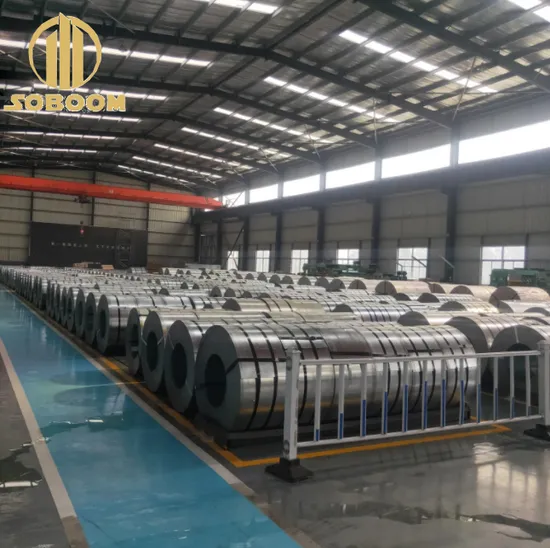
Partnering with Luoyang Xinzhaohe Aluminum Co., Ltd for Your Silicon Steel Requirements
Luoyang Xinzhaohe Aluminum Co., Ltd brings over two decades of specialized metallurgical and supply chain expertise to the silicon steel (electrical steel) market. While our corporate name reflects historical roots in aluminum, our strategic expansion into high-performance electrical steel positions us as a technically rigorous supplier for transformer, motor, and generator core applications. We operate as a certified processor and distributor of non-oriented and grain-oriented silicon steel, adhering strictly to international standards including IEC 60404-8-7, JIS C 2550, and ASTM A664. Our facility integrates advanced slitting, cutting, and edge conditioning lines to deliver precision transformer strips, laminations, and custom blanks with dimensional tolerances held to ±0.05mm.
Critical to our value proposition is metallurgical process control. We source primary material exclusively from tier-1 integrated steel mills with documented ISO 9001 and IATF 16949 certifications, ensuring consistent magnetic properties. Every shipment undergoes rigorous in-house validation using Epstein frame testers and single-sheet testers to verify core loss (W/kg) and magnetic induction (T) against buyer specifications. Typical validation parameters include:
| Parameter | Test Standard | Tolerance Range |
|---|---|---|
| Core Loss (P1.5/50) | IEC 60404-2 | ±3% of nominal value |
| Magnetic Induction | IEC 60404-4 | ±0.015 T |
| Thickness Deviation | ISO 9445 | ±0.005 mm |
Our supply chain infrastructure eliminates common procurement bottlenecks. A 12,000-ton bonded warehouse in the China (Shanghai) Pilot Free Trade Zone enables JIT delivery within 72 hours for domestic buyers and 10–15 days globally via pre-cleared customs documentation. We maintain strategic inventory of common grades (e.g., M400-50A, M350-35A, 35WW270) to mitigate raw material volatility risks. For mission-critical projects, our engineering team provides material substitution analysis and lamination stack optimization support, reducing scrap rates by 12–18% in verified client case studies.
Unlike commodity traders, we enforce full traceability from mill heat number to end-user shipment. Each coil carries a digital quality passport detailing chemical composition (C ≤ 0.003%, Si 2.9–3.3%), decarburization efficiency, and interlaminar resistance values. This granular data transparency ensures compliance with IEEE C57.12.00 and EN 50625 standards for grid-scale transformer manufacturing. Our dedicated logistics division manages multimodal transport with climate-controlled containers to prevent moisture-induced surface oxidation during transit.
For buyers prioritizing technical accountability over transactional pricing, Luoyang Xinzhaohe delivers engineered supply chain resilience. We partner with global transformer OEMs to de-risk material qualification cycles and sustain production continuity through volatile markets. Contact our technical sourcing team to request mill test reports or discuss your next silicon steel procurement cycle.
Initiate a Technical Review: Email Cathy Zhang at cathy@transformerstrip.com with your grade specifications and volume requirements. Allow 24 hours for a metallurgical feasibility assessment and landed-cost quotation.
📉 Factory Direct Savings Calculator
Calculate your potential savings by importing silicon steel buyers directly from China.