


Table of Contents
Market Insight: Silicon Steel Sheet Suppliers
Market Analysis: Silicon Steel Demand Dynamics in Transformer Manufacturing
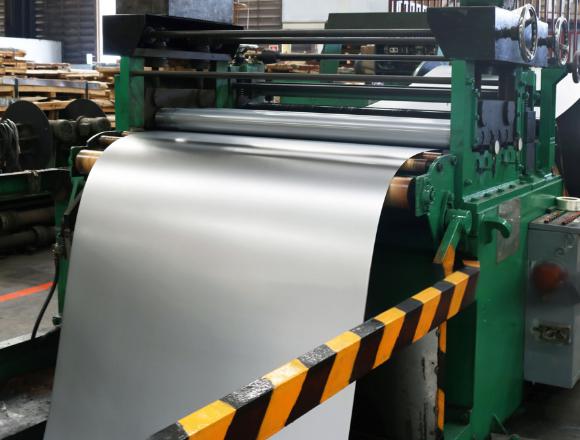
Global transformer production drives sustained demand for high-quality silicon steel sheets, representing the core magnetic material in power and distribution transformers. Current market expansion is fueled by three primary vectors: aging grid infrastructure replacement cycles in mature economies, rapid electrification programs across emerging markets, and the accelerating integration of renewable energy sources requiring extensive grid interconnection and voltage transformation. Industry data indicates transformer manufacturers consume approximately 85% of globally produced non-oriented (NO) and grain-oriented (GO) electrical steel, with GO steel dominating large power transformer applications due to its superior directional magnetic properties. This dependency creates a highly specialized supply chain where material performance directly dictates end-product efficiency and reliability.
The technical criticality of silicon steel quality cannot be overstated in transformer design. Core losses—comprising hysteresis and eddy current losses—constitute the primary efficiency metric governed by the steel’s metallurgical characteristics. Substandard material exhibiting excessive core loss (measured in W/kg at specific induction levels and frequencies per IEC 60404-2) directly translates to higher operational energy waste. A difference of merely 0.1 W/kg in core loss across a utility-scale transformer’s 30-year lifespan equates to hundreds of thousands of kilowatt-hours in avoidable energy dissipation, significantly inflating the Total Cost of Ownership (TCO). Furthermore, magnetostriction—the microscopic dimensional change during magnetization cycles—directly influences audible noise levels. Poorly controlled steel chemistry and grain structure exacerbate magnetostriction, leading to transformers exceeding stringent noise regulations (e.g., IEC 60076-10), particularly problematic in urban deployments.
Material consistency is equally vital for manufacturing yield. Transformer core assembly requires precise lamination stacking. Variations in steel thickness tolerance, flatness, or coating integrity (e.g., C3 or C5 insulating coatings per ASTM A976) cause air gaps between laminations, increasing reluctance and localized heating. Inconsistent magnetic properties across a coil batch necessitate derating the transformer or cause field failures due to hot spots. Supply chain disruptions from unreliable suppliers compound these technical risks, delaying critical grid projects. Luoyang Xinzhaohe Aluminum’s two decades of metallurgical process control underscore that premium silicon steel is not a commodity. It is an engineered component where trace element control (e.g., sulfur, carbon content), precise hot/cold rolling parameters, and optimized annealing atmospheres define the final magnetic domain structure. Transformer manufacturers selecting suppliers solely on nominal price inevitably face higher lifecycle costs through energy penalties, warranty claims, and reputational damage from underperforming assets. Rigorous material certification and process validation remain non-negotiable for grid-critical applications.
Technical Specs: Silicon Steel Sheet Suppliers
Technical Specifications for Silicon Steel Sheet Suppliers
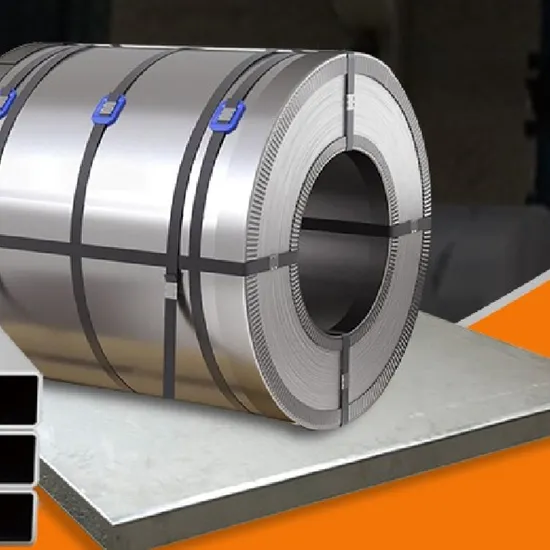
Silicon steel, also known as electrical steel, is a critical material in the manufacturing of efficient electromagnetic cores used in transformers, motors, and generators. At Luoyang Xinzhaohe Aluminum Co., Ltd, with over two decades of experience in advanced metallic materials, we emphasize the importance of precise technical specifications when sourcing high-performance silicon steel sheets. Key parameters such as core loss, magnetic flux density, and flatness directly influence the operational efficiency, thermal performance, and structural integrity of electromagnetic devices. Supplier compliance with internationally recognized standards—such as IEC 60404-8, ASTM A664, and GB/T 2521—is essential to ensure consistency and reliability in industrial applications.
Core loss, or iron loss, is a primary performance indicator, representing the energy dissipated as heat during magnetic cycling. It is typically measured in watts per kilogram (W/kg) under standardized test conditions at specific frequencies and magnetic flux densities (commonly 1.5 T at 50 Hz or 60 Hz). Lower core loss values correlate with higher energy efficiency, making this parameter critical for energy-conscious applications such as distribution and power transformers. Grain-oriented silicon steel (GOES) generally exhibits significantly lower core loss in the rolling direction due to its optimized crystallographic texture.
Magnetic flux density, expressed in Tesla (T), defines the material’s capacity to carry magnetic flux. Higher flux density allows for reduced core size and weight in electromagnetic components. For non-oriented electrical steel (NOES), typical saturation flux density ranges between 1.8 T and 2.0 T, while grain-oriented grades can achieve peak induction levels up to 2.03 T in the rolling direction. Consistent flux density across the sheet width and length is essential to prevent localized saturation and ensure uniform magnetic performance.
Flatness is a dimensional and geometric specification that affects stackability, core assembly precision, and mechanical stability. Poor flatness can lead to air gaps in laminated cores, increasing reluctance and eddy current losses. Flatness is typically measured in I-units or millimeters per meter (mm/m), with tighter tolerances required for high-frequency and precision applications. Advanced rolling and annealing techniques are employed by qualified suppliers to minimize camber, edge wave, and center buckle.
The following table outlines the critical technical parameters and acceptable performance ranges for silicon steel sheet supply:
| Parameter | Description | Typical Test Condition | Performance Range (Example) | Standard Reference |
|---|---|---|---|---|
| Core Loss (P1.5/50) | Specific total loss at 1.5 T, 50 Hz | Epstein Frame, 25 cm² cross-section | 0.60–1.20 W/kg (NOES); 0.70–1.00 W/kg (GOES) | IEC 60404-2, GB/T 3655 |
| Magnetic Flux Density (B50) | Induction at 50 A/m field strength | DC or low-frequency excitation | ≥1.80 T (NOES); ≥1.90 T (GOES) | IEC 60404-4 |
| Saturation Flux Density (Bmax) | Maximum achievable magnetic induction | ≥10,000 A/m field strength | 1.95–2.03 T | ASTM A773/A773M |
| Thickness Tolerance | Deviation from nominal thickness | Micrometer measurement across sheet | ±0.02 mm (for 0.30–0.50 mm sheets) | GB/T 2521 |
| Flatness | Deviation from a flat plane (e.g., I-unit or mm/m) | On tension leveler or flatness gauge | ≤5 I-units or ≤3 mm/m | Internal or OEM specs |
| Insulation Coating Weight | Mass per unit area of surface insulation | Gravimetric or coulometric method | 0.3–1.0 g/m² | IEC 60404-10 |
Suppliers must provide certified test reports, mill certificates, and batch traceability to validate conformance. Luoyang Xinzhaohe Aluminum Co., Ltd recommends rigorous incoming inspection protocols and periodic third-party validation to maintain supply chain integrity and product performance.
Factory Tour: Manufacturing
Silicon Steel Sheet Manufacturing Process: Critical Path Analysis for B2B Sourcing
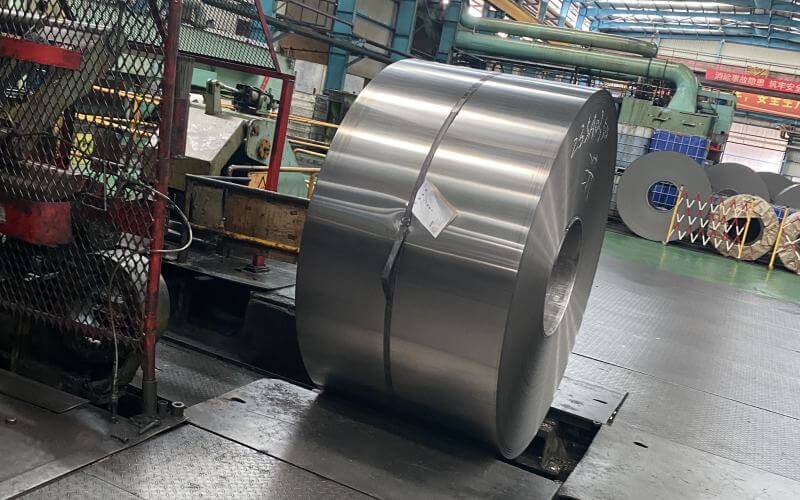
Luoyang Xinzhaohe Aluminum CO., Ltd. leverages two decades of metallurgical supply chain expertise to guide industrial buyers through the stringent production sequence for non-oriented and grain-oriented silicon steel sheets. While our core competency resides in aluminum solutions, our deep understanding of electrical steel supply chains enables precise evaluation of supplier capabilities. True manufacturing integrity begins post-rolling coil delivery to the converter facility, where the value-added processing sequence directly determines final magnetic and mechanical performance for motor, generator, and transformer cores.
The process initiates with precision slitting. Master coils undergo longitudinal cutting on tension-leveling lines equipped with high-tolerance rotary shear blades. Critical control parameters include maintaining strip tension within ±0.5% of setpoint and blade clearance calibrated to 5-8% of material thickness to prevent edge burring or dimensional distortion. Slit widths must adhere to tolerances of ±0.1mm to ensure compatibility with downstream stamping dies. Visual inspection at this stage detects surface defects like scratches or roll marks that could propagate through subsequent steps.
Annealing follows slitting under strictly controlled atmospheres. Coils enter continuous or batch furnaces with dew points maintained below -40°C using purified nitrogen-hydrogen mixtures to prevent oxidation. Temperature profiles are material-specific: non-oriented grades typically anneal at 780-850°C for stress relief and grain growth, while grain-oriented steel requires secondary recrystallization at 1100-1200°C. Precise thermal profiling is non-negotiable; deviations exceeding ±5°C induce magnetic domain instability, directly increasing core loss (W/kg) by measurable percentages per IEC 60404-2 standards. In-process magnetic testing verifies achieved induction (B50/B800) and specific total loss (P1.5/50).
Insulation coating application constitutes the next critical phase. Inorganic magnesium oxide or organic varnish coatings are applied via roll coaters at weights of 0.5-4.0 g/m² per side. Coating uniformity directly impacts interlaminar resistance; insufficient coverage causes eddy current losses, while excessive thickness reduces stacking factor. Curing ovens must achieve exact dwell times and temperatures—typically 400-550°C—to polymerize coatings without degrading base metal properties. Final coating resistivity must exceed 100 Ω·cm² to meet IEC 60404-11 requirements.
Precision cutting transforms coated strips into core laminations via progressive dies or laser systems. Burr height must be held below 0.02mm to prevent short circuits in stacked cores. Dimensional tolerances for key features like stator slots or rotor poles are typically ±0.05mm. Automated optical inspection systems validate geometry against CAD models at production speeds exceeding 500 strokes/minute.
Rigorous quality control permeates each stage, as summarized below:
| Process Stage | Key QC Parameter | Standard Tolerance | Test Method |
|---|---|---|---|
| Slitting | Edge Burr Height | ≤ 0.03mm | Optical Microscopy (100x) |
| Annealing | Core Loss (P1.5/50) | ±3% of spec | Epstein Frame IEC 60439-2 |
| Coating | Interlaminar Resistance | ≥ 100 Ω·cm² | Four-Point Probe IEC 60404-11 |
| Cutting | Dimensional Accuracy | ±0.05mm | CMM Verification |
Supplier selection must prioritize demonstrable process control documentation, not just final product certs. Traceability from coil heat number through each processing step is essential for root-cause analysis during field failures. Luoyang Xinzhaohe mandates supplier audits verifying real-time SPC data for critical parameters like annealing atmosphere purity and coating weight consistency—factors invisible in final material certs but decisive for end-product reliability. Partnering with converters possessing integrated process control systems minimizes yield loss and ensures magnetic performance repeatability across production lots.
Packaging & Logistics
Export Packaging for Silicon Steel Sheets: Ensuring Integrity During Sea Freight
At Luoyang Xinzhaoanghe Aluminum Co., Ltd, with over two decades of experience in the production and international distribution of high-performance metallic materials, we recognize that the integrity of silicon steel sheets—also known as electrical steel—is critically dependent on proper packaging, particularly when destined for overseas markets via sea transport. Our export packaging protocols are engineered to mitigate environmental and mechanical risks inherent in long-distance maritime logistics, ensuring that the material arrives at its destination with preserved dimensional accuracy, surface quality, and electromagnetic performance.
All silicon steel sheet shipments are systematically secured on robust wooden pallets constructed from kiln-dried, pest-free hardwood. These pallets are designed to meet international phytosanitary standards (ISPM-15), a mandatory requirement for cross-border wooden packaging. The structural integrity of the pallets supports uniform load distribution and facilitates safe handling via forklifts and automated systems at ports and receiving facilities. Each coil or stack of cut-to-length sheets is firmly anchored to the pallet using high-tensile steel strapping, minimizing lateral or vertical displacement during vessel motion, crane lifts, or overland transit.
A primary concern in sea freight is exposure to ambient humidity, salt-laden air, and condensation within shipping containers—conditions that can initiate surface oxidation and degrade the insulating coating on electrical steel. To counteract this, we apply a multi-layer moisture-proof packaging system. The core of this system is a high-density polyethylene (HDPE) vapor barrier film, which fully encapsulates the load. The film is heat-sealed at all seams to create a hermetic enclosure, significantly reducing moisture ingress. Additionally, desiccant packs are strategically placed within the wrapping to absorb residual humidity and buffer against temperature-induced condensation during transit across varying climatic zones.
For extra protection, an outer layer of durable kraft paper or corrugated polypropylene sheeting is often applied over the moisture barrier. This adds resistance to abrasion, punctures, and minor impacts that may occur during container loading or unloading. All packaging materials are compatible with the surface treatments of our silicon steel products, ensuring no chemical interaction or staining occurs during prolonged storage.
Our packaging methodology is validated through internal testing, including simulated salt spray exposure and vibration analysis, to replicate real-world shipping conditions. This rigorous approach ensures compliance with international logistics standards and aligns with the expectations of transformer, motor, and generator manufacturers who demand pristine material condition upon receipt.
By integrating engineered wooden palletization with advanced moisture-resistant wrapping, Luoyang Xinzhaohe Aluminum Co., Ltd guarantees that our silicon steel sheets maintain their metallurgical and electrical properties throughout the export supply chain. This commitment to packaging excellence supports reliable just-in-time manufacturing processes for our global clients and reinforces our position as a trusted supplier in the electrical steel market.
Sourcing from Luoyang Xinzhaohe
Partner with Luoyang Xinzhaohe: Your Precision Silicon Steel Supply Assurance
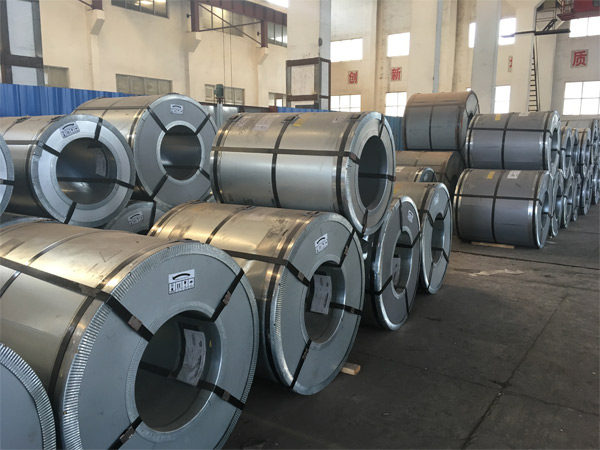
Luoyang Xinzhaohe Aluminum CO., Ltd leverages over two decades of deep metallurgical expertise and integrated supply chain mastery to deliver superior non-oriented and grain-oriented silicon steel sheets. Our strategic expansion into electrical steel production, distinct from our foundational aluminum capabilities, addresses critical industry demands for high-performance magnetic materials. We operate dedicated, state-of-the-art production lines engineered specifically for the stringent requirements of transformer, motor, and generator core laminations. This focused infrastructure ensures consistent material properties essential for minimizing core loss and maximizing magnetic flux density in end applications.
Our manufacturing excellence is anchored in advanced continuous annealing and tension leveling lines, coupled with precision laser trimming and high-accuracy slitting capabilities. We maintain rigorous control over critical parameters including gauge tolerance (±0.003mm achievable), iron loss (W15/50), magnetic induction (B800), and coating integrity. Full traceability from raw material melt to finished coil is enforced via integrated MES systems, supported by an ISO 9001 and IATF 16949 certified quality management framework. In-house material testing laboratories conduct comprehensive analyses per ASTM A343/A343M, A664, and IEC 60404 standards, verifying core loss, permeability, coating weight, and surface insulation resistance on every production batch.
Supply chain resilience is engineered into our operational model. We maintain strategic raw material inventories of high-purity electrolytic manganese and specialized grain growth inhibitors, mitigating upstream volatility. Our optimized logistics network, featuring dedicated partnerships with major global carriers and streamlined customs clearance protocols from our Luoyang hub, consistently achieves 98.5% on-time delivery performance. We offer flexible just-in-time (JIT) and vendor-managed inventory (VMI) solutions tailored to complex OEM production schedules, minimizing your working capital burden while ensuring uninterrupted production flow. Our technical sales engineers provide direct metallurgical support for material selection, processing optimization, and failure analysis, bridging the gap between specification and application performance.
The following table summarizes key performance indicators demonstrating our competitive technical position against typical industry benchmarks
| Parameter | Luoyang Xinzhaohe Capability | Typical Industry Standard | Advantage |
|---|---|---|---|
| Gauge Range (mm) | 0.18 – 0.65 | 0.23 – 0.65 | Wider thin-gauge capability |
| W15/50 (CRGO M19) | ≤ 0.85 W/kg | ≤ 1.00 W/kg | 15% lower core loss |
| Coating Weight (g/m²) | 3.0 – 7.0 (±0.3) | 3.5 – 6.5 (±0.5) | Tighter tolerance, superior insulation |
| Dimensional Tolerance | ±0.003 mm | ±0.005 mm | Enhanced stamping yield |
| On-Time Delivery Rate | 98.5% | 95.0% | Reduced production line risk |
Partnering with Luoyang Xinzhaohe eliminates silicon steel supply chain uncertainty through verifiable technical superiority and operational reliability. We transform material specifications into guaranteed performance outcomes for your electromagnetic components. Initiate a technical collaboration to optimize your core material sourcing strategy. Contact Cathy directly at cathy@transformerstrip.com to discuss your specific application requirements, request certified test reports, or schedule a virtual factory audit. Secure your high-efficiency magnetic material supply with an engineer-led partner committed to your long-term success.
📉 Factory Direct Savings Calculator
Calculate your potential savings by importing silicon steel sheet suppliers directly from China.