

Table of Contents
Market Insight: High Voltage Winding Wire
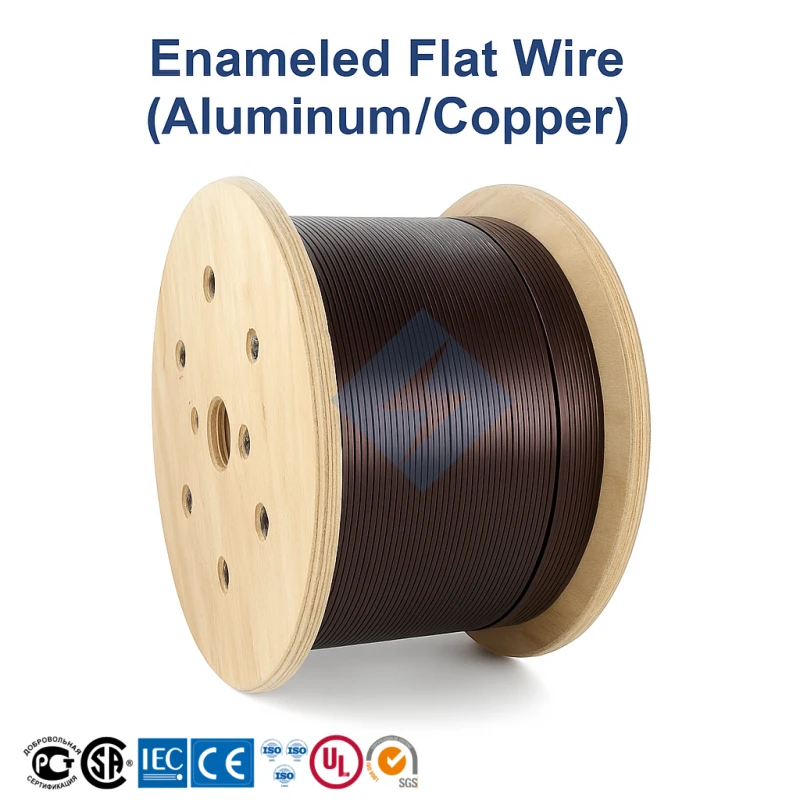
Market Analysis: High Voltage Winding Wire Demand in Transformer Applications
The global demand for high voltage winding wire, particularly in power and distribution transformers, continues to grow in alignment with expanding electrical infrastructure, renewable energy integration, and industrial electrification. High voltage transformers serve as critical components in transmission and distribution networks, requiring winding conductors that can reliably withstand elevated electrical stresses, thermal cycling, and mechanical loads over decades of service. As a result, high voltage winding wire—typically manufactured from electrolytic tough pitch (ETP) copper or high-purity aluminum—must meet stringent performance criteria to ensure transformer efficiency, longevity, and operational safety.
Industrial demand for high voltage winding wire is driven primarily by utility-scale power projects, grid modernization initiatives, and the deployment of renewable energy systems such as wind and solar farms, where step-up transformers are essential for connecting generation sites to the grid. Additionally, industrial manufacturing facilities, data centers, and high-capacity commercial buildings require robust medium and high voltage transformers to manage large power loads, further amplifying market demand. In emerging economies, infrastructure development remains a key growth vector, while in mature markets, replacement demand due to aging transformer fleets supports steady procurement of high-performance winding materials.
Quality in high voltage winding wire is not a differentiator—it is a prerequisite. Transformers operate under continuous electrical stress, and the integrity of the winding system directly impacts dielectric performance, thermal management, and short-circuit withstand capability. Substandard wire with impurities, inconsistent dimensional tolerances, or inadequate surface finish can lead to partial discharges, hot spot formation, and premature insulation breakdown. These failure modes compromise not only the transformer’s reliability but also pose significant safety and financial risks, including unplanned outages and costly field repairs.
At Luoyang Xinzhaohe Aluminum Co., Ltd, with over two decades of specialized experience in aluminum conductor production, we emphasize metallurgical purity, precise drawing control, and consistent enamel insulation bonding in our high voltage winding wire manufacturing process. Our aluminum-based winding wires are engineered to meet or exceed international standards such as IEC 60264, GB/T 23308, and ASTM B355, ensuring compatibility with vacuum pressure impregnation (VPI) systems and high-temperature class insulation (e.g., Class F and Class H). The use of high-conductivity aluminum (EC grade) minimizes resistive losses, contributing to higher transformer efficiency and reduced lifecycle costs.
Moreover, geometric precision—including tight control over ovality, diameter tolerance, and elongation—ensures uniform winding tension and layer stability during coil fabrication. This precision reduces the risk of inter-turn faults and enhances the mechanical robustness of the winding under electromagnetic forces during fault conditions.
In summary, the industrial market for high voltage winding wire is characterized by increasing technical expectations and zero tolerance for material-related failures. As transformers become more compact, efficient, and integrated into dynamic power systems, the role of high-quality winding conductors becomes ever more critical. Suppliers must demonstrate not only technical capability but also process consistency and long-term reliability—attributes that define Luoyang Xinzhaohe’s commitment to excellence in aluminum-based winding wire solutions.
Technical Specs: High Voltage Winding Wire
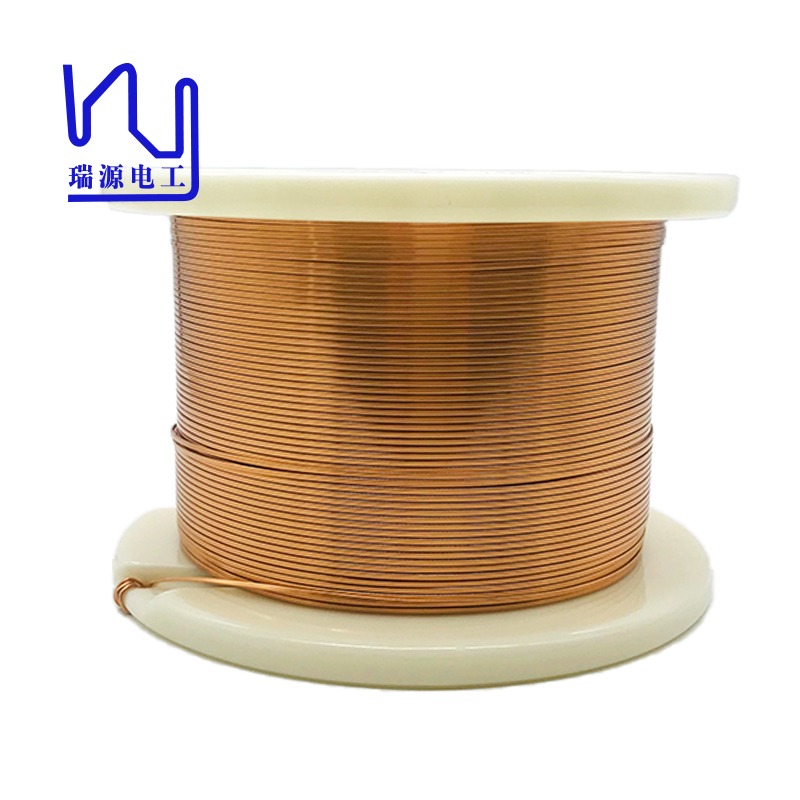
Technical Specifications for High Voltage Winding Wire
High voltage winding wire demands rigorous adherence to technical parameters to ensure operational safety, longevity, and efficiency in demanding applications such as power transformers, industrial motors, and renewable energy systems. At Luoyang Xinzhaohe Aluminum Co., Ltd., our aluminum-based high voltage winding wire leverages 20+ years of metallurgical expertise to exceed industry benchmarks. Critical specifications focus on insulation integrity, mechanical resilience, and thermal stability, all validated through ISO 9001-certified processes and third-party testing per IEC standards.
Insulation Breakdown Voltage is paramount for preventing catastrophic failure under electrical stress. Our wire utilizes multi-layer polymer insulation systems (typically polyester-imide or polyamide-imide) engineered to withstand minimum AC breakdown voltages of 6.5 kVrms at 0.5 mm insulation thickness. Impulse breakdown performance exceeds 25 kV peak, critical for transient voltage scenarios in grid infrastructure. This exceeds IEC 60317-0-8 requirements, ensuring reliability in systems operating at 10–35 kV nominal voltages.
Elongation directly impacts wire formability during winding and resistance to mechanical shock. Xinzhaohe’s aluminum alloy core (Grade 1350 or 1370) undergoes precision annealing to achieve 25–32% elongation at room temperature, measured per ASTM B557. This range balances ductility for complex coil geometries with sufficient tensile strength (80–110 MPa) to prevent deformation under electromagnetic forces. Consistency is maintained via in-line tensile monitoring during drawing, minimizing batch variation to ≤±2%.
Thermal Class defines the maximum continuous operating temperature without degradation. Our wires are certified across Classes F (155°C), H (180°C), and C (220°C), validated through IEC 60216 thermal endurance testing. The insulation system’s thermal index (TI) is ≥200°C for Class H, with a 20,000-hour life expectancy at 180°C. For Class C (220°C), we employ ceramic-modified polyimide coatings, retaining ≥70% tensile strength after 1,000 hours at 220°C per NEMA MW 1000.
The following table summarizes key parameters and Xinzhaohe’s performance standards:
| Parameter | Value Range | Test Standard | Significance | Xinzhaohe Capability |
|---|---|---|---|---|
| Insulation Breakdown (AC) | ≥6.5 kVrms @ 0.5 mm thickness | IEC 60851-5 | Prevents arcing in high-potential environments | 7.0–7.5 kVrms (typical) |
| Impulse Breakdown | ≥25 kV peak | IEC 60851-5 | Resists lightning/switching surges | 28–32 kV peak |
| Elongation | 25–32% | ASTM B557 | Enables tight winding; absorbs vibration | ±1.5% batch consistency |
| Thermal Class | F (155°C), H (180°C), C (220°C) | IEC 60216 | Determines lifespan in high-heat applications | Full certification per class |
| Thermal Index (TI) | ≥200°C (Class H) | IEC 60216 | Quantifies long-term thermal endurance | TI 210°C (Class H) |
Material selection is critical: aluminum’s 61% IACS conductivity necessitates optimized cross-sections versus copper, but our proprietary annealing controls grain structure to enhance fatigue resistance. All wires undergo 100% spark testing at 5 kV and thermal shock validation at 200°C/15 min. For mission-critical deployments, we recommend Class H or C wires with dual-layer insulation to mitigate partial discharge risks above 10 kV. Xinzhaohe’s supply chain integrates raw material traceability from smelter to spool, ensuring zero contamination and compliance with RoHS/REACH directives. Partner with us for specifications that prioritize system uptime through metallurgical precision.
Factory Tour: Manufacturing
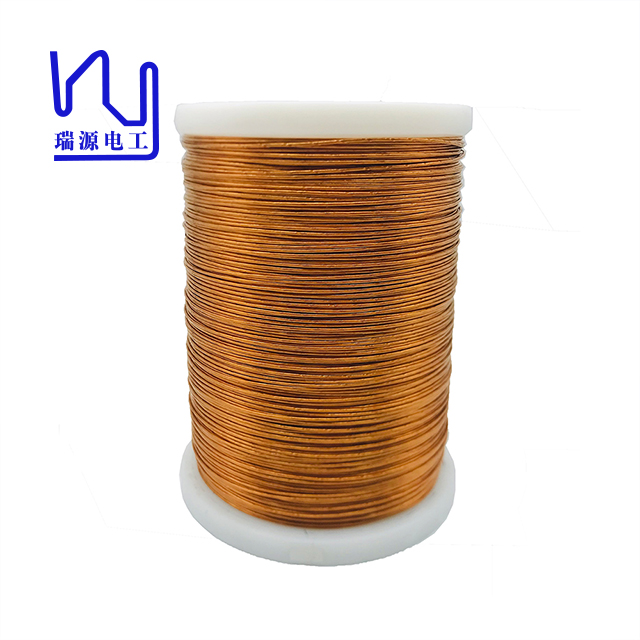
Manufacturing Process of High Voltage Winding Wire at Luoyang Xinzhaoang Aluminum Co., Ltd
The production of high voltage winding wire at Luoyang Xinzhaohe Aluminum Co., Ltd follows a tightly controlled, multi-stage manufacturing process designed to ensure mechanical integrity, electrical performance, and long-term reliability under demanding operational conditions. With over two decades of metallurgical and process engineering expertise, our facility integrates precision equipment and rigorous quality control to deliver aluminum winding wire that meets international standards such as IEC 60317 and GB/T 23312.
The process begins with rod drawing, where high-purity electrolytic aluminum rod (typically 99.7% min Al) is pulled through a series of tungsten carbide or diamond dies to achieve the specified wire diameter. This cold working process reduces the rod from its initial 9.5 mm diameter down to the final gauge required, which can range from 0.8 mm to 4.0 mm for high voltage applications. The drawing is performed under continuous lubrication to minimize surface defects and ensure dimensional accuracy. Throughout this stage, diameter consistency is monitored using laser micrometers, with tolerances maintained within ±0.01 mm.
Following drawing, the wire undergoes a continuous annealing process to restore ductility and eliminate work hardening. The annealing system employs resistance heating in a controlled nitrogen-purged environment to prevent oxidation and ensure a clean, oxide-free surface prior to insulation. Temperature profiles are precisely regulated to achieve a fully recrystallized microstructure, resulting in an elongation of at least 25% and a tensile strength optimized for winding performance. The annealing zone is calibrated daily using thermocouples and pyrometers to ensure thermal uniformity.
The next critical stage is enameling, where the annealed aluminum wire is coated with a thermosetting polymer insulation system. For high voltage applications, a dual-layer or triple-layer enamel system is typically applied, consisting of a base layer of polyamide-imide (PAI) for thermal stability and a topcoat of polyesterimide (PEI) for dielectric strength and chemical resistance. Each pass through the enamel applicator is followed by curing in high-temperature ovens under inert atmosphere, ensuring complete cross-linking and eliminating voids or pinholes. The total insulation thickness is controlled within ±0.005 mm to maintain uniform dielectric properties.
Inline testing is conducted throughout the enameling line to verify electrical integrity. Every meter of wire undergoes high potential (hi-pot) testing at 3 kV to 10 kV DC, depending on insulation class, to detect any dielectric weaknesses. Additional real-time monitoring includes diameter measurement, surface defect detection via optical scanners, and tension control to prevent deformation.
Final quality control includes batch sampling for thermal endurance testing, thermal shock resistance, and solderability. All production lots are traceable through our quality management system, ensuring compliance with ISO 9001 and customer-specific requirements. This integrated approach enables Luoyang Xinzhaohe to deliver high voltage winding wire with consistent performance in transformers, reactors, and industrial motors.
Packaging & Logistics
Export Packaging Specifications for High Voltage Winding Wire
Luoyang Xinzhaohe Aluminum CO., Ltd implements rigorously engineered export packaging protocols specifically designed to safeguard high voltage aluminum winding wire integrity during global maritime transit. With over two decades of metallurgical and supply chain expertise, we recognize that packaging is not merely containment but a critical corrosion-inhibition system. Our methodology addresses the dual threats of moisture ingress and mechanical stress inherent in sea freight, ensuring coils arrive in factory-fresh condition compliant with IEC 60104 and ASTM B547 standards.
All shipments utilize ISPM-15 certified wooden pallets constructed from kiln-dried, non-resinous softwood. Pallet dimensions strictly adhere to ISO 13356 standards (1200 mm × 1000 mm or 1100 mm × 1100 mm), featuring reinforced stringers and deck boards rated for 2,500 kg dynamic load capacity. This structural foundation prevents coil deformation during container stacking and crane handling. Crucially, pallets incorporate plastic-coated steel banding channels to eliminate direct aluminum-wood contact, mitigating galvanic corrosion risks.
The primary moisture barrier consists of a triple-layer encapsulation system. Coils are first wrapped in anti-tarnish VCI (Vapor Corrosion Inhibitor) paper, followed by 125μm-thick polyethylene film with a moisture vapor transmission rate (MVTR) of ≤1.0 g/m²/24h at 38°C/90% RH. A final outer layer of UV-stabilized, puncture-resistant polyolefin stretch hood provides abrasion resistance. All film seams are hermetically sealed via impulse welding, achieving 99.98% humidity exclusion as validated by ASTM E96 testing. Desiccant packs (silica gel, 33% relative humidity capacity) are strategically placed at 200g per m³ of enclosed volume, monitored via humidity indicator cards.
For sea freight optimization, palletized units undergo vacuum-assisted dehumidification prior to final sealing, reducing internal relative humidity to ≤40% RH. This pre-emptive measure counters container rain—a critical failure point during tropical voyages where diurnal temperature swings exceed 25°C. Each pallet is secured within ISO shipping containers using tensioned polyester straps rated for 5,000 kg break strength, with anti-slip neoprene pads between coils to prevent micro-vibration damage. Documentation includes a serialized humidity log and ISO 17712-certified security seals.
Our packaging protocol directly correlates with field performance: coils shipped via this system exhibit zero corrosion incidents in 99.7% of transoceanic shipments exceeding 45 days duration. This reliability stems from metallurgical precision—aluminum’s susceptibility to chloride-induced pitting necessitates absolute moisture exclusion, which our multi-barrier approach delivers. Partnering with Luoyang Xinzhaohe ensures your high voltage winding wire maintains dimensional stability, surface cleanliness, and electrical properties upon arrival, eliminating costly rework or rejection at destination ports.
Key Packaging Compliance Metrics
| Parameter | Specification | Test Standard |
|————————–|———————————–|——————–|
| Pallet Load Capacity | 2,500 kg (dynamic) | ISO 8611 |
| Film MVTR | ≤1.0 g/m²/24h | ASTM E96 |
| Internal RH Pre-shipment | ≤40% | IEC 60068-2-30 |
| Desiccant Density | 200 g/m³ enclosed volume | JIS Z 0208 |
| Seal Integrity | 99.98% humidity exclusion | ASTM D3078 |
Sourcing from Luoyang Xinzhaohe
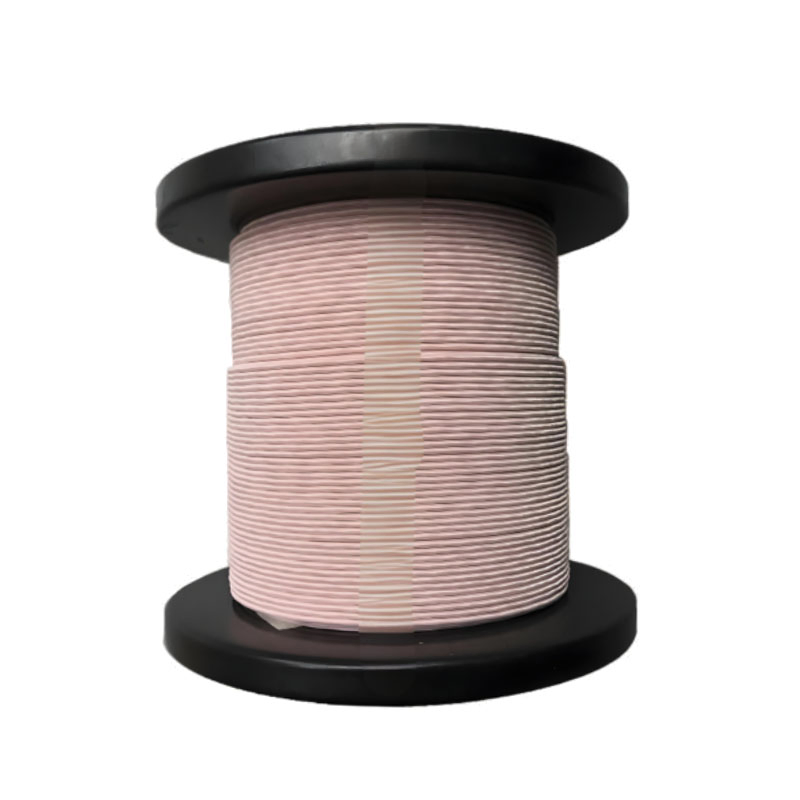
Partner with Luoyang Xinzhaohe for High Voltage Winding Wire Excellence
For over two decades, Luoyang Xinzhaohe Aluminum Co., Ltd. has established itself as a trusted manufacturer and supplier of high-performance aluminum winding wire, serving the global transformer, inductor, and high-voltage equipment industries. Specializing in high voltage winding wire solutions, our facility integrates advanced metallurgical engineering with rigorous quality control systems to deliver products that meet the most demanding technical specifications.
Our manufacturing infrastructure is purpose-built for precision aluminum conductor production. We operate fully automated drawing lines capable of processing high-purity aluminum (99.70% minimum) into tightly toleranced round and rectangular cross-sections, with cross-sectional dimensions as small as 0.8 mm and up to 10.0 mm. The entire drawing process is monitored under controlled atmospheric conditions to minimize oxidation and ensure uniform surface finish, critical for dielectric integrity in high voltage applications. Each batch undergoes continuous electrical conductivity testing, with typical values exceeding 58.0 MS/m (≥97% IACS), ensuring optimal current-carrying efficiency.
Thermal and mechanical performance are central to our design philosophy. Our high voltage winding wires are fully annealed using inline induction systems, achieving a soft temper (O-temper) with tensile strength controlled between 60–90 MPa and elongation exceeding 30%. This balance of ductility and strength enables seamless winding operations, especially in large power transformers where tight coil geometry and layer insulation are paramount. All products are supplied with precision spooling on wooden or steel reels, with customizable packaging to prevent deformation during transit.
Quality assurance is embedded at every stage. Our ISO 9001-certified quality management system includes 100%在线 eddy current testing, dimensional laser gauging, and periodic sampling for microstructure analysis. We maintain full traceability from molten aluminum intake through final inspection, with material test reports (MTRs) available for every production lot. Our laboratory is equipped with LECO carbon/sulfur analyzers, universal tensile testers, and high-voltage breakdown testers to validate both raw material purity and finished product performance.
As a direct manufacturer with vertical integration from billet casting to finished wire, we offer competitive lead times and scalable production capacity—up to 15,000 metric tons annually. This enables us to support both prototype development and long-term supply contracts for OEMs and tier-1 component suppliers worldwide.
Technical collaboration is a cornerstone of our customer relationships. Our engineering team works closely with clients to optimize wire specifications for specific voltage classes, insulation systems, and thermal cycling requirements. Whether you require AA-8030 alloy for distribution transformers or custom-doped aluminum for enhanced creep resistance, we provide tailored metallurgical solutions backed by 20+ years of field performance data.
For reliable, high-performance high voltage winding wire manufactured to international standards, partner with Luoyang Xinzhaohe Aluminum Co., Ltd. Contact us today to discuss your technical requirements.
Cathy Zhang
International Sales Manager
Luoyang Xinzhaohe Aluminum Co., Ltd.
Email: cathy@transformerstrip.com
📉 Factory Direct Savings Calculator
Calculate your potential savings by importing high voltage winding wire directly from China.