


Table of Contents
Market Insight: Motor Lamination Steel Grades
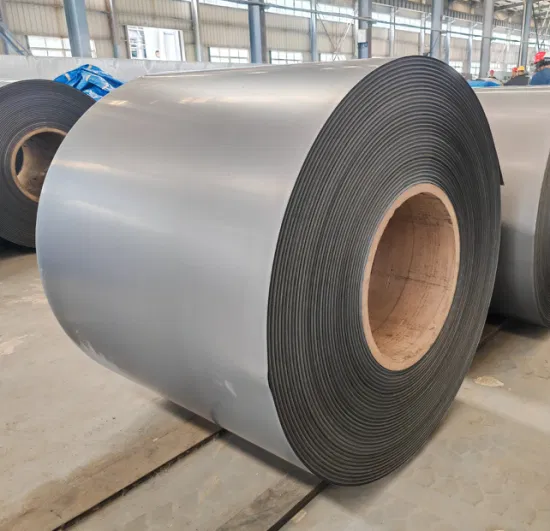
Market Analysis: Silicon Steel Demand in Transformer Applications
Global transformer manufacturing drives substantial demand for non-oriented and grain-oriented silicon steel grades, with electrical steel constituting the core magnetic material in distribution and power transformers. This demand is intrinsically linked to worldwide grid modernization initiatives, renewable energy integration requiring step-up transformers, and industrial electrification trends. The transformer sector prioritizes grain-oriented electrical steel (GOES) for its superior magnetic properties along the rolling direction, essential for minimizing energy dissipation in the core. Annual global consumption exceeds 10 million metric tons, with Asia-Pacific representing the largest regional market due to extensive infrastructure development. Transformer manufacturers rigorously specify grades based on core loss (W/kg) and magnetic flux density (T) requirements defined by international standards such as IEC 60404-8 or ASTM A976. Key grade classifications like M4, M5, M6, and higher permeability variants (e.g., M0H, M1H) are selected according to transformer size, efficiency targets (e.g., DOE 2016, IE4+), and operational duty cycles. The relentless push for higher energy efficiency standards globally directly translates to increased demand for premium low-loss GOES grades, compressing the supply pool of qualified material meeting stringent Epstein frame test results.
The criticality of silicon steel quality in transformers cannot be overstated, as it directly determines operational efficiency, thermal management, and total cost of ownership. Core losses, comprising hysteresis and eddy current losses, represent the primary energy waste mechanism in transformers. Inferior steel with higher core loss values necessitates larger core cross-sections to manage heat, increasing material usage, weight, and manufacturing costs while reducing power density. Precise control of silicon content (typically 2.8-3.2% for GOES), grain alignment, and crystallographic texture during production is paramount to achieve the required low wattage loss figures at standard inductions (e.g., 1.7T). Surface insulation coating uniformity and adhesion are equally vital; inconsistent coatings increase interlaminar eddy currents, degrade stacking factor, and compromise mechanical stability during core assembly. Magnetostriction levels must be minimized to reduce audible noise and vibration, critical for transformers installed near residential or commercial zones. Variability in any of these parameters – chemical composition, grain structure, coating integrity – leads to unpredictable core performance, potentially causing premature aging, localized hot spots, and catastrophic failure under load.
Sourcing substandard silicon steel introduces significant technical and financial risks that far outweigh initial material cost savings. Transformers built with non-conforming steel frequently fail to meet mandated efficiency levels, incurring regulatory penalties and reputational damage. Field failures due to excessive core heating or insulation breakdown result in costly unplanned outages, warranty claims, and replacement expenses often exceeding the original transformer value by 5-10x. Supply chain volatility further complicates procurement, as limited global producers of high-grade GOES face extended lead times. Rigorous quality assurance protocols, including mill test certificates verified against independent laboratory analysis of core loss, permeability, and coating weight, are non-negotiable. Our metallurgical analysis consistently shows that deviations exceeding ±3% in specified core loss values correlate strongly with reduced transformer lifespan. For critical infrastructure applications, the imperative for certified material traceability and consistent batch-to-batch performance makes supplier technical capability and process control as essential as price considerations. Supply chain integrity in silicon steel sourcing is fundamentally a reliability engineering requirement.
Technical Specs: Motor Lamination Steel Grades
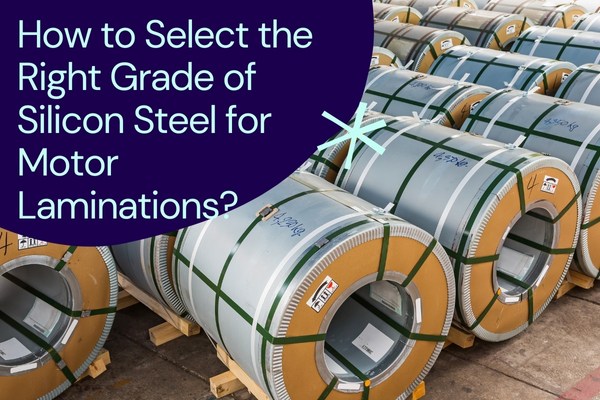
Motor lamination steel, commonly referred to as non-oriented silicon steel or electrical steel, is a critical material in the design and performance of electric motors, generators, and transformers. At Luoyang Xinzhaohe Aluminum Co., Ltd, with over two decades of specialized experience in advanced metallic materials, we emphasize precision in material selection to ensure optimal electromagnetic performance and energy efficiency. The technical specifications of motor lamination steel grades are primarily defined by three key parameters: core loss (iron loss), magnetic flux density (measured in Tesla), and geometric tolerances—particularly flatness. These parameters directly influence motor efficiency, thermal management, noise reduction, and overall operational reliability.
Core loss, expressed in watts per kilogram (W/kg), represents the energy dissipated as heat during magnetic cycling and is typically measured under standardized conditions (e.g., 1.5 T at 50 Hz or 1.0 T at 400 Hz). Lower core loss values indicate higher efficiency and are especially critical in high-speed and high-frequency motor applications. Core loss is influenced by silicon content, grain size, coating quality, and lamination thickness, with thinner gauges (e.g., 0.30 mm or 0.35 mm) generally offering reduced eddy current losses.
Magnetic flux density, or B-value, reflects the material’s ability to carry magnetic flux. It is typically measured at specific magnetic field strengths (e.g., B50 for 5,000 A/m). Higher flux density allows for compact motor designs with improved torque output and power density. Non-oriented electrical steel grades are engineered to deliver uniform magnetic properties in all directions, making them ideal for rotating machinery.
Flatness is a critical geometric specification in lamination stacks. Poor flatness leads to air gaps between layers, increasing reluctance and reducing magnetic efficiency. It also contributes to vibration and noise during operation. High-quality steel must exhibit tight flatness tolerances, typically within 2–5 mm deviation over one meter, depending on thickness and application requirements.
The following table outlines the typical technical specifications for common motor lamination steel grades used in industrial applications:
| Grade (IEC Standard) | Thickness (mm) | Core Loss P1.5/50 (W/kg) | Magnetic Flux Density B50 (T) | Flatness (mm/m) | Silicon Content (%) |
|---|---|---|---|---|---|
| 50WW350 | 0.35 | ≤3.50 | ≥1.68 | ≤3.0 | 2.9–3.2 |
| 50WW400 | 0.35 | ≤4.00 | ≥1.68 | ≤3.0 | 2.9–3.2 |
| 50WW600 | 0.50 | ≤6.00 | ≥1.65 | ≤4.0 | 2.0–2.5 |
| 35WW300 | 0.30 | ≤3.00 | ≥1.70 | ≤2.5 | 3.0–3.3 |
| 35WW250 | 0.30 | ≤2.50 | ≥1.70 | ≤2.5 | 3.0–3.3 |
These specifications are aligned with international standards such as IEC 60404-8-7 and are subject to rigorous in-house quality control and third-party verification. At Luoyang Xinzhaohe Aluminum Co., Ltd, we provide fully traceable material certifications, including mill test reports, to ensure compliance with customer technical requirements and industry benchmarks.
Factory Tour: Manufacturing
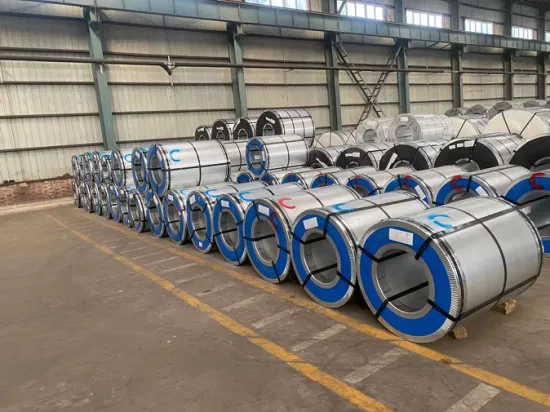
Motor Lamination Steel Grade Production Process: Precision Engineering for Electromagnetic Performance
Luoyang Xinzhaohe Aluminum CO., Ltd leverages 20+ years of metallurgical and supply chain expertise to deliver high-integrity silicon steel (electrical steel) for motor laminations. Our rigorously controlled manufacturing sequence ensures optimal magnetic properties, dimensional accuracy, and interlaminar insulation critical for motor efficiency and thermal management. The process begins with cold-rolled non-oriented (CRNO) or grain-oriented (GO) silicon steel coils, which undergo sequential refinement to meet stringent OEM specifications.
Slitting initiates the workflow, where master coils are longitudinally divided into precise strip widths using tension-controlled rotary shears. This stage demands micron-level width tolerance control (±0.05 mm) to prevent edge burrs and residual stresses that degrade magnetic performance. In-line laser micrometers continuously monitor strip geometry, while edge quality is verified via optical profilometry to ensure smoothness below Ra 0.8 µm. Any deviation triggers automatic tension recalibration, preventing material waste and maintaining yield integrity.
Annealing follows slitting to relieve mechanical stresses induced during rolling and slitting, restoring magnetic permeability and reducing core loss. Strips pass through a continuous furnace under precisely controlled nitrogen-hydrogen atmospheres at 750–850°C, with dwell times calibrated to silicon content and target lamination thickness. Decarburization is minimized through oxygen partial pressure monitoring (<10 ppm), while grain growth is optimized via thermal profiling. Post-anneal, core loss (W10/400) and permeability are validated per IEC 60404-2 standards using Epstein frame testing, rejecting batches exceeding ±3% from nominal values.
Insulation coating applies a thin, uniform dielectric layer to suppress eddy currents between laminations. Our automated spray or roll-coating systems deposit organic-inorganic hybrid coatings at 0.5–2.0 µm thickness, with viscosity and solids content maintained within ±0.5% tolerance. Coating adhesion is tested via cross-hatch ASTM D3359, while electrical resistance is measured at 100 V DC to confirm >50 kΩ·cm² minimum. Critical coating parameters are summarized below for rapid reference.
| Coating Property | Target Range | Test Standard |
|---|---|---|
| Thickness | 0.8–1.5 µm | ASTM D7091 |
| Interlaminar Resistance | ≥75 kΩ·cm² | JIS C 2550 |
| Adhesion | 5B (Zero Flakes) | ASTM D3359 |
Precision cutting transforms coated strips into net-shape laminations using high-speed progressive or rotary dies. Tooling geometry is CNC-machined to ±5 µm tolerances, with burr formation controlled below 2% of material thickness via optimized clearance settings. Each lamination undergoes 100% automated optical inspection for dimensional conformity (±0.02 mm), slot symmetry, and burr detection. Final QC includes stacking factor verification (≥96%) and core loss revalidation on assembled stacks to ensure system-level performance.
This integrated process, monitored at 15+ critical control points, guarantees laminations that maximize motor efficiency (IE4/IE5 compliance) and longevity. Luoyang Xinzhaohe Aluminum CO., Ltd’s adherence to AS9100 and IATF 16949 frameworks ensures traceability from coil certification to shipment, mitigating supply chain risk while delivering engineered solutions for global motor manufacturers.
Packaging & Logistics
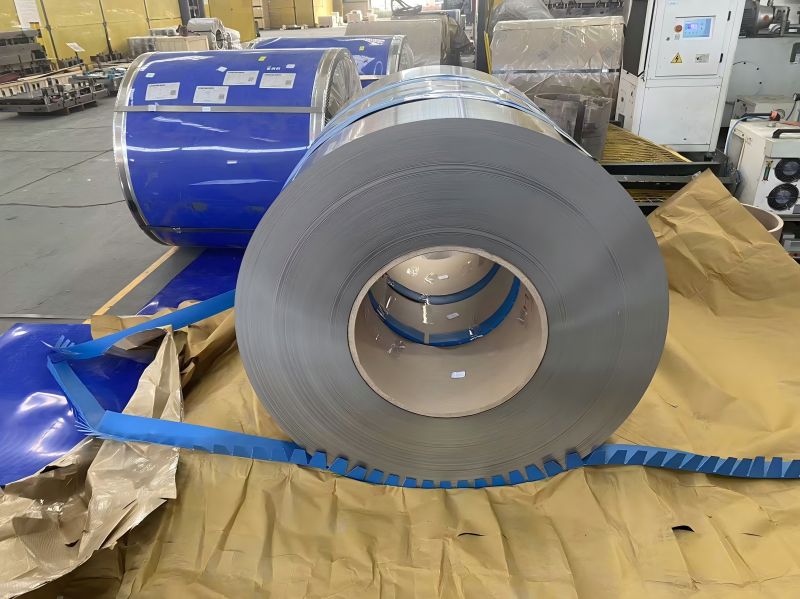
Export Packaging for Silicon Steel in Motor Lamination Applications
At Luoyang Xinzhaohe Aluminum Co., Ltd, with over two decades of specialized experience in the production and international distribution of high-performance silicon steel, we implement a rigorously engineered export packaging system designed to preserve material integrity during global maritime transport. Our packaging protocol is specifically tailored to the hygroscopic and mechanically sensitive nature of electrical steel used in motor lamination stacks, where even minor surface degradation or dimensional variance can compromise core efficiency and magnetic performance.
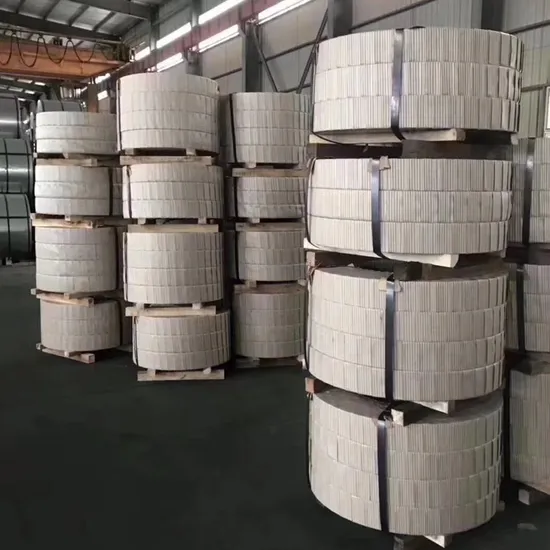
All silicon steel coils and cut-to-length sheets are secured on custom-fabricated wooden pallets constructed from kiln-dried, ISPM-15 certified hardwood. These pallets are engineered to support the high unit weight of densely packed steel coils while maintaining structural rigidity under dynamic loading conditions encountered during containerized shipping. The wooden base is treated to resist fungal growth and insect infestation, ensuring compliance with phytosanitary regulations across major export markets including the European Union, North America, and Southeast Asia.
Immediately after final quality inspection and dimensional verification, each steel pack is wrapped in multi-layer moisture-proof composite film. This vapor barrier film consists of co-extruded polyethylene with an embedded aluminum foil interlayer, achieving a water vapor transmission rate (WVTR) of less than 0.5 g/m²·24h at 38°C and 90% relative humidity. The film is hermetically sealed using heat-welded seams, forming a closed environment that inhibits oxidation and prevents condensation during prolonged ocean voyages where temperature fluctuations and high ambient humidity are prevalent.
To further enhance protection, desiccant packs are strategically placed within the sealed enclosure, typically at a dosage of 500 grams per metric ton of steel, to scavenge residual moisture and maintain internal relative humidity below 40% throughout transit. Additionally, corrosion-inhibiting VCI (Vapor Corrosion Inhibitor) paper can be integrated upon customer request, particularly for extended shipments or destinations with tropical maritime climates.
All packaged loads are unitized using high-tensile steel strapping, applied in a cross-pattern configuration to prevent coil shift or pallet deformation during handling and stacking. Each package is labeled with UV-resistant, tamper-evident tags containing traceable batch identifiers, material grade, coating type, and handling instructions compliant with IMDG and IATA cargo regulations.
Our export packaging methodology has been validated through accelerated climate chamber testing and real-world logistics performance, consistently delivering defect-free material to tier-1 motor manufacturers and transformer fabricators worldwide. By integrating material science, environmental control, and international logistics standards, Luoyang Xinzhaohe ensures that every shipment of silicon steel arrives in the same condition as it left our facility—ready for precision stamping, annealing, and lamination assembly.
Sourcing from Luoyang Xinzhaohe
Partner with Luoyang Xinzhaohe: Your Precision Silicon Steel Source for Motor Laminations
Luoyang Xinzhaohe Aluminum Co., Ltd leverages over two decades of specialized metallurgical expertise to deliver silicon steel grades engineered explicitly for high-performance motor laminations. Our facility integrates advanced material science with rigorous industrial processes, ensuring consistent electrical and mechanical properties critical for motor efficiency and longevity. As a dedicated supplier to global transformer and motor manufacturers, we prioritize the exacting tolerances and magnetic characteristics demanded by modern electromechanical design.
Metallurgical Precision and Production Capability
Our proprietary production line utilizes controlled atmosphere annealing and precision rolling technologies to achieve optimal grain orientation and minimized core loss in non-oriented electrical steel grades. We specialize in critical motor lamination grades including 50JN350, 50JN400, and customized high-silicon variants, with thicknesses spanning 0.35 mm to 0.65 mm. Annual production capacity exceeds 50,000 metric tons, supported by automated slitting lines achieving width tolerances of ±0.10 mm and thickness deviations held to ±0.005 mm. This dimensional stability directly reduces lamination stacking waste and enhances motor output consistency for our partners.
Uncompromising Quality Assurance Framework
Every coil undergoes stringent in-process and final validation per IEC 60404-1 and ASTM A664 standards. Our on-site metallurgical laboratory conducts comprehensive magnetic property testing using Epstein frame and single-sheet testers, verifying core loss (W/kg) at 1.5 T and 50/60 Hz within ±3% of specification. Surface insulation coating integrity is validated via adherence testing (IEC 60404-15), ensuring minimal interlaminar eddy current losses. Full traceability from melt chemistry to final slitting is maintained through integrated ERP systems, providing complete material pedigrees for critical applications.
Supply Chain Resilience and Technical Collaboration
We mitigate supply volatility through strategic raw material hedging and dedicated logistics coordination, guaranteeing 98%+ on-time delivery performance for JIT manufacturing schedules. Our engineering team collaborates directly with client R&D departments to optimize grade selection, annealing profiles, and blanking parameters—reducing total cost of ownership through yield improvement and scrap reduction. Decade-long partnerships with Tier-1 motor OEMs validate our capacity to scale production while maintaining zero critical non-conformities.
Optimize Your Lamination Yield with Verified Expertise
Motor manufacturers require silicon steel that delivers predictable magnetic performance and seamless integration into high-speed stamping operations. Luoyang Xinzhaohe provides the metallurgical control, production scale, and supply chain certainty to eliminate material-related bottlenecks in your lamination workflow. Contact our technical sourcing team to receive grade-specific datasheets, production capacity schedules, and a tailored lamination cost analysis.
Reach Cathy Zhang, Head of International Sales, at cathy@transformerstrip.com to initiate a precision steel supply partnership backed by 20 years of electrical steel excellence. Let us demonstrate how our silicon steel solutions directly enhance your motor efficiency and production reliability.
📉 Factory Direct Savings Calculator
Calculate your potential savings by importing motor lamination steel grades directly from China.