

Table of Contents
Market Insight: Aluminium Motor Winding
Market Analysis: Aluminum Winding Wire for Transformer Applications
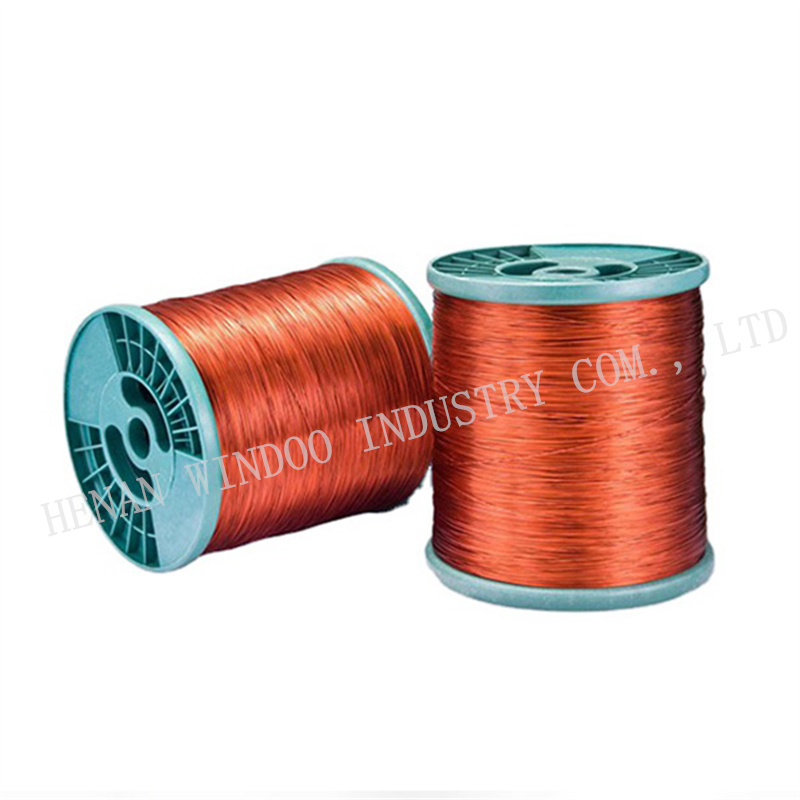
The global transformer industry is undergoing a significant shift toward aluminum motor winding wire, driven by escalating material costs, weight reduction imperatives, and evolving grid infrastructure demands. Aluminum’s 65% lower density compared to copper directly translates to substantial weight savings in large power transformers, reducing transportation logistics costs and enabling more efficient substation installations. This trend is particularly pronounced in distribution transformers (10 kVA to 2500 kVA), where aluminum windings now command over 70% market share in emerging economies. Regulatory pressures under frameworks like the EU Ecodesign Directive further accelerate adoption, as aluminum’s lower embodied energy supports lifecycle carbon reduction targets. Crucially, the renewable energy sector’s expansion—solar farms and wind substations requiring thousands of new transformers annually—has intensified demand for cost-effective, high-volume winding solutions where aluminum’s price stability offers strategic procurement advantages.
Quality in aluminum winding wire is non-negotiable for transformer reliability and longevity. Unlike copper, aluminum requires precise metallurgical control to overcome inherent challenges in conductivity (61% IACS versus copper’s 100% IACS) and mechanical behavior. Impurities exceeding 0.05%—particularly iron, silicon, and titanium—disrupt crystal lattice integrity, increasing electrical resistivity and generating localized hotspots during operation. Grain structure uniformity is equally critical; inconsistent grain size promotes anisotropic expansion under thermal cycling, risking insulation damage and premature coil deformation. Surface finish defects, such as micro-grooves from drawing dies, initiate partial discharges that degrade enamel insulation over time. These factors directly impact transformer failure rates: field data indicates that substandard aluminum wire increases the probability of turn-to-turn faults by 35% in high-voltage units (≥36 kV). Consequently, adherence to IEC 60122-2 tolerances for diameter (±0.005 mm) and ovality (≤0.01 mm) is essential to ensure consistent winding tension and layer stability during coil manufacture.
Luoyang Xinzhaohe Aluminum’s two decades of specialization address these exact pain points. Our process integrates vacuum degassing to maintain oxygen content below 10 ppm, preventing oxide inclusions that compromise dielectric strength. Continuous grain refinement via controlled annealing cycles achieves elongation values of 25–30% (ASTM B230), eliminating cracking during tight-radius winding. Rigorous in-line eddy current testing screens for subsurface flaws at 0.1 mm resolution, ensuring only wire meeting IACS 61.5% minimum conductivity progresses to customers. This technical rigor mitigates the primary risk in aluminum winding adoption: the false economy of low-cost wire that incurs 4–7× higher lifetime failure costs due to unplanned outages and warranty claims. For transformer OEMs, partnering with a supplier possessing deep metallurgical expertise is not merely a quality assurance measure—it is a fundamental requirement for grid resilience and total cost optimization.
Technical Specs: Aluminium Motor Winding
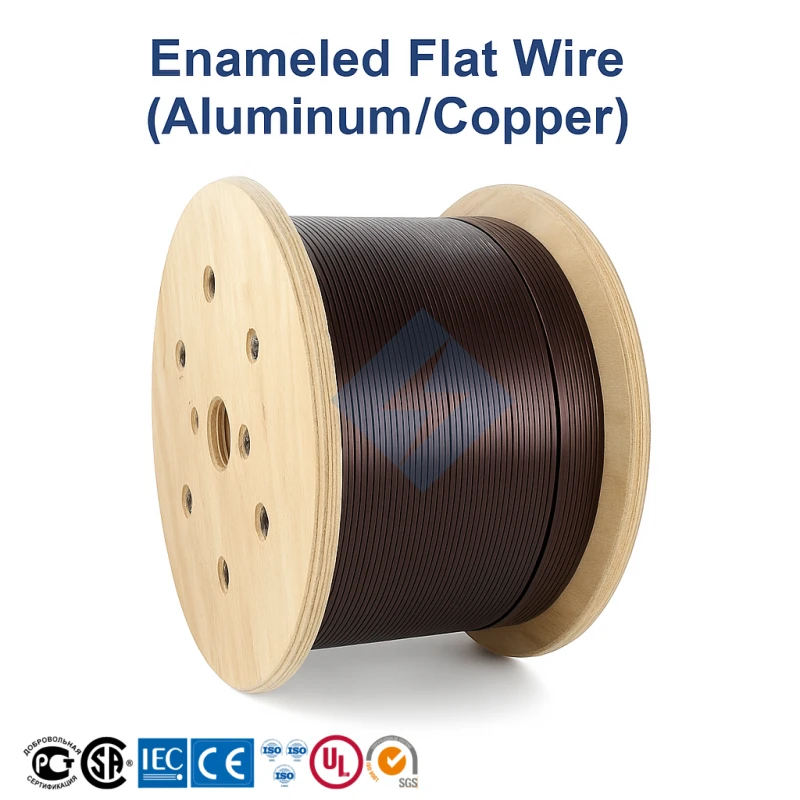
Aluminium motor winding wire is a critical component in the design and performance of electric motors, transformers, and other electromagnetic devices. At Luoyang Xinzhaohe Aluminum Co., Ltd., with over two decades of metallurgical and manufacturing expertise, we produce high-purity aluminium winding wire engineered for optimal electrical conductivity, mechanical reliability, and thermal stability. Our product line is designed to meet stringent industrial standards for insulation integrity, ductility, and temperature resistance, ensuring long-term performance in demanding motor applications.
The insulation breakdown voltage is a key electrical property that determines the dielectric strength of the wire’s coating. This parameter reflects the maximum voltage the insulation can withstand before electrical failure occurs. For aluminium motor winding wire, a minimum breakdown voltage of 4,000 V is recommended for standard magnet wire applications, with high-performance variants capable of withstanding up to 8,000 V depending on insulation thickness and material composition. Our wires utilize high-quality polyurethane, polyester, or polyamide-imide insulation systems, selected based on application-specific requirements for voltage endurance and chemical resistance.
Elongation, a measure of ductility, is essential for ensuring the wire can undergo winding and coiling processes without cracking or fracturing. Aluminium naturally exhibits lower tensile strength than copper, making elongation performance a critical factor in processability. Our aluminium winding wire achieves a minimum elongation of 15% for standard grades, with specialized soft-temper alloys reaching up to 25%. This enhanced ductility is achieved through precise annealing control and high-purity aluminium (99.99% Al), minimizing impurities that can embrittle the material.
Thermal class defines the maximum continuous operating temperature the insulation system can endure without significant degradation. Our aluminium motor winding wires are available in thermal classes ranging from 130°C to 220°C, catering to a wide spectrum of motor designs—from general-purpose industrial motors to high-efficiency, high-temperature applications such as electric vehicle traction motors and industrial compressors. Each thermal class is validated through rigorous thermal aging tests per IEC 60172 and NEMA MW 1000 standards.
The table below summarizes the key technical parameters of our aluminium motor winding wire products.
| Parameter | Standard Value | Test Method | Notes |
|---|---|---|---|
| Conductor Purity | ≥ 99.99% Al | GB/T 17049 | High conductivity, low resistivity |
| Nominal Diameter Tolerance | ±0.01 mm | IEC 60122 | Ensures consistent winding precision |
| Insulation Breakdown Voltage | 4,000 – 8,000 V (rms) | IEC 60317-1 | Depends on insulation type and thickness |
| Elongation (min) | 15% – 25% | ASTM B557 | Soft temper, fully annealed condition |
| Thermal Class | 130°C, 155°C, 180°C, 200°C, 220°C | IEC 60172, NEMA MW 1000 | Polyamide-imide for highest classes |
| Resistance at 20°C | ≤ 0.0283 Ω·mm²/m | GB/T 3048.4 | Based on 100% IACS equivalent |
These specifications are maintained through rigorous in-process quality control, including continuous tensile testing, insulation continuity monitoring, and thermal aging validation. Luoyang Xinzhaohe Aluminum Co., Ltd. ensures full traceability and compliance with international standards, supporting reliable integration into global motor manufacturing supply chains.
Factory Tour: Manufacturing
Manufacturing Process for Aluminum Motor Winding Wire
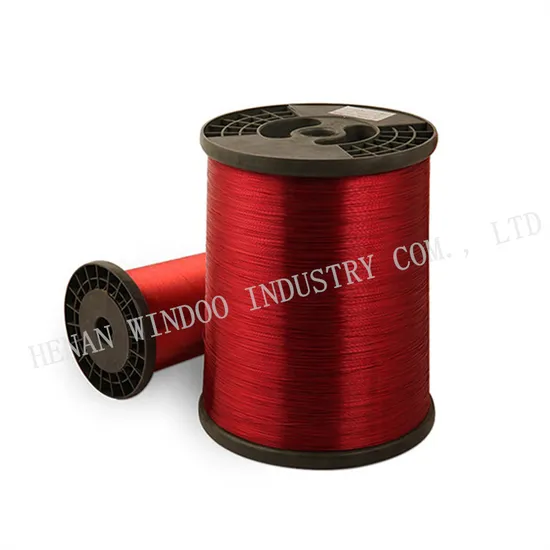
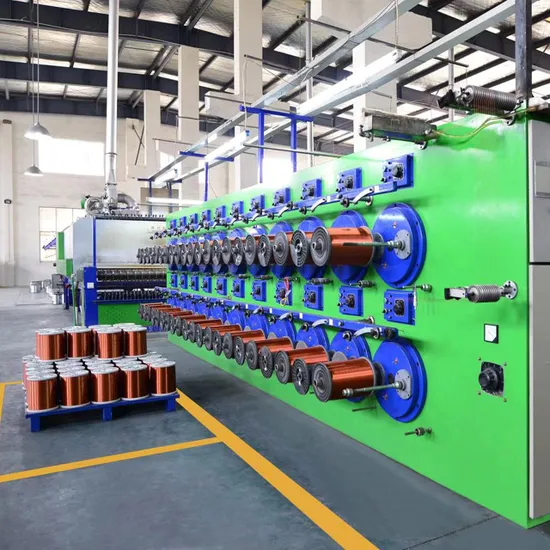
Luoyang Xinzhaohe Aluminum CO.,LTD leverages two decades of metallurgical expertise to produce high-reliability aluminum motor winding wire through a rigorously controlled sequence. The process initiates with high-purity aluminum rod (99.99% min, resistivity ≤0.028264 Ω·mm²/m) sourced from certified suppliers. Rod drawing reduces diameter from 9.5mm to final conductor sizes (0.10–3.00mm) using multi-die continuous block drawing. Critical parameters include precise die geometry, lubricant viscosity (ISO VG 32), and tension control to achieve surface roughness ≤0.8μm Ra and dimensional tolerance ±0.002mm. In-process diameter verification via laser micrometers occurs at 5m intervals, rejecting deviations beyond ±0.5% of nominal size.
Annealing follows drawing to restore ductility and electrical conductivity. Wires pass through a 12m-long continuous furnace under nitrogen-hydrogen atmosphere (O₂ < 50ppm) at 350–420°C. Temperature uniformity (±5°C) and residence time (60–180s) are calibrated to achieve 58–61% IACS conductivity while preventing grain coarsening. Post-annealing, conductivity is validated via four-point probe testing per ASTM E1004, with 100% lots requiring ≥59.5% IACS. Surface oxide thickness is concurrently monitored via X-ray photoelectron spectroscopy (XPS), capped at 5nm to ensure enamel adhesion.
Enameling applies thermosetting polymer insulation (typically polyester-imide or polyamide-imide) through precision capillary coating. The wire traverses a multi-zone oven (280–480°C) where solvent evaporation and polymer cross-linking occur in <90s. Film build is controlled to ±0.003mm per pass, with final total thickness tolerance ±0.005mm. Critical to motor longevity, the enamel must exhibit thermal class 180–220°C (IEC 60317) and withstand 100% elongation without cracking.
Inline testing integrates non-destructive verification at 100% production speed:
| Parameter | Test Method | Standard Compliance |
|---|---|---|
| Dielectric Strength | 60s ramp test (0–3kV AC) | IEC 60317-0-1 ≥ 1.8kV |
| Conductor Resistance | Micro-ohmmeter (20°C) | GB/T 23312 ±0.5% |
| Film Continuity | Spark test (5kV DC) | Zero defects per 10km |
| Flexibility | Mandrel wrap (4x diameter) | Zero cracks (ASTM D2307) |
Final QC includes batch sampling for thermal shock (200°C/30min), solderability (450°C/3s), and adhesion (mandrel 6x diameter). All data is logged to traceability systems, with non-conforming lots quarantined per ISO 9001 protocols. This integrated approach ensures wires meet stringent automotive and industrial motor demands for thermal endurance, electrical integrity, and mechanical resilience.
Packaging & Logistics
Export Packaging for Aluminium Motor Winding Wire – Luoyang Xinzhaohe Aluminum Co., Ltd
At Luoyang Xinzhaohe Aluminum Co., Ltd, with over two decades of specialized experience in the production of high-purity aluminium winding wire, we maintain rigorous standards in export packaging to ensure product integrity during international transit. Given the hygroscopic nature of aluminium and its susceptibility to surface oxidation and mechanical damage, our export packaging system is engineered to mitigate environmental and logistical risks, particularly during sea freight, which remains the primary mode of global shipment for industrial wire products.
All aluminium motor winding wire coils are mounted on robust wooden pallets constructed from kiln-dried, ISPM-15 certified hardwood. These pallets are designed to support heavy loads, maintain structural stability under stacking conditions, and resist deformation during prolonged marine transport. The use of treated wood ensures compliance with international phytosanitary regulations, eliminating the risk of pest infestation and facilitating customs clearance across major markets including the EU, North America, and Southeast Asia.
Each wire coil is individually wrapped with multi-layer moisture-proof composite film, featuring a metallized polyester barrier with low water vapor transmission rate (WVTR). This vapor barrier effectively shields the aluminium surface from ambient humidity, salt-laden air, and condensation commonly encountered in maritime environments. The film is heat-sealed to form a hermetic enclosure, preventing moisture ingress over extended shipping durations, which can exceed 30 days for intercontinental routes.
Additional protection is provided through the integration of desiccant packs placed within the sealed film envelope. These silica gel units actively absorb residual moisture and maintain a controlled microclimate around the coil. Furthermore, all coils are fitted with impact-resistant edge protectors made from high-density polyethylene to guard against lateral deformation during handling and transport.
Palletized units are secured using steel strapping applied in an H-pattern configuration, ensuring load cohesion during crane lifts, container loading, and vessel motion. The entire packaged unit is then labeled with durable, weather-resistant tags indicating product specifications, batch numbers, net weight, handling instructions, and orientation markers to prevent inversion during storage.
Our packaging protocol is validated through accelerated climate testing and real-world logistics monitoring, confirming its efficacy in preserving wire surface quality, dimensional accuracy, and electrical performance post-transit. This comprehensive approach aligns with IEC 60204 and ISO 9001 standards for industrial material handling and supports our commitment to delivering defect-free aluminium winding wire to motor manufacturers and electrical component suppliers worldwide.
For long-term storage or transit through tropical zones, optional vacuum packaging and nitrogen flushing are available upon request, further enhancing moisture and oxidation resistance. Luoyang Xinzhaohe Aluminum Co., Ltd treats packaging not as a logistical necessity, but as a critical component of metallurgical quality assurance.
Sourcing from Luoyang Xinzhaohe
Partner with Luoyang Xinzhaohe for Precision Aluminium Motor Winding Wire
Luoyang Xinzhaohe Aluminum CO., Ltd leverages 20+ years of specialized metallurgical expertise to deliver aluminium motor winding wire meeting the most stringent industrial requirements. Our vertically integrated manufacturing ecosystem ensures uncompromised control from raw material sourcing to finished product, directly addressing the critical performance demands of modern electric motors, transformers, and industrial winding applications.
Metallurgical Excellence and Process Control
Our production facility employs advanced continuous casting and rolling technology, coupled with proprietary annealing protocols, to achieve exceptional conductivity (≥61.0% IACS) and mechanical consistency. All aluminium rod feedstock undergoes rigorous in-house chemical analysis, guaranteeing purity levels exceeding 99.85% Al with tightly controlled iron and silicon content. This foundational quality enables precise wire drawing to tolerances of ±0.005mm on diameters ranging from 0.8mm to 5.0mm, essential for optimizing fill factors and thermal management in motor windings. Real-time monitoring of tensile strength (80-120 MPa) and elongation (≥5%) during drawing ensures batch-to-batch repeatability critical for automated winding machinery.
Supply Chain Resilience and Technical Support
We maintain strategic inventory of high-purity aluminium billets and operate dual production lines with a combined annual capacity of 15,000 metric tons, mitigating raw material volatility risks. Our dedicated supply chain team utilizes dynamic logistics modeling to guarantee 99.2% on-time delivery performance globally, supported by ISO 9001 and IATF 16949 certified quality management systems. Beyond supply, our engineering team provides collaborative technical support including:
Custom annealing profile development for specific conductivity-ductility balances
Compatibility testing with common insulation systems (polyester, polyamide-imide)
Failure mode analysis for winding process optimization
Quality Verification Infrastructure
Every production lot undergoes comprehensive validation in our A2LA-accredited metallurgical laboratory. Key parameters verified include:
| Test Parameter | Standard Requirement | Xinzhaohe Capability |
|---|---|---|
| Dimensional Tolerance | ±0.01mm | ±0.005mm |
| Surface Roughness (Ra) | ≤1.0μm | ≤0.6μm |
| Residual Stress | N/A | Quantified via XRD |
| Bend Test Performance | 8 cycles | 12+ cycles |
This granular quality control framework minimizes field failures and supports our clients’ Six Sigma initiatives. Our commitment extends to full material traceability via blockchain-enabled lot tracking, providing auditable documentation from smelter to spool.
Partnering with Luoyang Xinzhaohe eliminates supply chain fragmentation while delivering metallurgical precision that directly enhances motor efficiency and longevity. We invite engineering and procurement teams to validate our capabilities against their most demanding specifications. Contact Cathy Zhang, International Sales Director, to initiate a technical consultation and receive sample reels for performance benchmarking. Email cathy@transformerstrip.com to schedule a facility audit or discuss custom alloy development for next-generation winding applications.
📉 Factory Direct Savings Calculator
Calculate your potential savings by importing aluminium motor winding directly from China.