


Table of Contents
Market Insight: High Silica Steel
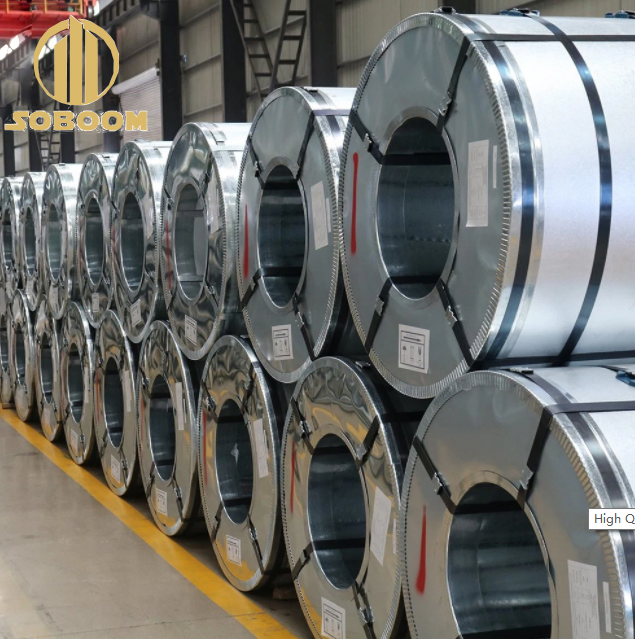
Market Analysis: Silicon Steel Demand Dynamics for Transformer Applications
The industrial demand for high-silicon electrical steel (3.0–6.5% Si), commonly referenced as high silica steel, is intrinsically tied to global energy infrastructure modernization and stringent efficiency regulations. As transformer manufacturers face escalating pressure to minimize core losses under standards like IEC 60404-2 and DOE 2016 rulings, high-silicon grades have transitioned from niche solutions to critical materials. This shift is driven by renewable energy integration, where grid stability demands transformers operating at higher frequencies and fluctuating loads, amplifying the need for superior magnetic properties. Annual global consumption of grain-oriented electrical steel (GOES) exceeds 10 million metric tons, with high-silicon variants capturing 18–22% market share in premium distribution and power transformers. Key growth vectors include urban electrification in Asia-Pacific and EU Green Deal compliance, where every 0.1 W/kg reduction in core loss translates to measurable lifecycle cost savings.
Quality precision in high-silicon steel directly dictates transformer reliability and total cost of ownership. Silicon content elevation reduces eddy current losses by increasing electrical resistivity, but introduces metallurgical complexities. At >3.5% Si, brittle behavior during cold rolling necessitates specialized processing to maintain lamination integrity. Impurities such as sulfur (>20 ppm) or oxygen (>30 ppm) precipitate as MnS or AlN inclusions, disrupting grain orientation and accelerating aging under operational stress. Luoyang Xinzhaohe’s two decades of process refinement target these failure modes through:
Controlled decarburization annealing to achieve Goss texture (110)[001] orientation
Laser scribing to optimize domain refinement without surface damage
Tight compositional control (Si: ±0.05%, C: <30 ppm) via vacuum degassing
Substandard material manifests in three critical failure modes: elevated no-load losses increasing operational costs by $15,000–$50,000 annually per MVA transformer, magnetostriction-induced audible noise exceeding 55 dB(A), and irreversible core degradation from localized hot spots. Our supply chain data indicates that transformers using non-certified steel exhibit 30% higher field failure rates within 10 years, primarily due to inconsistent magnetic domain structure.
The following comparative analysis underscores quality-performance linkages:
| Parameter | Standard Hi-B GOES (3.0% Si) | High-Silicon GOES (3.5–6.5% Si) | Quality Impact of Deviation |
|---|---|---|---|
| Core Loss (P1.7/50) | 0.85–0.95 W/kg | 0.65–0.75 W/kg | ±0.05 W/kg = 2.1% efficiency delta |
| Magnetic Induction (B800) | 1.90–1.93 T | 1.85–1.88 T | <1.85 T increases core size 8–12% |
| Thickness Tolerance | ±0.004 mm | ±0.002 mm | >±0.003 mm causes 15% loss variance |
| Interlaminar Resistance | >70 Ω·cm² | >100 Ω·cm² | <50 Ω·cm² enables circulating currents |
Transformer manufacturers cannot treat high-silicon steel as a commoditized input. Material consistency directly governs design margins, with Luoyang Xinzhaohe’s in-line process monitoring ensuring batch-to-batch variance remains below industry thresholds. As grid operators enforce Tier 4 efficiency targets, the procurement premium for certified high-silicon steel becomes an operational necessity—not a cost, but a risk mitigation investment against premature asset retirement. Our technical partnerships prioritize material traceability from slab to coil, delivering the dimensional and electromagnetic stability required for next-generation transformer longevity.
Technical Specs: High Silica Steel
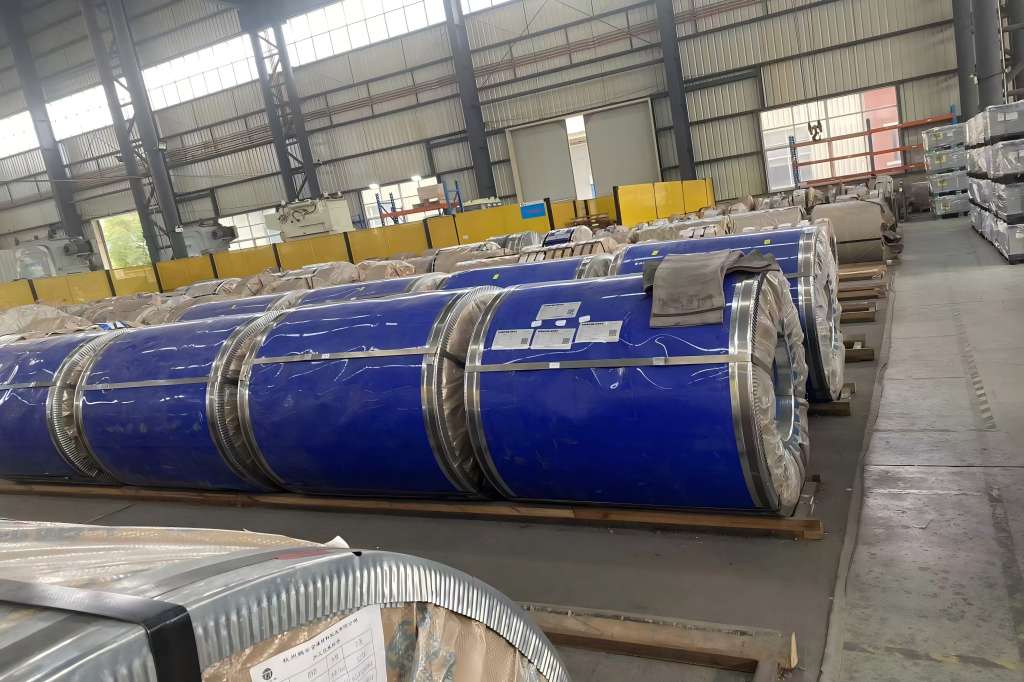
Technical Specifications for High Silica Steel
High silica steel, a specialized grade within the electrical steel family, is engineered to deliver superior electromagnetic performance in high-frequency and high-efficiency applications. At Luoyang Xinzhaohe Aluminum Co., Ltd., with over two decades of metallurgical expertise, we produce high silica steel with tightly controlled chemical composition and physical attributes to meet the stringent demands of modern power and electronic systems. The primary technical parameters that define high silica steel performance include core loss (iron loss), magnetic flux density, and flatness, each of which directly influences the efficiency, thermal behavior, and manufacturability of end-use components such as transformers, inductors, and electric motors.
Core loss, or iron loss, is a critical performance metric representing the energy dissipated as heat during magnetic cycling. It comprises hysteresis loss and eddy current loss, both of which are minimized through precise control of silicon content (typically 3.0–6.5 wt%), grain orientation, and lamination thickness. High silica steel from our production lines achieves exceptionally low core loss values due to optimized annealing processes and insulating coatings that suppress eddy currents. These characteristics are especially vital in high-frequency applications where thermal management and energy efficiency are paramount.
Magnetic flux density, measured in Tesla (T), indicates the material’s capacity to carry magnetic flux under an applied magnetic field. High silica steel exhibits elevated saturation flux density, typically in the range of 1.8 to 2.0 T, enabling compact and lightweight magnetic cores without sacrificing performance. This high flux-carrying capability is achieved through directional grain growth and impurity reduction during steelmaking and processing. Consistent magnetic flux density across the strip width ensures uniform electromagnetic behavior and reduces localized saturation in core assemblies.
Flatness is a dimensional quality parameter that affects stackability, core integrity, and ease of automated assembly. Poor flatness leads to air gaps in laminated cores, increasing reluctance and reducing overall efficiency. Our high silica steel is processed using precision leveling and tension leveling techniques to achieve tight flatness tolerances, typically within 5 I-units over the full coil length. This ensures seamless integration into high-speed stamping and stacking operations.
The table below summarizes the typical technical specifications for our high silica steel products:
| Parameter | Typical Value Range | Test Standard | Notes |
|---|---|---|---|
| Silicon Content (wt%) | 3.0 – 6.5 | ASTM E394 | Higher Si reduces core loss but increases brittleness |
| Core Loss (P1.5/50) | 0.8 – 1.5 W/kg | IEC 60404-2 | Measured at 1.5 T, 50 Hz |
| Core Loss (P1.0/400) | 4.0 – 8.0 W/kg | IEC 60404-2 | High-frequency performance at 400 Hz |
| Magnetic Flux Density (B50) | 1.8 – 2.0 T | IEC 60404-4 | Measured at 5000 A/m |
| Thickness Tolerance | ±0.005 mm (for 0.23–0.35 mm) | ASTM A34/A34M | Precision cold rolling |
| Flatness | ≤ 5 I-units | ISO 2768 | Full-length uniformity |
| Insulation Coating Mass | 0.3 – 0.8 g/m² | ASTM A976 | Enhances interlaminar resistance |
These specifications reflect our commitment to delivering high-performance materials tailored to advanced electromagnetic applications. All products undergo rigorous in-process and final quality control to ensure consistency and reliability.
Factory Tour: Manufacturing
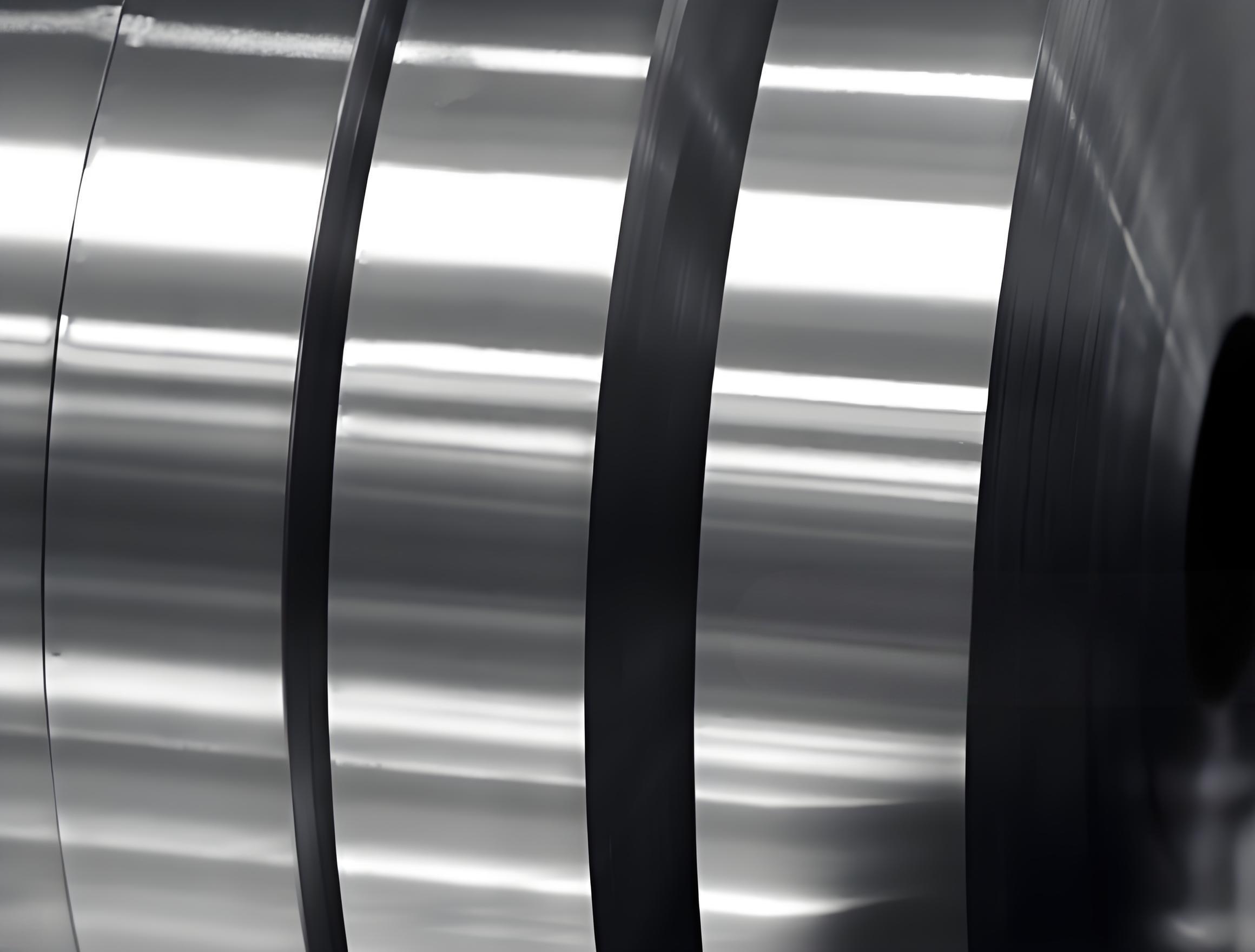
Manufacturing Process for High Silica Electrical Steel
High silica electrical steel production demands stringent process control to achieve optimal magnetic properties and dimensional precision. At Luoyang Xinzhaohe Aluminum Co., Ltd., with over two decades of specialized experience, our manufacturing sequence begins with precision slitting. Incoming master coils undergo tension-controlled slitting to specified widths, utilizing hardened tooling to minimize edge burr formation and maintain consistent strip geometry. Critical parameters include slit width tolerance (±0.1 mm) and edge camber control (<0.5 mm/m), verified via laser micrometry. This stage ensures uniform feedstock for subsequent thermal processing while preventing edge-induced magnetic losses in final laminations.
Annealing follows slitting to relieve mechanical stresses and optimize grain structure. Sheets are processed in continuous furnaces under precisely controlled nitrogen-hydrogen atmospheres to prevent oxidation and decarburization. Temperature profiles are calibrated between 800–860°C for high silica grades (3.0–6.5% Si), with dwell times adjusted to achieve target core loss values (e.g., ≤1.20 W/kg at 1.5 T, 50 Hz). In-line thermal monitoring and oxygen probes ensure atmosphere purity remains below 10 ppm O₂, critical for maintaining high permeability and low hysteresis loss.
Insulation coating application is executed via roll-coating or spray systems to deposit a thin, uniform inorganic layer. Our proprietary magnesium phosphate-based coating achieves surface insulation resistance of 10–100 Ω·m², directly influencing interlaminar eddy current suppression. Coating weight is maintained at 0.8–1.2 g/m² per side through real-time gravimetric checks, with adhesion tested via cross-hatch ASTM D3359 protocols. This layer must withstand subsequent handling while providing dielectric integrity up to 1.0 kV.
Final precision cutting transforms annealed and coated strips into laminations using high-speed progressive dies or laser systems. Tolerances for outer dimensions are held to ±0.05 mm, with angularity controlled to <0.1°. Burr height is restricted to ≤5% of material thickness (typically ≤5 µm for 0.35 mm gauges) to prevent short circuits in stacked cores. Automated vision systems inspect each lamination for dimensional conformity, coating integrity, and surface defects.
Integrated Quality Control Verification
All stages incorporate embedded QC checkpoints aligned with IEC 60404-1 and ASTM A976 standards. Key metrics include:
| Process Stage | Critical QC Parameter | Test Method | Acceptance Criterion |
|---|---|---|---|
| Slitting | Width tolerance | Laser micrometer | ±0.1 mm |
| Annealing | Core loss (1.5 T/50 Hz) | Epstein frame | ≤1.20 W/kg |
| Coating | Insulation resistance | 4-point probe | 10–100 Ω·m² |
| Precision Cutting | Burr height | Optical profilometry | ≤5 µm |
Final lamination batches undergo 100% dimensional validation and抽样 core loss testing. Non-conforming material is quarantined per our ISO 9001-certified traceability system, ensuring only validated product reaches customers. This end-to-end control framework, refined over 20 years, guarantees the high silica steel’s performance in demanding applications like high-frequency transformers and EV traction motors.
Packaging & Logistics
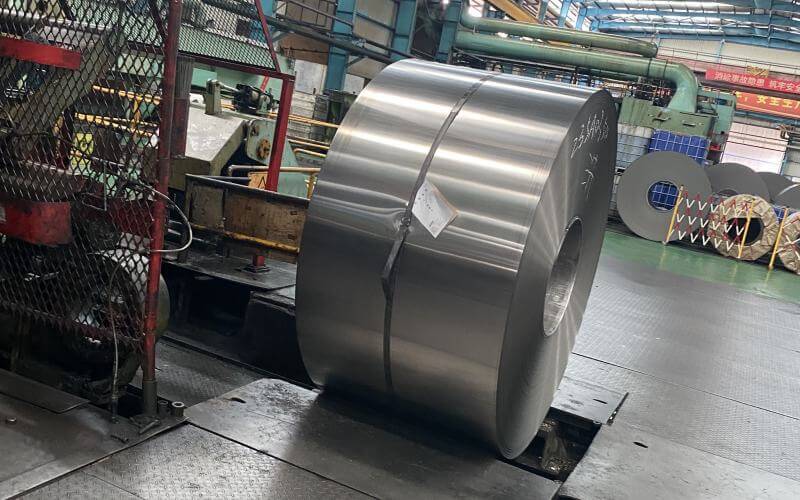
Export Packaging for High Silica Steel: Ensuring Integrity in International Shipments
At Luoyang Xinzhaohe Aluminum Co., Ltd, with over two decades of specialized experience in silicon steel production, we recognize that export packaging is not merely a logistical necessity but a critical component in preserving material quality during international transit. High silica steel, characterized by its elevated silicon content (typically 3–6.5%), exhibits exceptional magnetic permeability and reduced core loss, making it indispensable in high-efficiency transformers and advanced electrical applications. However, this alloy is particularly susceptible to moisture-induced oxidation and mechanical damage during long-distance sea freight. Our export packaging system is engineered to mitigate these risks through a dual-layer protection strategy: structural stability via wooden pallets and environmental isolation using moisture-proof film.
All high silica steel coils and sheets are secured on custom-fabricated wooden pallets constructed from kiln-dried, ISPM 15-compliant hardwood. These pallets are designed to withstand the rigors of containerized maritime transport, including dynamic loading conditions, stack pressure, and prolonged exposure to fluctuating temperatures. Each pallet is reinforced with steel strapping and corner protectors to prevent coil deformation or edge damage during handling. The load distribution is optimized to conform to ISO container weight limits and center-of-gravity standards, ensuring safe stowage aboard vessels.
To combat moisture ingress—a primary cause of surface oxidation in high-silicon alloys—each palletized load is hermetically wrapped in multi-layer moisture-proof film. This film consists of a laminated structure incorporating aluminum foil, polyethylene, and desiccant-integrated inner layers, providing a vapor transmission rate of less than 0.1 g/m²/day under ASTM E96 conditions. The wrapping process is performed in a climate-controlled environment to eliminate internal condensation, followed by heat-sealing at all seams to create a fully enclosed barrier. Additionally, humidity indicator cards and corrosion-inhibiting VCI (Vapor Corrosion Inhibitor) papers are placed within the wrap to provide real-time monitoring and active protection.
Our packaging protocol aligns with international maritime safety standards, including the CSS Code (Code of Safe Practice for Cargo Stowage and Securing) and IMO guidelines for steel cargo. Each shipment undergoes pre-loading inspection to verify packaging integrity, with documentation including moisture content reports, packaging certifications, and container condition logs. This systematic approach ensures that high silica steel arrives at destination ports—whether Rotterdam, Busan, or Houston—with unaltered surface quality, dimensional accuracy, and magnetic performance.
By integrating robust mechanical support with advanced moisture mitigation, Luoyang Xinzhaohe Aluminum Co., Ltd delivers export-ready silicon steel products that meet the exacting demands of global electrical infrastructure projects. Our packaging is not an endpoint but a continuation of our metallurgical commitment to performance and reliability.
Sourcing from Luoyang Xinzhaohe
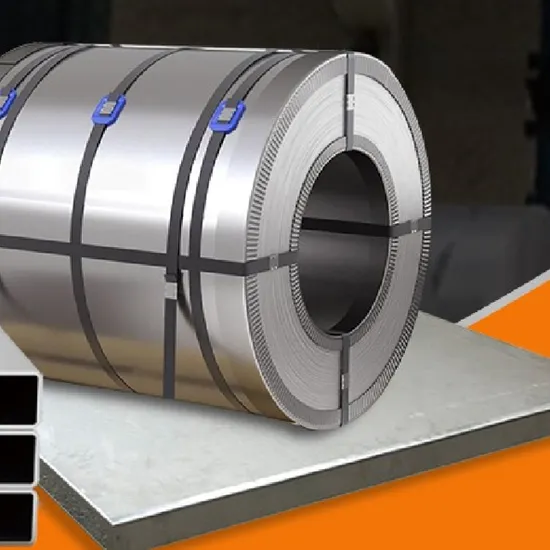
Partner with Luoyang Xinzhaohe for Precision High Silica Electrical Steel Solutions
Luoyang Xinzhaohe Aluminum Co., Ltd leverages over two decades of specialized metallurgical expertise to deliver high silica non-oriented electrical steel meeting the most stringent global transformer and motor core requirements. Our vertically integrated production ecosystem ensures uncompromised control from raw material selection through final shipment, directly addressing the critical magnetic and mechanical property demands of high-efficiency electrical applications.
Our 120,000-ton annual production capacity is anchored by twin 1,420mm continuous annealing lines with laser-guided tension control and hydrogen-nitrogen atmosphere processing. This infrastructure enables precise silicon content management between 2.8% and 3.5% while maintaining tight tolerances on core loss (W10/400 ≤ 1.80 W/kg) and magnetic induction (B50 ≥ 1.68 T) per IEC 60404-8-7 standards. Advanced decarburization annealing achieves carbon residuals below 30 ppm, minimizing aging effects in service. The proprietary two-stage temper rolling process ensures consistent yield strength (240–280 MPa) and lamination stack factors exceeding 97.5%, directly enhancing end-product energy efficiency.
Quality assurance operates under ISO/IEC 17025-accredited laboratory protocols with real-time在线 monitoring of key parameters. Every coil undergoes full-spectrum testing including Epstein frame core loss verification, surface insulation resistance measurement (≥50 Ω·cm²), and cross-sectional microstructure analysis via SEM-EDS. Our traceability system records 42 process variables per ton, enabling root-cause analysis for any deviation. Statistical process control maintains dimensional tolerances within ±0.025mm thickness deviation and ≤0.10mm camber per meter, critical for high-speed progressive die stamping operations.
Supply chain resilience is engineered through strategic partnerships with Baowu Steel for high-purity low-carbon slabs and dual-sourced grain growth inhibitors (MgO/AlN). Dedicated 20-foot flat-rack container handling at our Luoyang facility supports just-in-time delivery windows of ±48 hours for Asia-Pacific customers, while our FCL consolidation hub in Qingdao port ensures 25-day transit to European destinations. All shipments include certified material test reports compliant with EN 10204 3.1 specifications.
Technical collaboration begins at the sourcing phase with our metallurgical engineering team available for application-specific optimization. We provide finite element analysis support for magnetic circuit design, lamination blanking simulations, and failure mode troubleshooting—transforming material specifications into validated performance outcomes. This proactive engineering partnership reduces time-to-market for next-generation energy-efficient equipment.
Contact Cathy Zhang, Technical Sourcing Manager, at cathy@transformerstrip.com to initiate a production feasibility assessment. Include your target core loss values, gauge requirements, and annual volume for a tailored technical quotation within 72 hours. Luoyang Xinzhaohe remains your definitive partner for high silica electrical steel where material integrity directly defines system efficiency.
📉 Factory Direct Savings Calculator
Calculate your potential savings by importing high silica steel directly from China.