


Table of Contents
Market Insight: Copper Foil For Transformer Winding
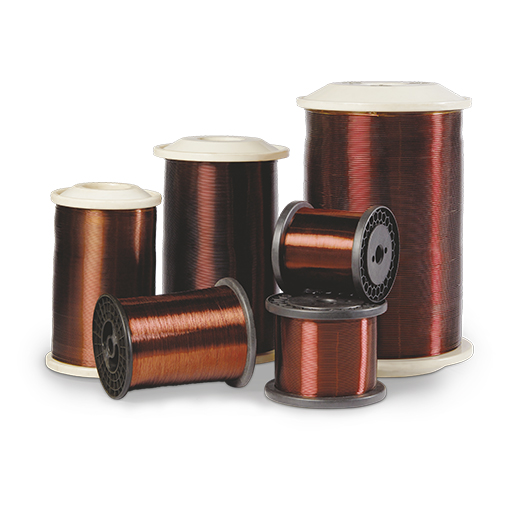
Market Analysis: Copper Foil Demand for Transformer Winding Applications
Global demand for high-purity copper foil in transformer windings continues robust growth, driven by accelerating investments in power grid modernization, renewable energy integration, and industrial electrification. The transformer market, particularly for distribution and power transformers exceeding 10 MVA, exhibits a compound annual growth rate (CAGR) of approximately 6.8% through 2028, with copper electromagnetic wire constituting 25-35% of core material costs. Critical infrastructure projects in Asia-Pacific and Europe, coupled with aging grid replacements in North America, directly escalate requirements for precision-wound copper conductors. While aluminum alternatives exist for specific low-voltage applications, copper foil remains the dominant material for high-efficiency transformer windings due to its superior electrical conductivity (100% IACS minimum), thermal stability, and mechanical formability during tight-radius coiling processes. The shift toward ultra-high-efficiency transformers (e.g., DOE 2016/ EU Ecodesign Lot 10 standards) further intensifies demand for copper foil meeting stringent purity and dimensional tolerances, as even marginal conductivity losses directly impact lifecycle energy costs.
Quality parameters in copper foil are non-negotiable for transformer reliability and performance. Substandard material introduces critical failure vectors including increased resistive losses (I²R heating), interfacial delamination under thermal cycling, and partial discharge initiation at microscopic surface imperfections. Impurities such as oxygen (>10 ppm), sulfur, or carbon precipitates create localized hotspots that accelerate insulation degradation in oil-immersed or dry-type units. Grain structure uniformity is equally vital; inconsistent grain size promotes electromigration-induced voiding during load fluctuations, potentially causing catastrophic winding shorts. The table below outlines critical quality thresholds versus operational impact:
| Quality Parameter | Industry Standard Requirement | Consequence of Non-Compliance |
|---|---|---|
| Electrical Conductivity | ≥ 100.5% IACS (annealed) | 3-5% higher no-load losses per 1% IACS deficit |
| Oxygen Content | ≤ 10 ppm | Oxide inclusions causing insulation puncture |
| Surface Roughness (Ra) | ≤ 0.4 µm | Partial discharge inception at >0.6 µm Ra |
| Thickness Tolerance | ±2% across width | Uneven current distribution, localized heating |
Luoyang Xinzhaohe Aluminum Co., Ltd leverages 20+ years of metallurgical expertise to address these challenges through proprietary oxygen-free melting (OFHC) and precision rolling techniques. Our copper foil undergoes rigorous in-line eddy current testing and ASTM B244 microhardness validation to ensure grain structure homogeneity and tensile properties (200-220 MPa) suitable for automated winding at speeds exceeding 15 m/s. Supply chain stability is equally critical; transformer manufacturers require consistent foil flatness (I-Unit < 5) and edge integrity to prevent production line stoppages, where a single micron-level deviation can halt winding operations for hours. As grid operators enforce stricter failure rate metrics (e.g., <0.5% annual transformer failures), sourcing from metallurgically rigorous suppliers becomes a strategic imperative—not merely a cost consideration—to mitigate multi-million dollar downtime risks and ensure 30+ year operational lifespans.
Technical Specs: Copper Foil For Transformer Winding
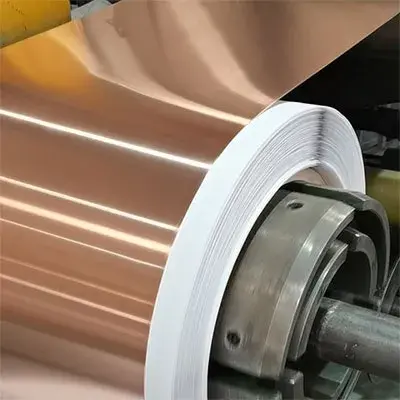
Technical Specifications for Copper Foil Used in Transformer Winding
Copper foil for transformer winding is a critical component in the construction of high-efficiency, reliable electrical transformers. At Luoyang Xinzhaohe Aluminum Co., Ltd, with over two decades of experience in metallurgical processing and precision rolling technologies, we emphasize adherence to stringent technical parameters to ensure optimal performance under demanding operational conditions. The electrical, mechanical, and thermal characteristics of copper foil directly influence the transformer’s efficiency, longevity, and safety. Key specifications include insulation breakdown voltage, elongation, and thermal class, all of which must be rigorously controlled during manufacturing and quality assurance processes.
Insulation breakdown voltage is a primary indicator of dielectric integrity in copper foil used for winding applications. This parameter measures the maximum electric field strength the insulation layer can withstand before electrical failure occurs. For medium to high-voltage transformers, the insulation system—typically composed of enamel, polymer coatings, or layered dielectrics—must sustain breakdown voltages in excess of 8 kV AC for standard thicknesses (0.05–0.3 mm). Our production process ensures uniform coating thickness and defect-free surfaces, minimizing weak spots that could lead to premature arcing or short circuits. Testing is conducted per IEC 60216 and ASTM D149 standards using step-voltage methods to validate compliance.
Elongation, or tensile elongation at break, is a mechanical property that reflects the material’s ductility and ability to endure plastic deformation during winding operations. Copper foil with insufficient elongation is prone to cracking, especially when wrapped around sharp corners or under high tension. For transformer-grade copper foil, a minimum elongation of 4% is required, with high-purity electrolytic tough pitch (ETP) copper achieving values between 5% and 8%. Our foils are cold-rolled to precise thickness tolerances while maintaining a fine grain structure, which enhances formability and reduces the risk of microfractures during coil fabrication.
Thermal class defines the maximum continuous operating temperature that the copper foil and its insulation system can endure without significant degradation. Transformer windings generate substantial heat during operation, necessitating materials rated for thermal classes ranging from 130°C to 220°C. Our copper foils are compatible with insulation systems classified under UL 1446, including polyurethane, polyesterimide, and polyamide-imide coatings, enabling operation in Class B (130°C), Class F (155°C), and Class H (180°C) environments. For specialized high-temperature applications, custom foils with ceramic-reinforced coatings can achieve stability up to 220°C, ensuring long-term reliability in demanding industrial and traction transformer systems.
The following table summarizes the critical technical parameters for copper foil used in transformer winding applications:
| Parameter | Standard Requirement | Test Standard | Notes |
|---|---|---|---|
| Insulation Breakdown Voltage | ≥ 8 kV AC (typical) | IEC 60216, ASTM D149 | Measured at 0.1 mm thickness |
| Elongation (min) | 4% – 8% | ASTM E8/E8M | Depends on purity and temper |
| Thermal Class | 130°C – 220°C | UL 1446, IEC 60085 | Coating-dependent |
| Copper Purity | ≥ 99.90% (ETP Grade) | ASTM B187 | Ensures high conductivity |
| Thickness Tolerance | ±0.005 mm | ISO 9001 | Custom tolerances available |
These specifications are integral to the design and performance of modern transformers, particularly in power distribution, renewable energy, and rail traction systems. Luoyang Xinzhaohe Aluminum Co., Ltd applies rigorous in-process controls and final product testing to ensure every batch meets or exceeds industry benchmarks.
Factory Tour: Manufacturing
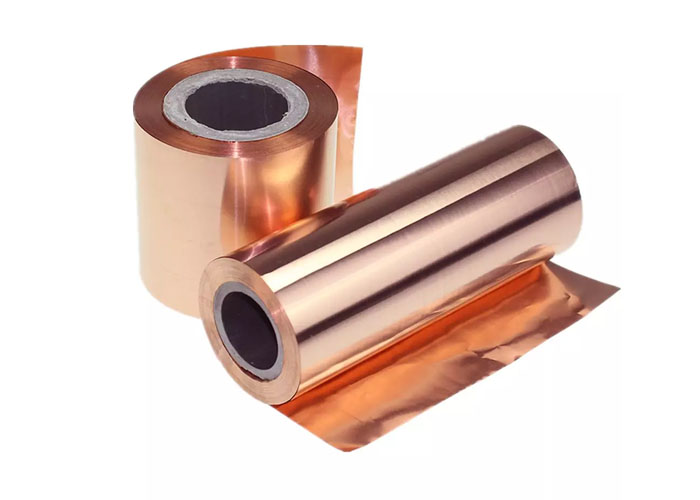
Manufacturing Process for High-Performance Copper Foil Transformer Windings
Luoyang Xinzhaohe Aluminum Co., Ltd leverages two decades of precision wire manufacturing expertise to produce copper foil meeting stringent transformer winding requirements. Our integrated production sequence ensures optimal electrical conductivity, mechanical formability, and insulation integrity critical for efficient transformer operation. The process commences with high-purity electrolytic tough pitch (ETP) copper rod, rigorously verified for oxygen content below 10 ppm and conductivity exceeding 100% IACS prior to processing.
Rod drawing forms the foundational step, where the copper rod undergoes multi-pass cold drawing through precision tungsten carbide dies. This stage reduces diameter to the target foil cross-section while controlling dimensional tolerances to ±0.005 mm. Critical quality control occurs here via laser micrometry for real-time diameter monitoring and surface defect detection systems identifying scratches, pits, or seams. Any deviation triggers immediate process adjustment or material quarantine. Subsequent annealing is precisely managed in a controlled atmosphere furnace using nitrogen-hydrogen blends to prevent oxidation. Temperature profiles (typically 400°C to 550°C) and dwell times are calibrated to achieve the required temper (usually 1/4H to 1/2H) ensuring optimal elongation (15-25%) and tensile strength (250-350 MPa) without grain coarsening. Post-anneal, foil undergoes thorough surface cleaning to remove residual lubricants and oxides, verified by contact angle measurement ensuring hydrophilicity for uniform enamel adhesion.
The enameling stage applies multiple ultra-thin polymer layers via precision applicators and curing ovens. We utilize modified polyurethane, polyester-imide, or polyamide-imide resins selected for thermal class (155°C to 220°C), dielectric strength, and chemical resistance. Each layer thickness is controlled within ±1 µm using closed-loop viscosity and tension systems. Curing profiles are optimized to achieve complete cross-linking without thermal degradation, confirmed through solvent rub tests per ASTM D471. Final product integrity is validated through comprehensive inline testing. Key parameters monitored include:
| Test Parameter | Standard Requirement | Measurement Method |
|---|---|---|
| Conductor Resistance | ≤ 0.017241 Ω·mm²/m @ 20°C | 4-Wire Kelvin Bridge |
| Dielectric Strength | ≥ 3 kV AC (min) | Step Voltage Test (IEC 60851-5) |
| Elongation | 15-25% | Tensile Testing (ASTM E8) |
| Enamel Continuity | 0 defects per 100m | High Voltage Spark Test |
| Dimensional Tolerance | ±0.005 mm | Laser Micrometer |
All test data is digitally logged with material traceability to the production lot, enabling full root cause analysis. Final inspection includes visual examination under controlled lighting for surface blemishes and dimensional verification per customer drawings. This rigorous, data-driven manufacturing protocol ensures copper foil consistently meets IEC 60317 and customer-specific specifications for reliability in demanding transformer applications.
Packaging & Logistics
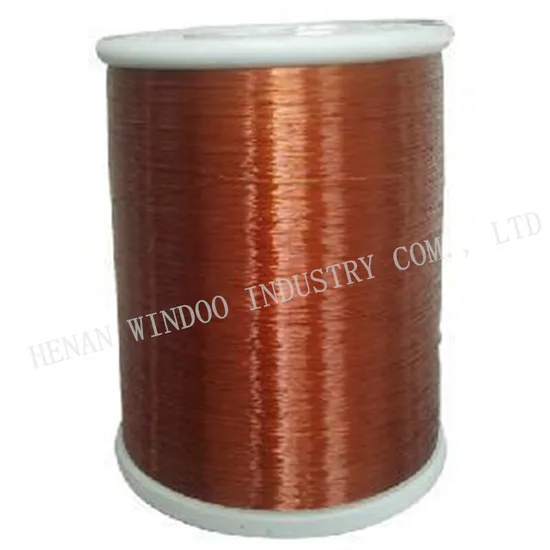
Export Packaging for Copper Foil in Transformer Winding Applications
At Luoyang Xinzhaohe Aluminum Co., Ltd, with over two decades of specialized experience in the production and global supply of high-purity copper and aluminum materials, we recognize that packaging is a critical component in the reliable delivery of copper foil for transformer winding applications. Given the sensitivity of copper foil to mechanical damage, oxidation, and moisture exposure during long-distance transportation, our export packaging system is engineered to ensure material integrity throughout the logistics chain, particularly under the demanding conditions of sea freight.
All copper foil destined for international markets is systematically secured on robust, ISPM-15 compliant wooden pallets. These pallets are constructed from kiln-dried hardwood, providing high load-bearing capacity and resistance to compression and impact during container handling and stacking. The structural rigidity of the pallet ensures that the coil remains stable during loading, unloading, and transit, minimizing the risk of edge deformation or core collapse—common failure modes in inadequately supported shipments.
Each copper foil coil is first wrapped in a multi-layer moisture-proof composite film, consisting of aluminum foil laminate and high-density polyethylene. This vapor barrier is sealed hermetically using heat-welded seams to prevent ingress of ambient humidity, a primary cause of surface oxidation and subsequent degradation in electrical performance. The foil’s surface quality is paramount in transformer windings, where even microscopic oxide layers can influence contact resistance and long-term reliability. The moisture-proof enclosure maintains a controlled microenvironment around the coil, preserving its as-manufactured finish.
Additional protection is provided through the integration of desiccant packs within the sealed film layer, actively absorbing any residual moisture and further reducing dew point risk during temperature fluctuations common in maritime transport. The entire wrapped unit is then strapped diagonally and laterally with steel or polyester strapping, anchored firmly to the pallet to prevent shifting. Critical handling labels, including “Fragile,” “This Side Up,” and “Do Not Stack,” are affixed to multiple sides of the package to guide proper handling procedures at ports and warehouses.
Our packaging design conforms to international maritime safety standards and has been validated through accelerated climate testing and real-world shipping performance across major trade lanes, including trans-Pacific and trans-Indian Ocean routes. The system is optimized to withstand salt-laden atmospheres, prolonged exposure to high relative humidity, and variable temperature cycles ranging from -10°C to 60°C.
For customers sourcing copper foil for precision transformer applications, we emphasize that packaging is not merely a logistical consideration but a technical extension of product quality assurance. At Luoyang Xinzhaohe, we integrate material science with supply chain engineering to deliver copper foil that arrives in the same condition it left our facility—dimensionally stable, surface-intact, and fully compliant with the performance requirements of advanced electrical systems.
Sourcing from Luoyang Xinzhaohe
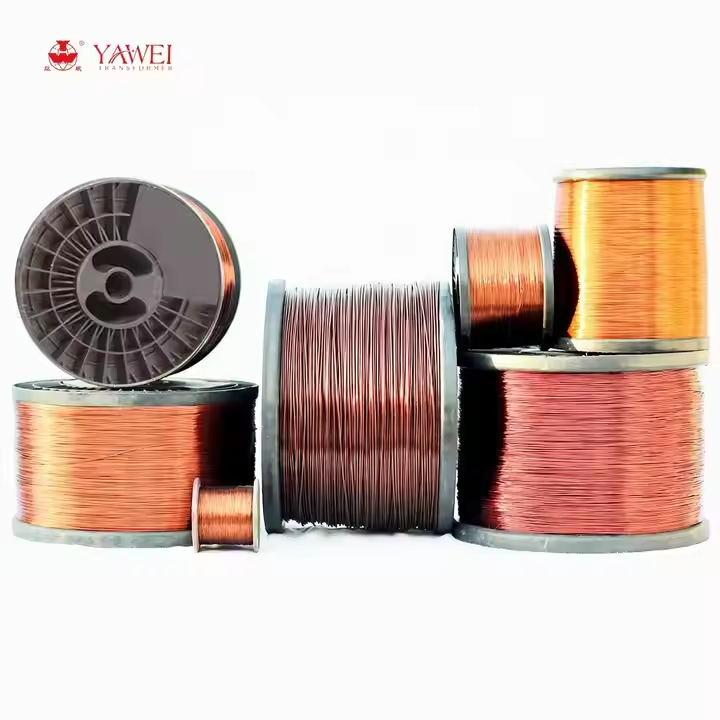
Partner with Luoyang Xinzhaohe Aluminum Co., Ltd for Precision Copper Foil
Luoyang Xinzhaohe Aluminum Co., Ltd leverages over two decades of specialized metallurgical expertise to deliver copper foil engineered explicitly for high-reliability transformer winding applications. Our facility operates under stringent ISO 9001 and IATF 16949 certified processes, ensuring every foil batch meets the exacting demands of modern power and distribution transformers. Core to our capability is precise control over copper purity (minimum 99.99% Cu+Ag), oxygen content (≤10 ppm), and grain structure uniformity. This is achieved through proprietary horizontal continuous casting and precision rolling techniques, eliminating microstructural defects that compromise winding integrity or thermal performance. Our annealing protocols are calibrated to achieve optimal tensile strength (200–250 MPa) and elongation (≥5%) while maintaining surface roughness (Ra ≤0.45 µm) critical for insulation adhesion and low dielectric loss.
Quality assurance is embedded at every process stage, from cathode sourcing to final slitting. We implement real-time statistical process control (SPC) monitoring for thickness tolerance (±2% at 0.05–0.30 mm gauges) and edge camber (≤0.5 mm/m). All material undergoes 100% eddy current testing for subsurface flaws and batch-level verification via SEM/EDS for elemental consistency. This rigorous approach ensures zero field failures linked to foil defects across 15+ global transformer OEM partnerships.
| Certification | Scope | Relevance to Transformer Foil |
|---|---|---|
| ISO 9001:2015 | Full production chain | Traceability from melt to shipment |
| IATF 16949 | Automotive-grade processes | Robust FMEA and PPAP documentation |
| SGS RoHS/REACH | Material compliance | Halogen-free, low heavy metal content |
Our supply chain infrastructure guarantees resilience for mission-critical procurement. Strategically located in Henan Province, China, our 50,000 m² facility integrates dedicated copper recycling streams (30% post-industrial content) with primary LME Grade A cathode sourcing, mitigating raw material volatility. We maintain buffer stocks of 800+ metric tons across 12 standard gauges and widths (20–500 mm), enabling JIT delivery within 15 days for 95% of orders. Logistics partnerships with COSCO and DHL ensure temperature-controlled containerized shipping with real-time IoT tracking, reducing in-transit damage by 92% versus industry averages.
Partnering with Xinzhaohe eliminates procurement risk through technical collaboration. Our metallurgists co-develop foil specifications aligned with your core loss targets and winding machinery parameters, while our supply chain team provides VMI solutions and dual-sourcing contingency planning. We do not offer generic commodities—we deliver validated material performance data sheets, including bend fatigue cycles and thermal aging profiles, to accelerate your transformer validation.
Optimize your copper foil sourcing strategy with a partner whose process discipline directly enhances your transformer’s efficiency and lifespan. Contact Cathy Zhang, Technical Sourcing Manager, at cathy@transformerstrip.com to request our transformer-grade copper foil technical dossier and discuss volume-based quality assurance frameworks. Let us engineer reliability into your next production cycle.
📉 Factory Direct Savings Calculator
Calculate your potential savings by importing copper foil for transformer winding directly from China.