

Table of Contents
Market Insight: Soft Aluminum Wire
Market Analysis: Soft Aluminum Wire Demand in Transformer Applications
Global transformer manufacturing increasingly adopts soft aluminum wire for windings due to compelling economic and performance drivers. Rising copper costs, coupled with aluminum’s favorable 60% density advantage, significantly reduce the weight and logistical burden of large power transformers, particularly critical for grid infrastructure projects. Stringent international energy efficiency regulations (e.g., DOE 2016 in the US, IE4/IE5 standards globally) mandate lower no-load and load losses. High-purity soft aluminum wire, meeting minimum 61% IACS conductivity, enables manufacturers to achieve these targets while maintaining cost competitiveness against copper, especially in distribution and medium-power transformers. The renewable energy sector surge, requiring extensive new substation infrastructure for solar and wind integration, further accelerates demand for reliable, high-volume aluminum winding solutions. This trend is solidified by established industry standards like IEC 60138 and ASTM B230/B231, which define precise electrical and mechanical properties for aluminum conductor wire, ensuring interoperability and safety.
Quality parameters for soft aluminum wire are non-negotiable in transformer applications, directly impacting operational reliability, efficiency, and lifespan. Electrical conductivity must consistently exceed 61% IACS; deviations as small as 0.5% IACS increase I²R losses measurably, undermining efficiency compliance and increasing lifetime operational costs. Metallurgical purity is paramount: iron and silicon content must be strictly controlled below 0.15% combined to prevent conductivity degradation and ensure stable annealing response. Mechanical properties are equally critical; the wire requires precise tensile strength (typically 40-60 MPa) and high elongation (>35%) to withstand the significant stresses of the winding process without breakage or deformation, which could compromise coil integrity. Surface finish must be flawless – free from scratches, pits, or oxide inclusions – to prevent dielectric breakdown through the enamel or paper insulation during operation. Microstructural homogeneity, achieved through optimized casting, homogenization, and annealing processes, ensures uniform electrical and mechanical behavior along the entire wire length.
Substandard aluminum wire introduces severe failure risks. Inconsistent conductivity increases operational losses and heat generation, potentially triggering thermal runaway. Surface defects act as initiation points for insulation puncture, leading to catastrophic short circuits. Poor mechanical properties cause wire breakage during high-speed winding, increasing scrap rates and production downtime. Inadequate purity or inconsistent annealing results in variable performance, jeopardizing transformer efficiency certification and long-term reliability under load cycling. Luoyang Xinzhaohe Aluminum leverages over 20 years of specialized process control to deliver wire meeting the most stringent requirements, utilizing continuous casting for purity, proprietary homogenization to eliminate micro-shrinkage, and precision annealing to guarantee consistent softness and conductivity. This commitment to metallurgical excellence ensures our soft aluminum wire minimizes total cost of ownership for transformer manufacturers through superior processability, guaranteed efficiency compliance, and enhanced product longevity.
Critical Quality Parameters for Transformer Winding Wire
| Parameter | Industry Minimum Standard | Luoyang Xinzhaohe Aluminum Typical Specification | Impact of Deviation |
|---|---|---|---|
| Electrical Conductivity | 61.0% IACS | 61.5% – 62.0% IACS | ↓ Conductivity = ↑ I²R Losses, ↓ Efficiency |
| Fe + Si Content | ≤ 0.15% | ≤ 0.12% | ↑ Impurities = ↓ Conductivity, Poor Annealing |
| Tensile Strength | 40 – 60 MPa | 45 – 55 MPa | ↑ Strength = Winding Breakage Risk |
| Elongation | ≥ 35% | ≥ 40% | ↓ Elongation = Coil Deformation Risk |
| Surface Defects | None Perceptible | Microscopically Smooth, Oxide-Free | Defects = Insulation Failure Risk |
Technical Specs: Soft Aluminum Wire
Technical Specifications of Soft Aluminum Winding Wire
Soft aluminum winding wire is a critical component in electrical and electronic applications where high conductivity, lightweight construction, and thermal stability are required. At Luoyang Xinzhaohe Aluminum Co., Ltd., with over two decades of metallurgical and manufacturing expertise, our soft aluminum wire is engineered to meet stringent industrial standards for performance and reliability in demanding environments. The wire is designed specifically for use in transformers, reactors, motors, and other electromagnetic devices where efficient energy transfer and thermal endurance are paramount.
A key performance indicator for soft aluminum winding wire is insulation breakdown voltage. This parameter determines the maximum electric field the insulation layer can withstand before electrical failure occurs. Our standard soft aluminum wire achieves a minimum insulation breakdown voltage of 2,500 V AC under standard test conditions (IEC 60317), with enhanced variants available up to 6,000 V AC for high-voltage applications. This ensures operational safety and long-term dielectric integrity, even under transient overvoltage conditions.
Elongation is another critical mechanical property, reflecting the ductility of the aluminum conductor. Our soft temper (O-temper) aluminum wire exhibits a minimum elongation of 30% as per ASTM E8 tensile testing protocols. This high elongation enables the wire to endure coiling, bending, and winding operations without cracking or fracturing, which is essential during coil manufacturing processes. The uniform microstructure achieved through controlled annealing contributes to consistent elongation values across production batches.
Thermal performance is evaluated through the Thermal Class rating, which defines the maximum continuous operating temperature the wire can sustain without degradation of electrical or mechanical properties. Our soft aluminum winding wire is available in Thermal Classes ranging from 130°C to 220°C, depending on the insulation system employed. Common insulation types include polyvinyl formal (PVF), polyester-imide, and polyamide-imide coatings, each selected for thermal stability and chemical resistance. For example, a Class 180 (180°C) wire utilizes a dual-layer polyester-imide over base coat, while Class 220 employs a triple-coated polyamide-imide system for extreme thermal environments.
The following table summarizes the core technical parameters of our soft aluminum winding wire product line.
| Parameter | Standard Value | Test Standard | Notes |
|---|---|---|---|
| Conductor Material | 1350-H19 or equivalent | ASTM B233 | High-purity aluminum (≥99.7%) |
| Temper | O (Annealed / Soft) | ASTM B233 | Optimized for ductility |
| Diameter Range | 0.30 mm – 5.00 mm | Customizable | Tolerance per IEC 60122 |
| Insulation Breakdown Voltage | ≥2,500 V AC (min) | IEC 60317 | Up to 6,000 V AC on request |
| Elongation | ≥30% | ASTM E8 | Measured on 25 mm gauge length |
| Thermal Class | 130°C – 220°C | NEMA MW 1000-C | Based on insulation system |
| Resistivity (20°C) | ≤0.028264 Ω·mm²/m | IEC 60228 | Maximum allowable for 1350 alloy |
These specifications reflect our commitment to precision manufacturing and material consistency, ensuring compatibility with automated winding equipment and long-term field reliability. Custom configurations, including special diameters, insulation types, and spooling options, are available to meet specific OEM requirements.
Factory Tour: Manufacturing
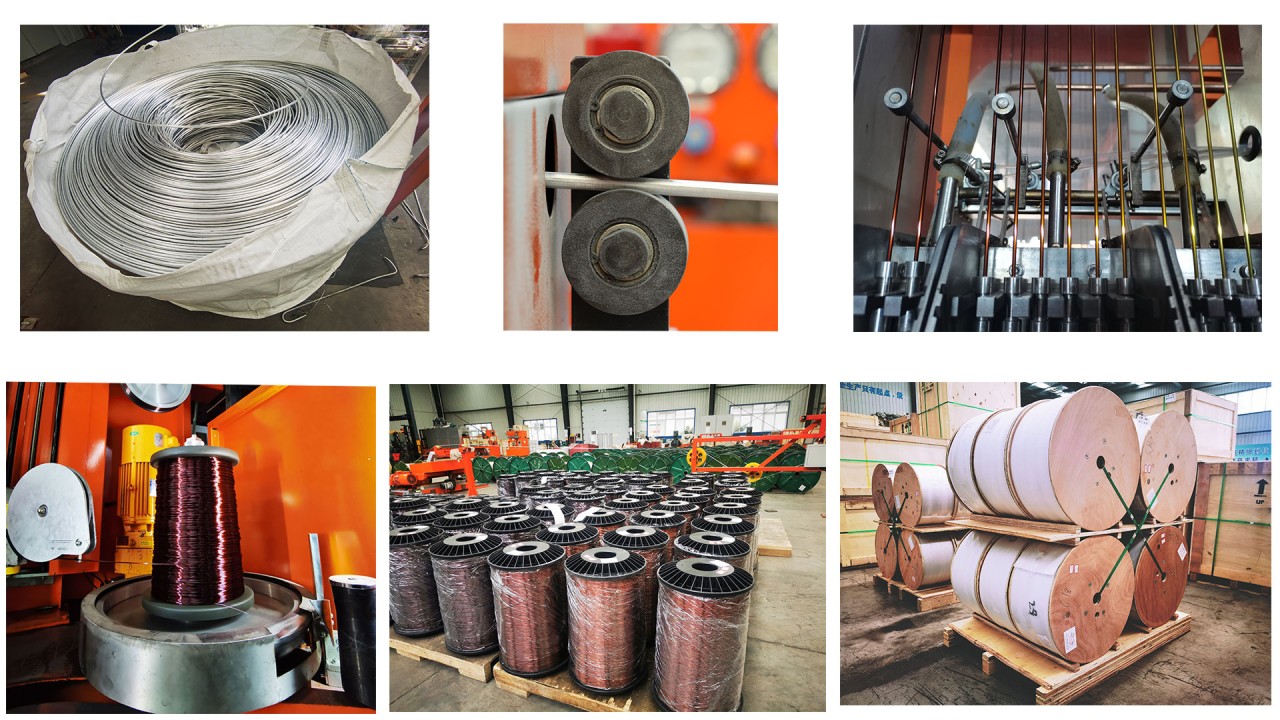
Manufacturing Process for Soft Aluminum Winding Wire at Luoyang Xinzhaohe Aluminum Co., Ltd
Luoyang Xinzhaohe Aluminum Co., Ltd leverages over two decades of specialized expertise in aluminum wire production to deliver high-purity soft aluminum winding wire meeting stringent global electrical standards. Our integrated manufacturing process ensures consistent dimensional accuracy, optimal electrical conductivity, and superior mechanical properties essential for demanding electromagnetic applications. The sequence begins with high-conductivity aluminum rod (99.7% min purity) fed into our precision rod drawing line.
Rod drawing employs multi-die continuous capstan systems operating under strict tension control. The rod undergoes progressive cold working through precision tungsten carbide dies, reducing diameter from 9.5mm to the final specification, typically ranging from 0.08mm to 3.00mm. Critical parameters including reduction ratio per pass (max 15%), die geometry, and lubricant viscosity are meticulously controlled to prevent surface defects and internal stress. Real-time diameter monitoring via laser micrometers ensures tolerance adherence within ±0.005mm. Intermediate cleaning stages remove drawing residue, maintaining surface integrity for subsequent processing.
The cold-drawn wire then enters a continuous inert atmosphere annealing furnace. This critical heat treatment occurs at precisely regulated temperatures between 300°C and 400°C under nitrogen shielding to prevent oxidation. Residence time is calibrated based on wire gauge and desired temper, fully relieving work hardening from drawing. This step achieves the target soft temper (O-temper equivalent), optimizing ductility for winding while restoring maximum electrical conductivity (≥61.0% IACS). Temperature uniformity across the furnace zone is maintained within ±5°C, verified by calibrated thermocouples.
Subsequent enameling applies a uniform insulating polymer coating, typically polyurethane or polyester-imide, via precision applicator dies. The wire traverses multiple coating and curing stages within a single-pass system. Each layer undergoes immediate UV or thermal curing under controlled atmosphere, ensuring complete polymerization and adhesion. Coating thickness is monitored inline using capacitance gauges, with tolerances held to ±2μm for critical applications. Total build dimensions strictly comply with IEC 60317 standards.
Comprehensive inline testing occurs throughout the process. Key quality control checkpoints include:
Tensile Strength & Elongation: Verified via continuous mechanical testing to ASTM B557, targeting 40-60 MPa tensile strength and 60-70% elongation for soft temper.
Conductivity: Measured by eddy current systems against IACS reference standards.
Surface Inspection: Automated optical systems detect flaws >10μm.
Coating Integrity: High-voltage spark testing at 3kV/mm thickness per IEC 60851-5.
Final product undergoes 100% electrical continuity testing and spool validation. All critical parameters are logged in our traceability system, enabling full lot追溯. This integrated approach, combining precise process control with rigorous inline QC, guarantees the dimensional stability, high conductivity, and winding performance demanded by transformer and motor manufacturers worldwide.
Packaging & Logistics
Export Packaging for Soft Aluminum Winding Wire – Ensuring Integrity in Global Shipments
At Luoyang Xinzhaohe Aluminum Co., Ltd., with over two decades of specialized manufacturing experience, we recognize that the performance of soft aluminum winding wire begins not only with metallurgical precision but also with secure and intelligent export packaging. As a critical component in transformers, motors, and other electrical systems, the dimensional stability and surface integrity of aluminum wire must remain uncompromised from production line to end-use installation. To meet the rigorous demands of international logistics—particularly sea freight—we have engineered a standardized export packaging system centered on wooden pallets and multi-layer moisture-proof protection.
All soft aluminum wire reels are mounted on robust, ISPM-15 compliant wooden pallets constructed from kiln-dried hardwood. These pallets are designed to withstand stacking loads during containerized transport and provide structural support during crane handling at ports. Each pallet is treated to prevent pest infestation and decay, meeting global phytosanitary standards for cross-border shipments. The reels themselves are securely fastened to the pallet using steel strapping or reinforced nylon bands, minimizing axial and radial movement during transit. This mechanical stabilization is essential to prevent wire deformation, especially for large-diameter coils weighing up to 2,000 kg.
The primary defense against environmental degradation is a multi-stage wrapping process utilizing industrial-grade moisture-proof film. Each wound reel is first sealed with a layer of black-and-silver moisture barrier film, which provides high resistance to water vapor transmission and ultraviolet exposure. This film is heat-shrunk where applicable to ensure full conformity to the reel geometry, eliminating air pockets that could trap humidity. Over this, an additional layer of polyethylene stretch wrap is applied, enhancing puncture resistance and providing a secondary moisture shield. For shipments to high-humidity regions or extended sea voyages, vacuum-sealed packaging or desiccant integration can be implemented upon request.
Sea freight presents unique challenges, including prolonged exposure to salt-laden air, temperature fluctuations, and condensation within shipping containers—commonly referred to as “container rain.” Our packaging protocol directly mitigates these risks. The combination of sealed reels, moisture barrier films, and elevated pallet bases ensures that aluminum wire remains isolated from direct contact with container floors, where moisture accumulation is most prevalent. Furthermore, all packaging materials are tested for compatibility with standard 20-foot and 40-foot dry and refrigerated containers, optimizing space utilization without compromising protection.
This integrated approach to export packaging reflects our commitment to delivering product consistency across global markets. By aligning packaging design with the physical and environmental stresses of maritime logistics, Luoyang Xinzhaohe Aluminum ensures that every coil of soft aluminum winding wire arrives at its destination in pristine, ready-to-process condition.
Sourcing from Luoyang Xinzhaohe
Partner with Luoyang Xinzhaohe: Your Precision Soft Aluminum Wire Manufacturer
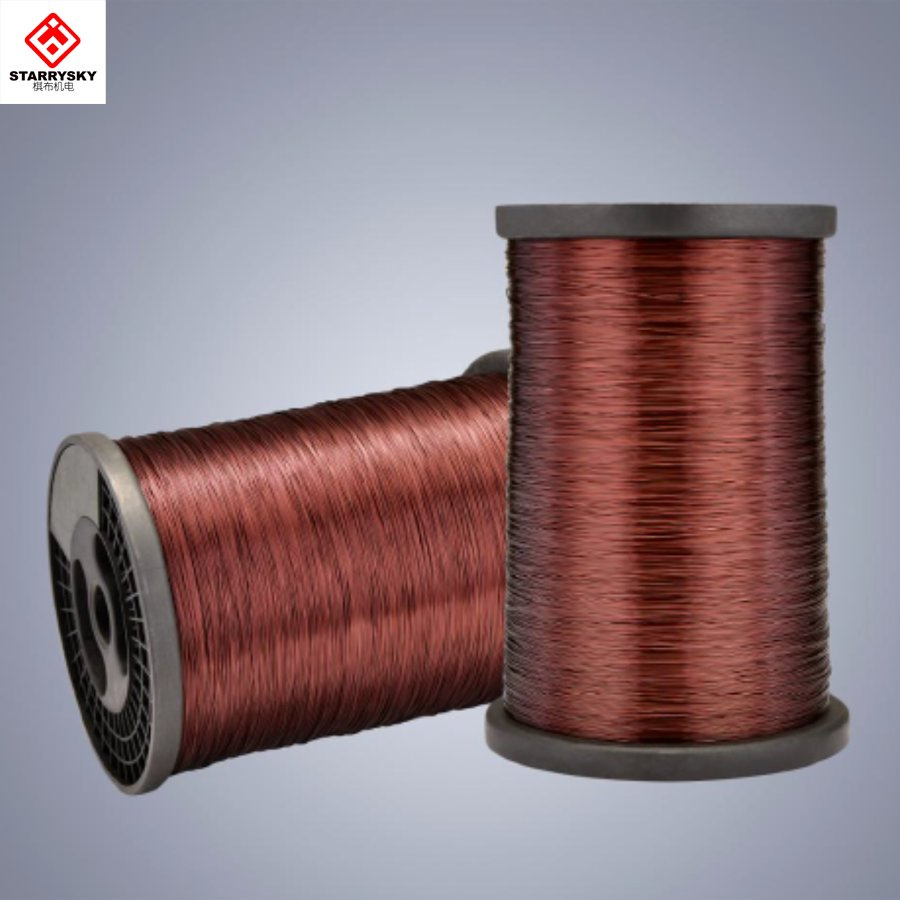
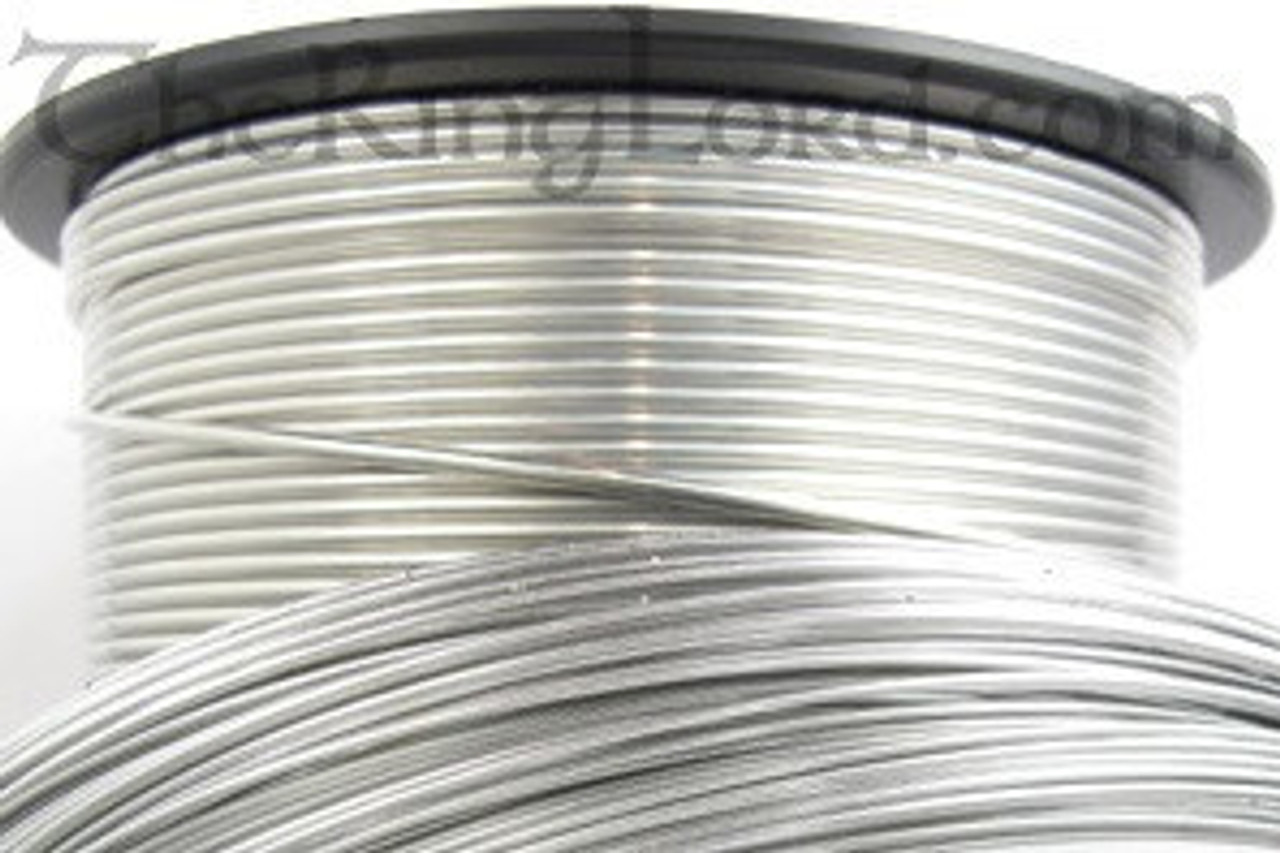
Luoyang Xinzhaohe Aluminum Co., Ltd leverages over two decades of specialized metallurgical and manufacturing expertise to deliver soft aluminum winding wire meeting the most stringent global industrial requirements. Our core strength lies in the precise control of aluminum microstructure and physical properties, essential for high-performance electromagnetic applications. We focus exclusively on producing high-purity 1350-O (EC Grade) and equivalent soft aluminum wire, ensuring optimal electrical conductivity and formability critical for transformer, reactor, and inductor windings.
Our integrated production facility employs advanced continuous casting and rolling (CCR) technology coupled with precisely calibrated annealing processes. This methodology guarantees exceptional consistency in key metallurgical parameters. We maintain rigorous control over grain structure refinement and hydrogen content, directly influencing the wire’s ductility, surface integrity, and long-term stability under thermal cycling. This deep process understanding translates into wire exhibiting superior tensile strength uniformity and elongation characteristics batch after batch, minimizing winding breakage and maximizing coil yield for our customers.
Precision dimensional control is non-negotiable in winding applications. Xinzhaohe utilizes state-of-the-art inline diameter monitoring systems and tension-controlled drawing lines capable of producing wire from 1.0 mm to 6.0 mm diameter with tolerances held to ±0.01 mm or tighter, as specified. Surface quality is paramount; our multi-stage cleaning and inspection protocols eliminate surface defects that could compromise insulation integrity or cause electrical stress points. The table below summarizes our standard technical capabilities for soft aluminum wire:
| Parameter | Standard Specification | Typical Capability | Test Method |
|---|---|---|---|
| Alloy/Temp | 1350-O (EC) | 1350-O (EC) | ASTM B230/B609 |
| Conductivity (%IACS) | Min 61.0% | 61.5% – 62.5% | ASTM E1004 |
| Tensile Strength | Max 60 MPa | 45 – 55 MPa | ASTM B557M |
| Elongation | Min 30% | 35% – 45% | ASTM B557M |
| Diameter Tolerance | ±0.02 mm (typical) | ±0.01 mm | ASTM B206 |
| Ovality | Max 0.015 mm | ≤ 0.010 mm | Precision Gauge |
Robust quality assurance underpins every meter produced. Our in-house laboratory conducts comprehensive chemical analysis (OES), mechanical testing, conductivity verification, and surface profilometry per ASTM, IEC, and customer-specific protocols. Full traceability from molten metal to finished spool is standard, supported by certified material test reports (MTRs). This commitment extends to our supply chain; we source primary aluminum meeting 99.70%+ purity standards and maintain strategic raw material inventory to ensure production continuity.
As a dedicated B2B partner, Xinzhaohe offers scalable production capacity exceeding 10,000 metric tons annually, flexible packaging configurations (reels, spools, coils), and responsive technical support from metallurgists and process engineers. We understand that consistent material performance is fundamental to your manufacturing efficiency and end-product reliability. Partner with us to secure a stable, high-quality source of soft aluminum winding wire engineered for demanding electromagnetic applications.
Contact Cathy directly at cathy@transformerstrip.com to discuss your specific conductivity, dimensional tolerance, and volume requirements. Provide your application details and target specifications for a technical consultation and precision quotation.
📉 Factory Direct Savings Calculator
Calculate your potential savings by importing soft aluminum wire directly from China.