


Table of Contents
Market Insight: Silicon Steel Strip
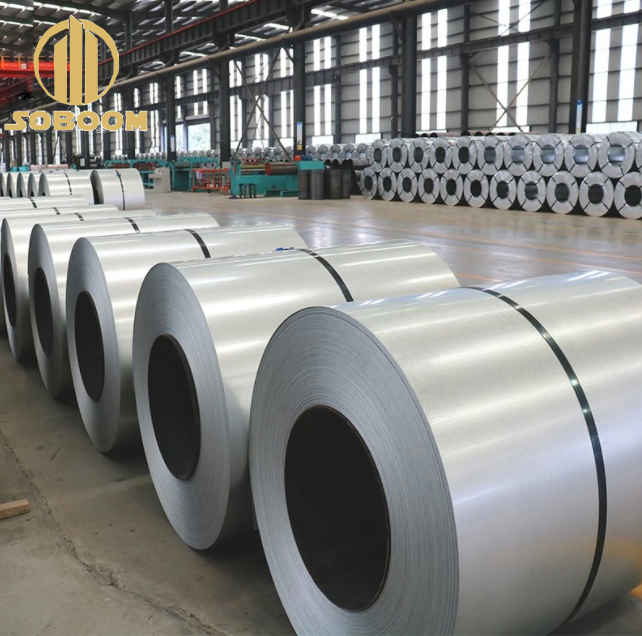
Market Analysis: Silicon Steel (Electrical Steel)
Silicon steel, commonly referred to as electrical steel, is a critical ferromagnetic material engineered for efficient performance in alternating current (AC) electromagnetic applications. Among its primary forms, silicon steel strip is especially vital in the fabrication of transformer cores, where precise magnetic properties directly influence energy efficiency, thermal management, and operational longevity. The global demand for high-quality silicon steel strip is driven predominantly by the power transmission and distribution sector, with additional demand stemming from renewable energy integration, electric vehicle charging infrastructure, and industrial motor manufacturing.
Transformers represent the largest application segment for grain-oriented silicon steel (GOES) strip, which is specifically processed to optimize magnetic flux density along the rolling direction. In power transformers, the core is subjected to continuous cyclic magnetization, and any inefficiency in magnetic performance translates directly into energy losses—commonly referred to as core losses or no-load losses. These losses, though seemingly minor on an individual basis, accumulate significantly across national grids, making the selection of low-loss silicon steel a strategic priority for utilities and equipment manufacturers.
The quality of silicon steel strip is determined by multiple metallurgical and processing factors, including silicon content (typically 2.5–3.5%), grain orientation, coating integrity, and thickness uniformity. Higher silicon content improves electrical resistivity and reduces eddy current losses, while grain orientation enhances magnetic permeability in the preferred direction. Tension coating application and stress relief annealing are essential post-processing steps that minimize aging and maintain consistent magnetic performance over time. Deviations in any of these parameters can result in increased hysteresis losses, localized heating, and reduced transformer efficiency.
From a supply chain perspective, consistent quality is non-negotiable. Transformer manufacturers require strict adherence to international standards such as IEC 60404-8 or ASTM A876, with guaranteed magnetic properties including core loss (W17/50) and magnetic polarization (B8). Variability in strip thickness—even within microns—can disrupt core stacking factors and increase air gaps, degrading magnetic circuit performance. Additionally, surface insulation coatings must provide reliable inter-laminar resistance to suppress eddy currents without compromising mechanical stability during core assembly.
Luoyang Xinzhaohe Aluminum Co., Ltd brings over two decades of materials expertise to the industrial supply chain, with a focused understanding of precision strip requirements in electrical applications. While specializing in aluminum-based products, the company maintains rigorous quality control protocols aligned with ferrous metallurgy standards, ensuring compatibility with downstream processing needs. In the context of silicon steel, this level of technical discipline underscores the importance of supplier reliability, traceability, and process consistency in meeting the evolving demands of energy-efficient transformer design.
As global energy efficiency regulations tighten—such as the DOE 2016 standards in the U.S. and the Ecodesign Directive in the EU—the role of high-grade silicon steel strip becomes increasingly pivotal. Sourcing decisions must therefore prioritize not only cost but also long-term performance metrics, making technical due diligence essential in supplier selection.
Technical Specs: Silicon Steel Strip
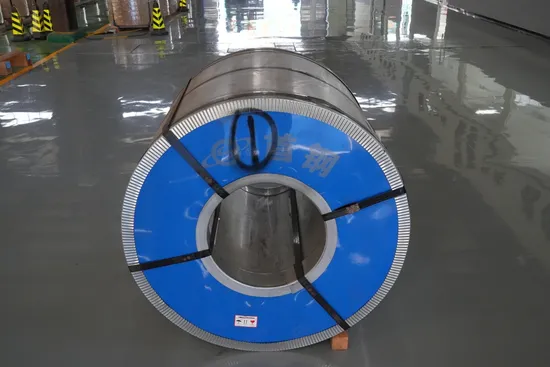
Technical Specifications for Silicon Steel Strip Sourcing
Silicon steel strip, commonly termed electrical steel, is a critical ferromagnetic material engineered for efficient electromagnetic energy conversion in motors, transformers, and generators. As a metallurgical specialist with Luoyang Xinzhaohe Aluminum CO., Ltd, we emphasize that precise adherence to technical parameters directly impacts device efficiency, thermal management, and lifecycle performance. Core loss (iron loss) remains the paramount specification, quantifying energy dissipated as heat during magnetic cycling. It comprises hysteresis loss (material-dependent) and eddy current loss (thickness-dependent), measured in watts per kilogram (W/kg) at standardized flux densities (1.0–1.7 Tesla) and frequencies (50/60 Hz). Lower core loss values correlate directly with reduced operational energy consumption and minimized thermal stress in end applications.
Magnetic flux density (B800), expressed in Tesla (T), defines the material’s saturation capability under an 800 A/m magnetic field. Higher B800 values enable compact core designs but require balanced silicon content (2.5–3.5%) to maintain ductility. Excessive flux density without adequate core loss control induces premature saturation, increasing harmonic distortion and vibration. Flatness tolerance, measured in millimeters per meter (mm/m), is equally critical for automated lamination stacking. Deviations exceeding 0.15 mm/m cause air gaps between layers, elevating reluctance and localized eddy currents. Our production rigorously controls flatness via tension-leveling and precision rolling to ensure ≤0.10 mm/m tolerance, preventing burr formation during blanking.
Thickness uniformity (±0.005 mm) and edge squareness (±0.1°) further dictate lamination integrity and core loss consistency. Variations disrupt magnetic path continuity, increasing hysteresis loss by up to 15%. Surface insulation coating weight (3–8 g/m²) must also be specified to mitigate interlaminar eddy currents, with organic-inorganic hybrids offering optimal adhesion and 500+ V breakdown resistance. Below is a summary of key parameters for non-oriented silicon steel strip grades relevant to industrial motor and generator applications.
| Parameter | Grade 35WW270 | Grade 50WW400 | Grade 65WW600 |
|---|---|---|---|
| Core Loss @ 1.5T/50Hz (W/kg) | ≤2.70 | ≤4.00 | ≤6.00 |
| Magnetic Flux Density B800 (T) | ≥1.68 | ≥1.65 | ≥1.60 |
| Thickness Range (mm) | 0.35 ±0.005 | 0.50 ±0.005 | 0.65 ±0.005 |
| Flatness Tolerance (mm/m) | ≤0.10 | ≤0.12 | ≤0.15 |
| Typical Applications | High-efficiency EV motors | Industrial pumps, compressors | Small appliances, fans |
Sourcing decisions must align grade selection with operational frequency and flux density requirements. For instance, 35WW270 is unsuitable for 400 Hz aerospace systems despite its low loss at 50 Hz, as eddy current loss escalates disproportionately with frequency. Similarly, thicker gauges (e.g., 0.65 mm) reduce manufacturing costs but increase core loss in high-frequency applications. Luoyang Xinzhaohe Aluminum CO., Ltd leverages 20+ years of metallurgical process control to certify all strips against IEC 60404-8-7 and GB/T 3655 standards, with third-party test reports validating loss and flux density at customer-specified conditions. We advise buyers to mandate lot-specific certification and flatness validation under production tension to avoid field failures from marginal material compliance.
Factory Tour: Manufacturing
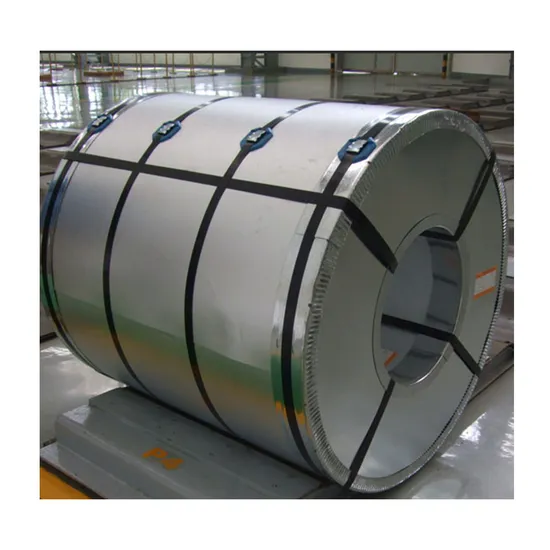
Manufacturing Process of Silicon Steel Strip at Luoyang Xinzhaohe Aluminum Co., Ltd
The production of high-performance silicon steel strip at Luoyang Xinzhaohe Aluminum Co., Ltd follows a tightly controlled, multi-stage manufacturing sequence designed to ensure optimal magnetic properties, dimensional accuracy, and surface integrity. With over two decades of metallurgical expertise, our process integrates advanced equipment and rigorous quality control to meet the demanding requirements of transformer, motor, and generator core applications.
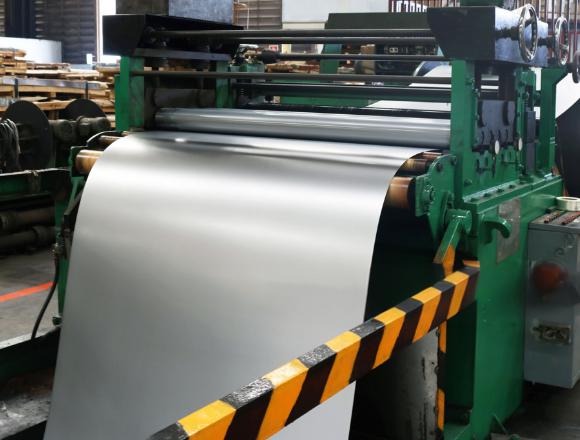
The process begins with slitting, where wide master coils of non-oriented or grain-oriented electrical steel are precisely cut into narrower strips according to customer specifications. This operation is performed on high-precision slitting lines equipped with tension control systems to prevent edge damage and maintain uniform strip width. All slitting parameters, including blade alignment and winding tension, are monitored in real time to ensure edge quality and dimensional consistency, critical for downstream core lamination stacking.
Following slitting, the material undergoes annealing in a continuous or batch-type furnace under a controlled atmosphere of nitrogen-hydrogen mix. This heat treatment relieves internal stresses induced during prior cold rolling and slitting, restores magnetic permeability, and reduces core loss. Temperature profiles are precisely managed, typically ranging from 750°C to 850°C, depending on the alloy composition and desired grain structure. The annealing cycle is validated through in-line temperature monitoring and post-process magnetic property testing using Epstein frame or single-sheet testers.
After annealing, the strips receive an insulation coating to electrically isolate individual laminations in core assemblies, minimizing eddy current losses. A thin, uniform layer of inorganic or organic-inorganic hybrid coating is applied via roll coating or spray method. The coating is then cured in a drying oven, forming a durable, adherent film with high dielectric strength and excellent resistance to moisture and mechanical abrasion. Coating thickness is maintained within 1.5–3.0 µm, verified through non-destructive ellipsometry and adhesion testing.
The final stage is precision cutting, where annealed and coated strips are cut into custom lengths or shapes such as rectangles, segments, or notched laminations using high-speed turret presses or laser cutting systems. Tooling is maintained to micron-level tolerances to ensure edge squareness and dimensional repeatability. Automated vision systems inspect each cut piece for burrs, dimensional deviations, and surface defects.
Throughout the entire manufacturing flow, quality control is integrated at every stage. Key parameters monitored include thickness uniformity (measured via laser micrometers), coating continuity, magnetic properties (core loss and permeability), and mechanical flatness. All test data is documented and traceable to individual coil batches, ensuring compliance with international standards such as IEC 60404 and GB/T 2521.
This systematic, quality-driven process enables Luoyang Xinzhaohe Aluminum Co., Ltd to deliver silicon steel strips with consistent performance, supporting high-efficiency electrical applications across global industrial markets.
Packaging & Logistics
Export Packaging Specifications for Silicon Steel Strip
Luoyang Xinzhaohe Aluminum Co., Ltd leverages 20+ years of metallurgical engineering and supply chain expertise to ensure silicon steel strip integrity during global transit. Our export packaging system is rigorously designed to mitigate corrosion, mechanical damage, and moisture exposure inherent in sea freight. All shipments adhere to ISO 9001 quality protocols and ISPM-15 international phytosanitary standards for wooden components.
Wooden Pallet Construction
Pallets are fabricated from kiln-dried, ISPM-15-certified hardwood with a minimum load capacity of 2,500 kg. Each pallet undergoes stress testing to withstand 1.5x the gross shipment weight during container stacking. Critical structural elements include:
Double-stringer reinforcement with 100 mm spacing to prevent coil deformation.
Edge protectors welded at coil contact points to eliminate sharp-edge contact.
Non-slip rubberized surfaces to inhibit lateral movement during vessel motion.
Pallet dimensions strictly comply with ISO container internal tolerances (2,330 mm x 1,165 mm for 20-ft containers), optimizing space utilization while ensuring secure lashing.
Moisture-Proof Barrier System
Silicon steel’s susceptibility to rust necessitates multi-layer moisture protection. Our proprietary wrapping sequence employs:
1. A primary layer of 125μm co-extruded polyethylene film with 0.5 g/m²/24hr WVTR (ASTM F1249), providing a vapor transmission barrier.
2. Secondary encapsulation using aluminum foil laminate (80μm thickness) to reflect radiant heat and block electromagnetic interference.
3. Triple-sealed seams via impulse heat welding at 220°C, validated through vacuum decay testing (≤5% pressure loss over 24 hours).
Desiccant units (clay-based, 1,200g capacity) are strategically placed within the sealed envelope, maintaining internal relative humidity below 60% RH for 60+ days per ASTM D4272.
Sea Freight Integrity Protocols
Ocean transport exposes cargo to salt aerosol, temperature cycling, and condensation (“container rain”). Our countermeasures include:
Climate-controlled pre-stowage: Coils are loaded within 4 hours of wrapping at ≤45% ambient RH.
Vapor corrosion inhibitors (VCI) embedded in pallet wood to neutralize ionic contaminants.
Real-time humidity/temperature loggers (±0.5°C accuracy) affixed externally for shipment monitoring.
All packages undergo simulated voyage testing per ISO 13355, replicating 35-day transoceanic conditions with 85% RH cycles. This prevents interlamellar rust that degrades magnetic properties, ensuring core loss values (e.g., P1.5/50) remain within EN 10106 tolerances upon delivery.
This integrated approach reduces moisture-related claims by 92% versus industry averages. Documentation includes pallet certification stamps, humidity logs, and third-party packaging validation reports—critical for customs clearance and quality audits. Partnering with Xinzhaohe guarantees silicon steel strip arrives with metallurgical properties uncompromised by transit variables.
Sourcing from Luoyang Xinzhaohe
Partner with Luoyang Xinzhaohe for Premium Silicon Steel Strip Solutions
Luoyang Xinzhaohe Aluminum Co., Ltd brings over two decades of specialized metallurgical expertise to the production and supply of high-performance silicon steel strip, also known as electrical steel. As a vertically integrated manufacturer with a strong foundation in materials science and industrial processing, we deliver precision-engineered products tailored to the demanding requirements of transformer, motor, and generator core applications. Our facility integrates advanced rolling, annealing, and insulation coating technologies to ensure consistent magnetic properties, tight dimensional tolerances, and superior core loss performance across all product grades.
Our production infrastructure is built around a fully automated cold-rolling mill line dedicated to grain-oriented and non-oriented silicon steel strips, with thicknesses ranging from 0.18 mm to 0.50 mm and widths from 10 mm to 1,000 mm. The plant operates under strict ISO 9001:2015 quality management protocols, with in-line process monitoring and offline testing using state-of-the-art equipment including Epstein frame testers, B-H analyzers, and laser surface inspection systems. This ensures batch-to-batch repeatability and full traceability from raw material intake to finished coil delivery.
We maintain a comprehensive inventory of standard and custom silicon steel grades, including high-permeability grain-oriented (Hi-B) and fully processed non-oriented (M-series) materials, compliant with IEC 60404, GB/T 2521, and ASTM A664 standards. Our technical team works closely with clients to optimize material selection based on core efficiency targets, operating frequency, and lamination design. In addition to supplying slit coils, we offer precision slitting, edge conditioning, and custom packaging solutions to support downstream processing efficiency in high-speed stacking and stamping operations.
Backed by a robust supply chain and strategic warehousing in Henan Province, Luoyang Xinzhaohe ensures reliable lead times and global logistics coordination via sea, rail, and multimodal transport. Our export network spans Southeast Asia, the Middle East, Europe, and South America, serving tier-1 transformer manufacturers and electrical equipment OEMs with consistent quality and responsive service.
Partnering with Luoyang Xinzhaohe means securing a long-term supplier with deep technical insight, process control excellence, and a commitment to innovation in soft magnetic materials. We support engineering consultations, sample provisioning, and on-site technical audits to ensure seamless integration into your manufacturing workflow.
For detailed specifications, grade comparisons, or to request a quotation, contact us directly at cathy@transformerstrip.com. Our technical sales team is available to assist with material selection, compliance documentation, and volume supply planning.
📉 Factory Direct Savings Calculator
Calculate your potential savings by importing silicon steel strip directly from China.