


Table of Contents
Market Insight: Grain-Oriented Steel
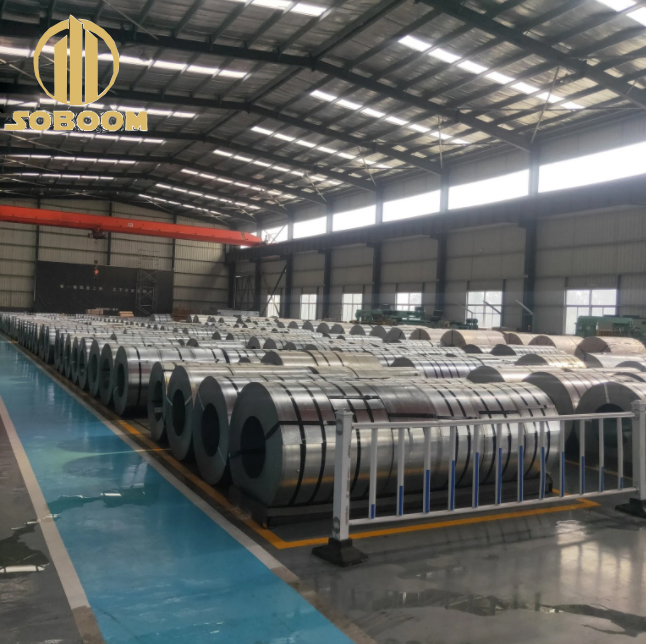
Market Analysis: Silicon Steel (Electrical Steel)
Grain-oriented silicon steel (GOES) remains a critical material in the global power infrastructure, primarily due to its dominant application in high-efficiency power and distribution transformers. As a specialized ferromagnetic alloy typically containing 2.9% to 3.3% silicon, GOES is engineered to exhibit superior magnetic properties along a preferred crystallographic orientation—specifically the <100> direction—which enables minimal core loss and high permeability under alternating magnetic fields. This anisotropic behavior is achieved through a precise manufacturing sequence involving hot rolling, cold rolling, decarburization annealing, and the application of a tension-insulating coating, culminating in the formation of a sharp Goss texture (110)[001].
Industrial demand for grain-oriented steel is intrinsically linked to the expansion and modernization of electrical grids, renewable energy integration, and regulatory mandates for energy efficiency. Utilities and transformer manufacturers increasingly specify high-permeability (Hi-B) and laser-scribed grades of GOES to meet Tier 1 and Tier 2 efficiency standards set by bodies such as the International Electrotechnical Commission (IEC 60404-2) and the U.S. Department of Energy (DOE). These standards directly influence material selection, as even marginal reductions in core loss (measured in W/kg at 1.7 T and 50/60 Hz) translate into significant lifecycle energy savings and lower total cost of ownership.
The operational integrity of power systems further amplifies the importance of material quality. Inadequate grain alignment, inconsistent coating resistivity, or thickness variation can lead to localized hotspots, increased no-load losses, and premature transformer aging. Non-uniform magnetic domains contribute to higher hysteresis and eddy current losses, which not only degrade efficiency but also elevate CO₂ emissions over the transformer’s 30–40-year service life. For critical installations such as substations and traction networks, reliability is non-negotiable, making the consistency of magnetic performance a paramount procurement criterion.
Luoyang Xinzhaohe Aluminum Co., Ltd leverages over two decades of metallurgical expertise and supply chain optimization to deliver GOES that meets stringent international specifications. Our technical collaborations with tier-1 steel producers ensure strict control over grain texture development, coating adhesion, and dimensional tolerances. Each coil undergoes comprehensive quality verification, including Epstein frame testing for core loss and B50/B80 measurements for magnetic induction, ensuring compliance with IEC, ASTM, and GB/T standards.
As global electrification accelerates and energy efficiency regulations tighten, the demand for premium grain-oriented steel will continue to grow. Procurement strategies must prioritize not only cost but also long-term performance, thermal stability, and supply chain resilience. In this context, material quality directly correlates with grid reliability, sustainability targets, and operational economics—making technical due diligence a cornerstone of responsible sourcing in the electrical steel market.
Technical Specs: Grain-Oriented Steel
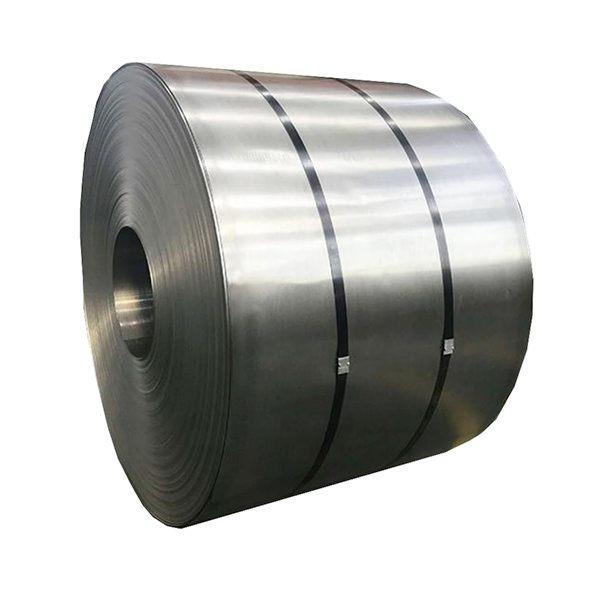
Technical Specifications: Grain-Oriented Silicon Steel (GOES)
Luoyang Xinzhaohe Aluminum Co., Ltd clarifies a critical material distinction upfront: our expertise and supply chain focus for electrical steel products specifically cover Grain-Oriented Silicon Steel (GOES), a specialized ferrous alloy distinct from aluminum. GOES is the foundational material for high-efficiency power and distribution transformer cores, where precise magnetic properties directly dictate system performance and energy losses. This section details the non-negotiable technical parameters governing GOES quality, essential for informed B2B sourcing decisions. Core Loss, also termed Iron Loss (W/kg), represents the paramount specification. It quantifies the energy dissipated as heat within the core under alternating magnetic fields, directly impacting transformer efficiency and operational costs. Loss values are rigorously measured per IEC 60404-2 or ASTM A876 standards at defined peak inductions (typically 1.7 T) and frequencies (50 Hz or 60 Hz). Lower Core Loss values signify superior material quality and are stratified into performance grades (e.g., M090-27, M080-23, M070-20), where the numeric suffix indicates maximum core loss in W/kg at 1.7 T and 50 Hz. Achieving consistent low loss demands exceptional control over silicon content (2.9-3.3%), grain orientation perfection, and insulating coating integrity throughout the production process.
Magnetic Flux Density (B, measured in Tesla) is the second critical parameter, defining the maximum magnetic induction achievable at a specified magnetic field strength. The industry standard references B8 (induction at 800 A/m) and B50 (induction at 5000 A/m). Higher B8 values, typically ranging from 1.88 T to 1.94 T for high-grade GOES, enable more compact transformer designs by allowing greater power handling per unit core volume. B50, often exceeding 1.85 T, indicates performance under higher excitation conditions relevant to transient operations. Precise control of the Goss texture {110}<001> during secondary recrystallization annealing is fundamental to achieving these high, uniform flux density levels across the coil width. Inadequate B8 necessitates larger, cost-inefficient cores.
Flatness, quantified as I-Units (1 I-Unit = 10⁻⁵ strain), is a vital dimensional specification impacting core stacking factor and manufacturing yield. Poor flatness causes interlaminar friction, localized flux distortion, and increased audible noise during operation. It also leads to significant waste during the core stamping and stacking process. Commercial GOES must maintain tight flatness tolerances, typically ≤ 20 I-Units for standard grades and ≤ 15 I-Units for laser-scribed or high-permeability grades, measured per ASTM A34/A34M. Consistent flatness requires precise tension control during cold rolling and annealing.
The following table summarizes key GOES technical parameters, standard test conditions, typical commercial ranges, and their critical implications:
| Parameter | Standard Test Condition | Typical Commercial Range | Critical Implication |
|---|---|---|---|
| Core Loss (P1.7/50) | 1.7 T, 50 Hz, 0.5 mm sheet | 0.70 – 1.20 W/kg | Directly determines transformer no-load losses and efficiency; lower values = higher efficiency class |
| Magnetic Flux Density (B8) | 800 A/m, 50 Hz | 1.88 – 1.94 T | Governs core cross-sectional area; higher values enable smaller, lighter transformers |
| Magnetic Flux Density (B50) | 5000 A/m, 50 Hz | ≥ 1.85 T | Indicates performance under higher excitation; critical for transient stability |
| Flatness (I-Units) | Full coil width, relaxed state | ≤ 15 – 20 I-Units | Affects core stacking factor, manufacturing yield, noise levels, and localized losses |
Sourcing GOES requires explicit validation of these parameters against your specific transformer design targets and manufacturing capabilities. Luoyang Xinzhaohe leverages two decades of metallurgical process control and supply chain management to consistently deliver GOES meeting or exceeding these stringent specifications, ensuring optimal downstream performance and cost efficiency for our transformer manufacturing partners. Verify all quoted values against certified test reports under the relevant international standards.
Factory Tour: Manufacturing
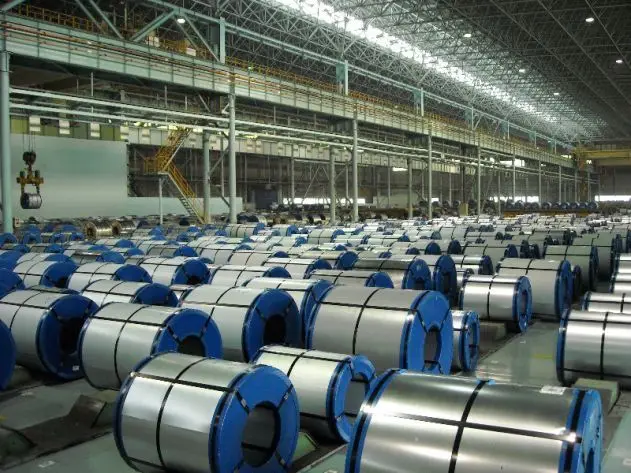
Manufacturing Process of Grain-Oriented Electrical Steel at Luoyang Xinzhaohe Aluminum Co., Ltd
The production of grain-oriented silicon steel (GOES) at Luoyang Xinzhaohe Aluminum Co., Ltd follows a tightly controlled sequence of metallurgical and mechanical processes designed to optimize magnetic performance, dimensional accuracy, and surface integrity. With over two decades of expertise in electrical steel processing, our facility ensures compliance with international standards such as IEC 60404-8 and GB/T 2521, delivering material suitable for high-efficiency transformers and power distribution systems.
The process begins with slitting, where master coils of cold-rolled grain-oriented silicon steel are longitudinally cut into narrower strips according to customer specifications. This operation is performed on precision slitting lines equipped with high-tolerance rotary knives and tension control systems to prevent edge burring, coil telescoping, or dimensional deviation. Slit widths are maintained within ±0.1 mm, ensuring compatibility with downstream core stacking and winding operations.
Following slitting, the material undergoes continuous annealing in a controlled atmosphere furnace. This step is critical for stress relief and magnetic domain refinement. The annealing cycle is conducted under a nitrogen-hydrogen atmosphere to prevent oxidation and decarburization, with peak temperatures typically ranging between 800°C and 850°C. Precise thermal profiling ensures the restoration of favorable crystallographic texture (Goss orientation: {110}<001>), which enhances permeability and reduces core loss. In-situ pyrometry and dew point monitoring are employed to maintain process consistency.
After annealing, the steel is subjected to insulation coating application, a key stage in enhancing interlaminar resistance and minimizing eddy current losses. A thin, uniform layer of inorganic or semi-organic insulating coating is applied via roll-coating or spray techniques. The coating composition is formulated to provide excellent dielectric strength (typically >30 Ω·cm), adhesion, and resistance to punching and stacking stresses. Post-coating, the material passes through a curing furnace to polymerize the coating and ensure chemical stability.
Final precision cutting operations are executed using high-speed, servo-driven cut-to-length lines. These systems utilize hardened shear blades and laser-guided positioning to achieve tight length tolerances of ±0.5 mm and parallelism within 0.3 mm/m. Cut sheets are stacked with controlled pressure to avoid edge damage and are prepared for bundling in accordance with handling and transportation standards.
Throughout the production sequence, quality control is maintained through inline and offline inspection. Key parameters monitored include coating weight (measured gravimetrically, target range: 0.5–1.2 g/m² per side), core loss (W17/50 tested per Epstein frame), magnetic induction (B800 ≥ 1.88 T), surface roughness (Ra 2.5–4.0 µm), and dimensional conformity. All batches are traceable via batch numbers, with full material test reports (MTRs) provided upon shipment.
This integrated approach ensures that every coil of grain-oriented electrical steel produced at Luoyang Xinzhaohe meets the rigorous demands of modern power infrastructure applications.
Packaging & Logistics
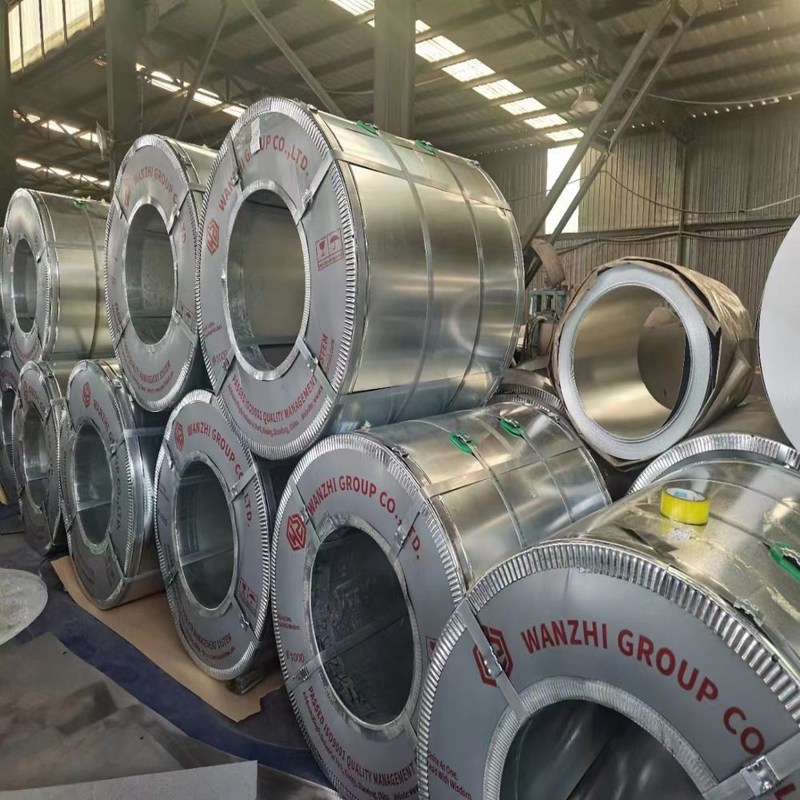
Export Packaging Specifications for Grain-Oriented Electrical Steel
Luoyang Xinzhaohe Aluminum Co., Ltd implements rigorously engineered export packaging protocols for grain-oriented silicon steel (GOES) to mitigate degradation risks during global maritime transit. Our 20+ years of metallurgical and supply chain expertise confirm that inadequate packaging directly compromises magnetic properties through moisture ingress or mechanical damage, leading to irreversible core loss escalation in end-use transformer applications. All shipments utilize ISPM-15 certified wooden pallets constructed from kiln-dried hardwood. Pallet dimensions adhere to ISO standard 1200 × 1000 mm with a minimum dynamic load capacity of 2000 kg, ensuring structural integrity under stacked container conditions. Each pallet undergoes chemical treatment to prevent biological pest transfer and features chamfered edges to eliminate steel edge damage during handling.
Moisture protection constitutes the critical failure point in GOES logistics due to the material’s hygroscopic properties and susceptibility to electrochemical corrosion. We deploy a triple-layer barrier system: primary wrapping with 125–150 μm thick metallized LDPE vapor barrier film directly contacting the coil, followed by strategically placed silica gel desiccant packs (calculated at 500 g per metric ton of steel), and a final outer wrap of UV-stabilized polyethylene. This system maintains internal relative humidity below 40% for 60+ days, validated through accelerated climate chamber testing per ASTM E1749. The film’s water vapor transmission rate (WVTR) is certified ≤0.5 g/m²/24hr at 38°C and 90% RH, exceeding IEC 60404-9 moisture resistance requirements for electrical steel.
Moisture Barrier System Composition
| Layer | Material Specification | Primary Function |
|——-|————————|——————|
| Primary | 125–150 μm metallized LDPE | Blocks vapor diffusion at coil surface |
| Secondary | Silica gel desiccant (industrial grade) | Absorbs residual humidity during transit |
| Tertiary | 200 μm UV-stabilized polyethylene | Shields against physical abrasion and solar degradation |
Sea freight exposes GOES to salt-laden atmospheres, temperature cycling, and container rain phenomena where condensation forms on container ceilings. Our packaging design specifically counters these marine hazards through hermetic sealing verified by vacuum decay testing (≤5% pressure loss over 24 hours) and strategic ventilation channels within the pallet base to prevent moisture trapping. All coils are secured via steel strapping tensioned to 15 kN per strap, preventing coil shift during vessel motion that could rupture moisture barriers. Documentation includes humidity indicator cards and shock loggers to provide objective evidence of environmental conditions throughout shipment.
This packaging methodology has been field-proven across 500+ ocean shipments to EU, North American, and Southeast Asian markets, with zero moisture-related claims in the past five years. We prioritize technical compliance over cost reduction, recognizing that packaging integrity directly determines the delivered magnetic performance of GOES. Clients receive full traceability documentation including pallet treatment certificates, film WVTR test reports, and desiccant loading calculations to validate protection adequacy for their specific logistics routes.
Sourcing from Luoyang Xinzhaohe
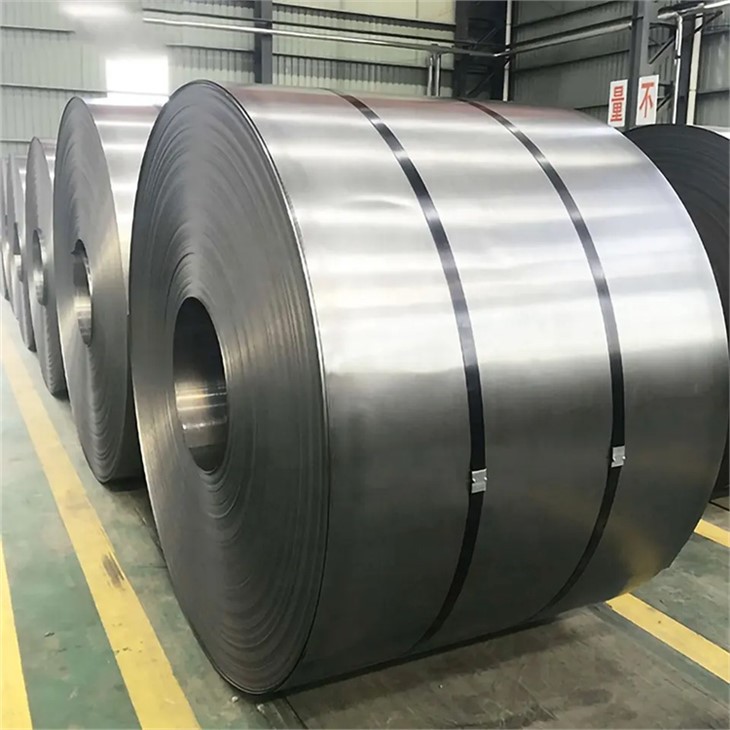
Partner with Luoyang Xinzhaohe Aluminum Co., Ltd for High-Performance Grain-Oriented Silicon Steel
Luoyang Xinzhaohe Aluminum Co., Ltd brings over two decades of specialized expertise in the production and supply of high-quality silicon steel, with a focused capability in grain-oriented electrical steel (GOES) for advanced transformer and power distribution applications. As a vertically integrated manufacturer with rigorous process control and deep metallurgical insight, we deliver material solutions that meet the demanding efficiency, magnetic performance, and reliability requirements of modern electrical infrastructure.
Our production facility is equipped with state-of-the-art rolling, annealing, and coating lines specifically engineered for grain-oriented silicon steel. We utilize a controlled secondary recrystallization process to achieve a highly aligned Goss texture (110)[001], which is critical for minimizing core loss and maximizing magnetic induction in transformer cores. This precision in crystallographic orientation ensures that our GOES products exhibit superior permeability and reduced hysteresis losses, directly contributing to higher energy efficiency in distribution and power transformers.
We maintain strict control over raw material sourcing, employing high-purity iron and precisely dosed silicon content (typically 2.9% to 3.3%) to optimize electrical resistivity and reduce eddy current losses. Each batch undergoes comprehensive quality verification, including magnetic property testing (e.g., core loss at 1.7 T and 50 Hz, permeability), coating weight analysis, and surface inspection. Our quality management system is aligned with ISO 9001 standards, ensuring consistency and traceability across all production runs.
Our product range includes conventional grain-oriented silicon steel (CGO) and high-permeability grain-oriented silicon steel (HGO), available in standard thicknesses of 0.23 mm, 0.27 mm, and 0.30 mm, with customizable widths and coil weights to meet specific customer processing needs. We also offer laser-scribed or domain-refined variants upon request to further reduce no-load losses in high-efficiency transformer designs.
With an annual production capacity exceeding 150,000 metric tons, Luoyang Xinzhaohe serves transformer manufacturers, electrical equipment OEMs, and energy infrastructure developers across Asia, Europe, and emerging markets. Our logistics network supports just-in-time delivery with reliable lead times, and our technical team provides on-demand support for material selection, processing recommendations, and failure analysis.
We invite global partners seeking a stable, technically proficient supplier of grain-oriented silicon steel to engage with our team. By combining metallurgical excellence with responsive supply chain execution, we are positioned to support your performance and sustainability goals in electrical steel procurement.
Contact us today at cathy@transformerstrip.com to discuss your technical specifications and sourcing requirements.
📉 Factory Direct Savings Calculator
Calculate your potential savings by importing grain-oriented steel directly from China.