

Table of Contents
Market Insight: Electric Motor Winding Wire
Market Analysis: Winding Wire for Transformer Applications
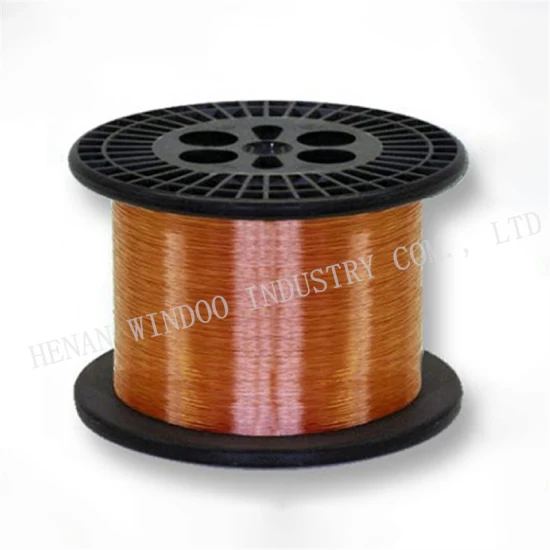
Global demand for electric motor winding wire, particularly within the transformer segment, exhibits robust growth driven by critical infrastructure imperatives. The accelerating modernization of electrical grids, deployment of renewable energy integration systems (solar/wind substations), and rising industrial automation necessitate vast quantities of distribution and power transformers. This sector represents a substantial and stable market for high-purity aluminum and copper electromagnetic wire. While copper remains prevalent in certain high-efficiency applications, aluminum winding wire has gained significant traction in distribution transformers due to its favorable weight-to-conductivity ratio and cost-effectiveness, especially in medium and high-voltage applications where space constraints are less critical than in compact motors. China, as a global manufacturing hub and leader in grid expansion, constitutes a major production and consumption center for transformer winding wire, directly impacting supply chain dynamics for international buyers.
The operational integrity and longevity of transformers are fundamentally dependent on the metallurgical and dimensional precision of the winding wire. Quality deviations introduce critical failure risks that cascade through the power system. Substandard electrical conductivity directly increases I²R losses, reducing transformer efficiency and generating excess heat. This thermal stress accelerates insulation degradation, the primary failure mode in transformers, potentially leading to catastrophic outages with significant financial and safety repercussions. Mechanical properties are equally non-negotiable; inconsistent tensile strength or elongation compromises the wire’s ability to withstand the rigorous winding processes and the electromagnetic forces encountered during short-circuit events. Poor surface finish or excessive oxide layers impede optimal solderability and adhesion to insulating varnishes, creating weak points prone to partial discharge and eventual insulation breakdown. These failures translate to unplanned downtime, costly field replacements, and reputational damage for transformer manufacturers.
Adherence to stringent international standards is therefore not optional but a core engineering requirement. Key parameters must be rigorously controlled within narrow tolerances:
| Critical Parameter | Key Standard References | Impact of Non-Conformance |
|---|---|---|
| Electrical Conductivity | ASTM B230, IEC 60889 | Increased losses, thermal runaway risk |
| Tensile Strength | ASTM B231, IEC 60888 | Winding damage, short-circuit failure |
| Elongation | ASTM B231, IEC 60888 | Brittle fracture during processing/use |
| Diameter Tolerance | ASTM B232, IEC 60228 | Impaired fill factor, thermal hotspots |
| Surface Cleanliness | Internal OEM Specs | Poor insulation adhesion, partial discharge |
Metallurgical purity (minimizing Fe, Si impurities) and annealing homogeneity are paramount for achieving consistent conductivity and mechanical behavior throughout the coil. Variability in these properties, often stemming from inconsistent raw material sourcing or inadequate process control, introduces unacceptable risk into the transformer’s operational lifecycle. For B2B sourcing professionals, prioritizing suppliers with verifiable metallurgical expertise, robust in-process quality control (including continuous conductivity monitoring), and full traceability from billet to finished wire is essential. The initial cost differential of premium wire is negligible compared to the lifecycle costs of transformer failure. Partnering with a specialized, experienced manufacturer like Luoyang Xinzhaohe Aluminum ensures the material foundation necessary for reliable, efficient, and long-lasting power transmission infrastructure. Quality in winding wire is an engineering prerequisite, not a procurement option.
Technical Specs: Electric Motor Winding Wire
Technical Specifications for Electric Motor Winding Wire
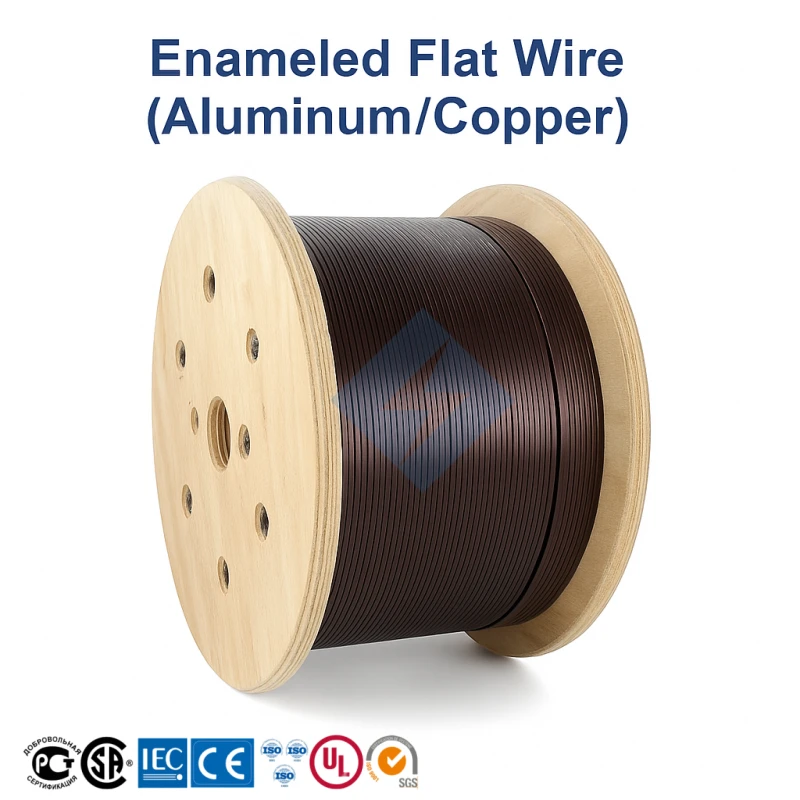
Electric motor winding wire is a critical component in the efficient and reliable operation of motors across industrial, automotive, and consumer applications. At Luoyang Xinzhaohe Aluminum Co., Ltd., with over two decades of metallurgical and manufacturing expertise, we engineer high-performance aluminum winding wires that meet stringent international standards. The technical specifications of winding wire directly influence motor efficiency, thermal resilience, and operational lifespan. Key parameters include insulation breakdown voltage, elongation, and thermal class, all of which must be precisely controlled to ensure compatibility with diverse motor designs and operating environments.
Insulation breakdown voltage is a fundamental indicator of the dielectric strength of the wire’s insulation coating. It determines the maximum voltage the insulation can withstand before electrical failure occurs. For electric motor applications, particularly in high-voltage or high-efficiency systems, a robust insulation layer is essential to prevent short circuits and ensure long-term reliability. Our winding wires are designed to exceed standard breakdown voltage thresholds, providing enhanced protection against electrical stress and voltage spikes during motor startup and operation.
Elongation, measured as a percentage, reflects the ductility of the conductor material. High elongation values indicate superior flexibility and resistance to cracking during winding processes, especially in tight coil formations. Aluminum conductors with optimized elongation characteristics reduce the risk of mechanical failure during coil insertion and motor assembly. Our aluminum alloy formulation and controlled drawing processes ensure consistent elongation performance, enabling reliable processing on high-speed winding equipment.
Thermal class defines the maximum continuous operating temperature that the insulation system can endure without significant degradation. For electric motors, thermal classes ranging from 130°C to 220°C are commonly required, depending on application intensity and cooling methods. Higher thermal classes allow motors to operate at elevated temperatures without compromising insulation integrity, thereby supporting compact designs and improved power density. Our winding wires are available in multiple thermal classes, utilizing advanced enamel insulation systems such as polyesterimide, polyamide-imide, and silicone-based coatings to meet diverse thermal demands.
The following table outlines the key technical parameters of our electric motor winding wire offerings:
| Parameter | Typical Value Range | Test Standard | Description |
|---|---|---|---|
| Conductor Material | Aluminum (EC Grade) | GB/T 3954 | High-purity aluminum with controlled alloying elements for optimal conductivity and mechanical properties |
| Insulation Breakdown Voltage | 3,000 – 8,000 V (rms) | IEC 60317-0-1 | Minimum voltage causing insulation failure; tested at room temperature |
| Elongation | 15% – 30% | ASTM B557 | Ductility of aluminum conductor; ensures formability during winding |
| Thermal Class | 130°C, 155°C, 180°C, 200°C, 220°C | NEMA MW 1000, IEC 60085 | Maximum continuous operating temperature of insulation system |
| Conductor Resistivity | ≤ 0.028264 Ω·mm²/m @ 20°C | IEC 60228 | Ensures high electrical conductivity and low power loss |
| Insulation Thickness | 0.05 – 0.20 mm (varies by wire diameter) | GB/T 23312 | Uniform enamel coating applied via multi-layer technology |
These specifications are validated through rigorous in-house testing and third-party certification to ensure compliance with global motor manufacturing requirements. Luoyang Xinzhaohe Aluminum Co., Ltd. maintains strict process controls from raw material selection to final inspection, guaranteeing product consistency and performance.
Factory Tour: Manufacturing
Manufacturing Process for Electric Motor Winding Wire at Luoyang Xinzhaohe Aluminum
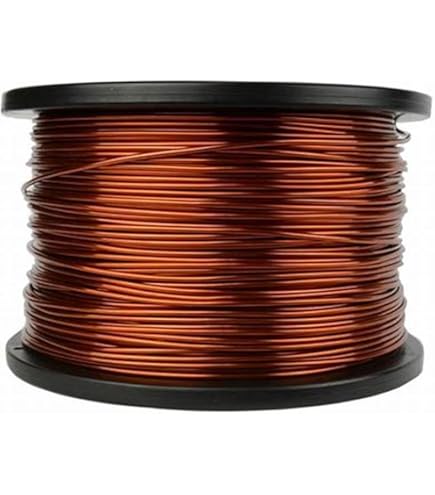
The production of high-performance electric motor winding wire at Luoyang Xinzhaohe Aluminum CO., Ltd. follows a rigorously controlled sequence designed to ensure optimal electrical conductivity, mechanical formability, thermal endurance, and insulation integrity. With over two decades of specialized experience, our process integrates metallurgical precision with advanced polymer coating technology, adhering strictly to international standards including IEC 60317 and GB/T 23312.
The process commences with Rod Drawing. High-purity aluminum rod (typically 99.70% min Al, meeting GB/T 3190) undergoes multi-stage cold drawing through precision tungsten carbide dies. This reduces the rod diameter progressively to the target wire gauge, achieving the required dimensional tolerances (±0.003 mm for fine gauges). Critical surface quality is maintained through ultrasonic cleaning and continuous filtration of the drawing lubricant, preventing micro-scratches or inclusions that could compromise subsequent enamel adhesion or cause dielectric failure. Tensile strength and elongation are monitored in-line at intermediate stages.
Subsequent Annealing is essential to restore ductility lost during drawing. The wire passes through a continuous inert atmosphere annealing furnace (typically nitrogen or argon purge) at precisely controlled temperatures (300-450°C, depending on alloy and gauge). Atmosphere control prevents surface oxidation, ensuring a clean, oxide-free substrate vital for enamel bonding. Temperature uniformity and residence time are tightly regulated to achieve the target temper (e.g., H18, O) with consistent mechanical properties across the entire production run. Post-annealing, the wire is cooled under controlled conditions to avoid thermal shock.
The Enameling stage applies the critical insulating layer. Clean, annealed wire enters a multi-zone enameling system. Liquid polymer resin (typically modified polyesters, polyamides, or polyurethanes for thermal class 155°C, 180°C, or 200°C) is applied via precision dies. The wire then traverses a series of curing ovens where solvent evaporation and polymer cross-linking occur under optimized temperature profiles. Multiple coats may be applied to achieve the specified build and voltage endurance. Film thickness uniformity (±2.5 µm) and absence of pinholes or blisters are paramount, controlled by resin viscosity, line speed, and oven dynamics.
Inline Testing and Quality Control are embedded throughout. Key checks include:
Dimensional Verification: Laser micrometers continuously measure conductor diameter and total wire diameter after each enamel pass.
Electrical Testing: Every coil undergoes 100% spark testing at high voltage (e.g., 3kV AC) to detect pinholes. Breakdown voltage and insulation resistance are sampled per ASTM D250.
Mechanical Properties: Periodic tensile strength and elongation tests per GB/T 4909.3 validate annealing effectiveness.
Thermal Assessment: Mandrel wrap tests per IEC 60851-5 confirm flexibility and adhesion after thermal aging.
Final quality validation includes rigorous assessment of thermal index (IEC 60172), thermal shock resistance, and solderability. Comprehensive traceability links each production batch to raw material certificates, process parameters, and test results. This integrated approach, refined over 20 years, guarantees winding wire capable of withstanding the demanding thermal, electrical, and mechanical stresses inherent in modern electric motor applications, minimizing end-user failure risk and maximizing motor efficiency and lifespan.
Critical Inline Test Parameters Summary
| Test Parameter | Standard Method | Typical Frequency | Acceptance Criterion |
|---|---|---|---|
| Conductor Diameter | GB/T 4909.2 | Continuous | ±0.003 mm (Fine Gauges) |
| Total Wire Diameter | IEC 60122 | Continuous | Per Spec Sheet Tolerance |
| Spark Test Voltage | IEC 60851-5 | 100% of Coil | Zero Defects |
| Breakdown Voltage | IEC 60851-2 | Per Lot | Min. 3x Operating Voltage |
| Insulation Resistance | IEC 60851-3 | Per Lot | >100 MΩ for 0.1mm Build |
Packaging & Logistics
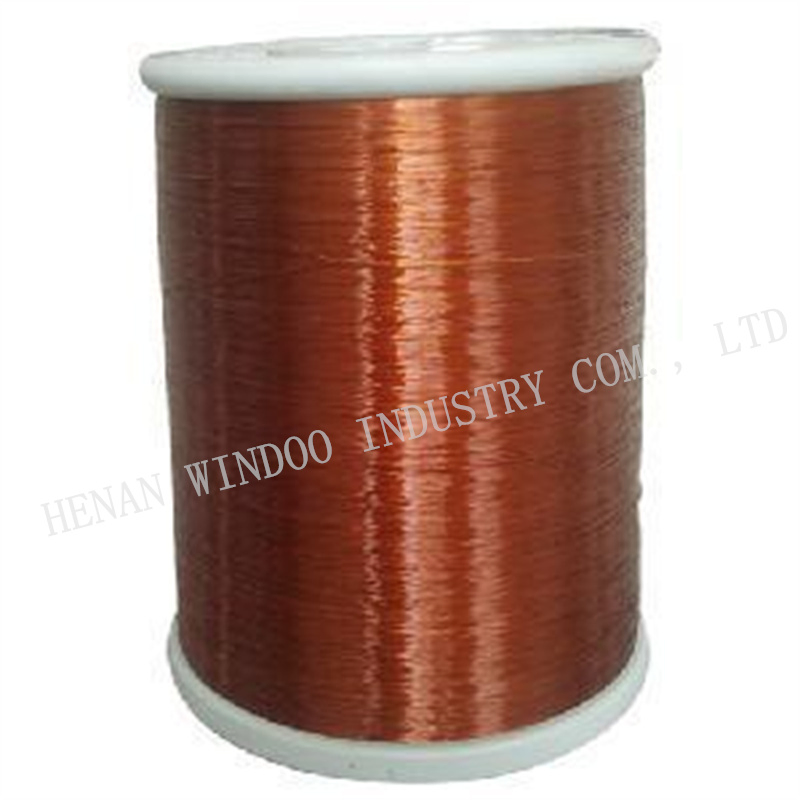
Export Packaging for Aluminum Motor Winding Wire – Ensuring Integrity in Global Shipments
At Luoyang Xinzhaohe Aluminum Co., Ltd, with over two decades of specialized manufacturing experience in aluminum winding wire for electric motor applications, we recognize that packaging is not merely a logistical necessity but a critical component of product integrity. For international deliveries, where extended transit times, variable climatic conditions, and multi-modal handling are inherent, our export packaging is engineered to preserve the metallurgical and electrical performance of the wire from factory to end-user.
All winding wire reels destined for export are securely mounted on robust wooden pallets constructed from high-density, kiln-dried hardwood. These pallets are designed to meet international phytosanitary standards (ISPM 15), ensuring compliance with customs regulations across major markets including the EU, North America, and Southeast Asia. The structural rigidity of the pallet supports heavy coil weights and prevents deformation during lifting, stacking, and containerized transport. Each reel is mechanically fastened to the pallet base using corrosion-resistant steel straps or bolts, minimizing the risk of lateral displacement or vibration-induced damage during ocean freight.
To combat the primary threat to aluminum conductor performance—moisture exposure—we employ a multi-layer moisture-proof packaging system. The entire palletized unit is first wrapped in industrial-grade, heat-sealed polyethylene vapor barrier film with a minimum thickness of 125 microns. This film provides an impermeable shield against humidity, salt-laden air, and condensation, which are prevalent in maritime environments. An additional desiccant layer is integrated beneath the primary wrapping, typically consisting of silica gel packs strategically placed around the reel flanges to absorb residual moisture and maintain a controlled microclimate within the package.
For enhanced protection, particularly in tropical or high-humidity destination zones, we offer optional vacuum-sealed encapsulation or the inclusion of humidity indicator cards to allow visual verification of internal conditions upon receipt. All packaging operations are conducted in climate-controlled environments to prevent pre-sealing contamination.
Labeling is standardized for global traceability. Each package bears a durable, weather-resistant tag indicating product specification (alloy type, temper, diameter, resistance value), batch number, net weight, and handling instructions in both Chinese and English. Critical orientation markers such as “THIS SIDE UP” and “DO NOT STACK” are prominently displayed to guide proper cargo handling.
Our packaging methodology has been validated through years of successful shipments to over 30 countries, with a documented defect rate of less than 0.1% attributable to transit-related damage. By integrating structural stability, environmental shielding, and regulatory compliance, Luoyang Xinzhaohe ensures that every coil of aluminum winding wire arrives in the same condition as it left our quality-controlled facility. This commitment underscores our role not only as a manufacturer but as a reliable partner in the global electric motor supply chain.
Sourcing from Luoyang Xinzhaohe
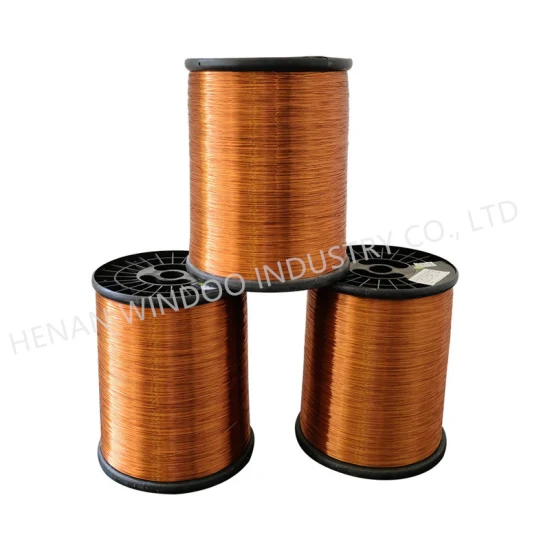
Partner with Luoyang Xinzhaohe: Your Precision Aluminum Winding Wire Source
Luoyang Xinzhaohe Aluminum Co., Ltd leverages over two decades of specialized metallurgical expertise and integrated supply chain management to deliver premium aluminum winding wire for demanding electric motor applications. Our factory is engineered from the ground up for the stringent requirements of this critical component, where material purity, dimensional precision, and consistent mechanical properties directly impact motor efficiency, thermal performance, and longevity. We understand that sourcing failure in winding wire cascades into production delays and compromised end-product reliability; our vertically integrated operations mitigate these risks at the source.
Our core strength lies in precise control over the entire aluminum wire production process. Starting with high-purity primary aluminum ingot (99.70% min Al), we utilize proprietary melt refining and continuous casting techniques to achieve exceptional homogeneity and minimize detrimental intermetallic compounds. Our state-of-the-art wire drawing lines, featuring multi-stage precision dies and computer-controlled tension systems, produce wire with exceptional diameter consistency and surface integrity critical for tight winding and insulation adhesion. Advanced inline annealing furnaces ensure optimal grain structure refinement, delivering the required balance of high electrical conductivity and mechanical formability without surface oxidation. This process control is validated through rigorous in-process testing at every stage.
Quality assurance is not a final checkpoint but an embedded system. Our ISO 9001-certified laboratory employs advanced methodologies including IACS conductivity measurement, precise micrometry, tensile testing, surface profilometry, and eddy current flaw detection. Every coil undergoes 100% diameter and surface inspection. We maintain comprehensive traceability from ingot lot to finished coil, providing full material test reports (MTRs) documenting conformance to international standards (IEC 60122, ASTM B230/B231) or specific customer specifications. This data-driven approach guarantees batch-to-batch consistency essential for high-volume motor manufacturing.
Supply chain resilience is equally critical. Our 50,000-ton annual production capacity is supported by strategic raw material partnerships and optimized inventory management, enabling reliable just-in-time delivery schedules globally. Dedicated logistics coordination minimizes transit damage and ensures on-time-in-full performance. We function as a true engineering partner, collaborating early in your motor design phase to optimize wire selection for performance, cost, and manufacturability.
The following table summarizes key technical capabilities underpinning our winding wire performance:
| Parameter | Typical Specification | Measurement Standard |
|---|---|---|
| Aluminum Purity | ≥ 99.70% Al | ICP-OES |
| Electrical Conductivity | ≥ 61.0% IACS (20°C) | ASTM E1004 |
| Diameter Tolerance | ±0.002 mm (for 1.0 mm dia) | Laser Micrometer |
| Elongation | 25-35% | ASTM E8 |
| Surface Roughness (Ra) | ≤ 0.4 µm | Profilometer |
Partnering with Luoyang Xinzhaohe means securing a winding wire supplier whose metallurgical precision and supply chain discipline directly enhance your motor’s performance and your production stability. We eliminate material variability as a risk factor in your manufacturing process. For detailed technical consultation or to request samples meeting your exact motor winding specifications, contact our engineering team directly. Initiate a discussion on optimizing your aluminum winding wire supply chain today.
Contact Cathy Zhang, International Sales Manager, at cathy@transformerstrip.com to discuss your specific requirements and secure a reliable source for high-performance electric motor winding wire.
📉 Factory Direct Savings Calculator
Calculate your potential savings by importing electric motor winding wire directly from China.