


Table of Contents
Market Insight: M4 Silicon Steel
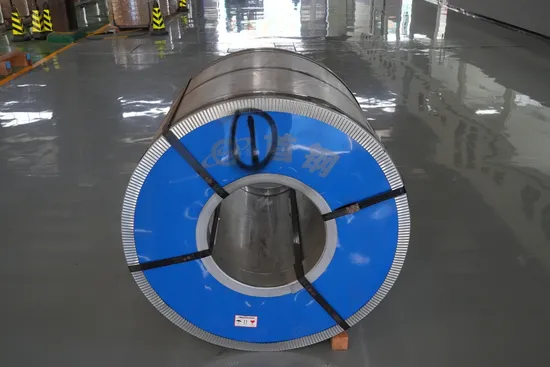
Market Analysis: Silicon Steel (Electrical Steel)
Silicon steel, commonly referred to as electrical steel, is a critical ferromagnetic material engineered for efficient performance in alternating current (AC) electromagnetic applications. Among the various grades, M4 silicon steel—designated under international standards such as IEC 60404—represents a non-oriented electrical steel with 3.0–3.5% silicon content, offering a balanced combination of magnetic flux density, core loss characteristics, and mechanical workability. This grade is widely specified in medium- to high-efficiency power and distribution transformers, where consistent magnetic performance directly influences system reliability and energy efficiency.
Industrial demand for M4 silicon steel remains robust, driven primarily by global infrastructure development, grid modernization initiatives, and the increasing deployment of energy-efficient transformers. As energy costs rise and regulatory frameworks such as the EU Ecodesign Directive and DOE efficiency standards in the U.S. tighten, transformer manufacturers are under growing pressure to minimize no-load and load losses. M4 silicon steel, with its optimized core loss (typically 1.20–1.35 W/kg at 1.5 T and 50 Hz), provides a cost-effective solution for achieving Tier 1 and Tier 2 efficiency levels without the premium associated with higher-grade materials like M2 or laser-scribed grades.
The application of M4 silicon steel in transformer cores hinges on its ability to reduce hysteresis and eddy current losses, which constitute the majority of no-load losses in transformers. High-quality M4 steel exhibits uniform grain structure, precise thickness control (typically 0.30–0.35 mm), and a tightly managed silicon distribution, all of which contribute to stable magnetic permeability and reduced energy dissipation. In large-scale transformer manufacturing, even marginal improvements in core loss translate into significant reductions in lifetime operating costs, particularly in continuously energized units.
Quality consistency is paramount in silicon steel supply. Variability in magnetic properties, surface insulation, or dimensional tolerances can lead to increased audible noise, localized heating, and premature aging of transformer insulation systems. At Luoyang Xinzhaohe Aluminum Co., Ltd, with over two decades of experience in advanced metal processing and quality assurance, we recognize that transformer performance begins with material integrity. Our supply chain protocols ensure traceability, batch uniformity, and compliance with international testing standards, including Epstein frame and single-sheet testing per ASTM A804/A804M.
The global market for electrical steel is increasingly sensitive to supply chain resilience and material certification. As demand shifts toward smart grids and renewable integration—where transformers experience variable loading and harmonic distortions—reliance on high-fidelity magnetic materials like M4 silicon steel will only intensify. Manufacturers who prioritize material quality not only meet regulatory benchmarks but also gain a competitive edge through enhanced product lifecycle and reduced total cost of ownership.
Technical Specs: M4 Silicon Steel
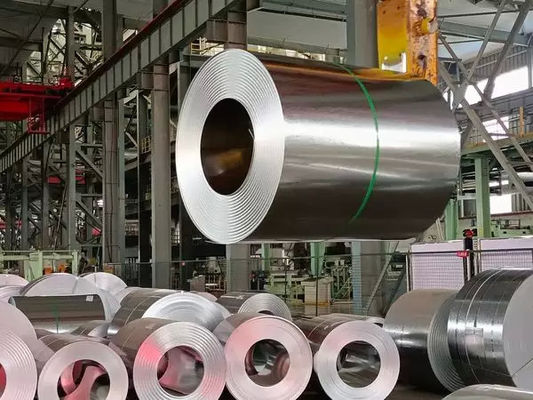
Technical Specifications for M4 Silicon Steel: Critical Parameters for Electromagnetic Performance
Luoyang Xinzhaohe Aluminum CO., Ltd. provides this technical specification guide for M4 grade non-oriented silicon steel (electrical steel), adhering strictly to IEC 60404-8-7 standards. As a critical material for motor and generator stator/rotor cores, M4 silicon steel demands precise control over electromagnetic and physical properties to ensure optimal device efficiency and manufacturability. This section details the essential parameters governing performance, with emphasis on core loss, magnetic flux density, and flatness tolerance. Accurate specification adherence directly impacts energy conversion efficiency, thermal management, and production yield in end-use applications.
Core loss, or iron loss, represents the primary energy dissipation mechanism in alternating magnetic fields and is the most critical performance indicator for M4 grade. It is quantified under standardized conditions of 1.5 Tesla magnetic flux density and 50 Hz frequency, denoted as P1.5/50. M4 silicon steel must achieve a maximum specific total core loss of 2.40 W/kg. This value encompasses both hysteresis and eddy current losses. Lower core loss values directly correlate to higher motor efficiency classifications (e.g., IE3, IE4). Achieving consistent low core loss requires stringent control over silicon content (typically 2.0-3.0%), grain size uniformity, and precise annealing processes to minimize internal stresses and impurities. Variability exceeding ±0.10 W/kg can significantly impact the thermal design and operational cost of the final electromagnetic device.
Magnetic flux density, measured in Tesla (T), indicates the material’s capacity to carry magnetic flux. For M4 grade, the minimum guaranteed magnetic polarization at 5000 A/m (J5000) is 1.92 T, with typical production values often reaching 1.94-1.95 T. Higher flux density allows for more compact core designs, reducing the volume and weight of motors or generators for a given power output. However, this parameter exhibits an inverse relationship with core loss; pushing flux density significantly beyond 1.95 T generally incurs disproportionate core loss penalties. Material selection must balance these competing factors against the specific application’s size, efficiency, and cost constraints.
Flatness tolerance is a crucial physical parameter affecting lamination stamping and core stacking. Poor flatness causes burrs during punching, misalignment in stacks, and increased air gaps between laminations, all degrading magnetic performance and increasing effective core loss. M4 silicon steel must maintain a maximum flatness deviation of 3.0 mm per meter of strip length under no tension. This is achieved through precise rolling mill control, optimal tension leveling during processing, and controlled coiling. Consistent flatness ensures high yield in high-speed progressive die stamping operations and minimizes vibration and noise in the assembled core.
The following table summarizes the mandatory technical parameters for M4 non-oriented silicon steel per IEC 60404-8-7:
| Parameter | Symbol | Test Condition | Requirement for M4 Grade | Unit |
|---|---|---|---|---|
| Thickness | – | – | 0.35 ± 0.02 | mm |
| Specific Total Core Loss | P1.5/50 | 1.5 T, 50 Hz | ≤ 2.40 | W/kg |
| Magnetic Polarization | J5000 | 5000 A/m | ≥ 1.92 | T |
| Density | ρ | – | ≈ 7.65 | g/cm³ |
| Electrical Resistivity | ρe | – | ≈ 50 | μΩ·cm |
| Maximum Flatness Deviation | – | Unloaded, 1m length | ≤ 3.0 | mm/m |
Procurement specifications must explicitly reference these parameters and the governing IEC standard. Luoyang Xinzhaohe Aluminum CO., Ltd. rigorously tests all M4 production lots using Epstein frame or SST methods for core loss and flux density, alongside laser-based flatness measurement systems. We provide full mill test certificates traceable to each coil. Understanding these specifications ensures optimal material selection for demanding electromagnetic applications, balancing performance, manufacturability, and total cost of ownership. Contact our metallurgical engineering team for application-specific validation data.
Factory Tour: Manufacturing
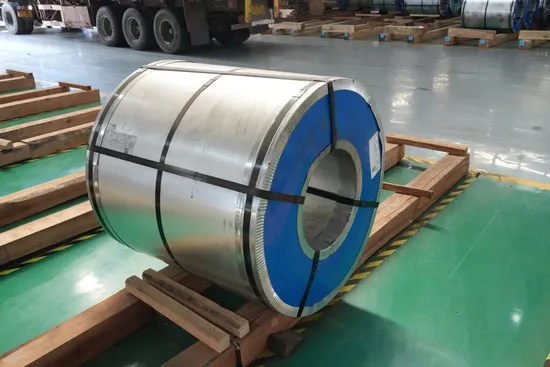
Manufacturing Process of M4 Silicon Steel at Luoyang Xinzhaohe Aluminum Co., Ltd
The production of M4 grade silicon steel at Luoyang Xinzhaohe Aluminum Co., Ltd follows a tightly controlled, multi-stage manufacturing sequence designed to ensure optimal magnetic properties, dimensional accuracy, and surface integrity. As a specialized electrical steel product, M4 silicon steel (typically corresponding to a nominal thickness of 0.35 mm and a core loss of ≤3.60 W/kg at 1.5 T and 50 Hz) requires precision processing to meet the demanding performance standards of transformers, motors, and other electromagnetic applications.
The process begins with slitting, where master coils of cold-rolled non-oriented silicon steel are unwound and longitudinally cut into narrower strips according to customer specifications. This operation is performed on high-precision slitting lines equipped with rotary shear blades and tension control systems to minimize edge burr formation and maintain consistent strip width tolerance within ±0.1 mm. Edge quality is inspected in-line using optical monitoring systems to detect defects such as edge wave or slit edge irregularities.
Following slitting, the material undergoes batch or continuous annealing in a controlled atmosphere furnace. Annealing is critical for stress relief, grain growth, and magnetic domain optimization. The thermal profile is precisely regulated, typically involving heating to 750–850°C in a nitrogen-hydrogen atmosphere to prevent oxidation and decarburization. Soaking time and cooling rates are optimized to restore ductility and enhance permeability while minimizing core loss. Post-annealing, samples are subjected to magnetic property testing using Epstein frame or single-sheet testers to verify compliance with IEC 60404-8-7 standards.
After annealing, an insulation coating is applied to the steel surface to provide interlaminar electrical resistance, reduce eddy current losses, and enhance mechanical durability. A thin, uniform layer of inorganic or semi-organic insulating coating is applied via roll-coating or spray methods. The coating weight is maintained between 0.8–1.5 g/m² per side, with adhesion and dielectric strength tested per ASTM A976. The coated strips are then cured in a secondary baking furnace to ensure complete polymerization and coating integrity.
Final processing involves precision cutting to length using high-speed, servo-driven cut-to-length lines. These lines utilize flying shear or rotary shear mechanisms to achieve dimensional tolerances of ±0.3 mm in length and ±0.2 mm in width. Stacking consistency and flatness are monitored through automated vision systems. Each production lot undergoes comprehensive quality control, including surface defect inspection, coating continuity testing, and magnetic property validation. Certificates of Conformance (CoC) are issued with every shipment, detailing mechanical, electrical, and geometric parameters.
With over two decades of metallurgical expertise, Luoyang Xinzhaohe Aluminum Co., Ltd ensures that every M4 silicon steel product meets international performance benchmarks through this rigorously engineered manufacturing workflow.
Packaging & Logistics
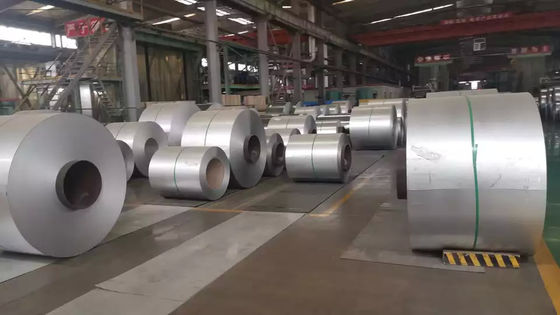
Export Packaging Protocol for M4 Silicon Steel Coils
Luoyang Xinzhaohe Aluminum Co., Ltd implements rigorously engineered export packaging systems specifically designed to safeguard M4 silicon steel coils throughout complex international sea freight logistics. Our 20+ years of metallurgical and supply chain expertise ensure packaging integrity aligns with the material’s sensitivity to moisture, mechanical stress, and atmospheric contaminants during extended ocean voyages. This protocol mitigates corrosion risks and preserves dimensional stability, directly supporting our clients’ production continuity and quality assurance standards.
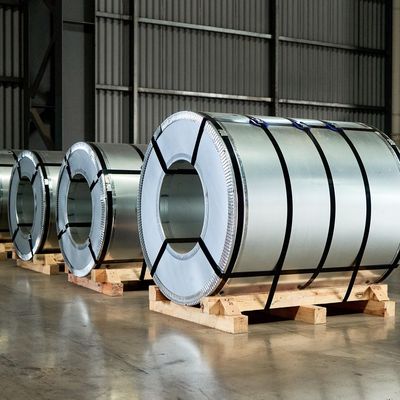
All M4 silicon steel coils are secured on robust, ISPM 15-certified wooden pallets constructed from kiln-dried, non-resinous softwood. These pallets feature a minimum load-bearing capacity of 15 tons per unit, engineered with cross-beamed reinforcement to prevent deformation under stack loads exceeding 40 tons in containerized or bulk vessel stowage. Pallet dimensions strictly adhere to ISO container internal specifications (20ft/40ft), optimizing cargo space utilization while ensuring secure lashing points. Critical coil edges are protected by precision-fitted, chamfered wooden corner posts bonded with marine-grade polyurethane adhesive, eliminating metal-to-wood contact that could induce galvanic corrosion.
The primary moisture barrier comprises a triple-layer encapsulation system. Coils are first wrapped in vapor corrosion inhibitor (VCI) polyethylene film (125μm thickness), impregnated with non-toxic, amine-based inhibitors that actively suppress electrochemical corrosion at the steel surface. This is overlaid with a high-density polyethylene (HDPE) moisture-proof film (250μm) providing a water vapor transmission rate (WVTR) below 0.5 g/m²/24hr at 38°C and 90% RH. The outermost layer utilizes UV-stabilized, puncture-resistant polypropylene woven fabric laminated with aluminum foil, reflecting solar radiation and blocking chloride ion penetration from marine atmospheres. All film seams are heat-sealed with continuous weld integrity verified via spark testing per ASTM D4060.
Desiccant deployment is quantified based on cargo volume, voyage duration, and seasonal humidity profiles. We utilize calcium chloride-based desiccants (minimum 30% moisture absorption capacity) at a ratio of 1.2 kg per m³ of enclosed space, strategically positioned within sealed pallet cavities. Internal relative humidity is continuously monitored via data loggers pre-installed within 5% of shipments, providing clients with verifiable environmental records.
The following table summarizes our standard versus premium packaging configurations for differing transit risk profiles:
| Parameter | Standard Ocean Freight | Premium Long-Voyage/High-Humidity |
|---|---|---|
| VCI Film Thickness | 125μm | 150μm |
| Desiccant Density | 1.0 kg/m³ | 1.5 kg/m³ |
| Outer Barrier | HDPE + PP Woven | HDPE + Aluminum Laminate |
| Max. Transit Duration | 30 days | 60+ days |
| Humidity Monitoring | Spot-check | Full shipment coverage |
This systematic approach prevents the hygroscopic oxidation and chloride-induced corrosion that commonly degrade electrical steel properties during maritime transport. By eliminating moisture ingress and physical damage risks, our packaging ensures M4 silicon steel arrives with unaltered core loss characteristics (W1.5/50 ≤ 3.00 W/kg) and magnetic induction (B50 ≥ 1.78 T), meeting IEC 60404-8-7 specifications upon discharge. Luoyang Xinzhaohe’s packaging methodology is not merely a shipping requirement—it is an integral component of our quality control system, guaranteeing supply chain continuity for critical electrical manufacturing operations worldwide.
Sourcing from Luoyang Xinzhaohe
Partner with Luoyang Xinzhaohe Aluminum Co., Ltd for Premium M4 Silicon Steel
With over two decades of specialized experience in the production and global supply of electrical steel, Luoyang Xinzhaohe Aluminum Co., Ltd stands as a trusted industrial partner for high-performance M4 silicon steel. Our dedicated manufacturing facility in Luoyang, China, is engineered to deliver precision-grade non-oriented electrical steel that meets the stringent demands of transformer, motor, and generator manufacturers worldwide. Our mastery in metallurgical processing and quality assurance ensures that every coil of M4 silicon steel conforms to international standards, including IEC 60404-8 and GB/T 2521.0-2016, with tight control over magnetic properties, dimensional accuracy, and surface integrity.
Our production capabilities are anchored in a fully integrated cold-rolling and annealing line, optimized for consistent grain structure and minimized core loss in M4-grade material. We maintain strict process controls across decarburization, final annealing, and insulating coating application, ensuring low iron loss (W15/50 ≤ 3.20 W/kg) and high magnetic induction (≥ 1.68 T). This technical precision translates into enhanced energy efficiency for end-use applications, directly supporting global sustainability initiatives in power transmission and industrial automation. Our facility operates under ISO 9001 and ISO 14001 certifications, reflecting our commitment to quality management and environmental responsibility.
We specialize in customized solutions, offering M4 silicon steel in slit strip form with widths ranging from 10 mm to 1,050 mm and thickness tolerance held within ±0.01 mm. Our advanced tension-leveling and slitting lines ensure edge quality and flatness critical for high-speed core stacking. In addition to standard M4 (35ZW270), we support customer-specific modifications in coating types (C3, C4, C5), surface roughness, and packaging configurations to meet OEM production requirements. Our in-house metallurgical lab conducts routine testing on core loss, magnetic polarization, lamination factor, and coating weight, providing full traceability and material certification with every shipment.
Supply chain reliability is central to our operational philosophy. We maintain strategic raw material reserves and operate on a lean production schedule, enabling order fulfillment within 15–25 days for standard quantities. Our logistics network supports FOB, CIF, and DDP terms globally, with established partnerships in maritime and rail freight to ensure on-time delivery to Europe, North America, and Southeast Asia.
For engineers and procurement managers seeking a technically capable, responsive, and quality-driven supplier of M4 silicon steel, Luoyang Xinzhaohe offers a proven track record of performance and partnership. We invite you to leverage our expertise in electrical steel manufacturing to optimize your core materials sourcing strategy.
Contact us today at cathy@transformerstrip.com to request technical data sheets, sample reels, or a customized quotation.
📉 Factory Direct Savings Calculator
Calculate your potential savings by importing m4 silicon steel directly from China.