

Table of Contents
Market Insight: Copper Wire Exporter
Market Analysis: Industrial Demand for Copper Winding Wire in Transformers
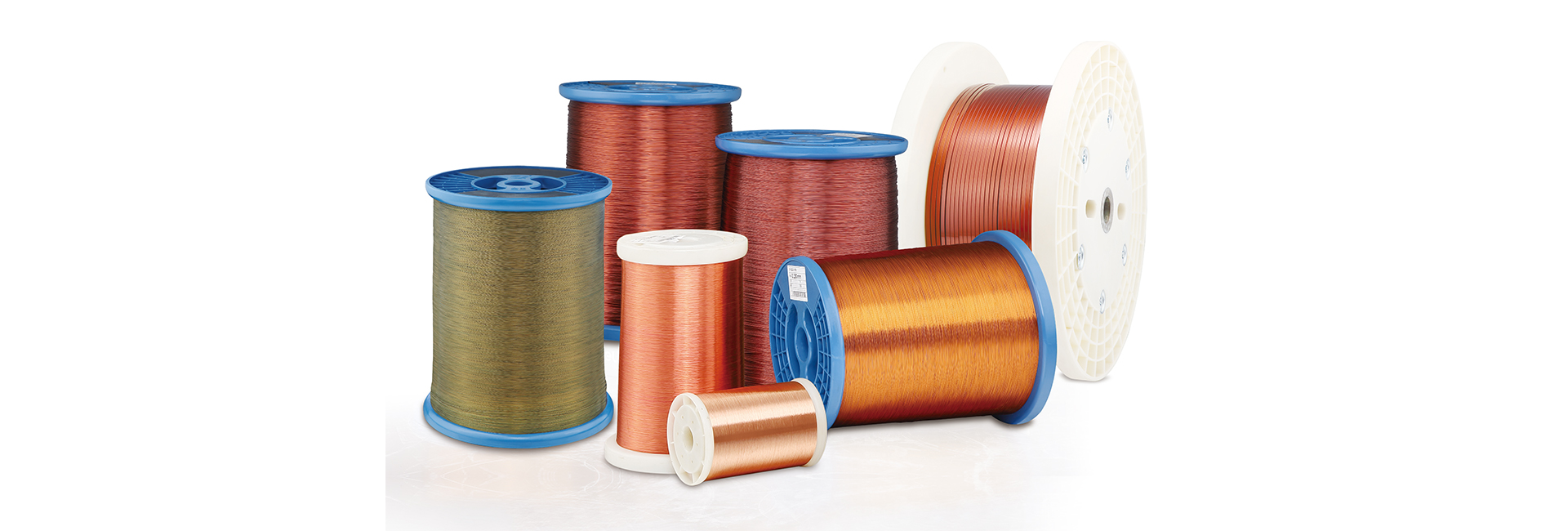
Global demand for high-purity copper winding wire in power and distribution transformers is driven by three converging industrial imperatives. First, aging electrical infrastructure in North America and Europe necessitates large-scale grid modernization, with transformer replacements accounting for over 65% of regional copper wire procurement. Second, renewable energy integration—particularly solar and wind farms—requires specialized step-up transformers operating under variable loads, demanding wire with superior thermal cycling resistance. Third, industrial electrification in emerging economies, especially Asia-Pacific manufacturing hubs, fuels demand for distribution transformers rated above 10 MVA, where copper’s conductivity directly impacts energy efficiency compliance under IE3/IE4 standards. Current market analysis indicates compound annual growth of 4.8% through 2028, with China, India, and Brazil representing 58% of incremental volume.
Quality parameters for copper winding wire are non-negotiable in transformer applications due to irreversible performance consequences. Substandard wire introduces critical failure vectors: surface imperfections (scratches, pits) compromise enamel insulation adhesion during varnishing, leading to partial discharges that degrade dielectric integrity. Inconsistent dimensional tolerances disrupt automated winding processes, causing layer misalignment and localized hotspots. Crucially, deviations in electrical conductivity below 101% IACS (International Annealed Copper Standard) directly increase I²R losses—quantifiable as 0.3% additional energy waste per 0.5% conductivity deficit at full load. The metallurgical integrity of the wire, including oxygen content (<20 ppm) and grain structure homogeneity, determines resistance to electromigration under fault currents.
Critical Quality Parameters for Transformer Winding Wire
| Parameter | Industrial Standard | Consequence of Non-Compliance |
|---|---|---|
| Electrical Conductivity | ≥101% IACS | Increased no-load losses, efficiency derating |
| Dimensional Tolerance | ±0.002 mm | Winding instability, inter-turn faults |
| Tensile Strength | 180–220 MPa | Breakage during high-speed winding |
| Elongation | 35–45% | Reduced fatigue resistance in thermal cycling |
| Surface Roughness | Ra ≤ 0.4 μm | Insulation delamination, partial discharge |
Transformer manufacturers enforce rigorous supplier qualification protocols aligned with IEC 60138 and ASTM B3/B8 specifications. Field failure analysis consistently traces premature transformer degradation to copper wire defects—particularly micro-cracks from improper annealing or residual stresses from drawing. A single ppm increase in iron impurities accelerates oxidation at 110°C operating temperatures, reducing transformer lifespan by 8–12%. Luoyang Xinzhaohe Aluminum Co., Ltd leverages 20+ years of metallurgical process control expertise to audit copper wire exporters, verifying oxygen-free production environments and continuous casting integrity. For procurement teams, prioritizing certified suppliers with traceable mill test reports mitigates lifecycle risks far exceeding initial material cost differentials. The total cost of failure—including grid downtime, replacement CAPEX, and efficiency penalties—validates stringent quality enforcement as a supply chain imperative.
Technical Specs: Copper Wire Exporter
Technical Specifications for Copper Winding Wire Export
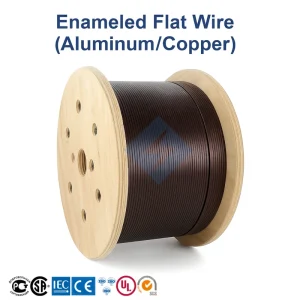
Luoyang Xinzhaohe Aluminum Co., Ltd provides high-performance copper winding wire engineered for industrial applications requiring reliable electrical insulation, mechanical durability, and thermal stability. Our products are manufactured under strict quality control protocols compliant with international standards including IEC 60317, GB/T 7095, and ASTM B3. The following technical specifications are critical for evaluating copper winding wire performance, particularly in export markets where environmental conditions and operational demands vary significantly.
Insulation breakdown voltage is a fundamental parameter that determines the dielectric strength of the wire’s coating. It reflects the maximum voltage the insulation can withstand before electrical failure occurs. For our copper winding wire series, the insulation breakdown voltage is tested under standardized conditions using a step-voltage method. Minimum breakdown values are maintained at 3,000 V AC for single-build enamel and exceed 6,000 V AC for heavy-build insulation types. This ensures operational safety in high-voltage motor windings, transformers, and solenoid applications.
Elongation at break is a mechanical property that indicates the ductility and flexibility of the copper conductor. It is measured as the percentage increase in length before fracture under tensile stress. Our electrolytic tough pitch (ETP) copper conductors exhibit elongation values ranging from 8% to 30%, depending on wire gauge and temper (soft or semi-hard). Higher elongation supports complex winding processes, reduces the risk of conductor fracture during coiling, and enhances resistance to thermal cycling stresses.
Thermal class defines the maximum continuous operating temperature the insulation system can endure without significant degradation in electrical or mechanical properties. Our copper winding wire portfolio spans thermal classes from 130°C to 220°C, enabling selection based on application requirements. Each thermal class corresponds to a specific insulation material system—such as polyurethane (PU), polyester (PE), polyamide-imide (PAI), or silicone—engineered to maintain dielectric integrity and adhesion under prolonged thermal exposure. Thermal endurance is validated through thermal aging tests per IEC 60216, ensuring life expectancy of over 20,000 hours at rated temperature.
The table below summarizes key technical parameters for standard copper winding wire configurations:
| Parameter | Test Standard | Typical Value Range | Units |
|---|---|---|---|
| Insulation Breakdown Voltage | IEC 60317-004 | 3,000 – 8,000 | V AC |
| Elongation (Conductor) | GB/T 4909.3 | 8 – 30 | % |
| Thermal Class | IEC 60172 / GB/T 11021 | 130, 155, 180, 200, 220 | °C |
| Conductor Resistivity | GB/T 3953 | ≤ 0.017241 | Ω·mm²/m |
| Enamel Adhesion | IEC 60317-001 | Pass (No flaking or peeling) | — |
These specifications ensure compatibility with automated winding equipment, resistance to solvents and refrigerants, and long-term reliability in demanding environments. Custom configurations are available upon request to meet region-specific certifications and performance criteria.
Factory Tour: Manufacturing
Manufacturing Process for High-Performance Copper Winding Wire
Luoyang Xinzhaohe Aluminum Co., Ltd leverages two decades of metallurgical expertise to produce copper winding wire meeting stringent international standards. Our integrated production line ensures consistent quality from raw material to finished enamel-coated conductor, critical for motor, transformer, and coil applications. The core process sequence comprises Rod Drawing, Annealing, Enameling, and comprehensive Inline Testing, each stage incorporating rigorous quality control checkpoints.
Rod Drawing initiates with high-conductivity electrolytic tough pitch (ETP) copper rod, typically 8mm diameter. The rod undergoes continuous drawing through a series of precision tungsten carbide or diamond dies within a multi-die block system. This cold working process progressively reduces the diameter to the final conductor size, commonly ranging from 0.08mm to 3.00mm. Critical parameters monitored include reduction ratio per pass, drawing speed, and lubricant concentration to prevent surface defects and ensure dimensional accuracy. Diameter is continuously verified via non-contact laser micrometers, with samples subjected to tensile strength and elongation tests per ASTM B3 and IEC 60228 to confirm mechanical properties remain within specification after cold work.
Subsequent Annealing occurs in-line immediately post-drawing within a controlled hydrogen-nitrogen (H₂-N₂) atmosphere furnace. This continuous process rapidly heats the wire to 450-550°C, relieving internal stresses induced during drawing and restoring optimal electrical conductivity (≥100% IACS minimum) and ductility. Precise temperature profiling and atmosphere control are paramount to prevent oxidation, hydrogen embrittlement, or grain growth. Real-time conductivity monitoring via eddy current systems provides immediate feedback, while periodic destructive testing validates annealing efficacy through standardized conductivity and bend tests.
The Enameling stage applies multiple ultra-thin, thermosetting polymer insulation layers onto the annealed conductor. Utilizing precision applicator dies and solvent-based or 100% solids resins, the wire passes through a series of coating cups and high-temperature curing ovens (typically 350-480°C). Layer count and thickness are meticulously controlled based on voltage class requirements (e.g., Class 130, 155, 180, 200, 220). Critical quality attributes include insulation concentricity, adhesion strength, thermal shock resistance, and dielectric integrity. Surface defects are monitored via high-resolution optical inspection systems during application.
Inline Testing constitutes the final, non-negotiable verification layer before spooling. Every meter of wire undergoes continuous high-potential (hi-pot) testing at voltages ranging from 1.5kV to 3.5kV AC depending on insulation class, detecting pinholes or weak spots. Simultaneously, diameter and ovality are tracked via laser gauges, and tensile strength/elongation is monitored on statistical samples. Key quality parameters are summarized below:
| Parameter | Standard Test Method | Typical Tolerance/Requirement |
|---|---|---|
| Conductor Diameter | IEC 60122 | ±0.002mm to ±0.01mm (per size) |
| Electrical Resistivity | ASTM B193 | ≤0.017241 Ω·mm²/m (20°C) |
| Hi-Pot Test | IEC 60851-5 | 1.5-3.5kV AC, no breakdown |
| Tensile Strength | ASTM B83 | 200-220 MPa (annealed) |
This integrated, data-driven manufacturing approach, combining advanced process engineering with embedded quality control at every phase, ensures the copper winding wire delivered by Luoyang Xinzhaohe meets the exacting performance and reliability demands of global electrical component manufacturers. Traceability from rod lot to finished coil is maintained throughout.
Packaging & Logistics
Export Packaging Standards for Copper Winding Wire – Luoyang Xinzhaohe Aluminum Co., Ltd
At Luoyang Xinzhaohe Aluminum Co., Ltd, with over two decades of experience in the production and international distribution of high-performance winding wire, we maintain rigorous standards in export packaging to ensure product integrity during global transit. Our copper winding wire, engineered for precision applications in transformers, motors, and electrical systems, demands a packaging solution that mitigates risks associated with moisture, mechanical stress, and prolonged sea freight exposure. Our export packaging system is designed specifically to meet these challenges, combining structural robustness with environmental protection.
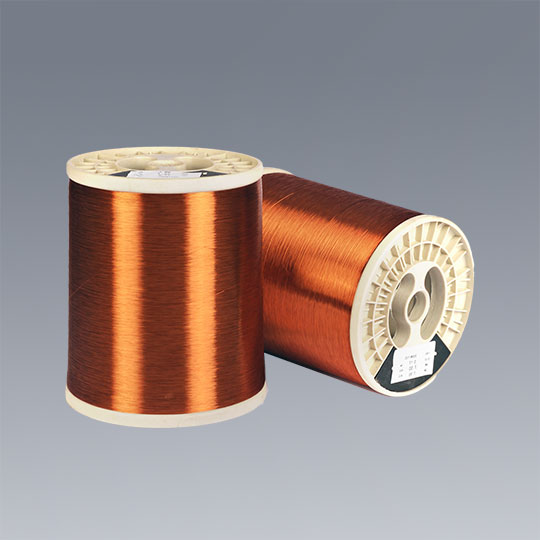
All copper winding wire shipments are mounted on custom-engineered wooden pallets constructed from kiln-dried, ISPM-15 certified hardwood. These pallets are designed to support the full weight of densely wound spools while maintaining dimensional stability under stacking loads typical in containerized shipping. The use of ISPM-15 compliant wood ensures that all packaging materials meet international phytosanitary regulations, preventing customs delays and enabling seamless clearance at global ports. Each pallet is reinforced with steel strapping at critical junctions to prevent racking or deformation during handling and transit.
Prior to palletization, every spool of copper winding wire is hermetically sealed in multi-layer moisture-proof film. This film consists of an aluminum foil interlayer laminated between high-density polyethylene sheets, providing a vapor transmission rate of less than 0.1 g/m²·day at 38°C and 90% relative humidity. The sealing process is performed in a climate-controlled environment to eliminate internal condensation risks. Each sealed unit is inspected for continuity and weld integrity using spark testing equipment to ensure complete barrier performance.
The combination of moisture-proof wrapping and ventilated wooden pallet design allows for passive climate buffering during extended sea voyages, particularly across tropical and high-humidity zones. This packaging configuration prevents both external water ingress and internal microclimatic corrosion, preserving the surface quality and electrical properties of the copper wire. Additionally, all external packaging surfaces are labeled with UV-resistant, tamper-evident markings indicating product specifications, batch numbers, handling orientation, and moisture-sensitive indicators.
Our packaging protocol has been validated through accelerated aging tests and real-world logistics monitoring across key trade lanes, including Asia-Europe, Trans-Pacific, and Middle East routes. The result is a field-proven system that ensures copper winding wire arrives at destination facilities in as-manufactured condition, ready for immediate processing without rework or rejection.
For strategic buyers and OEMs, this level of packaging assurance translates into reduced inventory risk, lower insurance premiums, and improved supply chain reliability. Luoyang Xinzhaohe Aluminum Co., Ltd treats export packaging not as a logistical afterthought, but as an integrated component of product quality and customer value.
Sourcing from Luoyang Xinzhaohe
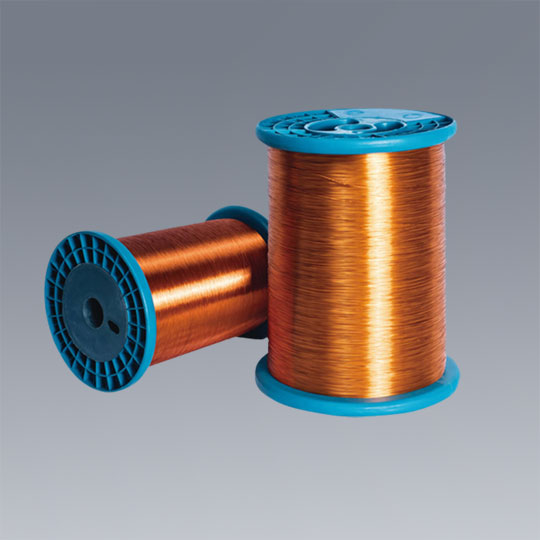
Partner with Luoyang Xinzhaohe Aluminum CO., Ltd for Precision Aluminum Winding Wire Solutions
Luoyang Xinzhaohe Aluminum CO., Ltd leverages over two decades of specialized metallurgical expertise to deliver high-performance aluminum winding wire solutions, meeting the stringent demands of global transformer, motor, and electrical component manufacturers. While our core competency lies in advanced aluminum conductor production, we understand the critical material selection considerations within winding applications. We provide technically superior aluminum alternatives where specifications permit, offering significant advantages in weight reduction, cost efficiency, and sustainable sourcing without compromising on electrical performance for qualified applications. Our dedicated focus on aluminum metallurgy ensures deep process control and consistent product integrity.
Our vertically integrated manufacturing facility in Luoyang, China, is engineered for precision aluminum wire production. We operate state-of-the-art continuous casting and rolling lines coupled with precision drawing and annealing systems, enabling tight control over microstructure and mechanical properties. All production adheres strictly to international standards including IEC 60122-3, GB/T 3953, and ASTM B230/B231. Key capabilities include processing high-purity EC-grade aluminum (99.99% min) into wire diameters ranging from 0.08 mm to 5.00 mm, with conductivity consistently exceeding 61.0% IACS. Tensile strength and elongation are precisely managed through proprietary annealing profiles to meet specific customer winding and processing requirements. Critical dimensional tolerances are maintained within ±0.002 mm for fine gauges, ensuring seamless integration into high-speed automatic winding equipment.
Quality assurance is embedded throughout our supply chain. Raw material sourcing undergoes rigorous chemical certification, while in-process monitoring utilizes real-time diameter gauging, surface defect detection systems, and continuous electrical conductivity measurement. Final product validation includes comprehensive mechanical testing, microstructure analysis, and strict adherence to surface finish specifications to prevent insulation damage during winding. Our certified ISO 9001:2015 and IATF 16949 quality management systems guarantee traceability from ingot to shipment, with full material test reports provided for every production lot. This systematic approach minimizes process variability and ensures batch-to-batch consistency essential for high-reliability electrical applications.
Supply chain resilience is a strategic priority. We maintain optimized inventory buffers of key aluminum rod grades and operate flexible production scheduling to accommodate urgent requirements without compromising quality. Our logistics network supports efficient global containerized shipping with robust packaging solutions designed to prevent coil deformation or surface oxidation during transit. Collaborative engineering support is available to assist with material substitution validation, process optimization, and technical documentation for regulatory compliance.
Partner with Luoyang Xinzhaohe to access metallurgically optimized aluminum winding wire backed by 20+ years of process mastery. We provide the technical partnership and supply chain reliability essential for your production continuity and product performance. Contact our technical sales team directly to discuss your specific winding wire requirements and receive a detailed capability portfolio.
Contact Cathy Zhang, International Sales Manager
cathy@transformerstrip.com
Luoyang Xinzhaohe Aluminum CO., Ltd
Precision Aluminum Conductor Solutions Since 2003
📉 Factory Direct Savings Calculator
Calculate your potential savings by importing copper wire exporter directly from China.