


Table of Contents
Market Insight: Aluminum Core Transformer
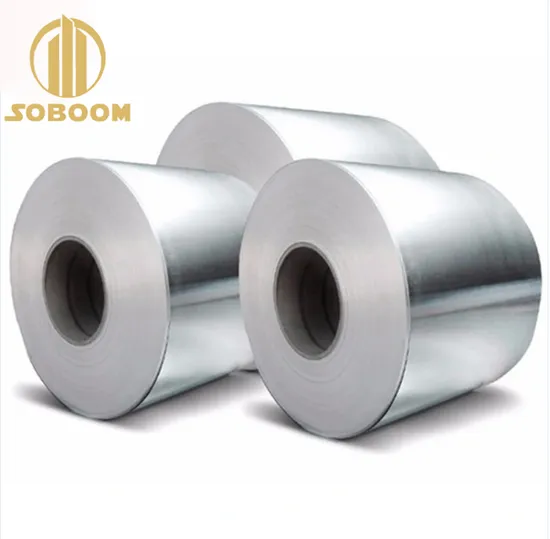
Market Analysis: Silicon Steel Demand Drivers for Transformer Core Applications
The global transformer market exhibits sustained growth driven by renewable energy integration, grid modernization, and industrial electrification, with silicon steel (electrical steel) remaining the indispensable core material. Contrary to the query’s reference to “aluminum core transformers,” aluminum is exclusively utilized for windings due to its conductivity-to-weight ratio; the magnetic core itself must employ high-permeability silicon steel to minimize energy losses. This distinction is critical for technical sourcing accuracy. Demand for non-oriented (NO) and grain-oriented (GO) electrical steel is directly tied to transformer efficiency regulations, such as DOE 2016 in the U.S. and IE4/IE5 standards under IEC 60034-30-2, which mandate lower no-load losses.
Silicon steel quality dictates transformer total cost of ownership (TCO). Core losses—comprising hysteresis and eddy current losses—account for 60–70% of a transformer’s lifetime energy expenditure. Substandard steel with inconsistent silicon content (>3.2 wt%), inadequate grain alignment (in GO steel), or surface imperfections increases hysteresis loss by up to 15% and elevates operating temperatures. For a 100 MVA transformer, a 0.1 W/kg increase in core loss density translates to ~12,000 kWh/year in wasted energy, costing $1,500+ annually at industrial rates. Precision in lamination thickness (0.23–0.30 mm for GO steel) and interlocking geometry is equally vital; deviations >±0.005 mm induce flux leakage and localized heating, accelerating insulation degradation.
Market dynamics reflect tightening quality thresholds. Asia-Pacific dominates consumption (55% share), with China’s grid expansion requiring 800,000+ distribution transformers yearly. However, 30% of low-cost imports fail IEC 60404-2 certification due to excessive core loss (e.g., P1.7/50 > 1.30 W/kg for M4 grade). This drives demand for premium electrical steel with guaranteed magnetic properties. Key quality parameters include:
| Parameter | Standard Requirement (GO Steel) | Risk of Non-Compliance |
|---|---|---|
| Core Loss (P1.7/50) | ≤ 1.00 W/kg (M0H grade) | +18% energy loss per 0.1 W/kg |
| Magnetostriction | ≤ 15 ppm | Audible noise, mechanical stress |
| Lamination Thickness Tolerance | ±0.003 mm | Flux distortion, hot spots |
Luoyang Xinzhaohe Aluminum leverages 20+ years of metallurgical expertise to address these challenges. Our silicon steel undergoes rigorous process control—from vacuum degassing to laser-scribed domain refinement—ensuring consistent core loss performance within ±2% of specification. We prioritize ASTM A976 and IEC 60404-1 compliance, with third-party test reports validating magnetic induction (≥1.90 T at 800 A/m) and loss characteristics. For B2B partners, this translates to reduced warranty claims, compliance with global efficiency directives, and demonstrable TCO savings over a transformer’s 30-year lifecycle. In an era where 1% efficiency gain saves 10,000+ tons of CO2 over a unit’s lifespan, silicon steel quality is not merely a technical specification—it is the foundation of sustainable power infrastructure.
Technical Specs: Aluminum Core Transformer
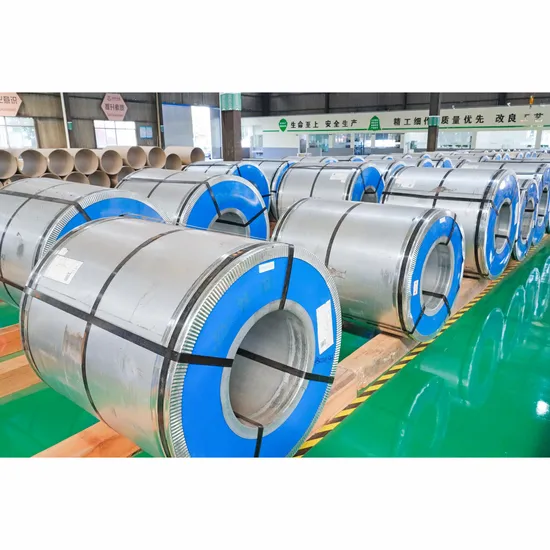
Technical Specifications for Aluminum Core Transformers Using Silicon Steel
Luoyang Xinzhaohe Aluminum CO., Ltd brings over two decades of metallurgical and industrial supply chain expertise to the production and specification of advanced materials for power transmission applications. In the design and manufacturing of aluminum core transformers, the selection of high-performance silicon steel (electrical steel) is critical to achieving optimal magnetic efficiency, thermal stability, and long-term reliability. While the core conductor material is aluminum, the magnetic core—typically constructed from grain-oriented silicon steel—plays a decisive role in determining the transformer’s electromagnetic performance. This section outlines the key technical parameters for silicon steel used in aluminum core transformer applications, focusing on core loss, magnetic flux density, and material flatness.
Core loss, also known as iron loss, is a primary performance indicator for electrical steel in transformer cores. It represents the energy dissipated as heat due to hysteresis and eddy current effects under alternating magnetic fields. For aluminum core transformers, low core loss is essential to maintain high energy efficiency, particularly in distribution and power transformers operating continuously. The standard measurement is conducted at 1.7 T (Tesla) and 50 Hz, in accordance with IEC 60404-2. High-grade grain-oriented silicon steel (e.g., M4, M5, or M6 classes) is recommended to minimize losses, with typical guaranteed core loss values ranging from 0.8 W/kg to 1.2 W/kg depending on grade and processing.
Magnetic flux density (B₈) is another critical parameter, indicating the material’s ability to carry magnetic flux efficiently. Higher flux density allows for reduced core cross-sectional area, contributing to compact and lightweight transformer designs. For grain-oriented silicon steel used in aluminum core transformers, the magnetic flux density measured at 800 A/m (B₈) should be no less than 1.90 T, with premium grades achieving up to 1.96 T. This ensures efficient magnetization and reduced excitation current, directly improving no-load performance.
Flatness of silicon steel sheets is essential for uniform stacking and lamination in the transformer core. Poor flatness leads to air gaps, localized flux concentration, and increased core loss and noise. The maximum allowable wave height (a measure of flatness) should not exceed 3 mm over a 2,000 mm length for standard grades. Tension leveling and precision rolling techniques are employed to ensure dimensional stability and surface uniformity.
Additional considerations include coating insulation resistance, lamination factor, and punchability for step-lap joints. All materials supplied by Luoyang Xinzhaohe Aluminum CO., Ltd are certified to international standards, including GB/T 2521.2-2016 and IEC 60404, ensuring consistency and performance in critical power applications.
| Parameter | Standard Requirement | Test Condition / Notes |
|---|---|---|
| Core Loss (P₁.₇/50) | ≤ 1.20 W/kg (M5 class) | 1.7 T, 50 Hz, Epstein frame method |
| Magnetic Flux Density (B₈) | ≥ 1.90 T | Measured at 800 A/m |
| Flatness (Wave Height) | ≤ 3 mm / 2,000 mm | Measured under no tension |
| Coating Resistivity | ≥ 3.0 Ω·mm² | After double-sided coating application |
| Thickness Tolerance | ±0.01 mm (for 0.27–0.30 mm sheets) | Across sheet width |
| Lamination Factor | ≥ 97.5% | Stacked core, including insulation layers |
These specifications ensure compatibility with modern aluminum core transformer designs, supporting high efficiency, low noise, and extended service life under demanding grid conditions.
Factory Tour: Manufacturing
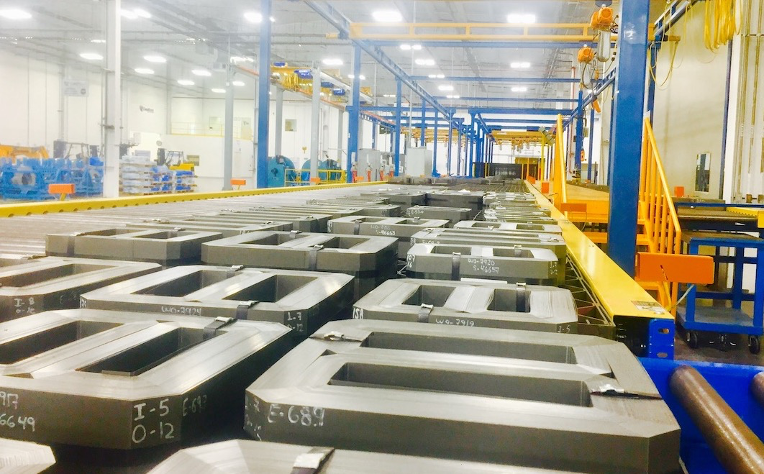
Manufacturing Process for Electrical Steel Cores in Aluminum-Wound Transformers
Luoyang Xinzhaohe Aluminum Co., Ltd leverages two decades of specialized metallurgical expertise to produce high-performance electrical steel laminations essential for efficient aluminum-wound transformer cores. The core manufacturing sequence demands stringent process control to achieve optimal magnetic properties and dimensional precision. Initial processing begins with precision slitting of grain-oriented electrical steel (GOES) coils. Our state-of-the-art slitting lines operate under tension control to minimize edge burr formation and dimensional deviation, ensuring strip widths conform to tight tolerances critical for core stacking. Slit widths are validated inline using laser micrometers, with typical tolerances maintained at ±0.05 mm.
Subsequent continuous annealing is performed in controlled atmosphere furnaces to relieve stresses induced during slitting and prior cold rolling. This step is vital for magnetic domain refinement. Annealing parameters are precisely managed: peak temperatures range between 800°C and 850°C under dry hydrogen-nitrogen atmospheres, with strict dew point control below -40°C to prevent surface oxidation and ensure effective decarburization. Hold times are optimized based on steel grade and thickness to maximize permeability and minimize core loss.
Following annealing, a uniform inorganic insulation coating is applied via roll coating. This magnesium oxide-based coating serves dual critical functions: providing electrical inter-lamination insulation to suppress eddy currents and enhancing mechanical stability during core assembly. Coating weight is meticulously controlled to 0.8-1.2 g/m² per side using gravimetric measurement systems. Insufficient coating compromises insulation; excessive coating impedes stacking and increases magnetic reluctance.
The final stage employs high-precision blanking or step-lap cutting presses. Advanced servo-driven systems cut laminations to exact core geometry specifications, achieving angular tolerances within ±0.1° and dimensional accuracy of ±0.02 mm. Burr height is rigorously suppressed below 2% of material thickness through optimized die clearance and maintenance protocols. All cut edges undergo deburring to eliminate micro-protrusions that could degrade insulation integrity.
Integrated Quality Control Parameters
| Parameter | Test Method | Standard Requirement | Xinzhaohe Control Limit |
|---|---|---|---|
| Core Loss (P1.7/50) | Epstein Frame (IEC 60404-2) | ≤ 1.00 W/kg | ≤ 0.95 W/kg |
| Coating Adhesion | Tape Peel Test (ASTM D3359) | ≥ 95% Retention | ≥ 98% Retention |
| Dimensional Tolerance | CMM Measurement | ±0.05 mm | ±0.03 mm |
| Inter-lamination Resistance | Milliohm Meter | ≥ 2.0 Ω·cm² | ≥ 2.5 Ω·cm² |
Comprehensive QC is embedded throughout production. Key checks include laser-based strip width verification post-slitting, continuous atmosphere monitoring during annealing, automated coating weight measurement, and 100% lamination dimensional inspection via vision systems. Final core loss and permeability validation per IEC 60404-2 is mandatory for batch release. This integrated approach ensures the electrical steel cores delivered by Xinzhaohe consistently achieve low no-load losses and high operational reliability in demanding aluminum-wound transformer applications.
Packaging & Logistics
Export Packaging for Aluminum Core Transformers – Ensuring Integrity in Global Shipments
At Luoyang Xinzhaohe Aluminum Co., Ltd., with over two decades of specialized experience in aluminum materials for power transmission applications, we recognize that export packaging is not merely a logistical step but a critical component in preserving the functional integrity of aluminum core transformers during international transit. Given the sensitivity of core components to environmental and mechanical stressors, our packaging methodology is engineered to meet the rigorous demands of sea freight, the predominant mode of transport for heavy industrial equipment.
All aluminum core transformer components are secured on custom-fabricated wooden pallets constructed from high-strength, kiln-dried hardwood. These pallets are designed to ISO 13370 and ISPM-15 standards, ensuring compliance with global phytosanitary regulations while providing structural resilience against dynamic loading conditions encountered during vessel movement and port handling. The load distribution is optimized to prevent localized stress on the aluminum windings and laminated core assemblies, minimizing the risk of deformation or microstructural damage.
Each palletized unit is then fully enveloped in multi-layer moisture-proof film, specifically a co-extruded polyethylene laminate with an integrated aluminum foil barrier. This vapor-resistant wrapping serves as a primary defense against salt-laden maritime atmospheres, high relative humidity, and condensation cycles common in containerized ocean transport. The film is heat-sealed at all seams to create a hermetic enclosure, effectively inhibiting moisture ingress that could lead to surface oxidation or corrosion of the aluminum conductors—factors that directly impact transformer efficiency and long-term reliability.
In addition to moisture protection, the packaging system incorporates shock-absorbing corner braces and edge protectors made from high-density polyethylene. These elements mitigate impact forces during crane lifts, truck loading, and intermodal transfers. For oversized or high-value units, optional GPS-enabled tilt and humidity monitoring devices can be affixed to provide real-time condition tracking throughout the supply chain.
All packaging operations are conducted in controlled indoor environments to prevent contamination from dust, rain, or temperature extremes prior to shipment. Final inspection includes visual verification of film integrity, pallet stability, and proper labeling in accordance with IMDG Code and carrier-specific requirements. Labels include handling indicators, orientation arrows, and critical weight distribution data to guide port operators.
Our packaging protocol has been validated through accelerated climate chamber testing and actual long-haul shipping routes, including trans-Pacific and trans-Atlantic voyages. This ensures that upon arrival at destination ports, aluminum core transformers maintain their as-manufactured specifications, ready for immediate integration into substation or distribution networks.
By integrating material science, structural engineering, and international logistics standards, Luoyang Xinzhaohe Aluminum Co., Ltd. delivers not only high-performance aluminum components but also a packaging solution that guarantees product integrity from factory floor to final installation site.
Sourcing from Luoyang Xinzhaohe
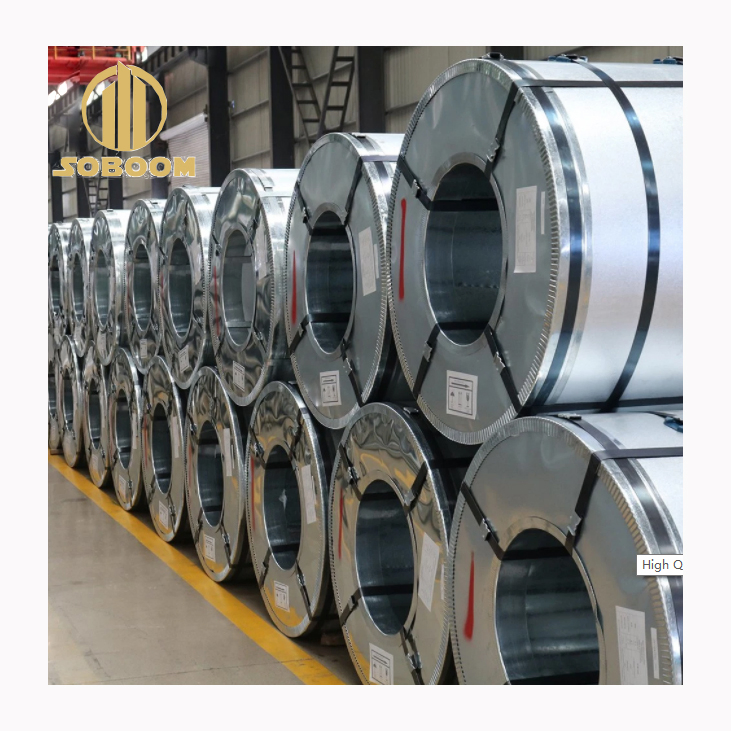
Partner with Luoyang Xinzhaohe: Precision Aluminum Strip for Transformer Windings
Luoyang Xinzhaohe Aluminum Co., Ltd brings over two decades of specialized metallurgical expertise to the critical supply of aluminum strip for transformer manufacturing. While the term aluminum core transformer requires technical clarification – as silicon steel remains the standard material for laminated magnetic cores due to its superior magnetic properties – Xinzhaohe excels in producing the high-purity, precision-engineered aluminum conductor strip essential for transformer windings. Aluminum serves as a cost-effective and lightweight conductor alternative to copper, demanding exacting material properties for optimal electromagnetic performance and thermal management. We address the specific challenges inherent in aluminum winding production through rigorous process control and deep materials science understanding.
Our integrated production facility in Luoyang is purpose-built for transformer-grade aluminum strip. We utilize advanced continuous casting and rolling lines coupled with proprietary homogenization and annealing protocols to achieve exceptional consistency in electrical conductivity, mechanical strength, and surface integrity. Critical parameters such as thickness tolerance, edge quality, and residual stress are controlled within narrow bands defined by international standards like IEC 60138 and ASTM B418. This precision minimizes winding defects, reduces eddy current losses, and ensures reliable long-term operation under thermal cycling. Our metallurgical team continuously optimizes alloy composition and processing parameters to meet the evolving demands for higher efficiency transformers.
The technical specifications achievable at our facility underscore our capability to serve demanding transformer OEMs. Key production parameters include:
| Parameter | Capability Range | Typical Tolerance |
|---|---|---|
| Thickness | 0.80 mm – 6.00 mm | ±0.015 mm |
| Width | 50 mm – 1600 mm | ±1.0 mm |
| Conductivity | ≥ 61.0% IACS | ±0.5% IACS |
| Tensile Strength | 70 MPa – 110 MPa | ±5 MPa |
| Elongation | ≥ 25% | ±3% |
| Surface Roughness | Ra ≤ 1.0 µm | Controlled |
Beyond material excellence, Xinzhaohe provides robust supply chain security. Our vertical integration, controlling processes from molten metal to finished slit coil, ensures batch-to-batch uniformity and mitigates raw material volatility. We maintain dedicated production lines for transformer strip, preventing cross-contamination and guaranteeing priority scheduling. Stringent in-process and final inspections, including 100% surface defect scanning and statistical conductivity verification, are standard. Our logistics network supports JIT delivery models to major transformer manufacturing hubs across Asia and Europe, backed by ISO 9001 and IATF 16949 certified quality management systems. This operational discipline minimizes inventory costs for our partners while ensuring uninterrupted production flow.
Partnering with Xinzhaohe means engaging with a supplier whose metallurgical foundation directly translates to enhanced transformer performance and manufacturability. We collaborate closely with engineering teams to tailor strip properties for specific winding techniques and efficiency targets, providing comprehensive material data packages and technical support throughout the sourcing cycle. For transformer manufacturers seeking a reliable, technically proficient source of premium aluminum conductor strip that meets the most stringent industry requirements, Luoyang Xinzhaohe Aluminum Co., Ltd delivers proven expertise and unwavering commitment to quality. Contact Cathy directly at cathy@transformerstrip.com to discuss your specific technical specifications and volume requirements. Let us provide the material foundation for your next generation of efficient, reliable transformers.
📉 Factory Direct Savings Calculator
Calculate your potential savings by importing aluminum core transformer directly from China.