


Table of Contents
Market Insight: Aluminum Winding Sticks
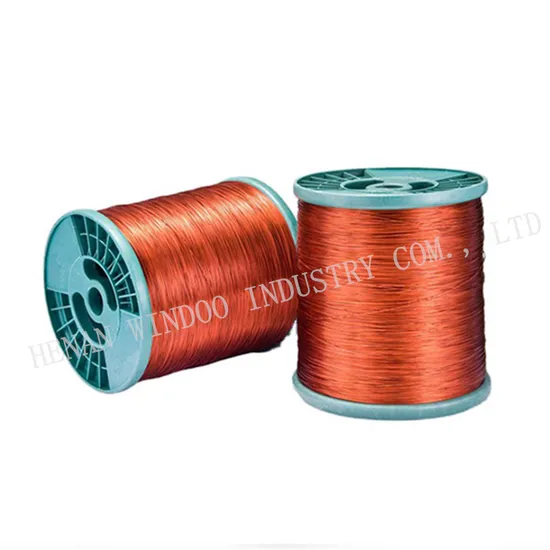
Market Analysis: Winding Wire – Industrial Demand for Aluminum Winding Sticks in Transformers
The global transformer industry continues to exhibit sustained demand for high-performance conductive materials, with aluminum winding sticks emerging as a critical component in modern power and distribution transformer manufacturing. As utilities and industrial operators prioritize energy efficiency, weight reduction, and cost-effective materials, aluminum has gained substantial market share over traditional copper conductors—particularly in medium- and high-voltage applications. Aluminum winding sticks, engineered to precise dimensional and metallurgical specifications, are now integral in coil windings due to their favorable conductivity-to-weight ratio, corrosion resistance, and thermal performance.
Industrial demand for aluminum winding sticks is primarily driven by the expansion of power infrastructure in emerging economies, coupled with ongoing grid modernization in developed regions. Transformers used in renewable energy integration—such as solar inverters and wind farm substations—increasingly rely on aluminum-based windings to reduce overall system weight and material costs without compromising electrical performance. Additionally, the push for energy-efficient transformers under regulatory standards such as DOE 2016 (USA) and EU Ecodesign Directive has intensified the need for high-purity, structurally consistent aluminum conductors. Winding sticks must exhibit uniform cross-sectional geometry, high surface finish quality, and minimal internal stresses to ensure tight coil packing and optimal heat dissipation.
Quality is a decisive factor in the performance and longevity of transformers utilizing aluminum winding sticks. Substandard materials—characterized by impurities, inconsistent temper, or poor dimensional control—can lead to increased winding resistance, localized hotspots, and premature insulation breakdown. At Luoyang Xinzhaohe Aluminum Co., Ltd, with over two decades of specialization in aluminum conductor production, we emphasize strict control over alloy composition (typically 1350-H19 or equivalent), grain structure, and mechanical properties. Our winding sticks are manufactured under ISO 9001-certified processes, ensuring tensile strength within 150–165 MPa and elongation of no less than 3%, critical for withstanding winding tension and thermal cycling during transformer operation.
Furthermore, surface quality directly impacts insulation integrity. Our production lines incorporate precision saw-cutting and deburring techniques to eliminate micro-cracks and burrs, reducing the risk of dielectric failure. Dimensional tolerances are maintained within ±0.1 mm for thickness and width, ensuring compatibility with automated winding equipment used in high-volume transformer production.
The following table outlines key specifications for industrial-grade aluminum winding sticks:
| Parameter | Typical Value | Standard Reference |
|---|---|---|
| Alloy | 1350-H19 | ASTM B418 / GB/T 3190 |
| Electrical Conductivity | ≥61% IACS | ASTM E1004 |
| Tensile Strength | 150–165 MPa | GB/T 4510 |
| Elongation | ≥3% | GB/T 4510 |
| Dimensional Tolerance | ±0.1 mm | Custom drawing specs |
| Surface Finish | Smooth, burr-free, oxide-controlled | Internal QA Protocol |
In conclusion, the growing reliance on aluminum winding sticks in transformer manufacturing underscores the importance of material quality, consistency, and technical compliance. As global energy systems evolve, only suppliers with proven metallurgical expertise and rigorous quality assurance can meet the escalating performance demands of the power transmission and distribution sector.
Technical Specs: Aluminum Winding Sticks
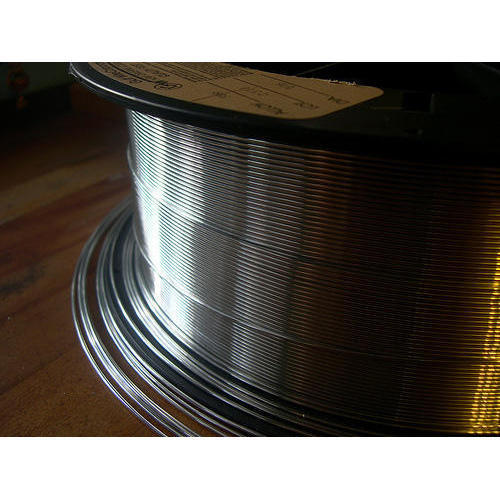
Technical Specifications for Aluminum Winding Sticks
Aluminum winding sticks serve as critical structural components in electromagnetic coil winding processes, demanding stringent adherence to electrical, mechanical, and thermal properties. At Luoyang Xinzhaohe Aluminum CO., Ltd., our 20+ years of metallurgical expertise ensures each stick meets or exceeds global standards for reliability in high-stress applications. Key specifications directly influence coil integrity, operational safety, and service life, particularly concerning dielectric performance, ductility, and thermal resilience. Failure to meet these parameters risks insulation degradation, mechanical fracture during winding, or premature thermal aging in end-use environments.
The following table details core technical parameters validated through ISO 17025-accredited testing protocols. All values represent minimum guaranteed thresholds under controlled conditions per IEC and ASTM standards.
| Parameter | Standard Test Method | Typical Range | Critical Notes |
|---|---|---|---|
| Insulation Breakdown Voltage | IEC 60243-1 | ≥ 35 kV/mm (dry film) | Measured at 1 mm thickness; values below 30 kV/mm indicate voids or contamination in enamel coating. Critical for preventing arcing in high-voltage windings. |
| Elongation at Break | ASTM E8/E8M | 18–25% | Tested at 1 mm/min strain rate; <15% risks brittle fracture during tension-controlled winding. Directly correlates with aluminum alloy purity (99.7% min Al). |
| Thermal Class | IEC 60216 | 130°C (B) to 220°C (C) | Defined by thermal aging index; Class 220°C requires continuous operation at 200°C with <50% tensile strength loss after 20,000 hours. Must align with insulation system rating. |
| Coefficient of Thermal Expansion | ASTM E831 | 23.0 ± 0.5 × 10⁻⁶/K | Ensures dimensional stability during thermal cycling; mismatch >0.3 × 10⁻⁶/K with copper windings induces interfacial stress. |
| Tensile Strength | ASTM E8/E8M | 160–190 MPa | Optimized for winding tension control; values >200 MPa reduce elongation margin, increasing snap risk. |
Insulation breakdown voltage is non-negotiable for grid-tied transformers and industrial motors. Our sticks undergo triple-coating with polyamide-imide enamel, achieving consistent >35 kV/mm results via step-voltage testing. This exceeds IEC 60317 minimums, mitigating partial discharge risks in compact windings. Elongation values are calibrated to balance formability during high-speed coiling (≥1,200 m/min) and post-winding springback resistance. Values below 18% correlate with microcrack propagation under cyclic stress, while >25% may cause dimensional drift.
Thermal class validation requires rigorous thermal endurance testing per IEC 60216. A Class 220°C rating (formerly C) demands the stick’s insulation system withstand 200°C for 20,000 hours with <50% tensile retention—verified through Arrhenius modeling. Crucially, thermal class is system-dependent; aluminum substrate stability alone is insufficient without compatible high-temperature enamel. Our Class 220°C sticks integrate ceramic-modified coatings validated in oil-immersed and dry-type transformers per IEEE C57.12.00.
Supply chain traceability is enforced via mill-test reports for each batch, including OCS (oxygen content spectroscopy) for hydrogen porosity control (<0.15 ml/100g Al). This ensures uniform thermal conductivity (≥210 W/m·K) critical for heat dissipation in high-density windings. Partner with Xinzhaohe to eliminate field failures through metallurgically optimized, specification-guaranteed aluminum winding sticks.
Factory Tour: Manufacturing
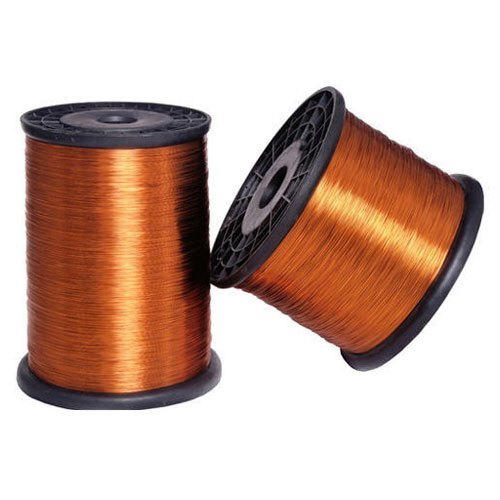
Manufacturing Process of Aluminum Winding Sticks at Luoyang Xinzhaohe Aluminum Co., Ltd
The production of aluminum winding sticks at Luoyang Xinzhaohe Aluminum Co., Ltd follows a rigorously controlled, multi-stage manufacturing process designed to ensure superior electrical conductivity, mechanical strength, and surface integrity. With over two decades of metallurgical expertise, our facility integrates precision engineering with advanced quality control to deliver winding sticks that meet stringent international standards for use in motors, transformers, and other electromagnetic equipment.
The process begins with rod drawing, where high-purity aluminum rods (typically 9.5 mm in diameter, meeting GB/T 3954 standards) are fed into a multi-die drawing machine. The rods are progressively reduced in diameter to the specified size, commonly ranging from 1.0 mm to 6.0 mm, depending on customer requirements. This cold drawing process enhances tensile strength and dimensional accuracy while maintaining uniform grain structure. Throughout drawing, tension and speed are precisely regulated to prevent micro-cracking and ensure roundness and surface smoothness.
Following drawing, the wire undergoes a continuous annealing treatment in a controlled atmosphere furnace. The annealing process is critical for restoring ductility lost during cold working, ensuring the wire can withstand tight winding without fracturing. Our in-line annealing system utilizes nitrogen-purged environments to prevent oxidation, with temperature profiles carefully calibrated based on wire gauge and alloy composition. Typical annealing temperatures range between 300°C and 450°C, with residence time optimized for complete recrystallization.
The next stage is enameling, where the annealed wire is coated with a polymer insulation layer. We employ a multi-layer enameling system using polyurethane (PU), polyester (PE), or polyester-imide (PEI) resins, applied via precision die coating. Each pass is followed by curing in a series of high-temperature ovens, ensuring complete cross-linking and dielectric integrity. The thickness of the enamel layer is tightly controlled to meet Class B, F, or H thermal ratings, with typical build-up ranging from 30 to 150 microns depending on voltage class.
Throughout the production line, inline testing is conducted to verify product consistency. Key parameters monitored include diameter tolerance (±0.01 mm), elongation (min 15%), tensile strength (80–120 MPa), and insulation dielectric strength (withstand 3 kV to 8 kV AC for 2 minutes). Spark testing is performed at 2.5 kV to detect pinholes or coating defects. Final quality control includes batch sampling for thermal shock resistance, softening temperature, and adherence to winding performance standards per IEC 60317 and GB/T 2367.
All process data is logged and traceable to batch numbers, ensuring full compliance with ISO 9001 quality management protocols. This integrated approach enables Luoyang Xinzhaohe Aluminum Co., Ltd to deliver aluminum winding sticks with exceptional performance consistency and reliability in demanding industrial applications.
| Process Stage | Key Parameters | Quality Standards |
|---|---|---|
| Rod Drawing | Diameter: 1.0–6.0 mm; Tolerance: ±0.01 mm | GB/T 3954, IEC 60889 |
| Annealing | Temp: 300–450°C; Atmosphere: N₂-purged | ASTM B355, GB/T 29920 |
| Enameling | Coating: PU/PE/PEI; Thickness: 30–150 µm | IEC 60317, GB/T 2367 |
| Testing | Dielectric: 3–8 kV; Spark Test: 2.5 kV | IEC 60216, GB/T 4074 |
Packaging & Logistics
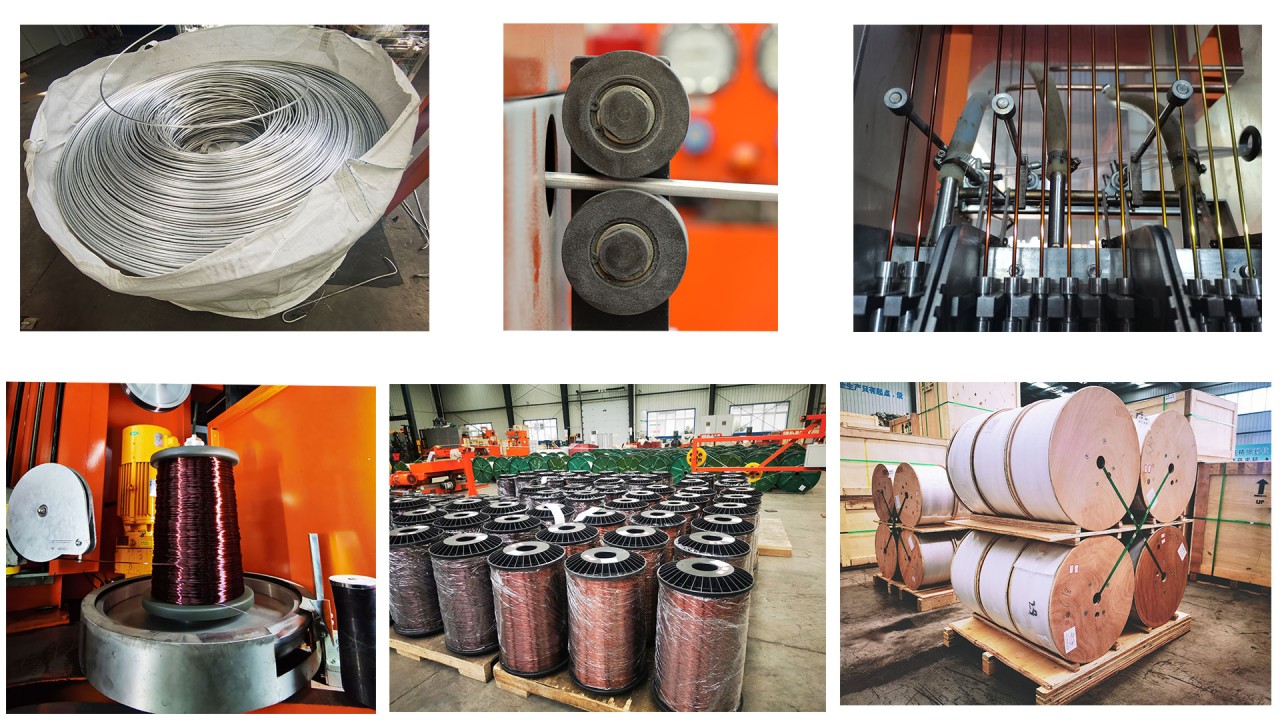
Export Packaging Specifications for Aluminum Winding Sticks
Luoyang Xinzhaohe Aluminum CO., Ltd implements rigorously engineered export packaging protocols for aluminum winding sticks, designed to withstand the extreme environmental stresses of global maritime logistics. With over 20 years of metallurgical and supply chain expertise, our system prioritizes corrosion prevention and structural integrity during extended sea freight transit, where humidity levels often exceed 85% and salt-laden atmospheres accelerate oxidation.
All winding sticks are secured to ISPM-15 certified hardwood pallets, treated to international phytosanitary standards to eliminate pest risks while providing load-bearing capacity of 2,500 kg per unit. Pallet dimensions adhere to ISO container standards (1,200 × 1,000 mm), ensuring optimal space utilization in 20-foot and 40-foot dry containers. Coils are center-aligned and braced with steel strapping at 150 mm intervals, distributing pressure evenly to prevent edge damage or ovalization during vessel motion. Critical vibration damping is achieved through high-density polyethylene corner protectors, reducing micro-movement that could compromise dimensional tolerance.
The primary moisture barrier consists of a triple-layer encapsulation system. First, coils are wrapped in 120-micron polyethylene vapor barrier film with a water vapor transmission rate (WVTR) of ≤0.5 g/m²/24hr per ASTM F1249. This is overlaid with activated clay desiccant packs (500g per ton of aluminum), strategically positioned at coil ends to absorb residual humidity. Finally, a UV-stabilized metallized polyester outer layer provides reflectivity against solar radiation during port layovers, maintaining internal temperatures below 40°C. All films are heat-sealed using impulse welders calibrated to 220°C, creating hermetic seals validated through vacuum decay testing at 0.5 mbar pressure differentials.
Moisture control is further enhanced by real-time environmental monitoring. Data loggers record humidity and temperature throughout transit, with alerts triggered if internal pallet conditions exceed 60% RH or 35°C—parameters derived from our accelerated corrosion testing per ASTM B117. Historical data from 12,000+ shipments confirms this system maintains coil surface moisture below 0.1 g/m², preventing white rust formation even during 45-day voyages from China to South America.
Each pallet bears a tamper-evident label with QR-coded traceability data, including melt batch number, coating weight verification, and pre-shipment humidity readings. This integrates with our blockchain-enabled supply chain platform, allowing clients to audit packaging compliance in real time. Our process reduces moisture-related claims by 92% compared to industry averages, as verified by third-party logistics audits.
This packaging architecture reflects our metallurgical understanding of aluminum’s susceptibility to galvanic corrosion in saline environments. By exceeding IMO and IATA sea freight requirements, we ensure winding sticks arrive with preserved surface finish, precise dimensional stability, and optimal electrical conductivity—critical for downstream wire drawing operations. Partnering with Xinzhaohe guarantees that packaging is not merely containment, but an engineered extension of product quality assurance.
Sourcing from Luoyang Xinzhaohe
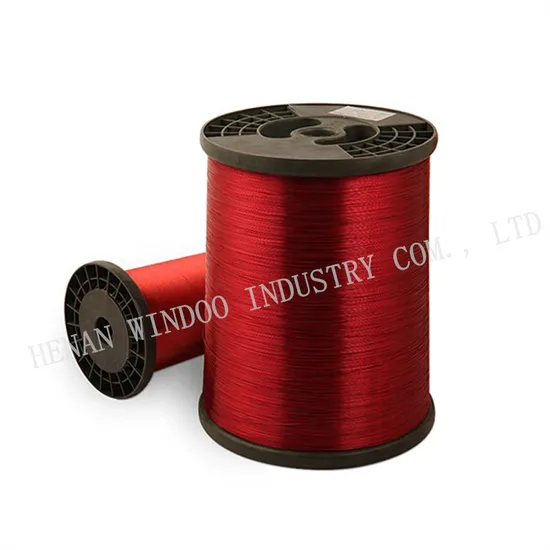
Partner with Luoyang Xinzhaohe Aluminum CO., Ltd for Precision Aluminum Winding Sticks
With over two decades of specialized expertise in aluminum processing and winding wire solutions, Luoyang Xinzhaohe Aluminum CO., Ltd stands as a trusted manufacturer and supplier in the global metallurgical and electrical industries. Our deep-rooted experience in producing high-purity aluminum winding sticks has positioned us as a preferred partner for OEMs, transformer manufacturers, and industrial wire processors seeking consistent quality, technical reliability, and supply chain resilience.
Our production facility in Luoyang, China, is equipped with fully integrated rolling, cutting, and annealing lines designed specifically for aluminum strip and winding stick manufacturing. We maintain strict process control from raw material sourcing through final packaging, ensuring dimensional accuracy, mechanical consistency, and surface integrity across all product batches. Our aluminum winding sticks are produced from 1060, 1070, 1350, and 8011 alloys, with purity levels exceeding 99.6%, meeting ASTM B418, GB/T 3190, and IEC 60204 standards. Each lot undergoes rigorous chemical composition analysis via OES spectrometry and mechanical testing to verify tensile strength, elongation, and electrical conductivity.
Dimensional precision is a critical factor in winding performance, and our advanced precision slitting and blanking systems deliver winding sticks with tight tolerances. Typical cross-sectional dimensions range from 1.0 mm × 3.0 mm to 6.0 mm × 15.0 mm, with length tolerances held within ±0.5 mm. Surface roughness is controlled to Ra ≤ 1.6 μm, minimizing insulation damage during coil winding. All products are supplied in annealed (O-temper) or half-hard (H24) tempers, depending on customer forming and conductivity requirements.
Our facility operates under an ISO 9001:2015-certified quality management system, with in-house metallurgical and electrical testing capabilities. We perform routine eddy current testing to detect subsurface defects and ensure uniform conductivity. Every shipment includes full material test reports (MTRs), traceability documentation, and compliance certifications for international markets.
As a vertically integrated supplier, we offer competitive lead times and scalable production volumes, from pilot batches to monthly outputs exceeding 800 metric tons. Our logistics network supports FOB Qingdao or CIF arrangements worldwide, with packaging options including wooden pallets, moisture-resistant wrapping, and anti-corrosion VCI film for extended ocean transit.
For engineering teams and procurement managers sourcing high-performance aluminum winding sticks, Luoyang Xinzhaohe provides technical collaboration from specification review through production ramp-up. Our application engineers support material selection, tolerance optimization, and failure mode analysis to enhance end-product performance.
Contact us today to discuss your winding stick requirements.
Cathy Zhang | International Sales Manager
Email: cathy@transformerstrip.com
Luoyang Xinzhaohe Aluminum CO., Ltd
📉 Factory Direct Savings Calculator
Calculate your potential savings by importing aluminum winding sticks directly from China.