


Table of Contents
Market Insight: Electrical Steel Laminations Manufacturer
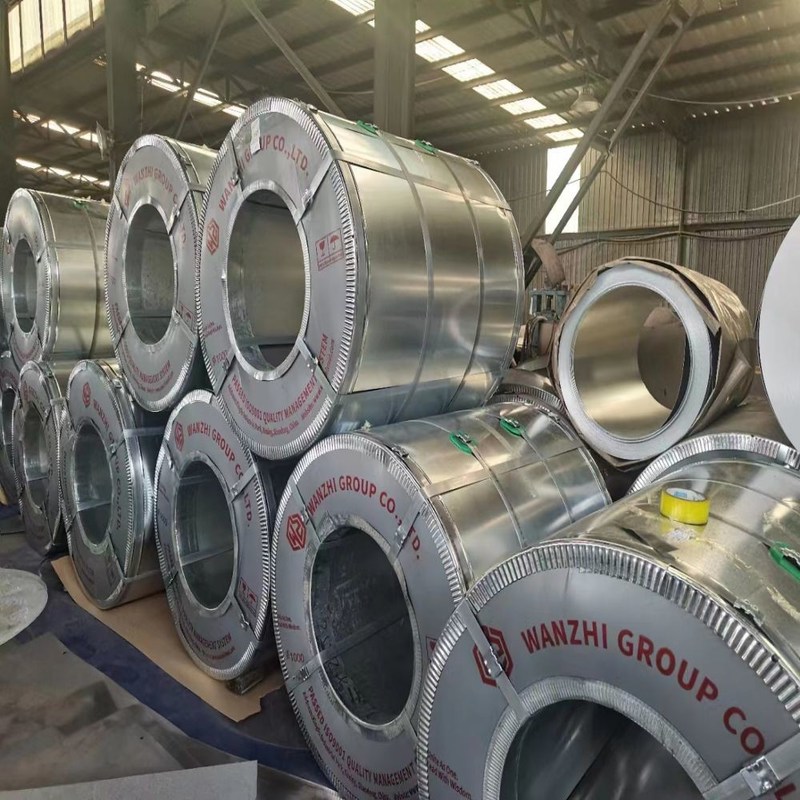
Market Analysis: Silicon Steel Demand Drivers in Power Transformer Manufacturing
Global demand for high-performance silicon steel laminations in power transformer manufacturing continues robust expansion, driven by escalating energy efficiency regulations and grid modernization initiatives. Stringent standards such as DOE 2016 in the United States and EU Ecodesign Directive 2019/1781 mandate significant reductions in no-load losses, directly increasing specifications for electrical steel core performance. This regulatory pressure, combined with the global push for renewable energy integration requiring extensive new substation infrastructure and grid stability upgrades, sustains strong demand for premium grain-oriented electrical steel (GOES) and non-oriented electrical steel (NOES) laminations. Transformer manufacturers face intense competitive pressure to deliver units meeting Tier 1 or Tier 2 efficiency levels, making the magnetic core—comprising 60-70% of the transformer’s total weight—the critical component determining compliance and operational cost-effectiveness over the asset’s 30+ year lifespan.
The paramount importance of silicon steel lamination quality cannot be overstated, as it fundamentally dictates transformer efficiency, thermal management, noise levels, and long-term reliability. Core losses, comprising hysteresis and eddy current losses, are intrinsically linked to the steel’s metallurgical properties and processing. High-quality GOES exhibits a sharply defined Goss texture (110)[001] crystallographic orientation, minimizing hysteresis loss by facilitating easier domain wall movement. Precise control of silicon content (typically 2.9-3.3% for high-grade GOES), tight thickness tolerances (±0.005mm), and uniform insulating coatings are non-negotiable for achieving target core loss values (e.g., P1.7/50 ≤ 0.80 W/kg for M4 grade). Inferior material with inconsistent grain structure, excessive carbon/sulfur impurities, or poor coating adhesion results in elevated core losses, directly increasing operational costs through wasted energy. A mere 0.1 W/kg increase in core loss across a large distribution transformer fleet translates to substantial annual energy waste and carbon emissions.
Furthermore, lamination quality directly impacts manufacturing yield and field performance. Dimensional inaccuracies in blanked laminations cause poor stacking factors (<97%), increasing the magnetic path length and exacerbating losses. Inadequate interlaminar insulation resistance leads to interlaminar short circuits, creating localized hot spots that accelerate insulation degradation and risk catastrophic failure. Surface defects or residual stresses from improper slitting introduce magnetic anisotropy, distorting the flux path and increasing audible noise levels—often exceeding contractual limits in residential areas. Transformer manufacturers bear significant financial risk from substandard laminations, including rework costs, warranty claims, and reputational damage. Consequently, leading OEMs rigorously qualify suppliers through extensive testing protocols, including Epstein frame core loss measurements per IEC 60404-2, coating weight analysis, and magnetostriction characterization. Partnering with a silicon steel specialist possessing deep metallurgical expertise and stringent process controls, such as Luoyang Xinzhaohe Aluminum Co., Ltd. with over two decades of focused production, is essential to mitigate these risks and ensure transformers meet evolving global efficiency and reliability benchmarks. The total cost of ownership is irrevocably tied to the foundational quality of the electrical steel core.
Technical Specs: Electrical Steel Laminations Manufacturer
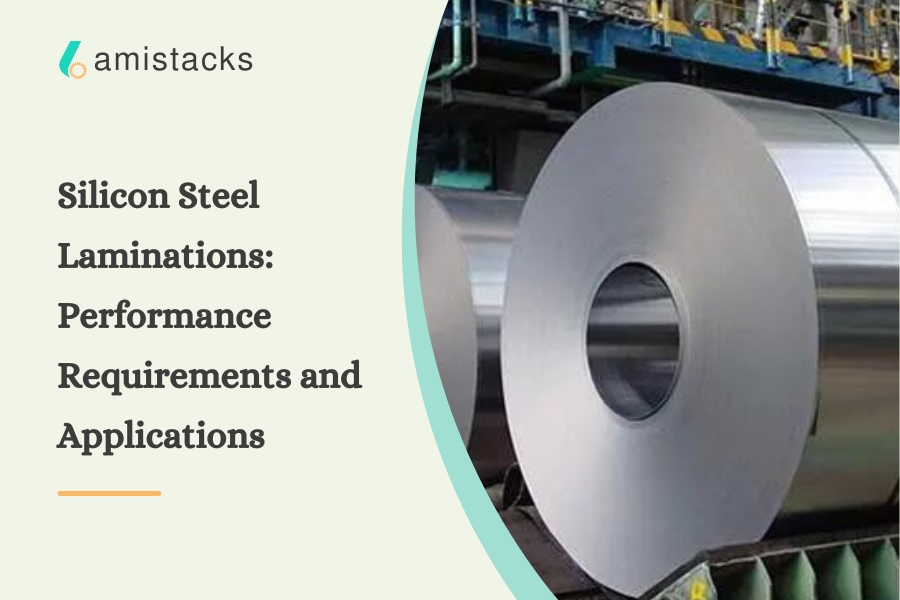
Technical Specifications for Electrical Steel Laminations
Luoyang Xinzhaohe Aluminum Co., Ltd. provides high-performance silicon steel (electrical steel) laminations engineered for precision applications in motors, transformers, generators, and other electromagnetic devices. Our manufacturing process adheres to international standards, ensuring consistent material properties and dimensional accuracy. The performance of electrical steel laminations is primarily determined by three critical parameters: core loss (iron loss), magnetic flux density, and flatness. These factors directly influence the efficiency, thermal behavior, and operational reliability of electromagnetic components.
Core loss, also referred to as iron loss, is a key efficiency indicator in alternating magnetic fields. It consists of hysteresis loss, eddy current loss, and anomalous loss. Lower core loss translates into reduced heat generation and higher energy efficiency. Our non-oriented and grain-oriented silicon steel laminations are optimized to minimize total core loss under standard test conditions (typically at 1.0 T and 1.5 T flux density with frequencies of 50 Hz or 60 Hz). We offer materials with core loss values ranging from 2.0 W/kg to 6.0 W/kg depending on grade, thickness, and application requirements. Thinner gauges (e.g., 0.23 mm, 0.27 mm, 0.30 mm) are available for high-frequency applications where eddy current suppression is critical.
Magnetic flux density (B) defines the magnetic saturation capability of the material. Higher flux density enables compact core designs with improved power density. Our electrical steel laminations achieve nominal flux densities between 1.6 T and 2.0 T at standard excitation levels (e.g., 5000 A/m). Grain-oriented grades exhibit superior directional magnetic performance, making them ideal for transformer cores, while non-oriented grades provide isotropic magnetic behavior suitable for rotating machinery. All materials undergo rigorous magnetic testing using Epstein frames or Single Sheet Testers (SST) to ensure compliance with specified B-H characteristics.
Flatness is essential for achieving tight stacking tolerances and minimizing air gaps in laminated cores. Poor flatness leads to increased reluctance, localized heating, and vibration noise. Our production line incorporates precision leveling and stress-relief annealing to achieve flatness deviations of less than 2 mm over a 1000 mm span. Surface roughness is controlled within 0.8–1.6 μm Ra to balance interlaminar insulation and stacking factor.
The following table summarizes key technical parameters for our standard electrical steel lamination offerings:
| Parameter | Specification Range | Test Standard | Notes |
|---|---|---|---|
| Core Loss (P1.5/50) | 2.0 – 6.0 W/kg | IEC 60404-2 | Non-oriented grades |
| Core Loss (P1.7/50) | 0.8 – 1.2 W/kg | IEC 60404-2 | Grain-oriented grades |
| Magnetic Flux Density (B5000) | 1.60 – 2.03 T | IEC 60404-4 | Measured at 5000 A/m |
| Thickness Tolerance | ±0.02 mm to ±0.05 mm | IEC 60404-9 | Based on nominal gauge |
| Flatness Deviation | ≤ 2 mm / 1000 mm | Internal QC Protocol | After annealing |
| Surface Insulation Resistance | ≥ 5 Ω·cm² | ASTM A717 | For coated grades |
| Stacking Factor | 96% – 98% | Calculated | Depends on coating and flatness |
All laminations are available with insulating coatings (e.g., C3, C4, or laser-scribed) to enhance interlaminar resistance and reduce eddy current losses. Custom specifications can be developed to meet OEM performance targets.
Factory Tour: Manufacturing
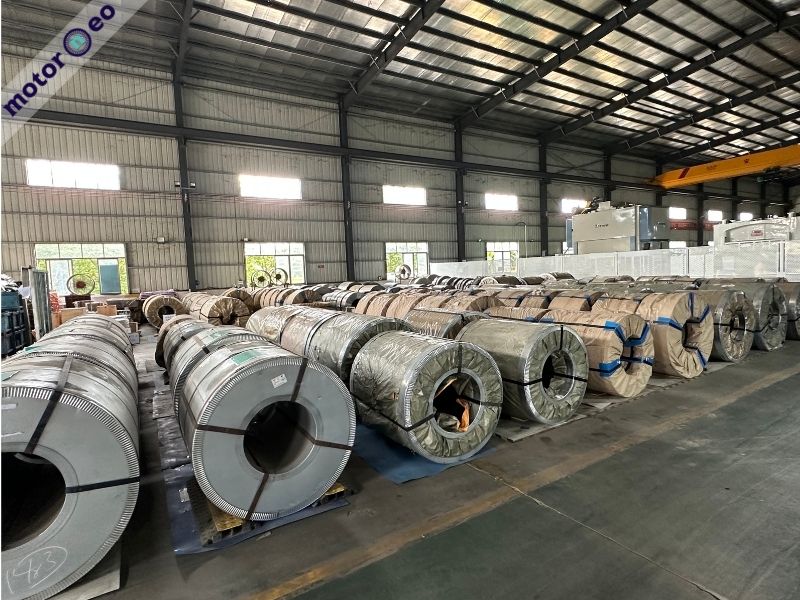
Electrical Steel Lamination Production Process Overview
Luoyang Xinzhaohe Aluminum Co., Ltd leverages over two decades of specialized expertise in silicon steel processing to deliver high-performance electrical steel laminations. Our integrated manufacturing sequence ensures optimal magnetic properties, dimensional precision, and insulation integrity critical for efficient motor and transformer cores. The core process flow comprises four rigorously controlled stages.
Slitting initiates production, converting master coils of non-oriented or grain-oriented electrical steel into precise strip widths required for subsequent lamination stamping. We employ high-tension precision slitters with laser-guided edge control systems. This minimizes edge burr formation (< 5µm) and maintains consistent strip width tolerance (±0.05mm), preventing winding issues and core vibration in the final assembly. Real-time laser micrometry verifies width accuracy, with automatic feedback adjusting blade positioning.
Annealing follows slitting to relieve mechanical stresses induced during prior cold rolling and the slitting operation itself. Stress relief is paramount for restoring optimal magnetic permeability and minimizing core loss (W/kg). Our continuous annealing lines operate under strictly controlled protective atmospheres, typically a nitrogen-hydrogen mix, to prevent surface oxidation. Critical parameters are maintained per material grade:
| Parameter | Typical Range | Control Tolerance |
|---|---|---|
| Temperature | 780°C – 820°C | ±5°C |
| Dwell Time | 90 – 150 seconds | ±2 seconds |
| Atmosphere Dew Point | -40°C to -60°C | ±2°C |
Post-annealing, insulation coating is applied to each lamination surface. This critical dielectric layer prevents interlaminar eddy currents, significantly reducing core losses. We utilize proprietary ceramic-based or organic-inorganic hybrid coatings applied via precision roll coaters. Coating weight is meticulously controlled (typically 0.8 – 1.5 g/m² per side) using in-line gravimetric monitoring. Uniformity and adhesion are verified through peel tests and surface resistivity measurements (> 50 Ω·cm²), ensuring long-term stability under operational thermal cycling.
Precision cutting forms the final laminations using high-speed progressive or compound dies in hydraulic or mechanical presses. Tooling is maintained to micron-level tolerances (±0.02mm on critical features), and press parameters are dynamically monitored. Stamping occurs under strict environmental controls to prevent dimensional drift. Each lamination undergoes 100% automated optical inspection (AOI) for burrs, dimensional accuracy, and coating integrity immediately post-stamping. Final QC includes destructive sampling for Epstein frame testing per IEC 60404-2 to validate core loss (P1.5/50) and magnetic polarization (J5000), alongside stack factor verification on representative core segments.
This integrated process, governed by comprehensive statistical process control (SPC) at every stage, guarantees laminations meeting stringent international standards and the demanding efficiency requirements of modern electrical machinery.
Packaging & Logistics
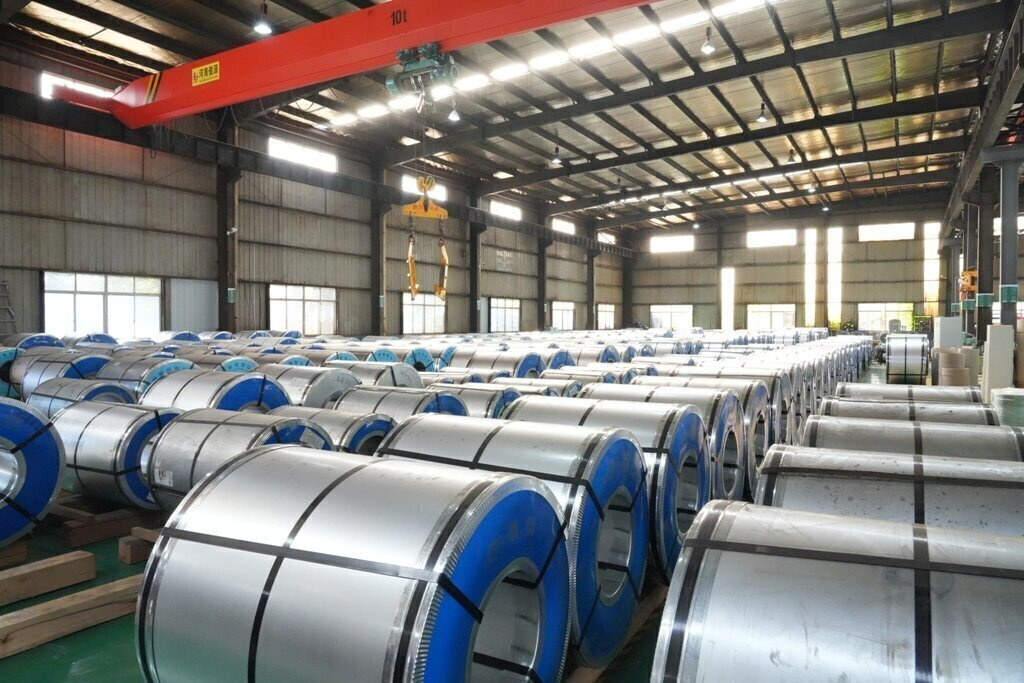
Export Packaging for Silicon Steel Laminations – Luoyang Xinzhaohe Aluminum Co., Ltd
At Luoyang Xinzhaohe Aluminum Co., Ltd, with over two decades of specialization in silicon steel (electrical steel) production and processing, we maintain rigorous standards in export packaging to ensure product integrity during international transit. Given the sensitivity of electrical steel laminations to mechanical stress, moisture, and environmental contamination, our packaging methodology is engineered to meet the demands of long-haul sea freight, the predominant mode of global shipment for heavy industrial materials.
All silicon steel lamination shipments are secured on high-load-bearing wooden pallets constructed from kiln-dried, ISPM-15 certified hardwood. These pallets are designed to support unit weights of up to 5 metric tons, ensuring structural stability during container stacking and port handling. The laminations are uniformly stacked with interlayer reinforcement where necessary to prevent edge deformation or warping. Each layer is aligned and compressed to minimize internal movement, and the entire load is affixed using high-tensile steel strapping anchored directly to the pallet frame. This secure strapping configuration resists dynamic forces encountered during vessel motion and crane operations.
A critical component of our packaging system is the multi-layer moisture-proof barrier. Immediately after stacking, the load is wrapped in industrial-grade, vapor-corrosion-inhibiting (VCI) polyethylene film. This film provides a dual function: it acts as a physical barrier against ambient humidity and releases corrosion-inhibiting molecules that protect ferrous surfaces at the molecular level. The wrapping process is executed under controlled humidity conditions to prevent trapping residual moisture. The film is heat-sealed at all seams and extends fully over the top and sides, with a minimum overlap of 200 mm to ensure continuity.
For additional environmental protection, especially in tropical or high-salinity maritime routes, we apply an outer layer of UV-resistant shrink wrap. This secondary encapsulation shields against condensation (common in containerized sea transport due to temperature fluctuations) and prevents water ingress during rain exposure or deck washing. The sealed package also deters dust and particulate contamination, which can compromise lamination insulation performance.
Each packaged unit is labeled with durable, weather-resistant tags indicating product specifications, batch number, net/gross weight, handling instructions, and destination details. Pallets are marked with internationally recognized symbols for “Top Load Only,” “Do Not Invert,” and “Protect from Moisture” to guide port logistics personnel.
Our packaging protocol is validated through accelerated climatic testing and real-world shipment monitoring across key trade lanes, including trans-Pacific and trans-Indian Ocean routes. This ensures compliance with ISO 1496-2 container standards and IEC moisture resistance benchmarks for electrical steel components.
By integrating structural robustness with advanced moisture mitigation, Luoyang Xinzhaohe Aluminum Co., Ltd guarantees that silicon steel laminations arrive at their destination in factory-fresh condition, ready for precision stamping, stacking, and integration into motors, transformers, and other critical electromagnetic applications.
Sourcing from Luoyang Xinzhaohe
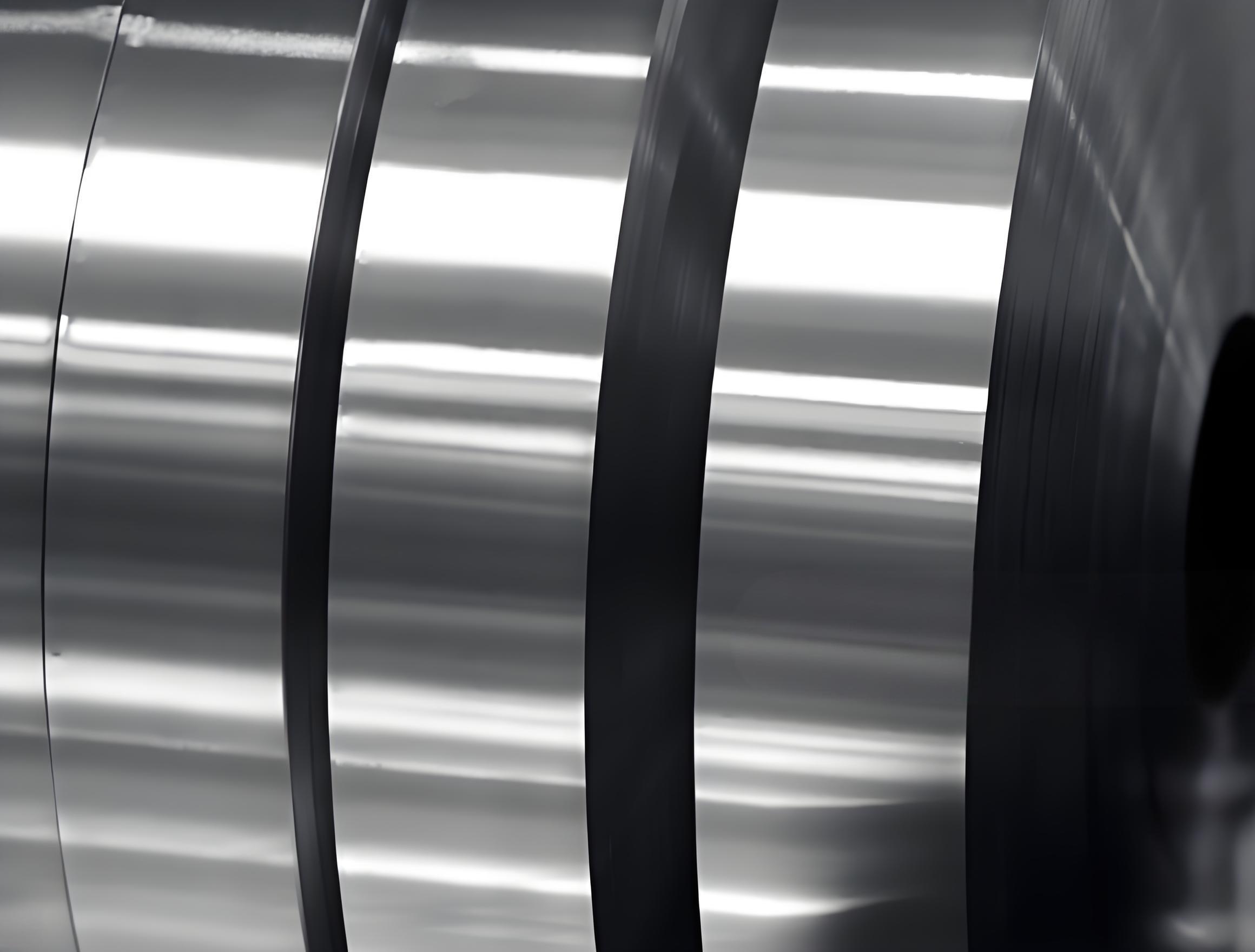
Partner with Luoyang Xinzhaohe: Your Precision Electrical Steel Laminations Source
Luoyang Xinzhaohe Aluminum Co., Ltd leverages over two decades of specialized metallurgical expertise and integrated supply chain management to deliver premium silicon steel laminations for critical power applications. Our core strength lies in the precise control of material properties from raw coil to finished lamination, ensuring optimal magnetic performance and dimensional stability for transformer and motor cores. We specialize in non-oriented (NO) and grain-oriented (GO) electrical steel grades, including M4, M5, M6, and customized formulations meeting IEC 60404-8-7 and ASTM A664 standards, with guaranteed core loss (W15/50) and permeability specifications.
Our vertically integrated production facility features state-of-the-art continuous annealing lines and precision tension-leveling systems critical for achieving tight tolerances. We maintain strict process control over key parameters including coating weight (MgO or C5 insulating coatings), stacking factor (>97%), and surface roughness (Ra 0.5-1.2µm). Lamination punching and stacking operations utilize high-speed progressive dies with tooling accuracy held to ±0.005mm, minimizing burr formation and ensuring consistent interlaminar resistance. All production stages adhere to ISO 9001:2015 and IATF 16949 quality management systems, with 100% in-process thickness verification via laser micrometers and final product validated through certified third-party magnetic property testing.
Supply chain resilience is engineered into our operations. Our dedicated 15,000 MT monthly production capacity for silicon steel strip (0.23mm to 0.65mm thickness) eliminates raw material bottlenecks, while strategic partnerships with major Chinese steel mills guarantee priority access to high-purity low-carbon base materials. We implement JIT delivery protocols with containerized logistics management, reducing lead times to 25-35 days for bulk orders without compromising traceability. Each shipment includes full material test reports (MTRs) documenting chemical composition, mechanical properties, and core loss data per customer specifications.
Partnering with Xinzhaohe mitigates technical and operational risks inherent in electrical steel sourcing. Our engineering team collaborates directly with clients during the design phase to optimize lamination geometry for manufacturability and magnetic efficiency, preventing costly iterations. We maintain rigorous non-conformance protocols with root cause analysis completed within 72 hours of issue identification. This commitment to precision metallurgy and responsive supply chain execution has established us as the preferred supplier for Tier-1 transformer manufacturers across Europe and Southeast Asia seeking consistent quality and technical accountability.
For lamination projects demanding adherence to the most stringent electrical performance criteria, contact our technical sourcing team to discuss material certification, prototyping support, and volume production scheduling. Cathy Zhang provides direct engineering liaison services at cathy@transformerstrip.com to address your specific silicon steel requirements.
📉 Factory Direct Savings Calculator
Calculate your potential savings by importing electrical steel laminations manufacturer directly from China.