

Table of Contents
Market Insight: Copper Wire For Transformer Winding
Market Analysis: Copper Wire for Transformer Winding
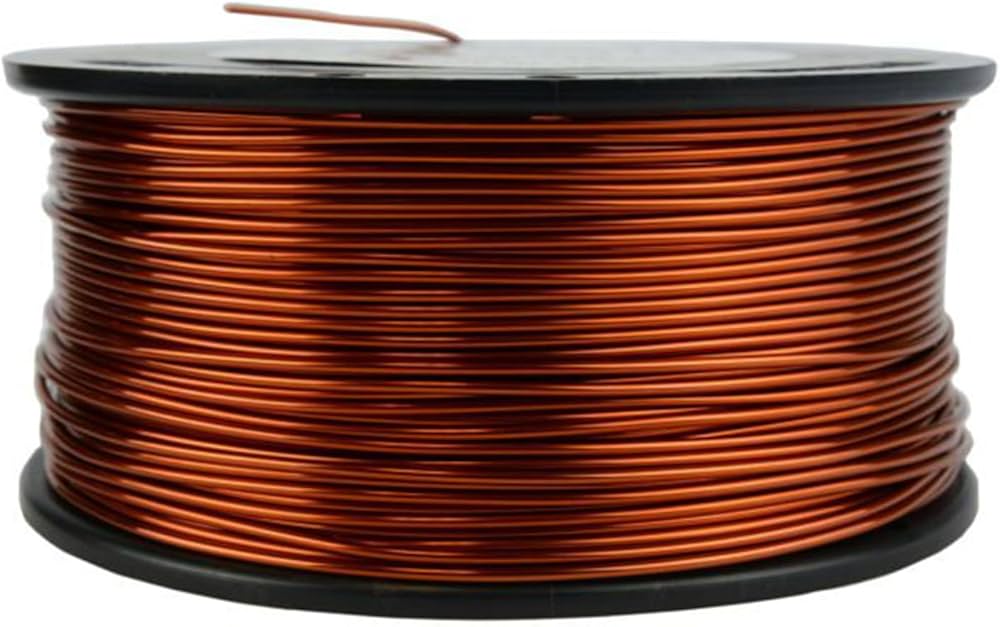
The global demand for copper wire used in transformer winding remains a cornerstone of the electrical power infrastructure sector. As energy transmission and distribution networks expand—particularly in emerging economies—and as renewable energy integration accelerates, the need for reliable, high-efficiency transformers has intensified. Copper wire, due to its superior electrical conductivity, mechanical strength, and thermal stability, continues to be the preferred conductor material in both distribution and power transformers. The industrial demand is driven by utility-scale projects, industrial manufacturing facilities, data centers, and smart grid development, all of which require transformers with consistent performance under variable load conditions.
Copper’s high conductivity (approximately 100% IACS) ensures minimal resistive losses, directly contributing to transformer efficiency. This is particularly critical in meeting international energy efficiency standards such as IEC 60076 and DOE 2016 regulations, which mandate lower no-load and load losses. As a result, transformer manufacturers prioritize high-purity electrolytic tough pitch (ETP) copper (Cu-ETP, C11000) with oxygen content tightly controlled between 0.02% and 0.04%. Any deviation in chemical composition or the presence of non-metallic inclusions can compromise conductivity and long-term reliability.
Mechanical properties are equally vital. During the winding process, copper wire undergoes significant plastic deformation as it is coiled into tight geometries within transformer bobbins. The wire must exhibit uniform tensile strength, elongation, and bendability to prevent cracking, breakage, or deformation under stress. Inconsistencies in temper—whether the wire is supplied in hard, semi-hard, or soft drawn condition—can lead to winding defects, increased scrap rates, and field failures. Therefore, precise control over drawing parameters, annealing profiles, and surface finish is essential to ensure dimensional accuracy and smooth processing on high-speed winding machines.
Thermal performance under operational conditions further underscores the importance of wire quality. Transformers experience cyclic loading, leading to repeated thermal expansion and contraction. Poor-quality copper with internal voids or residual stresses may develop microcracks over time, increasing resistance and creating hotspots. These conditions accelerate insulation degradation and can lead to premature transformer failure. High-quality copper wire with a clean, oxide-free surface ensures optimal adhesion to insulating varnishes and enamel coatings, maintaining dielectric integrity throughout the transformer’s service life, which often exceeds 25 years.
From a supply chain perspective, consistency in material certification, traceability, and adherence to international standards (ASTM B3, IEC 60122) is non-negotiable. Transformer manufacturers require long-term reliability and minimal process variation, making supplier qualification a rigorous process. Luoyang Xinzhaohe Aluminum Co., Ltd, with over two decades of experience in conductor materials, emphasizes metallurgical precision, process control, and quality assurance to meet the stringent demands of the transformer industry. While aluminum is increasingly used in certain applications for cost and weight reduction, copper remains the benchmark for performance-critical transformer windings where efficiency, durability, and safety are paramount.
Technical Specs: Copper Wire For Transformer Winding
Technical Specifications for Copper Wire in Transformer Winding
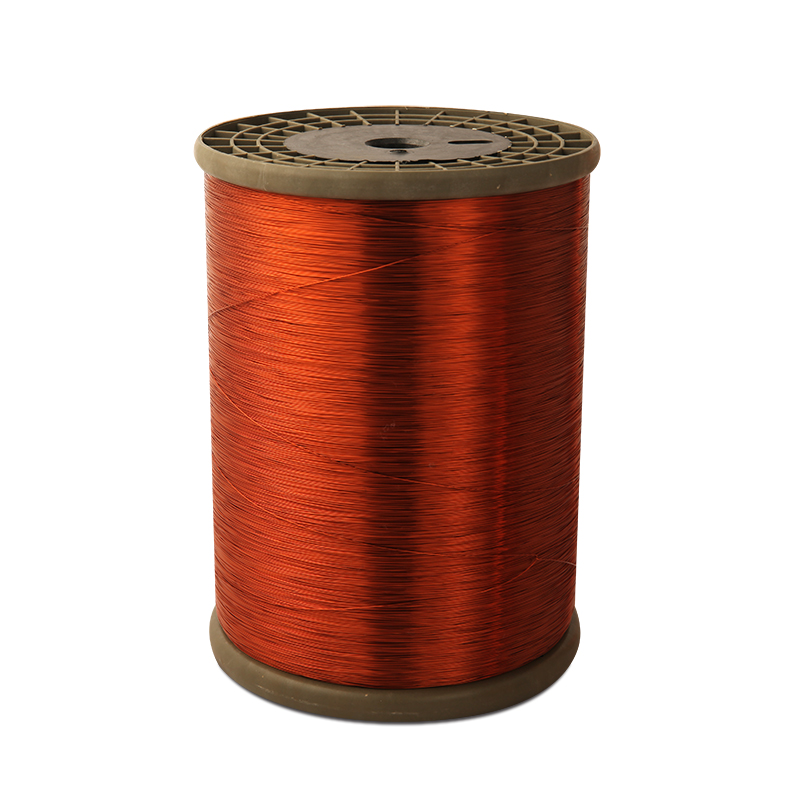
Luoyang Xinzhaohe Aluminum Co., Ltd leverages two decades of metallurgical and supply chain expertise to establish critical technical benchmarks for copper winding wire, despite our core specialization in aluminum products. This reflects our comprehensive understanding of conductor material science within power transmission systems. For transformer windings, electrolytic tough pitch (ETP) copper per ASTM B3/B359 or IEC 600839-3-1 is the industry standard due to its superior conductivity and reliability. Precise adherence to electrical, mechanical, and thermal parameters is non-negotiable for transformer longevity and safety, directly impacting dielectric integrity, winding manufacturability, and operational thermal endurance.
Insulation breakdown voltage is paramount for preventing catastrophic inter-turn or layer-to-layer faults. The enamel insulation must consistently withstand a minimum AC test voltage of 3.0 kV RMS for 1 minute without failure, as verified per IEC 60317-0-2. This baseline ensures resilience against transient overvoltages during service. However, premium applications, particularly in high-voltage or critical infrastructure transformers, often mandate breakdown voltages exceeding 5.0 kV. Elongation, measured per ASTM E8 or IEC 60468, directly influences wire drawability and resistance to mechanical stress during coil winding. A minimum elongation of 10% is essential to prevent breakage under tension, but optimal range for robust manufacturing processes is 15-30%. Values below 10% significantly increase winding defects and scrap rates, while excessively high elongation may compromise tensile strength needed for tight coil formation.
Thermal class defines the maximum continuous operating temperature the insulation system can endure without unacceptable degradation. Transformer winding wires typically range from Class 130°C (B) to Class 220°C (C). Common classes include 155°C (F) using polyester-imide, 180°C (H) using polyamide-imide, and 200-220°C using advanced polyimide or ceramic-loaded formulations. Selecting the appropriate class is critical; underspecification accelerates insulation embrittlement and reduces transformer life, while overspecification increases material cost unnecessarily. Complementary parameters include electrical resistivity (max 0.017241 Ω·mm²/m at 20°C per IEC 60028), precise dimensional tolerances (±0.003 mm for diameters <1.0 mm), and smooth surface finish to prevent insulation damage during winding.
Rigorous third-party certification against IEC 60317 series standards is mandatory. Suppliers must provide valid test reports for every production batch, not just type tests. Field failures often trace back to inconsistent elongation or insufficient breakdown voltage margins. Procurement must prioritize suppliers with documented process controls for enamel application uniformity and copper purity (min 99.90% Cu+Ag).
Critical Parameters for Copper Winding Wire
| Parameter | Requirement | Test Standard | Notes |
|---|---|---|---|
| Insulation Breakdown Voltage | ≥ 3.0 kV AC (1 min) | IEC 60317-0-2 | Minimum baseline; 5.0+ kV preferred for HV/critical applications |
| Elongation | 10% min (15-30% optimal) | ASTM E8 / IEC 60468 | Critical for winding process yield; <10% causes excessive wire breaks |
| Thermal Class | 130°C (B) to 220°C (C) | IEC 60317 series | Match to transformer design life & cooling; e.g., 180°C (H) common for distribution |
| Electrical Resistivity | ≤ 0.017241 Ω·mm²/m @ 20°C | IEC 60028 | Confirms ETP copper purity; higher values indicate impurities |
| Dimensional Tolerance | ±0.003 mm (diameter <1.0 mm) | IEC 60122-1 | Tighter tolerances essential for high fill factor windings |
| Copper Purity | ≥ 99.90% Cu + Ag | ASTM B193 | Verifiable via certified mill test reports |
Factory Tour: Manufacturing
Manufacturing Process of Copper Wire for Transformer Winding
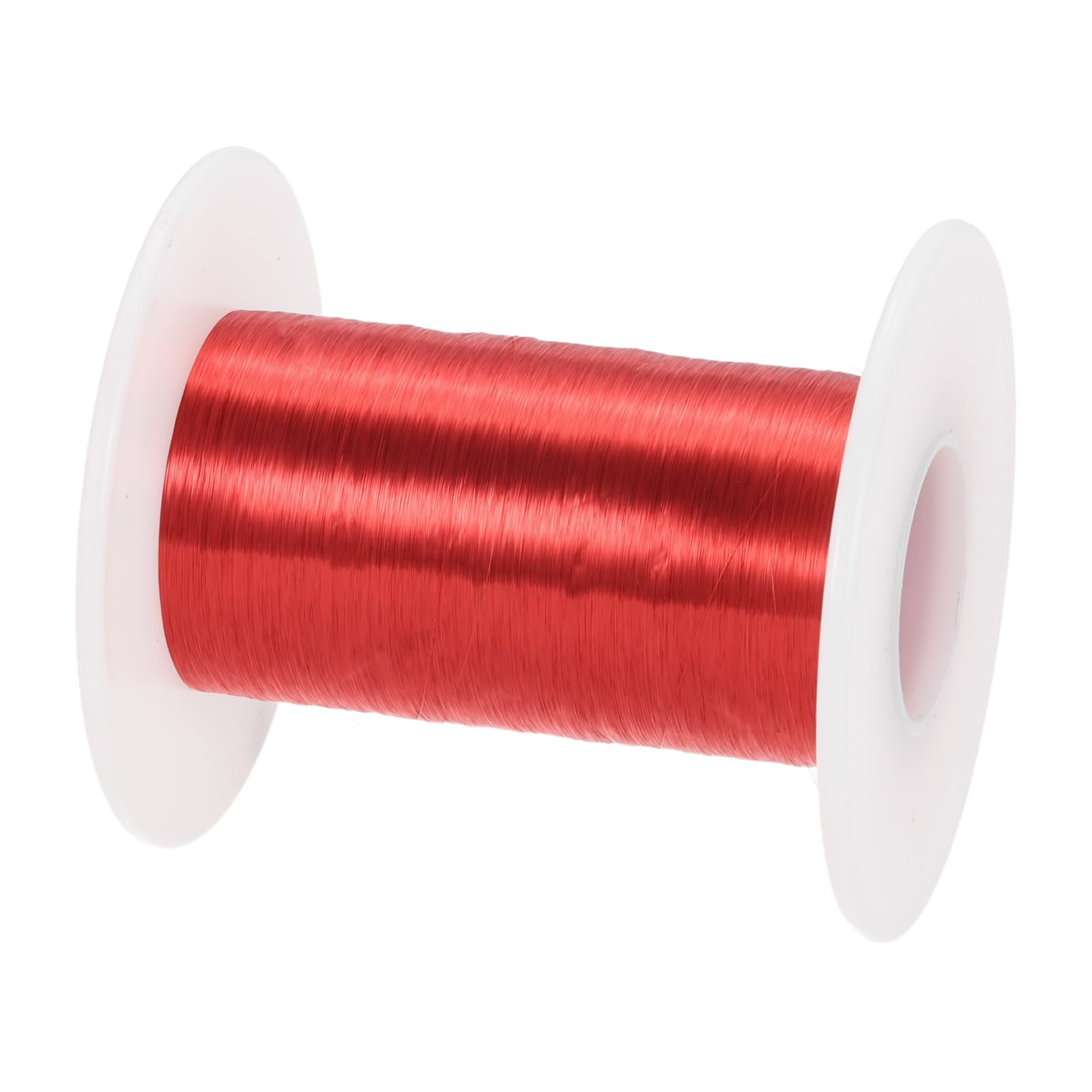
The production of high-performance copper wire for transformer winding at Luoyang Xinzhaohe Aluminum Co., Ltd follows a tightly controlled, multi-stage manufacturing sequence designed to ensure optimal electrical conductivity, mechanical strength, and dielectric integrity. With over 20 years of metallurgical and industrial process expertise, our facility integrates precision engineering with stringent quality assurance throughout the production chain, beginning with high-purity copper rod and culminating in fully tested enameled winding wire.
The process initiates with rod drawing, where 8 mm diameter electrolytic tough pitch (ETP) copper rods, conforming to ASTM B3 and IACS conductivity standards (>100.5%), are fed into a multi-die continuous drawing machine. The rod is progressively reduced in diameter—typically to sizes ranging from 0.5 mm to 2.5 mm—under controlled tension and lubrication. Water-based drawing emulsions ensure surface cleanliness and minimize work hardening. Diameter consistency is maintained within ±0.002 mm through laser micrometer feedback systems, ensuring dimensional accuracy critical for tight winding applications.
Following drawing, the wire undergoes a vertical or horizontal continuous annealing process. The wire passes through an induction-heated inert atmosphere furnace (nitrogen-purged) at temperatures between 450°C and 550°C, restoring ductility and achieving a fully recrystallized microstructure. This step ensures elongation values exceed 35% while maintaining tensile strength within the optimal range of 200–250 MPa. Oxygen content is kept below 10 ppm to prevent internal oxidation and ensure long-term reliability under thermal cycling.
The annealed wire is then transferred directly to the enameling line, where multiple layers of thermosetting polymer insulation are applied via precision die coating. Common insulation systems include polyurethane (PU), polyester-imide (PEI), and polyamide-imide (PAI), selected based on thermal class requirements (up to Class 200). Each coat is cured in a series of high-temperature ovens (280–520°C), with film thickness controlled to ±2 µm. Dual-layer systems (e.g., PEI/PAI) are applied for enhanced thermal stability and dielectric performance.
Throughout the enameling stage, inline quality monitoring systems continuously assess critical parameters. These include spark testing at 1.5–3 kV to detect pinholes, diameter measurement via laser gauges, and tension control to prevent insulation damage. Final QC includes batch sampling for dielectric breakdown voltage (minimum 6 kV), thermal shock resistance (tested at 200°C), and solderability (at 380°C). All process data is logged for traceability, ensuring compliance with ISO 9001 and IEC 60317 standards.
This integrated manufacturing approach ensures consistent production of copper winding wire that meets the demanding electrical, thermal, and mechanical requirements of modern transformer applications.
Packaging & Logistics
Export Packaging Protocol for Copper Winding Wire: Ensuring Integrity During Sea Freight
Luoyang Xinzhaohe Aluminum CO., Ltd implements rigorously engineered export packaging protocols specifically designed to safeguard copper wire for transformer winding against the unique hazards of international sea freight. Our 20+ years of metallurgical and supply chain expertise confirm that inadequate packaging is a primary cause of in-transit degradation, leading to surface oxidation, dimensional instability, and compromised electrical performance upon arrival. We prioritize structural integrity and moisture exclusion as non-negotiable requirements for preserving wire quality across extended ocean voyages characterized by salt-laden air, significant humidity fluctuations, and temperature variations inducing container “cargo sweat.”
All copper wire coils are secured onto robust, kiln-dried hardwood pallets meeting ISPM 15 international phytosanitary standards. These pallets provide essential mechanical stability during handling and stacking while preventing moisture migration from the wood substrate into the sensitive copper product. The pallet construction adheres to the following critical specifications:
| Parameter | Specification | Purpose |
|---|---|---|
| Dimensions | 1200 mm x 1000 mm (Standard EUR) | Ensures compatibility with global logistics infrastructure |
| Load Capacity | Minimum 2500 kg | Supports multi-coil stacking without deformation |
| Wood Treatment | ISPM 15 Certified Heat Treatment | Eliminates pest risk; achieves ≤ 20% moisture content |
| Surface Finish | Smooth, splinter-free | Prevents damage to protective film layers |
The core protection mechanism is a multi-layer moisture barrier system applied directly over the wound coil. We utilize a proprietary sequence of high-density polyethylene films engineered for marine environments. The primary inner layer features a specialized adhesive coating ensuring complete conformity to the coil’s complex geometry, eliminating air pockets where condensation could form. This is followed by a critical vapor barrier layer with a water vapor transmission rate (WVTR) consistently below 0.1 g/m²/day, significantly exceeding standard industrial films. An outer abrasion-resistant layer provides defense against physical impacts and handling during port operations. All film seams are hermetically sealed using industrial-grade thermal welding, creating a continuous, impermeable enclosure. This system actively combats the pervasive threat of hygroscopic moisture absorption, which accelerates copper oxidation and can lead to increased DC resistance and reduced transformer efficiency.
Our packaging methodology is validated through accelerated climate chamber testing simulating 45-day ocean transits under 95% RH and 40°C conditions. Results consistently demonstrate negligible moisture ingress and zero measurable surface oxidation on protected samples, whereas inadequately packaged controls exhibit significant degradation. We mandate strict adherence to this protocol across all export shipments, recognizing that the electrical integrity of the copper winding wire – fundamental to transformer performance and lifespan – is irrevocably tied to its condition upon delivery. This engineering-focused approach minimizes cargo claims, ensures seamless production integration for our clients, and upholds the metallurgical quality standards Luoyang Xinzhaohe Aluminum CO., Ltd guarantees for every shipment. Safe sea freight for copper conductors is not an operational detail; it is a critical component of product performance assurance.
Sourcing from Luoyang Xinzhaohe
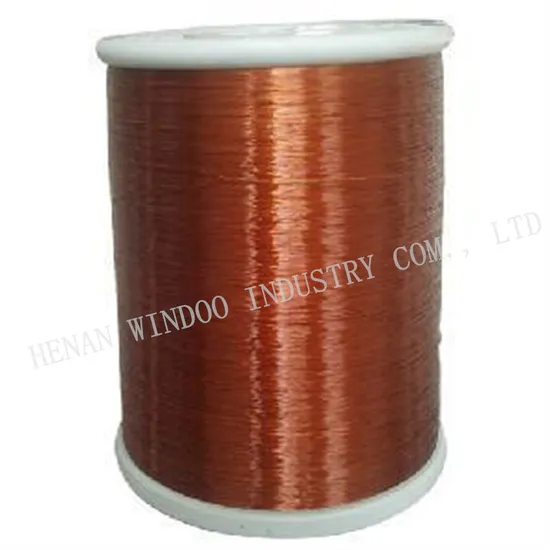
Partner with Luoyang Xinzhaohe for High-Performance Copper Wire in Transformer Winding Applications
At Luoyang Xinzhaohe Aluminum Co., Ltd, we bring over two decades of specialized metallurgical and manufacturing expertise to the production of high-conductivity copper wire for transformer winding. As a vertically integrated industrial supplier, our facility is engineered to deliver precision-engineered winding wire that meets the rigorous demands of power, distribution, and specialty transformers used in industrial, renewable energy, and utility infrastructure applications.
Our manufacturing platform is anchored in advanced continuous casting and rolling technology, ensuring uniform grain structure and optimal electrical conductivity in every batch of copper wire produced. We operate under strict ISO 9001-certified quality management protocols, with in-line monitoring systems that track tensile strength, elongation, diameter tolerance, and surface finish in real time. This enables us to consistently achieve conductivity levels exceeding 100% IACS, with tight dimensional control down to ±0.01 mm, critical for high-density winding and thermal reliability in transformer cores.
The factory is equipped with fully automated wire drawing lines, annealing furnaces with controlled atmosphere processing, and precision spooling systems that minimize oxidation and mechanical defects. All copper feedstock is sourced from refined, oxygen-free (OFHC) billets, traceable to certified suppliers, ensuring low impurity content and superior thermal cycling performance. Our process control includes eddy current testing, micro-resistance mapping, and mechanical property validation across every production lot.
Beyond material integrity, Luoyang Xinzhaohe provides technical collaboration for custom specifications, including rectangular and profiled wire geometries, insulation coating compatibility, and tailored temper profiles for cold-climate or high-load environments. Our R&D team works closely with transformer OEMs to optimize wire performance in relation to winding stress, short-circuit resistance, and load loss reduction.
With an annual production capacity exceeding 15,000 metric tons and a logistics network supporting global containerized shipments, we offer scalable supply continuity backed by rigorous on-time delivery performance. Our export experience spans North America, Southeast Asia, the Middle East, and Europe, where compliance with IEC 60317, ASTM B3, and GB/T 3953 standards is routinely validated by third-party inspection.
For sourcing managers and engineering procurement teams, partnering with Luoyang Xinzhaohe means access to stable pricing, technical accountability, and long-term supply resilience in a volatile raw material market.
Contact us today to discuss your copper winding wire requirements.
Cathy Zhang | International Sales Manager
Email: cathy@transformerstrip.com
Luoyang Xinzhaohe Aluminum Co., Ltd
📉 Factory Direct Savings Calculator
Calculate your potential savings by importing copper wire for transformer winding directly from China.