


Table of Contents
Market Insight: Silicon Steel Transformer Core
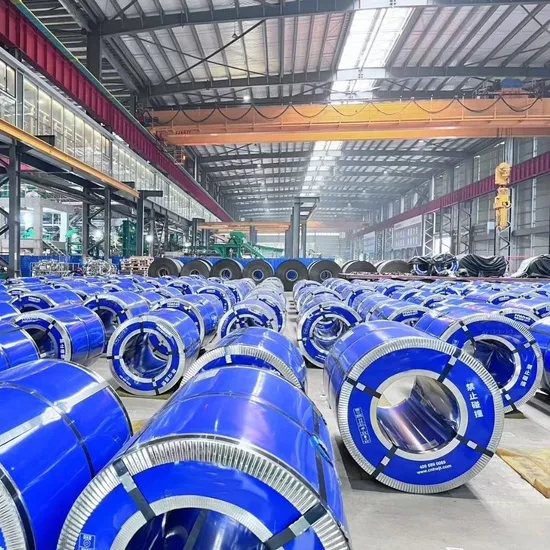
Market Analysis: Silicon Steel Demand for Transformer Cores
Silicon steel, specifically grain-oriented electrical steel (GOES), remains the foundational material for high-efficiency transformer cores globally. While Luoyang Xinzhaohe Aluminum CO., Ltd specializes in aluminum products and supply chain solutions, our two decades of metallurgical and industrial supply chain expertise provide critical insight into adjacent high-performance material markets like electrical steel. Understanding the silicon steel transformer core market is essential for strategic sourcing decisions impacting power infrastructure reliability and efficiency.
Industrial demand for high-grade silicon steel is driven by relentless global grid modernization, renewable energy integration, and stringent energy efficiency regulations. Transformers constitute a significant portion of grid losses, with core losses accounting for 20-30% of total system losses over their operational lifetime. The shift towards ultra-low-loss GOES grades (e.g., M4, M5, M6) is accelerating as utilities and industrial users face mandates like DOE 2016 in the US and IE3/IE4 efficiency classes under IEC 60034-30-2. Renewable energy projects, particularly large-scale solar and wind farms requiring step-up transformers, further amplify demand for material ensuring minimal no-load losses. The market prioritizes consistent magnetic properties, directly influencing transformer total cost of ownership through reduced energy waste over decades of operation.
Quality in silicon steel is non-negotiable for core performance and longevity. Minor deviations in chemical composition, grain orientation, coating integrity, or dimensional tolerance propagate into significant efficiency losses and thermal issues. Key quality parameters include core loss (W/kg at specific flux densities and frequencies), magnetic flux density (B800), lamination factor, and interlaminar resistance. A mere 0.5-1.0% improvement in core loss translates to substantial kW savings per transformer unit annually. Inferior material exhibits higher hysteresis and eddy current losses, leading to excessive heating, accelerated insulation degradation, reduced overload capacity, and premature failure. Consistent thickness control (typically 0.23mm, 0.27mm, or 0.30mm) is critical for achieving optimal stacking factor and minimizing air gaps within the core assembly.
The performance hierarchy of standard grain-oriented silicon steel grades underscores the quality imperative:
| Grade Designation | Typical Core Loss (P1.7/60) W/kg | Typical B800 (T) | Primary Application Tier |
|---|---|---|---|
| M6 | ≤ 1.24 | ≥ 1.80 | Standard Distribution |
| M5 | ≤ 1.00 | ≥ 1.85 | High-Efficiency Power |
| M4 | ≤ 0.80 | ≥ 1.90 | Ultra-High-Efficiency |
Transformer manufacturers require certified material traceability and rigorous mill test reports per IEC 60404-2. Supply chain disruptions or inconsistent quality from silicon steel producers directly impact transformer production schedules and final product reliability. Luoyang Xinzhaohe emphasizes that strategic sourcing must prioritize suppliers with proven metallurgical process control, robust quality management systems, and transparent logistics – factors equally critical whether procuring core materials like silicon steel or complementary components within the power infrastructure supply chain. Material integrity is the cornerstone of grid efficiency and resilience.
Technical Specs: Silicon Steel Transformer Core
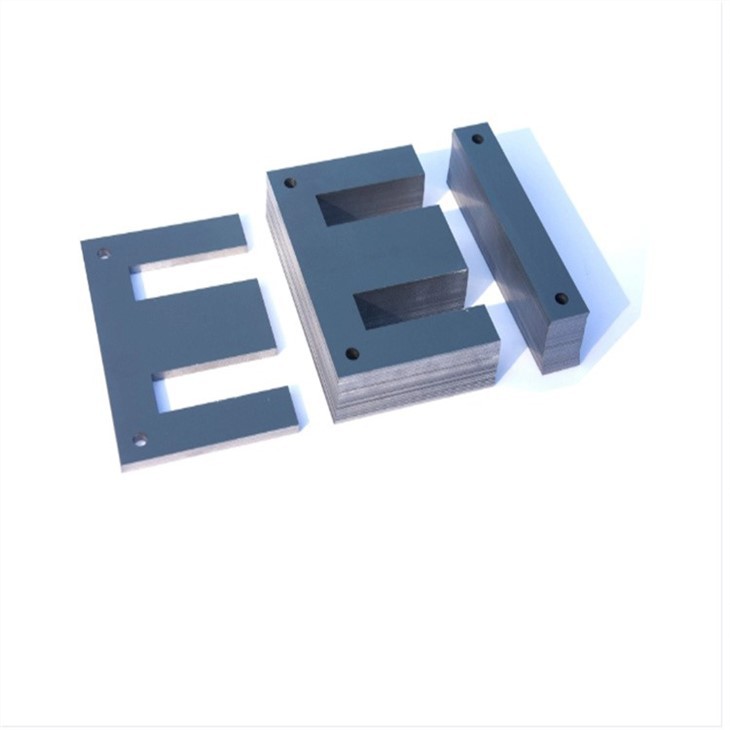
Technical Specifications for Silicon Steel Transformer Cores
Silicon steel, also known as electrical steel, is a critical material in the fabrication of transformer cores due to its optimized magnetic properties and reduced energy losses under alternating magnetic fields. At Luoyang Xinzhaohe Aluminum Co., Ltd, with over two decades of industrial experience in advanced metallic materials, we emphasize precision in material specifications to ensure peak performance in power and distribution transformers. The technical parameters governing silicon steel performance are primarily categorized into core loss (iron loss), magnetic flux density, and geometric tolerances such as flatness and thickness consistency.
Core loss, or iron loss, represents the energy dissipated in the form of heat during the magnetization and demagnetization cycles of the transformer core. It is a composite of hysteresis loss and eddy current loss, both of which are minimized through controlled silicon content (typically 2.5–3.5%) and grain-oriented microstructure. Lower core loss directly correlates with higher transformer efficiency and reduced operational temperature. Core loss is measured under standardized conditions (e.g., 1.7 T at 50 Hz or 60 Hz) and is a key selection criterion for energy-efficient transformer designs.
Magnetic flux density, expressed in Tesla (T), indicates the material’s ability to support magnetic flux under an applied magnetic field. High saturation flux density enables compact core designs with reduced material usage while maintaining performance. Grain-oriented silicon steel typically exhibits a directional magnetic advantage, with optimal flux density along the rolling direction, often exceeding 2.0 T at standard excitation levels (e.g., H = 800 A/m). This directional property must be carefully aligned during core stacking to maximize efficiency.
Flatness is a critical geometric parameter affecting core assembly and magnetic performance. Poor flatness leads to air gaps between laminations, increasing reluctance and localized losses. High-quality silicon steel must exhibit minimal camber and buckle, ensuring tight stacking and uniform magnetic path continuity. Surface finish and coating integrity also contribute to interlaminar insulation, reducing eddy current losses.
The following table outlines typical technical specifications for high-grade grain-oriented silicon steel used in transformer core applications:
| Parameter | Standard Value / Condition | Test Standard |
|---|---|---|
| Core Loss (P1.7/50) | ≤ 1.00 W/kg | IEC 60404-2 |
| Magnetic Flux Density (B800) | ≥ 2.00 T (at 800 A/m, rolling direction) | IEC 60404-2 |
| Thickness Tolerance | ±0.01 mm (for 0.23–0.30 mm gauges) | ASTM A677 |
| Flatness | ≤ 2 mm per 1000 mm length | Internal QC Protocol |
| Silicon Content | 3.0 – 3.5 wt% | Chemical Analysis |
| Insulating Coating Weight | 0.5 – 1.5 g/m² (per side) | ASTM A976 |
| Density | ~7.65 g/cm³ | ASTM A341 |
These specifications are maintained through rigorous process control during cold rolling, annealing, and coating stages. Consistency in these parameters ensures reliable performance, reduced no-load losses, and compliance with international efficiency standards such as IEC 60076 and DOE 2016. Luoyang Xinzhaohe Aluminum Co., Ltd adheres to these benchmarks to deliver silicon steel products that meet the evolving demands of modern power infrastructure.
Factory Tour: Manufacturing
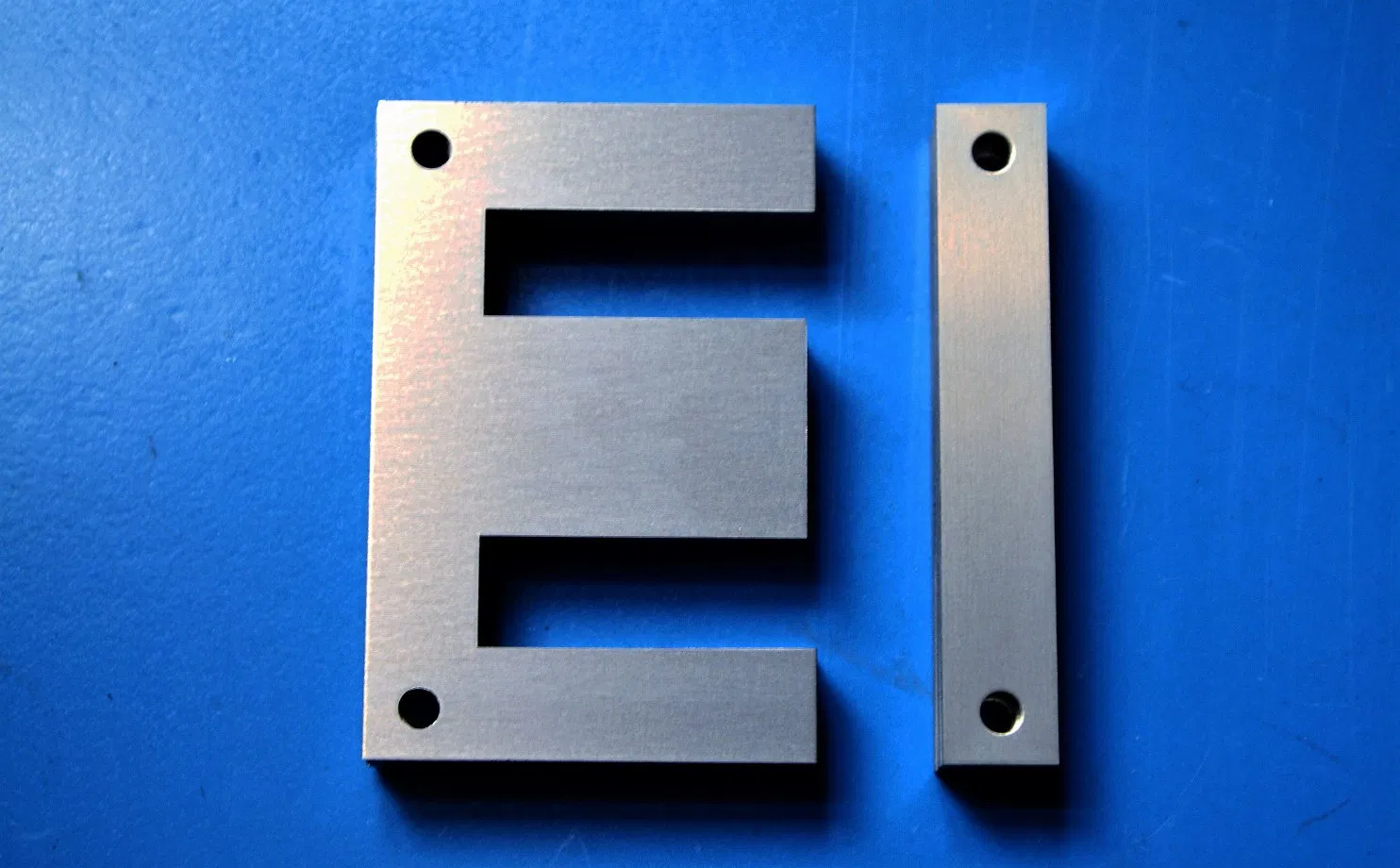
Silicon Steel Transformer Core Manufacturing Process: Technical Overview
Luoyang Xinzhaohe Aluminum Co., Ltd. leverages over two decades of precision metal processing expertise to deliver high-performance silicon steel cores. While our corporate name reflects historical operations, our current specialization encompasses critical electrical steel processing for transformer applications. The manufacturing sequence for non-oriented and grain-oriented electrical steel cores involves tightly controlled stages, each impacting final magnetic properties and core efficiency.
The process commences with precision slitting of master coils. High-tensile strength silicon steel strips, typically ranging from 0.23mm to 0.35mm thickness, are fed through servo-controlled slitting lines. Critical parameters include maintaining exact strip width tolerance (±0.05mm), edge burr minimization (<5% of material thickness), and consistent line tension to prevent edge wave or center buckle. This stage ensures dimensional accuracy for subsequent lamination stacking and minimizes interlaminar eddy current losses in the final core.
Slit strips then undergo continuous annealing in controlled atmosphere furnaces. This step is vital for stress relief and optimizing magnetic domain structure. For grain-oriented steel (GOES), the annealing cycle precisely achieves the Goss texture {110}<001> through secondary recrystallization, requiring strict temperature profiles (up to 1200°C) and dwell times. Non-oriented steel (NOES) annealing focuses on full decarburization and grain growth at lower peak temperatures (850-950°C). Atmosphere control (typically H₂-N₂ mixtures) prevents surface oxidation and ensures uniform decarburization, directly influencing core loss (W/kg) and permeability.
Following annealing, a uniform inorganic insulation coating is applied. Magnesium oxide (MgO) slurry is the industry standard for GOES, applied via roll coater at controlled wet film thickness. The coated strip enters a final annealing pass where the MgO reacts with silica in the steel to form a forsterite (Mg₂SiO₄) layer. This ceramic coating provides essential interlaminar insulation resistance (>100 Ω·cm²), reduces eddy current losses, and imparts tension to the steel, enhancing magnetic induction (B₈₀₀). Coating weight is meticulously monitored (typically 0.8-1.2 g/m² per side).
The final stage is precision cutting of laminations. Advanced turret punch presses or laser cutting systems transform the coated strip into intricate core shapes (E-I, step-lap joints). Laser cutting dominates for complex geometries, offering kerf widths <0.2mm and dimensional accuracy ±0.02mm. Critical considerations include minimizing heat-affected zones to preserve magnetic properties near cut edges and ensuring burr-free edges to prevent short circuits between laminations during core stacking.
Integrated Quality Control Throughout Production
Rigorous QC is embedded at every stage, adhering to IEC 60404 standards. Key verification points include:
| Process Stage | Critical QC Parameter | Measurement Method | Target Specification |
|---|---|---|---|
| Incoming Coil | Chemical Composition | OES Spectrometry | Si: 2.9-3.3% (GOES) |
| Slitting | Edge Burr Height | Optical Microscopy | <15μm |
| Annealing | Core Loss (P₁.₇/₅₀) | Epstein Frame Tester | ≤1.00 W/kg (GOES M4) |
| Coating | Interlaminar Resistance | Custom Jig Measurement | ≥70 Ω·cm² |
| Final Lamination | Dimensional Tolerance | CMM / Optical Comparator | ±0.03mm |
Core loss and permeability testing via Epstein frame or single-sheet testers occurs post-annealing and post-coating. Coating adhesion is verified through tape tests per ASTM D3359. Final lamination inspection includes 100% automated optical inspection for dimensional defects and edge quality. Statistical process control (SPC) data is maintained for full traceability, enabling root cause analysis for any deviations. This integrated approach ensures cores meet stringent efficiency requirements for modern transformers.
Packaging & Logistics
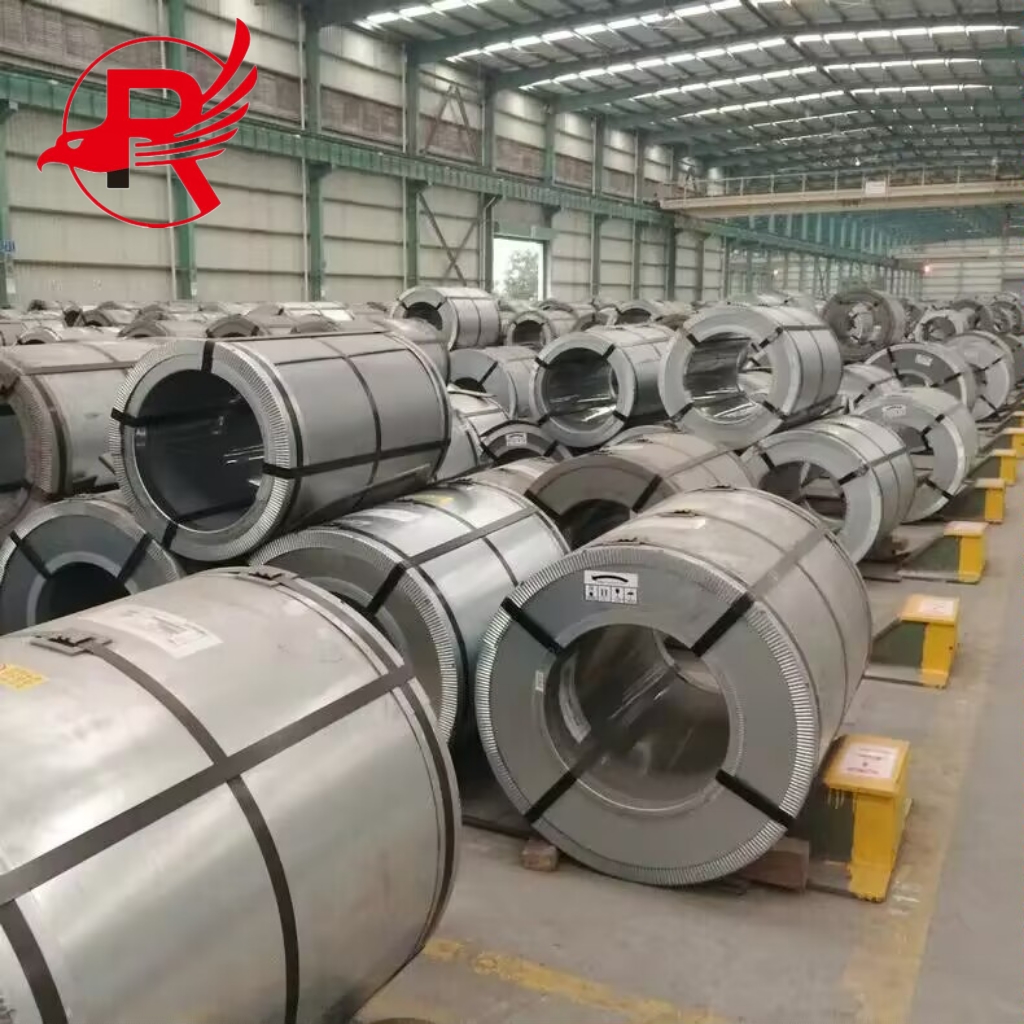
Export Packaging for Silicon Steel Transformer Cores
At Luoyang Xinzhaohe Aluminum Co., Ltd, with over two decades of specialized experience in the production and international supply of high-grade silicon steel, we implement a rigorously engineered export packaging system designed to preserve material integrity during global maritime transport. Given the sensitivity of silicon steel—also known as electrical steel—to mechanical deformation, corrosion, and moisture exposure, our packaging methodology is developed in alignment with international logistics standards and the demanding conditions inherent to sea freight.
All silicon steel coils and cut laminations destined for export are systematically secured on reinforced wooden pallets constructed from durable, kiln-dried hardwood. These pallets are engineered to meet ISO 12192 and ISTA 3A performance criteria, ensuring structural resilience under dynamic stacking and handling stresses encountered during containerized shipping. Each pallet is treated to ISPM 15 standards, providing certification for international phytosanitary compliance and eliminating the risk of pest transmission through wood packaging material.
Immediately following palletization, the silicon steel load is wrapped in multi-layer moisture-proof composite film. This film consists of a high-density polyethylene (HDPE) outer layer bonded to an aluminum foil vapor barrier, achieving a water vapor transmission rate (WVTR) of less than 0.1 g/m²·day at 38°C and 90% relative humidity. The sealing process employs heat-shrink technology to create a hermetic enclosure, effectively isolating the steel from ambient humidity, salt-laden air, and condensation risks during extended ocean transits.
To further enhance protection, desiccant packs with a minimum absorption capacity of 1,200 grams of moisture per cubic meter of enclosed volume are placed within the sealed film envelope. These are strategically positioned to mitigate any residual humidity and prevent the onset of surface oxidation or white rust formation—a critical safeguard for maintaining the electrical and magnetic performance of the silicon steel.
Edge protectors made from high-strength corrugated fiberboard or polypropylene are applied to coil edges to prevent mechanical damage during handling and transit. Additionally, all packaged units are labeled with weather-resistant, tamper-evident tags indicating batch number, grade, dimensions, weight, and handling instructions in accordance with IMDG and IATA cargo regulations.
Our packaging protocol has been validated across more than 60 international shipments, with a documented 99.7% integrity retention rate upon destination inspection. This system ensures that silicon steel transformer cores arrive at their final destination in optimal condition, ready for precision processing and core assembly without the need for rework or surface treatment.
For global partners, this level of packaging assurance translates into reduced logistics risk, minimized claims, and enhanced supply chain reliability—core values that define Luoyang Xinzhaohe Aluminum Co., Ltd’s commitment to excellence in industrial material supply.
Sourcing from Luoyang Xinzhaohe
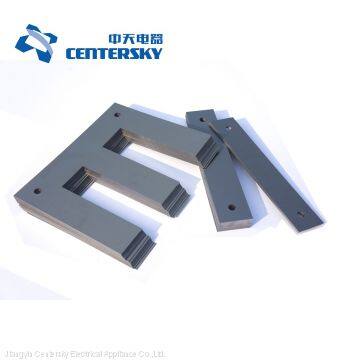
Partner with Luoyang Xinzhaohe for Silicon Steel Transformer Core Excellence
Luoyang Xinzhaohe Aluminum Co., Ltd leverages over two decades of specialized metallurgical engineering and precision manufacturing to deliver silicon steel strip meeting the most stringent transformer core requirements. Our vertical integration and process control ensure material properties critical for high-efficiency transformer performance, directly impacting your core loss and operational reliability.
Metallurgical Precision and Process Control
Our production begins with rigorously controlled raw material sourcing, utilizing high-purity iron and precisely dosed silicon alloys. Advanced continuous annealing lines with hydrogen-nitrogen atmospheres optimize grain growth and magnetic domain structure, achieving superior Goss texture development essential for low core loss. Tight regulation of decarburization and secondary recrystallization processes ensures consistent magnetic induction (B50/B80) and minimal hysteresis loss across every coil. We specialize in both non-oriented (NO) and grain-oriented (GO) electrical steel, with GO grades featuring laser-scribed domain refinement for further loss reduction.
Advanced Production Capabilities
Our facility operates state-of-the-art 20-high Sendzimir rolling mills capable of achieving dimensional tolerances of ±0.002mm in thickness for GO steel down to 0.23mm gauge. This precision minimizes air gaps in stacked cores, directly enhancing transformer efficiency. In-line surface inspection systems detect micro-defects at micron-level resolution, while automated tension leveling guarantees flatness critical for high-speed core lamination. Comprehensive testing validates key parameters per IEC 60404-2 and ASTM A976 standards, including Epstein frame core loss measurements at 1.0T and 1.5T induction levels across 50/60Hz frequencies. Typical core loss performance for our M4 grade is summarized below:
| Frequency | Core Loss (W/kg) at 1.5T | Core Loss (W/kg) at 1.7T |
|---|---|---|
| 50 Hz | ≤ 0.85 | ≤ 1.15 |
| 60 Hz | ≤ 1.05 | ≤ 1.40 |
Reliable Supply Chain Execution
We mitigate supply volatility through strategic raw material inventory buffers and dedicated logistics coordination for transformer OEMs. Our JIT delivery system, supported by regional warehousing in Zhengzhou and Shanghai, ensures on-time shipment adherence exceeding 98.5%. Full material traceability from melt batch to finished coil is maintained via integrated MES, providing complete documentation for quality audits and failure analysis. This operational discipline minimizes your production line disruptions and supports lean manufacturing initiatives.
Quality Assurance and Technical Partnership
All production adheres to ISO 9001 and IATF 16949 certified quality management systems, with third-party validation of magnetic properties by SGS and TÜV. Beyond supply, our metallurgical team collaborates on application-specific optimization—analyzing your core design to recommend grade thickness or coating solutions that reduce total cost of ownership. We provide detailed mill test reports including B-H curves, lamination factor data, and interlaminar resistance measurements.
Initiate technical discussions with our engineering team to qualify Luoyang Xinzhaohe as your strategic silicon steel partner. Contact Cathy directly at cathy@transformerstrip.com to request sample coils, review production capacity schedules, or schedule a virtual factory audit. Our expertise ensures your transformer cores achieve maximum energy efficiency and operational longevity.
📉 Factory Direct Savings Calculator
Calculate your potential savings by importing silicon steel transformer core directly from China.