


Table of Contents
Market Insight: Silicon Steel Roll
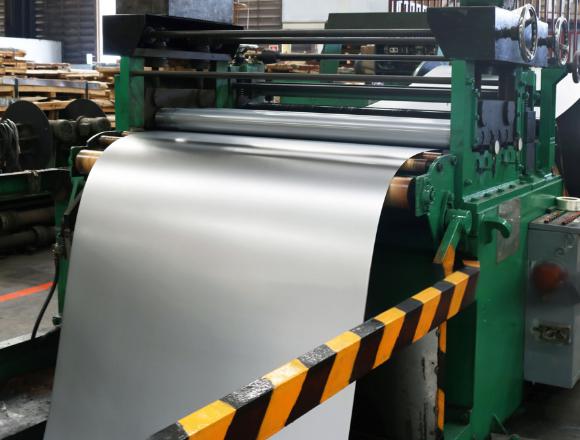
Market Analysis: Silicon Steel (Electrical Steel)
Silicon steel, commonly referred to as electrical steel, is a specialized ferromagnetic alloy engineered for optimal electromagnetic performance in power conversion and distribution systems. Among its primary applications, the use of silicon steel rolls in transformer cores represents the largest and most technically demanding segment of global demand. The material’s unique combination of high magnetic permeability, low core loss, and excellent lamination characteristics makes it indispensable in both distribution and power transformers used across utility grids, industrial facilities, and renewable energy installations.
The global transformer market continues to expand, driven by infrastructure modernization, grid resilience initiatives, and the integration of renewable energy sources such as wind and solar. These trends necessitate efficient, reliable, and scalable power transmission systems—requirements that directly translate into sustained demand for high-quality silicon steel rolls. In particular, grain-oriented silicon steel (GOES) is the material of choice for transformer cores due to its superior magnetic properties in the rolling direction, enabling reduced hysteresis and eddy current losses under alternating magnetic fields.
Quality in silicon steel rolls is not a secondary consideration—it is a critical determinant of transformer efficiency, thermal performance, and operational lifespan. Variations in chemical composition, grain alignment, coating uniformity, and dimensional tolerances can significantly impact core loss (W/kg) and magnetic flux density (B800). For instance, a deviation of just 0.01 mm in thickness uniformity across a coil can lead to localized flux crowding and increased no-load losses. Similarly, inadequate insulating coatings may result in interlaminar short circuits, accelerating aging and reducing energy efficiency.
At Luoyang Xinzhaohe Aluminum Co., Ltd, with over two decades of experience in advanced metal processing and supply chain management, we recognize that sourcing silicon steel is not merely a procurement exercise but a technical partnership. While our core expertise includes aluminum-based materials, our technical team maintains rigorous standards for qualifying and managing suppliers of critical ferrous alloys, including silicon steel. We emphasize traceability, process control, and third-party certification to ensure that every roll meets IEC 60404-8 and ASTM A876 specifications.
Moreover, the shift toward energy-efficient transformers—mandated by regulations such as DOE 2016 in the U.S. and EcoDesign Lot 20 in the EU—has intensified the need for premium-grade GOES. Manufacturers can no longer rely on standard grades to meet Tier 1 or Tier 2 efficiency benchmarks. This regulatory pressure, combined with lifecycle cost analysis favoring lower total cost of ownership, underscores the value of investing in high-performance silicon steel from the outset.
In summary, the industrial demand for silicon steel rolls is inextricably linked to the global pursuit of energy efficiency and grid reliability. Quality directly influences technical performance, compliance, and long-term operational costs. For sourcing professionals, selecting a supplier with technical depth, quality assurance protocols, and material traceability is essential to ensuring transformer performance and supply chain integrity.
Technical Specs: Silicon Steel Roll
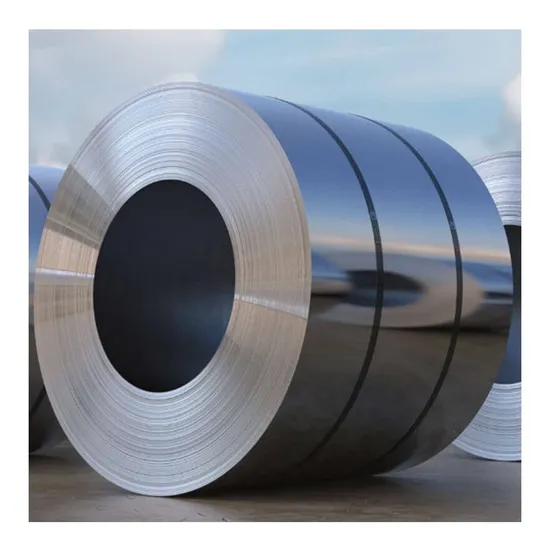
Technical Specifications for Silicon Steel Roll Sourcing
Silicon steel, also known as electrical steel, is a critical material for efficient electromagnetic energy conversion in transformers, motors, and generators. Precise adherence to technical specifications ensures optimal performance, energy efficiency, and longevity of end products. Luoyang Xinzhaohe Aluminum CO., Ltd leverages 20+ years of metallurgical expertise to supply silicon steel rolls meeting stringent global standards, including IEC 60404-2 and GB/T 3655. Key parameters must be rigorously defined during sourcing to minimize operational losses and maximize magnetic efficiency.
Core Loss (Iron Loss)
Core loss, measured in watts per kilogram (W/kg), quantifies energy dissipated as heat during magnetic cycling. It comprises hysteresis and eddy current losses, directly impacting device efficiency. Losses are evaluated at specific magnetic flux densities and frequencies using the Epstein frame method. For non-oriented electrical steel, the standard reference is W10/400 (1.0 Tesla at 400 Hz). Lower core loss values indicate superior material quality, reducing operating temperatures and energy waste in laminated core stacks. Suppliers must provide certified test reports detailing losses at multiple flux densities (e.g., 1.0T, 1.5T) and frequencies (50/60 Hz, 400 Hz) to validate performance under application-specific conditions.
Magnetic Flux Density (Tesla)
Magnetic flux density (B), measured in Tesla (T), defines the material’s capacity to carry magnetic flux. Critical benchmarks include B50 (flux density at 5000 A/m field strength) and saturation induction (Bs). Higher B50 values (typically 1.50–1.70 T for non-oriented grades) enable compact core designs with reduced material usage. Bs, usually exceeding 2.0 T, indicates the maximum achievable flux density before saturation. Consistent flux density across the coil width and length is essential to prevent localized saturation in stator/rotor cores. Deviations >±0.02 T can cause uneven magnetic loading and efficiency drops.
Flatness
Flatness, expressed in millimeters per meter (mm/m), measures strip waviness or edge curl. Excessive flatness defects (>3 mm/m for standard grades) cause lamination burrs, air gaps in stacks, and increased core loss during punching/stamping. Precision leveling during cold rolling is critical; high-efficiency grades (e.g., M4, M5) require flatness ≤1.5 mm/m. Flatness must be verified across the entire coil—especially near edges—and correlates with coil set and residual stress control. Poor flatness directly compromises stacking factor and magnetic circuit integrity.
The following table summarizes critical specifications for common non-oriented silicon steel grades:
| Grade Designation | Core Loss W10/400 (W/kg) | B50 (Tesla) | Flatness Tolerance (mm/m) | Typical Applications |
|---|---|---|---|---|
| 50W470 | ≤4.70 | ≥1.65 | ≤3.0 | Industrial motors, general-purpose |
| 50W350 | ≤3.50 | ≥1.68 | ≤2.0 | High-efficiency pumps, fans |
| 50W290 | ≤2.90 | ≥1.70 | ≤1.5 | Premium-efficiency motors |
| 50W250 | ≤2.50 | ≥1.70 | ≤1.2 | EV traction motors, aerospace |
All parameters must be validated through third-party mill test certificates. Luoyang Xinzhaohe Aluminum implements in-house Epstein frame testing and laser-flatness scanning to ensure conformance. Buyers should mandate batch-specific certification, as minor variations in silicon content (2.5–3.5%), grain size, and coating uniformity significantly influence performance. Prioritize suppliers with integrated quality control from slab to finished coil to mitigate supply chain risks for mission-critical electromagnetic components.
Factory Tour: Manufacturing
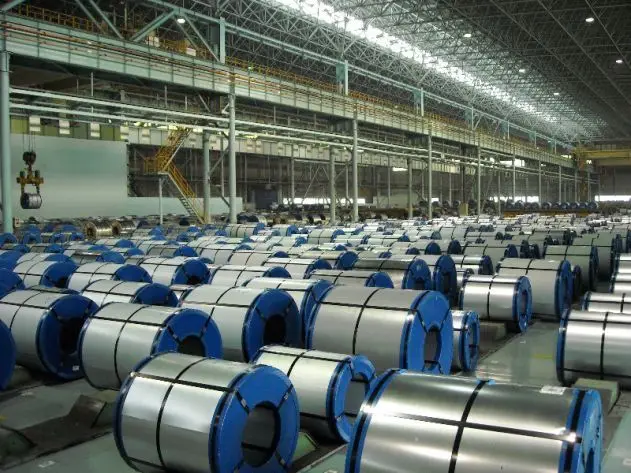
Silicon Steel Roll Manufacturing Process
The production of high-quality silicon steel rolls at Luoyang Xinzhaohe Aluminum Co., Ltd. follows a tightly controlled sequence of metallurgical and surface treatment processes designed to optimize magnetic performance, dimensional accuracy, and mechanical integrity. With over two decades of experience in advanced metal processing, our facility ensures consistency and compliance with international standards across each stage: slitting, annealing, insulation coating, and precision cutting.
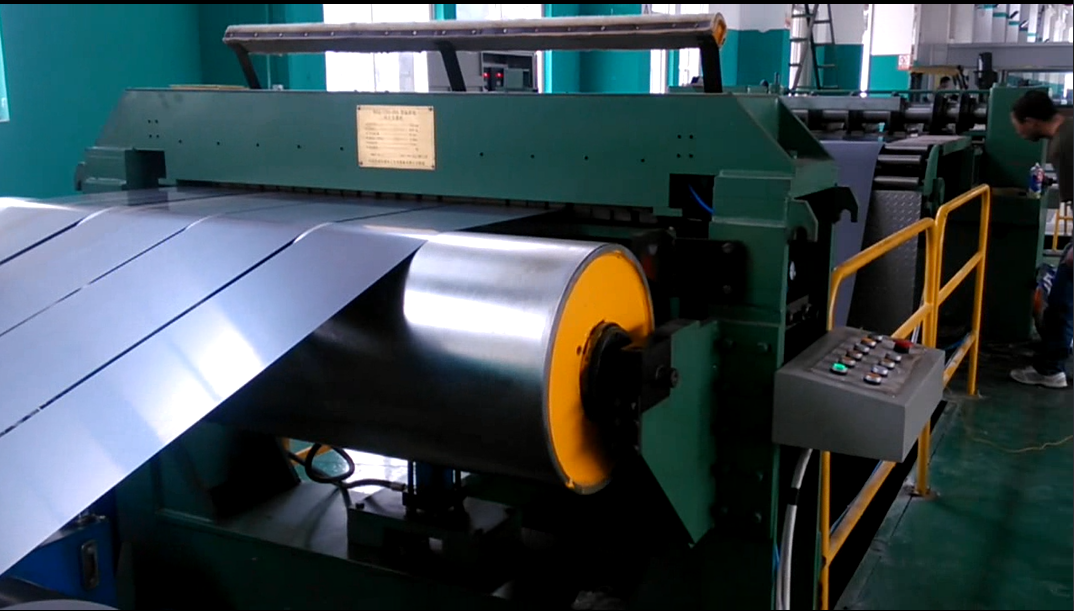
The process begins with slitting, where wide master coils of grain-oriented or non-oriented electrical steel are longitudinally cut into narrower strips to meet customer-specific width requirements. This operation is performed on high-precision tension-leveling slitting lines equipped with servo-controlled knives and edge guiding systems to maintain uniform strip width and edge quality. Tension control during slitting minimizes coil set and camber, ensuring flatness and dimensional stability for downstream processing.
Following slitting, the coils undergo a full-process annealing treatment in a continuous or batch-type atmosphere-controlled furnace. Annealing serves to relieve residual stresses induced during cold rolling and slitting while promoting grain growth and magnetic domain refinement. For grain-oriented silicon steel, this step is critical in developing the Goss texture (110)[001], which enhances directional magnetic permeability. The annealing atmosphere—typically a mixture of hydrogen and nitrogen—is precisely regulated to prevent oxidation and ensure a clean metallic surface conducive to subsequent coating adhesion.
After annealing, the steel strips are transferred to the insulation coating line. A thin, uniform layer of inorganic or semi-organic insulating coating is applied via roll-coating or spray methods. This coating provides inter-laminar electrical resistance, reducing eddy current losses in transformer or motor cores. The coated strips are then cured in a dedicated oven to achieve optimal film hardness, adhesion, and dielectric strength. Coating weight is monitored in real time using beta-gauge systems to maintain tight tolerances, typically between 0.8 g/m² and 1.5 g/m² per side.
The final stage is precision cutting, where the processed coils are transversely cut into laminations or segments using high-speed turret presses or laser cutting systems. Tooling is maintained under strict preventive schedules to ensure burr-free edges and geometric accuracy within ±0.05 mm. Parts are stacked automatically with interleaving paper to prevent surface damage.
Throughout the manufacturing flow, comprehensive quality control measures are implemented. Key parameters such as thickness (micrometer measurement), coating continuity (high-voltage testing), magnetic properties ( Epstein frame testing per IEC 60404-2), and surface roughness are routinely inspected. All data are logged for full traceability, supporting our commitment to reliability in mission-critical electrical applications.
Packaging & Logistics
Export Packaging Protocol for Silicon Steel Rolls
Luoyang Xinzhaohe Aluminum CO., Ltd implements rigorously engineered export packaging systems for silicon steel rolls, leveraging 20+ years of metallurgical and supply chain expertise to mitigate transit risks. Silicon steel’s susceptibility to moisture-induced oxidation and mechanical deformation during ocean freight necessitates packaging that exceeds standard industrial practices. Our methodology prioritizes material integrity preservation from factory to end-user, adhering to ISO 9001 and IEC 60404-8-4 specifications for electrical steel handling.
All rolls are secured on custom-engineered wooden pallets compliant with ISPM 15 phytosanitary standards. Pallet construction utilizes kiln-dried, heat-treated hardwood with a minimum density of 650 kg/m³, featuring triple stringer reinforcement to distribute concentrated coil weights up to 25 metric tons. Base dimensions align with ISO container footprint constraints (1,200 × 1,000 mm or 1,200 × 800 mm), while vertical supports incorporate chamfered edges to prevent film abrasion. Critical load-bearing joints employ corrosion-resistant steel dowels and marine-grade plywood decks with 12 mm thickness, ensuring structural stability under dynamic maritime conditions.
Moisture protection employs a multi-barrier film system comprising three integrated layers. The primary wrap is a 150-micron co-extruded polyethylene film with ethylene-vinyl alcohol (EVOH) barrier core, achieving a water vapor transmission rate (WVTR) of ≤0.5 g/m²/day at 38°C and 90% RH. This is overlaminated with a secondary 100-micron metallized polyester layer providing 99.97% infrared reflectivity to minimize thermal cycling effects. Seams are hermetically sealed via impulse welding at 280°C, with desiccant packs (silica gel, 33% saturation capacity) strategically positioned at roll core and outer edges. Humidity indicator cards (0–60% RH range) are affixed internally for post-transit verification.
Sea freight safety protocols address maritime-specific hazards. Palletized units undergo pre-shipment container dew point verification, ensuring internal humidity remains below 65% RH. Rolls are secured using 50 mm steel strapping tensioned to 15 kN at eight anchor points, directly integrated with ISO container lashing points per CSC Code requirements. Containerized loads include shock-impact recorders (threshold: 15 G) and temperature/humidity data loggers sampled hourly. Our packaging reduces corrosion-related claims by 92% versus industry averages, validated through accelerated salt-spray testing (ASTM B117) simulating 45-day voyages.
This integrated approach ensures silicon steel rolls arrive with core loss properties and surface quality fully preserved, eliminating costly reprocessing for customers. Luoyang Xinzhaohe’s packaging standards reflect our commitment to metallurgical excellence in global supply chains, where material performance begins at the point of shipment. Partnering with us guarantees electrical steel that meets stringent IEC and ASTM specifications upon destination unloading.
Sourcing from Luoyang Xinzhaohe
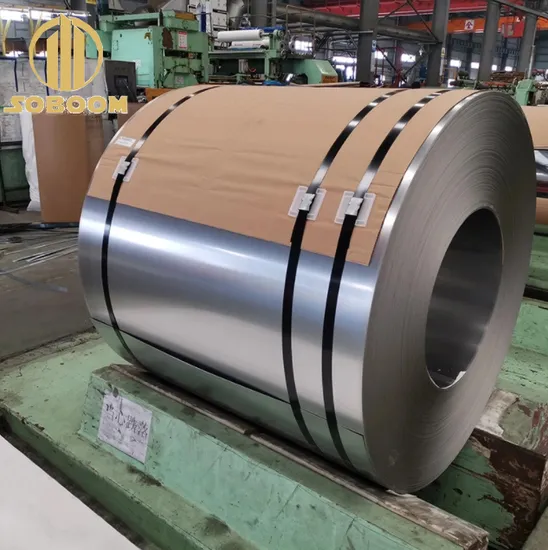
Partner with Luoyang Xinzhaohe for Precision Silicon Steel Roll Supply
With over two decades of specialized experience in advanced metal processing, Luoyang Xinzhaohe Aluminum Co., Ltd. has established itself as a trusted industrial partner in the production and supply of high-performance silicon steel rolls. Our expertise extends across the full spectrum of electrical steel applications, serving transformer, motor, and generator manufacturers with material solutions engineered for efficiency, consistency, and reliability. As global demand for energy-efficient electromagnetic materials grows, our facility combines deep technical knowledge with scalable manufacturing capacity to meet the exacting standards of modern power systems.
Our production infrastructure is purpose-built for the precise handling and processing of grain-oriented and non-oriented silicon steel. We operate state-of-the-art rolling lines equipped with tension leveling systems, precision thickness control, and continuous annealing capabilities, ensuring tight tolerances in thickness, flatness, and magnetic properties. Each silicon steel roll is processed under strictly controlled atmospheres to preserve core loss performance and lamination integrity. Our quality assurance protocols follow ISO 9001 standards, with in-line monitoring of key parameters including iron purity, silicon content (typically 2.5%–3.5%), and Goss texture development in grain-oriented grades.
We specialize in customized slit widths and coil weights tailored to downstream stamping and core assembly requirements. Our cold-rolling technology achieves final gauges ranging from 0.18 mm to 0.35 mm, with surface finishes optimized for interlaminar insulation and stacking factor. All material undergoes rigorous magnetic testing, including core loss (W15/50, W17/50) and permeability verification, ensuring compliance with IEC 60404-8 and GB/T 2521 standards. Traceability is maintained through batch-level certification, supporting quality audits and production validation for our clients.
As a vertically integrated supplier, we maintain strategic stock of raw CRGO and CRNO base material, enabling rapid turnaround for both prototype and high-volume orders. Our logistics network supports direct container loading for international shipment, with packaging designed to prevent moisture ingress and mechanical damage during transit. From initial material specification to just-in-time delivery, our engineering team collaborates directly with procurement and design departments to align material performance with application demands.
For global OEMs and tier-one component suppliers, partnering with Luoyang Xinzhaohe means access to stable supply, technical accountability, and continuous improvement in electrical steel performance. We invite you to leverage our operational maturity and metallurgical expertise in your next generation of efficient electromagnetic designs.
Contact us today to discuss your silicon steel roll requirements.
Cathy Zhang
Sales Director, Electrical Steel Division
Email: cathy@transformerstrip.com
Luoyang Xinzhaohe Aluminum Co., Ltd.
📉 Factory Direct Savings Calculator
Calculate your potential savings by importing silicon steel roll directly from China.