


Table of Contents
Market Insight: Silicon Core Transformer
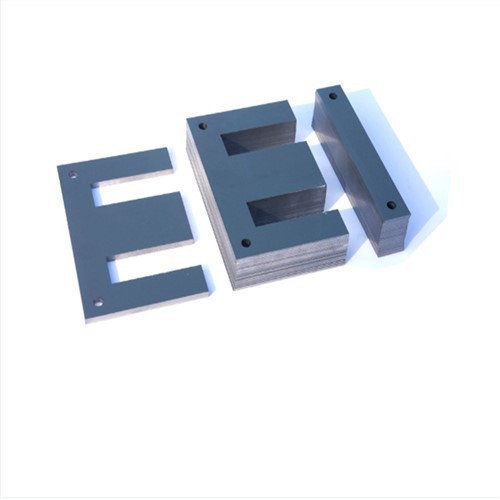
Market Analysis: Silicon Steel Demand Drivers and Quality Imperatives for Transformer Cores
Global transformer manufacturing faces unprecedented demand driven by renewable energy integration, grid modernization, and industrial electrification. Silicon steel (electrical steel) remains the irreplaceable core material for power and distribution transformers, with over 95% of medium-to-large units relying on grain-oriented (GO) and non-oriented (NO) variants. The International Energy Agency projects a 6.1% annual growth in transformer demand through 2030, directly correlating with solar/wind farm installations requiring step-up transformers and aging grid replacements in North America and Europe. Crucially, silicon steel constitutes 20–30% of a transformer’s total material cost, making its quality a decisive factor in lifecycle performance.
Quality deviations in silicon steel directly impact core losses, which account for 60–70% of total transformer energy dissipation under no-load conditions. Substandard material—characterized by inconsistent grain orientation, impurities exceeding 80 ppm, or inadequate insulating coatings—elevates hysteresis and eddy current losses. For example, a 0.5 W/kg increase in core loss (measured per IEC 60404-2 at 1.7 T/50 Hz) in a 100 MVA transformer translates to 43,800 kWh of wasted energy annually. This inefficiency violates stringent global standards like DOE 2016 (USA), Ecodesign Lot 20 (EU), and China’s GB 20052-2020, which mandate Tier 1 efficiency levels. Utilities now penalize manufacturers for non-compliance through reduced procurement contracts or carbon tax liabilities, as inefficient transformers contribute 2–3% of global CO₂ emissions.
Critical quality parameters include thickness tolerance (±0.005 mm for 0.23–0.30 mm grades), magnetic induction (B₈₀₀ ≥ 1.90 T for high-permeability GO steel), and coating resistivity (≥ 70 Ω/sq). Luoyang Xinzhaohe Aluminum’s two decades of metallurgical expertise reveal that minor deviations—such as 5% variance in silicon content (2.9–3.3 wt.%)—disrupt domain refinement, increasing excitation power by 15–20%. Furthermore, inadequate tension coating adhesion during annealing causes interlayer short circuits, accelerating thermal aging. Supply chain risks compound these issues; volatile raw material markets (e.g., high-purity iron ore and selenium for inhibitors) lead some suppliers to cut process controls, resulting in inconsistent Goss texture development.
The total cost of ownership (TCO) model for utilities underscores why premium silicon steel is non-negotiable. A 0.1-point efficiency gain in a distribution transformer reduces operational costs by $1,200 over 30 years. For OEMs, sourcing certified material from vertically integrated mills with rigorous Epstein frame testing protocols mitigates field failure risks—recalls cost 5–7x the initial material value. As grids prioritize resilience, silicon steel’s role in minimizing no-load losses becomes a strategic differentiator. Luoyang Xinzhaohe Aluminum emphasizes that in transformer cores, metallurgical precision isn’t a cost center—it is the foundation of grid sustainability and economic viability.
Technical Specs: Silicon Core Transformer
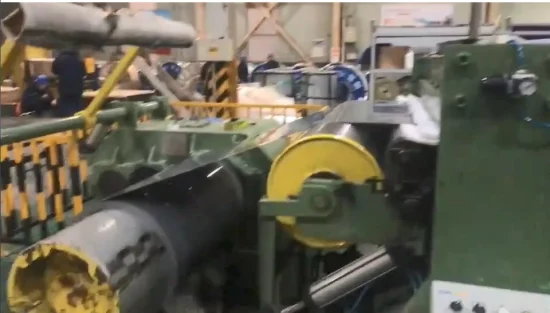
Technical Specifications for Silicon Steel in Transformer Core Applications
Luoyang Xinzhaohe Aluminum Co., Ltd brings over two decades of metallurgical and industrial supply chain expertise to the production and supply of high-performance silicon steel, specifically engineered for silicon core transformer applications. The performance of a transformer core is fundamentally governed by the electromagnetic and physical characteristics of the electrical steel used. Key technical parameters include core loss (iron loss), magnetic flux density, and flatness, each of which directly influences the efficiency, thermal performance, and structural integrity of the transformer.
Core loss, or iron loss, is a critical performance metric defined as the energy dissipated in the form of heat during the magnetization and demagnetization cycles of the core material. It comprises hysteresis loss and eddy current loss, both of which are minimized through precise alloying and processing. For high-efficiency transformers, low core loss values are essential to reduce no-load losses and improve overall energy efficiency. Our silicon steel grades are manufactured with controlled silicon content (typically 2.5–3.5%) and optimized grain orientation to achieve core loss values as low as 0.70 W/kg at 1.7 T and 50 Hz, in compliance with IEC 60404-2 standards.
Magnetic flux density, measured in Tesla (T), indicates the material’s ability to support magnetic field formation. Higher flux density allows for reduced core cross-sectional area, enabling compact and lightweight transformer designs. Grain-oriented electrical steel (GOES) supplied by Luoyang Xinzhaohe achieves peak magnetic flux densities up to 2.03 T at 800 A/m, ensuring superior magnetic performance under normal operating conditions. This high permeability reduces excitation current and enhances voltage regulation.
Flatness is a dimensional quality parameter that affects core stacking factor and lamination integrity. Poor flatness leads to air gaps between laminations, increasing reluctance and localized eddy currents, thereby elevating core losses and noise. Our production process incorporates precision rolling, tension leveling, and in-line flatness monitoring to maintain flatness within ±2 mm over 1 meter, ensuring uniform core assembly and optimal magnetic circuit continuity.
The following table summarizes the key technical specifications for our silicon steel products tailored for silicon core transformers:
| Parameter | Symbol | Test Condition | Typical Value | Standard Reference |
|---|---|---|---|---|
| Core Loss (Iron Loss) | P1.7/50 | 1.7 T, 50 Hz | ≤ 0.70 – 1.20 W/kg | IEC 60404-2 |
| Magnetic Flux Density | B800 | 800 A/m | ≥ 1.90 – 2.03 T | IEC 60404-2 |
| Specific Total Loss (P15/50) | P15/50 | 1.5 T, 50 Hz | ≤ 0.90 – 1.30 W/kg | IEC 60404-2 |
| Core Loss at 1.5 T, 60 Hz | P1.5/60 | 1.5 T, 60 Hz | ≤ 1.05 – 1.45 W/kg | ASTM A876 |
| Flatness Tolerance | — | Over 1 meter length | ±2 mm | Internal QC Specification |
| Thickness Range | — | — | 0.23 mm, 0.27 mm, 0.30 mm | Customizable |
| Insulation Coating Weight | — | — | 0.3 – 0.8 g/m² (single side) | IEC 60404-10 |
These specifications reflect our commitment to delivering silicon steel that meets the rigorous demands of modern transformer manufacturing. By optimizing core loss, maximizing flux density, and ensuring strict flatness control, Luoyang Xinzhaohe Aluminum Co., Ltd enables transformer producers to achieve higher efficiency ratings, lower lifecycle costs, and compliance with global energy standards.
Factory Tour: Manufacturing
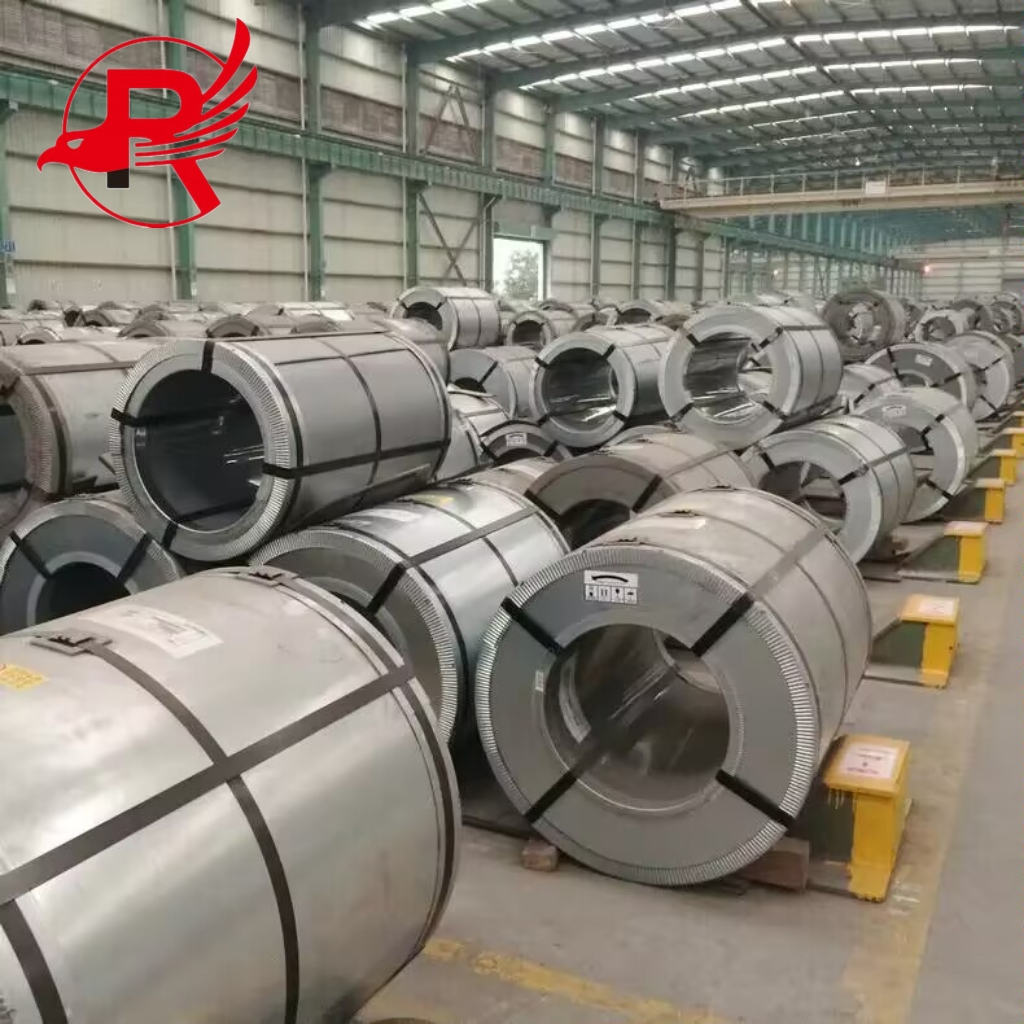
Manufacturing Process for High-Performance Silicon Steel Cores
Luoyang Xinzhaohe Aluminum Co., Ltd leverages over two decades of specialized expertise in non-oriented electrical steel processing to deliver silicon core transformer laminations meeting stringent global efficiency and reliability standards. Our integrated manufacturing sequence is meticulously controlled to optimize magnetic properties and dimensional precision, directly impacting transformer core loss and operational performance. The process begins with precision slitting of master coils. Utilizing state-of-the-art tension-controlled slitters with servo-driven knife positioning, we achieve slit widths within ±0.05 mm tolerance. This critical step minimizes edge burr formation and ensures uniform strip geometry, preventing interlaminar short circuits and localized heating in the final core. In-process inspection via laser micrometers and optical edge scanners verifies width consistency and surface integrity before material advances.
Subsequent continuous annealing is performed in a controlled nitrogen-hydrogen atmosphere furnace. This step is paramount for stress relief and grain growth optimization. Material is heated to precise temperatures between 780°C and 820°C, held for a calibrated duration, and cooled under controlled rates. This thermal treatment significantly reduces hysteresis and eddy current losses by eliminating residual stresses induced during rolling and slitting, restoring the steel’s optimal magnetic permeability. Rigorous monitoring of atmosphere dew point (< -40°C), temperature uniformity (±5°C), and dwell time ensures consistent magnetic property enhancement across every batch. Post-annealing, magnetic properties are validated using Epstein frame testing per IEC 60404-2, with core loss (W10/400) and permeability results documented for each production lot.
Application of a high-resistance insulating coating follows annealing. We apply a thin, uniform layer of inorganic or hybrid organic-inorganic insulation using precision roll coaters. This coating electrically isolates individual laminations, drastically reducing eddy current losses within the stacked core. Coating weight is strictly controlled between 0.8 g/m² and 1.5 g/m² per side, verified through gravimetric analysis. Adhesion is tested via tape peel and bend tests per ASTM standards, while surface resistivity is measured to confirm values exceed 50 Ω·cm², ensuring effective interlaminar insulation under operational conditions.
The final stage involves precision blanking or laser cutting of laminations to the customer’s exact core geometry. Our CNC turret presses and high-speed laser cutters achieve dimensional tolerances of ±0.02 mm and angular accuracy of ±0.1°. Critical features like notches, holes, and miters are produced with micron-level repeatability to ensure perfect core stack alignment and minimal air gaps. Automated vision systems perform 100% inspection of cut parts for dimensional conformance, burr height (< 0.01 mm), and surface defects. Final core loss validation on representative samples and comprehensive dimensional certification packages accompany all shipments, providing full traceability and assurance of performance to transformer manufacturers demanding the highest efficiency cores.
Packaging & Logistics
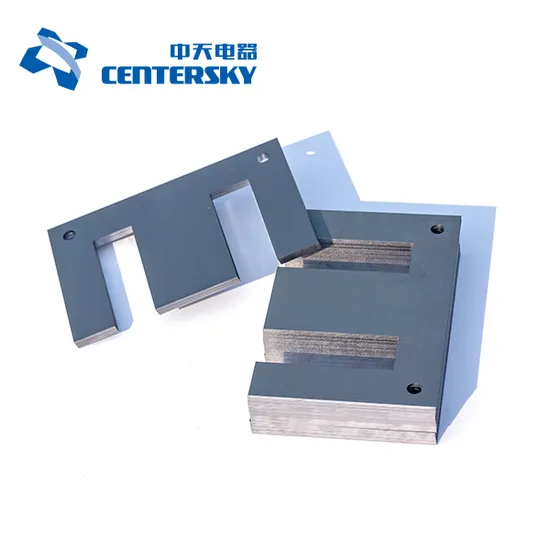
Export Packaging for Silicon Steel Coils in Transformer Core Applications
At Luoyang Xinzhaohe Aluminum Co., Ltd, with over two decades of specialized experience in the production and international supply of high-grade silicon steel, we recognize that proper export packaging is critical to maintaining material integrity during global logistics. Silicon steel, also known as electrical steel, is highly sensitive to environmental exposure, particularly moisture and mechanical stress, both of which can degrade magnetic performance and surface quality—key parameters in transformer core efficiency. Our export packaging system is engineered to mitigate these risks, ensuring that our products arrive at destination facilities in optimal condition for immediate processing.
All silicon steel coils destined for export are secured on robust wooden pallets constructed from kiln-dried, ISPM-15 certified hardwood. These pallets are designed to meet international phytosanitary standards, eliminating the risk of pest infestation and ensuring compliance with customs regulations across major markets including North America, Europe, and Southeast Asia. Each pallet is structurally reinforced to support coil weights ranging from 5 to 15 metric tons, preventing deformation during lifting, stacking, and long-haul transport. The base structure incorporates cross-beam bracing to distribute load evenly, minimizing the potential for warping or collapse during maritime transit.
Immediately after final inspection and quality verification, each coil is wrapped in a multi-layer moisture-proof film composed of aluminum foil laminate and high-density polyethylene. This vapor barrier provides a hermetic seal that prevents penetration of humidity, salt air, and condensation—common hazards during sea freight. The film is heat-shrunk at overlapping seams to ensure continuity and is further protected by corrugated edge protectors applied to both inner and outer diameters of the coil. These protectors absorb impact energy and prevent deformation of coil edges during handling.
To enhance stability during containerized shipping, coils are firmly strapped to the pallet using galvanized steel or high-tensile polypropylene bands, tensioned to industry-standard specifications. Additional anti-slip mats are placed between the coil and pallet surface to prevent lateral movement. For full-container loads, internal dunnage and load-locking systems are employed to eliminate shift during vessel motion. All packaging components are rigorously tested for durability under simulated sea conditions, including vibration, tilt, and humidity exposure.
Our packaging protocol aligns with international best practices for the safe maritime transport of precision metal products. By integrating structural resilience with environmental protection, Luoyang Xinzhaohe ensures that every shipment of silicon steel maintains its metallurgical and dimensional integrity from factory to fabrication line. This commitment to packaging excellence supports our clients’ operational reliability and reinforces our position as a trusted global supplier of electrical steel for high-efficiency transformer cores.
Sourcing from Luoyang Xinzhaohe
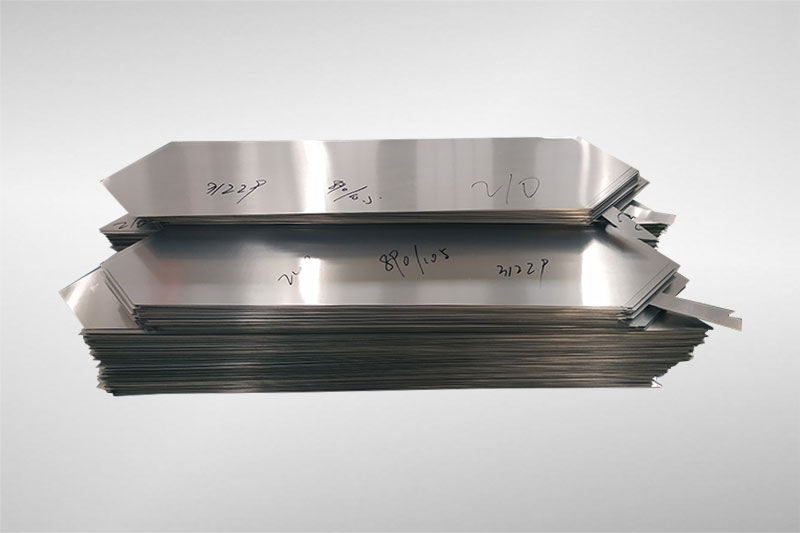
Partner with Luoyang Xinzhaohe: Your Precision Silicon Steel Core Supplier
Luoyang Xinzhaohe Aluminum Co., Ltd leverages over two decades of specialized metallurgical expertise and vertically integrated manufacturing to deliver silicon steel strip optimized for high-efficiency silicon core transformers. Our factory infrastructure is engineered specifically for the demanding requirements of electrical steel, ensuring consistent magnetic properties critical for core performance and energy loss minimization. We operate dedicated cold rolling mills with precise tension control systems and state-of-the-art continuous annealing lines, enabling exacting control over grain orientation and domain structure development essential for low core loss (W15/50) and high magnetic induction (B800) in both grain-oriented (GO) and non-oriented (NGO) grades.
Our production capabilities are anchored in rigorous process metallurgy. Continuous annealing lines feature precise dew point control (±0.5°C) and optimized heating/cooling profiles, critical for achieving the desired Goss texture in GO steel and stable magnetic domains in NGO grades. This granular control directly translates to guaranteed adherence to international standards (IEC 60404, ASTM A664, GB/T 2521) for core loss and permeability. Every production lot undergoes comprehensive electromagnetic testing using Epstein frame and Single Sheet Tester (SST) methodologies, with full traceability from melt chemistry to final strip properties. Our ISO 9001-certified quality management system integrates real-time process monitoring with stringent final inspection protocols, ensuring dimensional tolerances (thickness ±0.003mm, width ±0.1mm) and surface quality meet the exacting demands of automated core stacking processes.
Supply chain resilience and technical collaboration define our partnership model. We maintain strategic inventory buffers of key silicon steel grades, enabling reliable fulfillment against committed schedules. Our integrated logistics management handles containerized shipment coordination, export documentation, and customs clearance efficiently, minimizing landed cost volatility for global transformer manufacturers. Crucially, our engineering team provides proactive technical support beyond standard supply, including material selection guidance based on specific core design parameters, loss analysis support, and process optimization recommendations for lamination stamping and stacking. This deep technical engagement ensures our silicon steel strip integrates seamlessly into your manufacturing workflow, maximizing transformer efficiency and yield.
Key Silicon Steel Production Capabilities
| Parameter | Specification Range | Control Precision |
|——————–|—————————|————————|
| Thickness | 0.18mm – 0.35mm | ±0.003mm |
| Width | 80mm – 1250mm | ±0.1mm |
| Core Loss (W15/50) | 0.65 W/kg – 1.30 W/kg | Lot-to-Lot Variation < 3% |
| Magn. Induction (B800) | 1.88 T – 2.03 T | ±0.01 T |
| Annual Capacity | 50,000 Metric Tons | Dedicated Transformer Lines |
Partnering with Luoyang Xinzhaohe provides transformer manufacturers with a stable source of precision-engineered silicon steel strip, backed by metallurgical rigor and supply chain certainty. We reduce your material risk while enhancing core performance metrics. Initiate technical discussions to qualify our silicon steel for your next-generation transformer program. Contact Cathy directly at cathy@transformerstrip.com to review grade specifications, request certified test reports, or schedule a factory audit. Let our 20 years of electrical steel expertise power your core efficiency goals.
📉 Factory Direct Savings Calculator
Calculate your potential savings by importing silicon core transformer directly from China.