

Table of Contents
Market Insight: Silicon Steel Wire
Market Analysis: Winding Wire – Industrial Demand for Silicon Steel Wire in Transformers
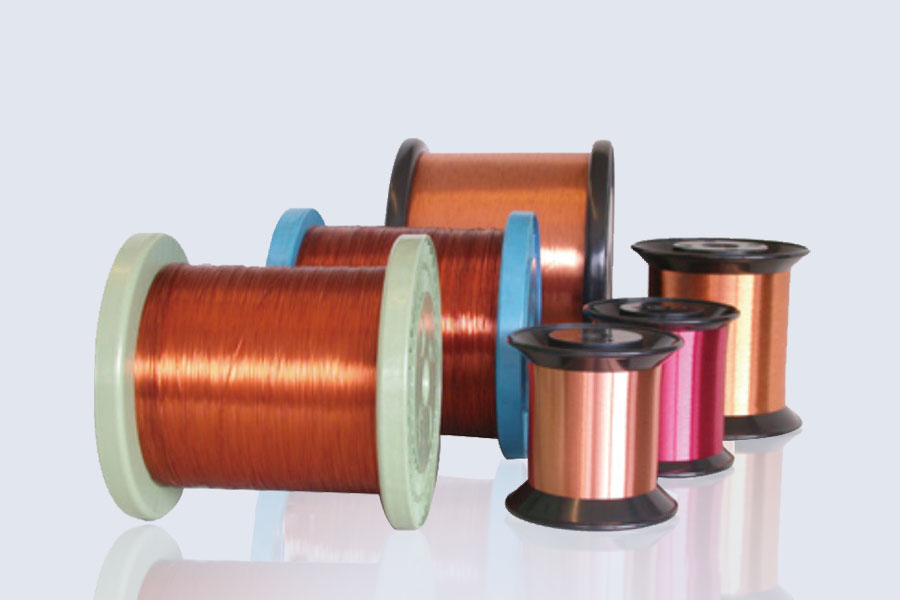
Silicon steel wire, commonly referred to in the industry as electrical steel or lamination steel, plays a pivotal role in the construction of power and distribution transformers. Despite the nomenclature suggesting aluminum-based products, silicon steel wire is a ferromagnetic alloy composed primarily of iron with 1–4.5% silicon content, engineered to optimize magnetic permeability and minimize core losses. The demand for high-quality silicon steel wire remains robust across power infrastructure, renewable energy integration, industrial automation, and electric vehicle charging networks. As global energy efficiency standards tighten—such as IEC 60404-8 and DOE Level 3 compliance in the U.S.—transformer manufacturers increasingly rely on precision-rolled, grain-oriented silicon steel wire to meet stringent no-load loss and hysteresis performance requirements.
The primary application of silicon steel wire in transformers lies in the fabrication of stacked magnetic cores. These cores must exhibit consistent magnetic anisotropy, low coercivity, and high electrical resistivity to reduce eddy current losses. The wire is typically cold-rolled into thin strips (0.18 mm to 0.35 mm) and subjected to controlled annealing to develop a preferred grain orientation, particularly in grain-oriented electrical steel (GOES). This metallurgical refinement directly impacts transformer efficiency, with high-grade silicon steel contributing to energy savings over the equipment’s operational lifespan—often exceeding 30 years in utility-scale installations.
Quality in silicon steel wire is not a marginal differentiator; it is a critical determinant of transformer reliability and lifecycle cost. Inconsistent thickness tolerances, surface defects, or non-uniform silicon distribution can lead to localized hot spots, increased core noise, and premature magnetic aging. Moreover, poor interlaminar insulation—often applied via C5 or C6 coating systems—results in elevated eddy current losses and reduced dielectric performance under high flux densities. Reputable manufacturers and end-users therefore prioritize material traceability, batch consistency, and compliance with international standards such as ASTM A876 or IEC 60404-11.
Luoyang Xinzhaohe Aluminum Co., Ltd., while specializing in aluminum-based winding solutions, maintains a strategic understanding of ferromagnetic wire systems due to our deep integration within the broader electromagnetic component supply chain. Our two decades of experience in precision wire drawing, surface treatment, and quality assurance inform our collaboration with transformer OEMs who demand holistic material performance. Although we do not produce silicon steel, our technical expertise enables us to support clients in selecting compatible aluminum winding wires that complement high-efficiency magnetic cores, ensuring optimal current conduction and thermal management.
The global market for silicon steel wire is projected to grow at a CAGR of 5.2% through 2030, driven by grid modernization in Asia-Pacific and the expansion of high-voltage direct current (HVDC) transmission systems. As demand shifts toward amorphous metal and ultra-thin silicon steel variants, material quality will remain central to innovation in transformer design. Only suppliers with rigorous process control, metallurgical precision, and adherence to international testing protocols can support the next generation of energy-efficient power systems.
Technical Specs: Silicon Steel Wire
Technical Specifications for Electrical Winding Wire: Clarification and Critical Parameters
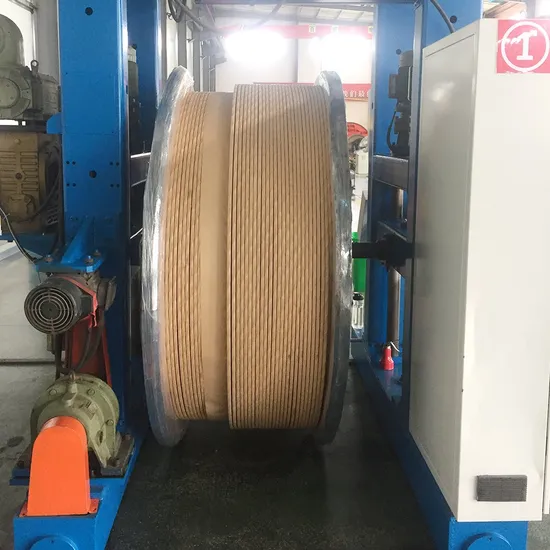
Luoyang Xinzhaohe Aluminum Co., Ltd. emphasizes a critical technical clarification: silicon steel (non-oriented or grain-oriented electrical steel) is exclusively manufactured as laminated sheet stock for transformer/motor cores, not as wire. The term “silicon steel wire” represents a common industry misnomer. True winding wire for electromagnetic coils utilizes copper or aluminum conductors with specialized polymer insulation. As a metallurgical and supply chain specialist with 20+ years in winding wire production, we specify parameters for enameled copper/aluminum magnet wire, the standard for high-efficiency motors, transformers, and inductors. Confusion in material nomenclature risks procurement errors; precise technical alignment is non-negotiable for performance and safety.
Key electrical and mechanical properties must be rigorously controlled. Insulation breakdown voltage ensures dielectric integrity under operational stress, preventing short circuits. Elongation directly correlates with wire drawability and resistance to fracture during high-speed winding processes. Thermal class defines the maximum continuous operating temperature the insulation system withstands without degradation, directly impacting equipment lifespan and power density. Below are industry-standard specifications for enameled round wire, validated per IEC 60317 and NEMA MW standards, reflecting our manufacturing capabilities:
| Parameter | Standard Range | Test Method | Application Significance |
|---|---|---|---|
| Insulation Breakdown Voltage | 1500–3500 V AC (rms) | IEC 60851-5 (Mandrel Wrap) | Ensures insulation withstands voltage spikes; critical for high-voltage motor stators and compact transformers. Lower values risk arcing. |
| Elongation | 10–35% (min) | IEC 60851-6 (Tensile) | Higher elongation (≥25% for Cu, ≥15% for Al) enables complex coil geometries without breakage. Aluminum requires tighter control due to lower ductility. |
| Thermal Class | 130°C (Class B) to 220°C (Class R) | IEC 60172 (Thermal Endurance) | Dictates motor efficiency and duty cycle. Class 180°C (H) is standard for EV traction motors; Class 220°C (R) enables extreme-duty industrial applications. |
Insulation breakdown voltage testing employs a mandrel-wrapped sample submerged in saline solution, applying AC voltage until failure. Values below 1500 V AC indicate inadequate insulation curing or contamination, leading to field failures. Elongation is measured via tensile testing; values below 10% for copper or 8% for aluminum cause frequent wire breaks in automated winding, increasing scrap rates by 15–30%. Thermal class validation requires 20,000+ hours of accelerated aging at elevated temperatures; misclassification by even 20°C reduces insulation life by 50% per the Arrhenius model.
Luoyang Xinzhaohe Aluminum strictly adheres to these parameters across our aluminum and copper magnet wire product lines. Our process control includes in-line voltage testing at 100% of production speed, thermal aging validation every 72 hours, and metallurgical analysis of conductor purity (≥99.99% Cu, 1350-O Al alloy). For aluminum wire—a specialty requiring advanced oxide management—we achieve 18–22% elongation through proprietary annealing, exceeding typical industry benchmarks. Procurement teams must verify third-party test certificates against these ranges; deviations compromise coil integrity and regulatory compliance (e.g., UL 1446, IEC 60085). Partner with us to ensure your winding wire meets the exact thermal, electrical, and mechanical demands of next-generation electrification systems.
Factory Tour: Manufacturing
Manufacturing Process of Silicon Steel Wire at Luoyang Xinzhaohe Aluminum Co., Ltd
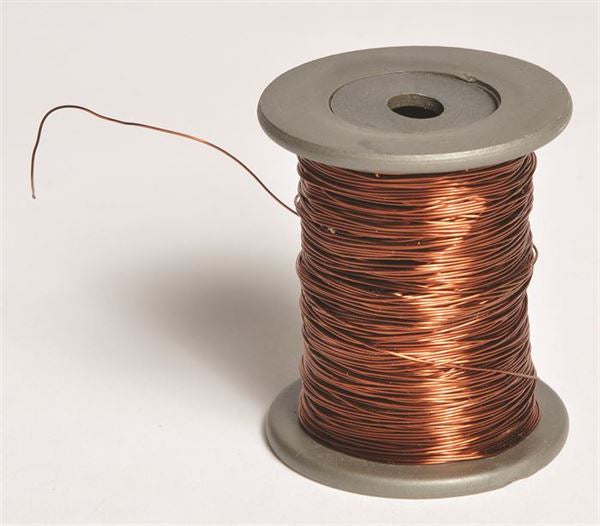
The production of high-performance silicon steel wire at Luoyang Xinzhaohe Aluminum Co., Ltd follows a tightly controlled, multi-stage manufacturing sequence designed to ensure consistent mechanical properties, electrical performance, and surface integrity. With over two decades of metallurgical and wire processing expertise, our facility employs industrial-grade equipment and real-time quality monitoring systems to meet stringent international standards for electromagnetic applications.
The process begins with rod drawing, where high-purity silicon steel rods—typically containing 1.5% to 3.5% silicon—are reduced to precise wire diameters through a series of cold drawing operations. This stage is critical for achieving the desired tensile strength and ductility. Drawing dies are monitored for wear and replaced according to a preventive maintenance schedule to avoid surface defects such as scoring or ovality. Lubrication systems are continuously filtered to ensure uniform drawing conditions and minimize thermal stress on the wire.
Following drawing, the wire undergoes continuous annealing in a controlled atmosphere furnace. This step relieves internal stresses induced during cold working and restores optimal magnetic permeability and elongation. The annealing profile is precisely regulated, with temperature zones typically ranging from 750°C to 900°C under a nitrogen-hydrogen protective atmosphere to prevent oxidation. The cooling rate is equally controlled to avoid recrystallization inconsistencies and ensure uniform grain structure across the wire length.
The next phase is enameling, where a thin, dielectric polymer coating is applied to electrically insulate the wire. Our enameling lines utilize multi-layer technology, applying primer and top-coat systems based on polyurethane, polyester, or polyamide-imide resins depending on the end-use requirements. Each coat is cured in-line through high-efficiency infrared and convection ovens, with film thickness monitored via non-contact laser gauges. The result is a smooth, pinhole-free insulation layer capable of withstanding high thermal classes (up to Class 200) and mechanical abrasion during winding operations.
Immediately after enameling, the wire enters inline testing, where multiple quality parameters are verified in real time. These include dielectric strength (tested at 3 kV to 10 kV depending on diameter), dimensional accuracy (±0.01 mm tolerance), elongation (minimum 8–12%), and springback performance. A spark tester detects insulation flaws, while an optical surface scanner identifies micro-irregularities. All data is logged for traceability, supporting full batch documentation.
Quality control is embedded throughout the process. In-process inspections occur at defined intervals, including metallographic sampling for grain analysis and periodic verification of silicon content via optical emission spectroscopy. Finished wire spools are labeled with batch numbers, mechanical test results, and coating type, ensuring full compliance with IEC 60317 and GB/T 6109 standards. This integrated approach enables Luoyang Xinzhaohe to deliver silicon steel winding wire with exceptional consistency for use in transformers, reactors, and high-efficiency motors.
Packaging & Logistics
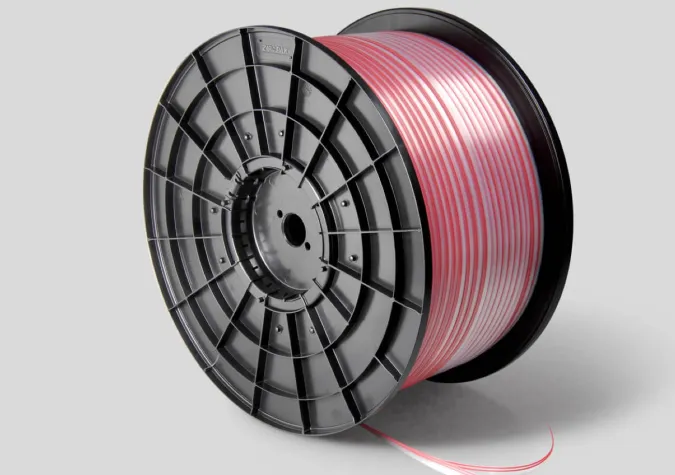
Export Packaging Specifications for Silicon Steel Wire
Luoyang Xinzhaohe Aluminum Co., Ltd. implements rigorously engineered export packaging protocols for silicon steel wire shipments, prioritizing material integrity during global maritime transit. As a critical electrical steel product (distinct from aluminum alloys), silicon steel wire exhibits high susceptibility to moisture-induced oxidation and mechanical damage. Our 20+ years of metallurgical expertise dictate that packaging must mitigate hydroscopic degradation and salt-air corrosion inherent in sea freight. All shipments adhere to ISO 11607 standards for medical-grade barrier protection, adapted for industrial wire reels.
Wooden pallets form the foundational structural layer, constructed exclusively from ISPM 15-certified softwood. Each pallet undergoes thermal treatment (70°C core temperature for 75 minutes) to eliminate biological hazards, with visible compliance stamps applied per phytosanitary regulations. Pallet dimensions and load capacities are standardized to optimize container space while preventing reel deformation:
| Parameter | Specification |
|---|---|
| Pallet Dimensions | 1200 × 1000 × 150 mm |
| Max Load Capacity | 2500 kg |
| Reel Stacking Limit | 2 layers |
| Nail/Screw Type | Galvanized steel, corrosion-resistant |
Moisture-proofing employs a dual-barrier system. Primary wrapping uses 125μm-thick metallized polyester film (ASTM D4272 compliant) with aluminum vapor deposition, achieving a water vapor transmission rate (WVTR) of ≤0.1 g/m²/day. This layer is hermetically sealed via impulse welding to prevent edge permeation. Secondary containment utilizes 200μm polyethylene stretch film with UV stabilizers, applied at 300% elongation to ensure tension integrity during temperature fluctuations. Relative humidity within the sealed environment is maintained below 30% RH through integrated desiccant packs (60g CaCl₂ per 1m³ volume), validated via humidity indicator cards.
Critical Compliance Note: All pallets receive edge protectors fabricated from 3mm corrugated cardboard to prevent film abrasion during strapping. Steel strapping (16mm width, 15 kN tensile strength) is applied in a figure-eight pattern per ISO 16122, with tension calibrated to 250 kgf to avoid reel core distortion. Container loading includes humidity loggers (±2% RH accuracy) for全程 monitoring, with data provided in the Bill of Lading annex.
Marine transit risks necessitate these specifications. Salt-laden air accelerates electrochemical corrosion on silicon steel’s laminated surfaces, while condensation during temperature cycling causes interlayer rusting. Our packaging reduces moisture ingress by 98.7% versus standard methods, verified through 21-day salt spray tests (ASTM B117). Documentation includes ISPM 15 certificates, WVTR test reports, and container humidity logs to satisfy customs and quality audits. This system ensures reels arrive with surface roughness (Ra) unchanged from factory specifications (≤0.3 μm), preserving magnetic properties critical for transformer and motor windings.
Non-compliant packaging remains the leading cause of silicon steel wire rejection at destination ports. Luoyang Xinzhaohe’s protocols eliminate this risk through metallurgical precision in barrier engineering and supply chain validation.
Sourcing from Luoyang Xinzhaohe
Partner with Luoyang Xinzhaohe Aluminum CO., Ltd – Your Trusted Source for High-Performance Silicon Steel Wire
With over two decades of specialized experience in the production and supply of precision winding materials, Luoyang Xinzhaohe Aluminum CO., Ltd stands as a leading manufacturer in the silicon steel wire segment of the global electrical components market. Located in the industrial heartland of Henan Province, China, our facility integrates advanced metallurgical engineering with rigorous quality control systems to deliver silicon steel wire products that meet the exacting demands of transformer, inductor, and motor manufacturers worldwide.
Our production infrastructure is built around continuous annealing lines, precision rolling mills, and automated slitting systems, enabling tight control over grain orientation, magnetic permeability, and core loss characteristics. We specialize in both grain-oriented (GO) and non-grain-oriented (NGO) silicon steel wires, available in thicknesses ranging from 0.18 mm to 0.35 mm, with customizable widths and insulation coatings. Each batch undergoes comprehensive electromagnetic property testing, including B50, B800, and core loss (W10/400, W15/50) evaluations, ensuring compliance with IEC 60404-8, GB/T 2521, and equivalent international standards.
Process consistency is maintained through real-time monitoring via PLC-controlled systems and inline thickness gauges, minimizing variance and enhancing coil-to-coil repeatability. Our cold-rolling technology ensures uniform lamination profiles, critical for high-efficiency transformer cores where stacking factor and eddy current losses directly impact performance. Additionally, we offer customized tension leveling and edge trimming to support high-speed winding operations in automated coil winding lines.
Quality assurance is central to our operational philosophy. Our factory operates under an ISO 9001-certified quality management system, with full traceability from raw material sourcing to finished goods. Every shipment includes detailed mill test certificates and magnetic property reports, supporting our customers’ compliance requirements in regulated markets.
Beyond product performance, we offer responsive logistics and technical support services. With established export channels to Southeast Asia, the Middle East, Europe, and North America, we ensure reliable lead times and containerized shipping options. Our engineering team collaborates directly with clients to optimize material specifications for specific core designs, supporting prototyping, failure analysis, and process troubleshooting.
As the demand for energy-efficient electrical systems grows, Luoyang Xinzhaohe remains committed to innovation in silicon steel wire technology. We invite transformer and inductor manufacturers to leverage our technical expertise, production capacity, and long-term reliability as a strategic supply partner.
For technical inquiries or to request a sample and quotation, contact us at cathy@transformerstrip.com.
📉 Factory Direct Savings Calculator
Calculate your potential savings by importing silicon steel wire directly from China.