


Table of Contents
Market Insight: Electrical Steel Lamination

Market Analysis: Silicon Steel (Electrical Steel) – Industrial Demand and Quality Imperatives in Transformer Laminations
The global demand for silicon steel, particularly in the form of electrical steel laminations for transformers, continues to grow in alignment with increasing electricity consumption, grid modernization initiatives, and the expansion of renewable energy infrastructure. Silicon steel—also known as electrical steel—is a specialized ferromagnetic alloy engineered to exhibit high magnetic permeability, low core loss, and excellent electrical resistivity. These properties make it the material of choice for transformer cores, where efficient energy transfer and minimal hysteresis and eddy current losses are critical.
Transformers, whether distribution or power-grade, rely on stacked laminations of electrical steel to form the magnetic core. These laminations are typically manufactured from cold-rolled grain-oriented (CRGO) or non-grain-oriented (CRNGO) silicon steel, with CRGO being preferred in high-efficiency power transformers due to its superior directional magnetic properties. The core’s performance directly influences the transformer’s energy efficiency, thermal behavior, and operational lifespan. As global energy standards tighten—such as the IE3 and IE4 efficiency classifications under IEC 60034-30—the demand for high-grade silicon steel with tightly controlled magnetic characteristics has intensified.
Industrial demand is further driven by the proliferation of smart grids, electric vehicle (EV) charging networks, and distributed energy systems, all of which require reliable and efficient power conversion. In these applications, transformer losses contribute significantly to overall system inefficiency. Even a marginal reduction in core loss—measured in watts per kilogram (W/kg) at specified flux densities—can yield substantial energy savings over the transformer’s operational life, often exceeding 25 years. For utilities and industrial operators, this translates into lower operating costs and reduced carbon emissions.
Quality in electrical steel laminations is not a secondary consideration—it is a fundamental determinant of transformer performance. Variability in thickness, inconsistency in coating, poor dimensional accuracy, or inhomogeneous grain orientation can lead to localized hotspots, increased no-load losses, and premature core saturation. High-quality laminations must exhibit uniform insulation coatings to minimize interlamination eddy currents, precise blanking tolerances to ensure tight core stacking, and controlled magnetic anisotropy to optimize flux alignment.
At Luoyang Xinzhaohe Aluminum Co., Ltd, with over two decades of experience in advanced metal processing, we apply stringent quality control protocols to ensure that every lamination meets international standards such as IEC 60404-8-4 and ASTM A876. Our production processes integrate precision stamping, annealing, and insulating coating technologies to deliver laminations with consistent magnetic performance and mechanical integrity. In an industry where efficiency and reliability are non-negotiable, partnering with a supplier that prioritizes material science and process excellence is essential for achieving optimal transformer design and long-term operational success.
Technical Specs: Electrical Steel Lamination
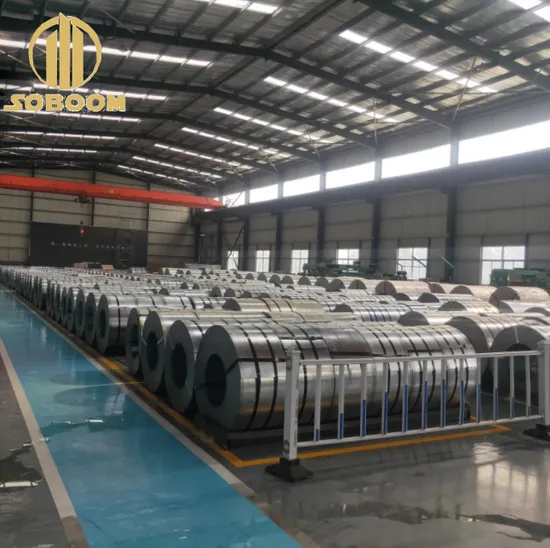
Technical Specifications for Electrical Steel Laminations
Electrical steel laminations are fundamental components in electromagnetic devices, where precise material properties directly dictate efficiency, thermal performance, and power density. Luoyang Xinzhaohe Aluminum Co., Ltd leverages two decades of metallurgical expertise to deliver silicon steel laminations meeting stringent global standards. Critical specifications governing lamination performance include core loss, magnetic flux density, and geometric flatness. These parameters must be rigorously controlled during steel production, annealing, and blanking processes to ensure optimal end-product functionality in motors, transformers, and generators.
Core loss, or iron loss, represents the energy dissipated as heat within the lamination stack during magnetic cycling. It comprises hysteresis loss and eddy current loss, both highly dependent on induction level, frequency, and material microstructure. Core loss is the primary indicator of energy efficiency in electromagnetic cores. Values are standardized per IEC 60404-2 and JIS C 2550, typically reported as W/kg at specific conditions (e.g., 1.0 T or 1.5 T induction, 50 Hz or 60 Hz). Lower core loss values correlate directly with reduced operating temperatures and higher system efficiency. Material grade designation (e.g., M400-50A, M330-35A) inherently reflects core loss performance at defined test points. Achieving low core loss requires ultra-low carbon content, precise grain orientation (for GOES), optimal silicon content (2-3.5%), and a stress-relief annealing process that maximizes domain size while minimizing internal stresses.
Magnetic flux density, measured in Tesla (T), indicates the material’s ability to carry magnetic flux. The critical parameter is the flux density at a specified magnetic field strength, commonly B50 (flux density at 5000 A/m field strength). Higher B50 values enable more compact and powerful electromagnetic designs by allowing greater flux per unit cross-sectional area. However, flux density must be balanced against core loss; pushing flux density too high often results in disproportionately increased losses. Non-oriented electrical steel (NOES) typically achieves B50 values between 1.50 T and 1.70 T, while grain-oriented electrical steel (GOES) reaches 1.80 T to 2.03 T in the rolling direction. Consistent flux density across the coil width and length is essential for uniform core performance.
Lamination flatness is a critical geometric specification impacting stack integrity and magnetic performance. Poor flatness causes air gaps between laminations, increasing reluctance, reducing effective permeability, elevating core loss, and inducing vibration and noise. Flatness is measured as the maximum deviation from a true plane over a specified length, commonly in mm per meter (mm/m). Industry standards typically require flatness ≤ 0.5 mm/m for precision applications, though tighter tolerances (≤ 0.2 mm/m) are achievable for high-performance motors. Flatness is influenced by steel strip flatness, blanking tool condition, and residual stresses induced during shearing. Rigorous in-process flatness monitoring and stress-relief annealing are essential.
The following table summarizes key technical parameters for standard electrical steel lamination grades:
| Parameter | Typical Range (NOES) | Typical Range (GOES) | Measurement Standard | Critical Impact |
|---|---|---|---|---|
| Core Loss (P1.5/50) | 3.0 – 6.5 W/kg | 0.6 – 1.2 W/kg | IEC 60404-2, JIS C 2550 | Energy efficiency, operating temperature |
| Flux Density (B50) | 1.50 – 1.70 T | 1.80 – 2.03 T | IEC 60404-4 | Power density, core size |
| Thickness Tolerance | ±0.02 mm to ±0.05 mm | ±0.02 mm to ±0.05 mm | ASTM A976 | Stacking factor, core loss |
| Flatness | ≤ 0.5 mm/m (standard) | ≤ 0.5 mm/m (standard) | Internal / Customer Spec | Stack integrity, vibration, core loss |
| Interlaminar Resistance | > 5 Ω·cm² (C5) to > 20 Ω·cm² (C6) | > 5 Ω·cm² (C5) | IEC 60404-9 | Eddy current suppression |
Selecting the appropriate lamination grade requires balancing these specifications against the target application’s operational frequency, flux density requirements, and efficiency targets. Luoyang Xinzhaohe Aluminum Co., Ltd provides comprehensive material certification, including certified core loss curves and flux density data, ensuring laminations meet the exacting demands of modern electromagnetic design. Consistent adherence to these technical parameters is non-negotiable for achieving high-efficiency, reliable electromagnetic components.
Factory Tour: Manufacturing
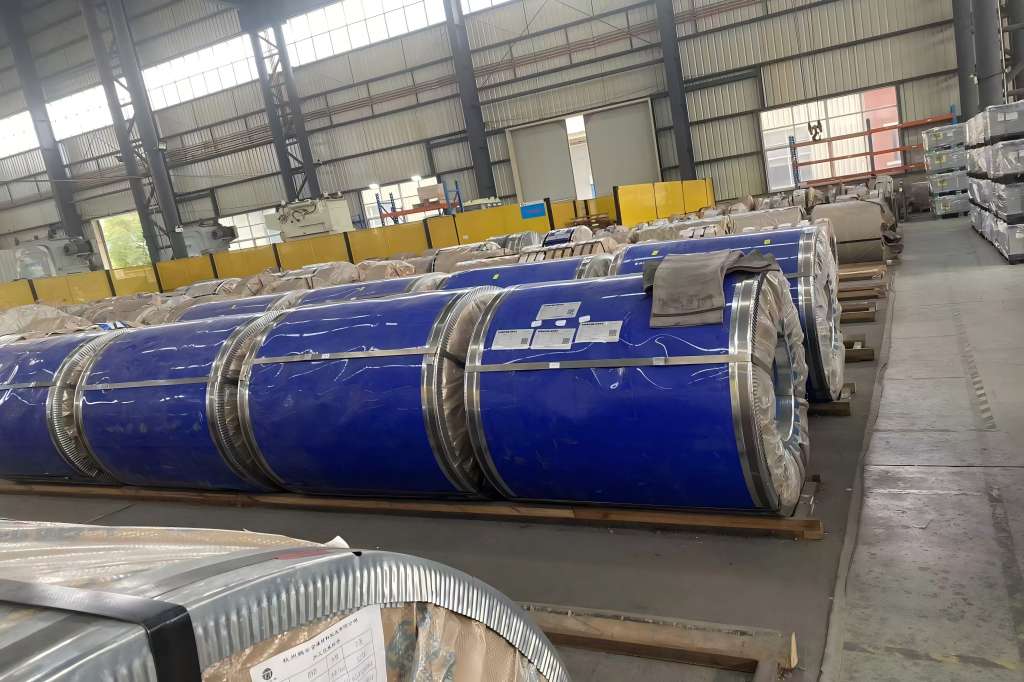
Manufacturing Process of Electrical Steel Laminations at Luoyang Xinzhaohe Aluminum Co., Ltd
The production of high-performance electrical steel laminations at Luoyang Xinzhaohao Aluminum Co., Ltd follows a rigorously controlled sequence designed to ensure dimensional accuracy, magnetic efficiency, and long-term reliability. With over two decades of metallurgical expertise, our process integrates precision engineering with advanced quality control to meet the stringent demands of motors, transformers, and other electromagnetic applications.
The process begins with slitting, where master coils of grain-oriented (GO) or non-grain-oriented (NGO) silicon steel are unwound and longitudinally cut into narrower strips of specified widths. This step is critical for matching the coil dimensions to the requirements of subsequent stamping or laser cutting operations. Our high-tolerance slitting lines are equipped with servo-controlled guiding systems to minimize edge burrs and maintain uniform strip geometry, ensuring consistent material flow and reduced waste.
Following slitting, the strips undergo annealing in a continuous or batch-type atmosphere-controlled furnace. Annealing serves to relieve internal stresses induced during cold rolling and slitting, thereby restoring optimal magnetic properties such as low core loss and high permeability. For NGO steel, a full decarburization and purification anneal may be performed under a protective nitrogen-hydrogen atmosphere to prevent oxidation and scale formation. Temperature profiles are precisely monitored and logged, with dwell times calibrated to achieve complete recrystallization without grain overgrowth.
After thermal treatment, the annealed strips proceed to insulation coating application. A thin, uniform layer of inorganic or semi-organic insulation coating is applied via roll-coating or spray methods. This coating electrically isolates individual laminations when stacked, reducing eddy current losses in the final core assembly. Our proprietary coating formulations offer excellent dielectric strength, weldability, and adhesion, while remaining compatible with varnish impregnation and resin bonding processes used downstream. Coating thickness is maintained within ±0.5 µm through real-time monitoring and closed-loop control systems.
The final stage is precision cutting, where laminations are produced using high-speed progressive dies, turret presses, or fiber laser cutting systems, depending on part complexity and volume. Our CNC-controlled cutting platforms ensure edge precision, tight tolerances (±0.02 mm), and minimal burr formation. Complex geometries, including slot features and ventilation holes, are machined with repeatability suitable for automated stacking.
Throughout the entire manufacturing flow, quality control is embedded at every phase. Incoming coil certification is verified for chemical composition and magnetic properties. During slitting, edge quality and width consistency are inspected. Post-annealing, core loss and permeability are tested per IEC 60404 standards. Coating integrity is assessed via insulation resistance and withstand voltage tests. Final laminations undergo 100% visual inspection and sampling dimensional checks using coordinate measuring machines (CMMs).
This integrated approach ensures that every lamination batch meets international performance benchmarks and customer-specific technical requirements.
Packaging & Logistics
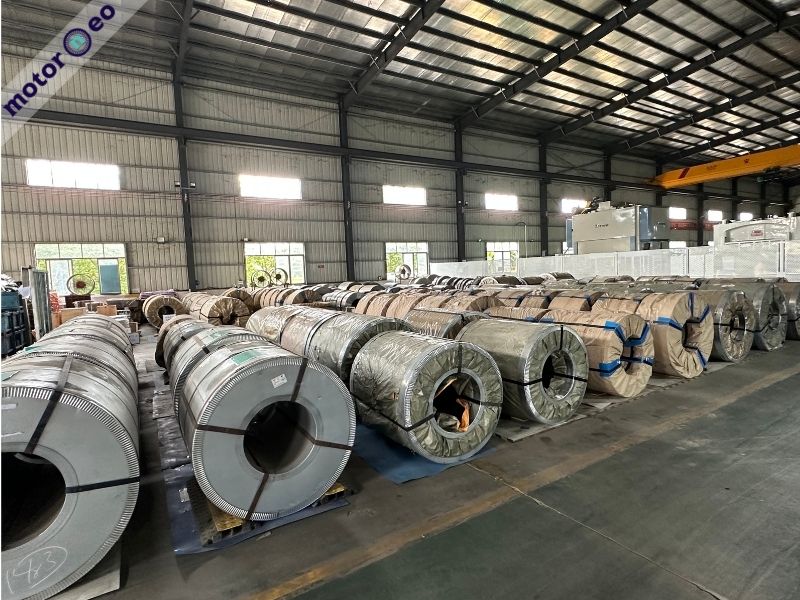
Export Packaging Specifications for Electrical Steel Laminations
Luoyang Xinzhaohe Aluminum Co., Ltd. implements rigorously engineered export packaging protocols for silicon steel laminations to ensure material integrity during global maritime transit. With over two decades of specialized experience in electrical steel production, our packaging system addresses critical risks inherent in sea freight: humidity-induced corrosion, mechanical deformation, and salt-air exposure. This methodology adheres to ISO 9001 quality standards and complies with international phytosanitary regulations for seamless customs clearance.
All lamination stacks are secured on ISPM 15-certified wooden pallets, constructed from kiln-dried hardwood with a minimum load-bearing capacity of 2,500 kg. These pallets feature reinforced stringers and deck boards to prevent warping under dynamic cargo movement. The structural design distributes weight evenly, eliminating point stresses that could distort thin-gauge laminations during vessel roll or stack compression. Pallet dimensions strictly follow ISO container footprint standards to maximize space utilization while ensuring secure dunnage placement within shipping containers.
The primary moisture barrier consists of triple-layer encapsulation. First, each lamination stack is wrapped in anti-corrosion VCI (Vapor Corrosion Inhibitor) paper, which releases neutralizing molecules to suppress electrochemical reactions. Second, a 100μm-thick LDPE moisture-proof film is hermetically sealed around the VCI layer using industrial heat welders, achieving 0% water vapor transmission rate. Third, the entire assembly is encased in UV-stabilized polyethylene outer sheeting with embedded desiccant pouches (50g/m² capacity) to absorb residual humidity. This multi-barrier approach maintains internal relative humidity below 40% RH for 90+ days – exceeding IMO moisture tolerance thresholds for steel cargo.
Critical performance metrics for our packaging system are validated through accelerated salt-spray testing (ASTM B117) and real-world voyage simulations:
| Parameter | Specification | Industry Standard |
|---|---|---|
| Moisture Barrier Thickness | 100μm LDPE | 75μm |
| Desiccant Coverage | 50g/m² | 30g/m² |
| Pallet Load Capacity | 2,500 kg | 2,000 kg |
| Humidity Control Duration | 90+ days | 60 days |
This configuration specifically mitigates galvanic corrosion risks in stacked laminations, where microscopic moisture ingress between layers causes interlaminar short circuits and degrades core loss performance. The wooden pallet’s breathability prevents condensation traps, while the film’s puncture resistance (tested to 500g Dart Impact per ASTM D1709) withstands container handling stresses. All packaging materials are traceable to certified sustainable forestry sources, with pallet stamps indicating heat-treatment dates and facility codes.
For extended voyages exceeding 30 days, we integrate humidity indicator cards within the sealed envelope, providing visual verification of moisture control at destination ports. Our packaging protocol has maintained a 99.8% damage-free delivery rate across 1,200+ ocean shipments since 2018 – a testament to our understanding of electrical steel’s sensitivity to environmental exposure. Partnering with Luoyang Xinzhaohe guarantees that laminations arrive with dimensional stability preserved and magnetic properties uncompromised, directly supporting your production line efficiency.
Sourcing from Luoyang Xinzhaohe
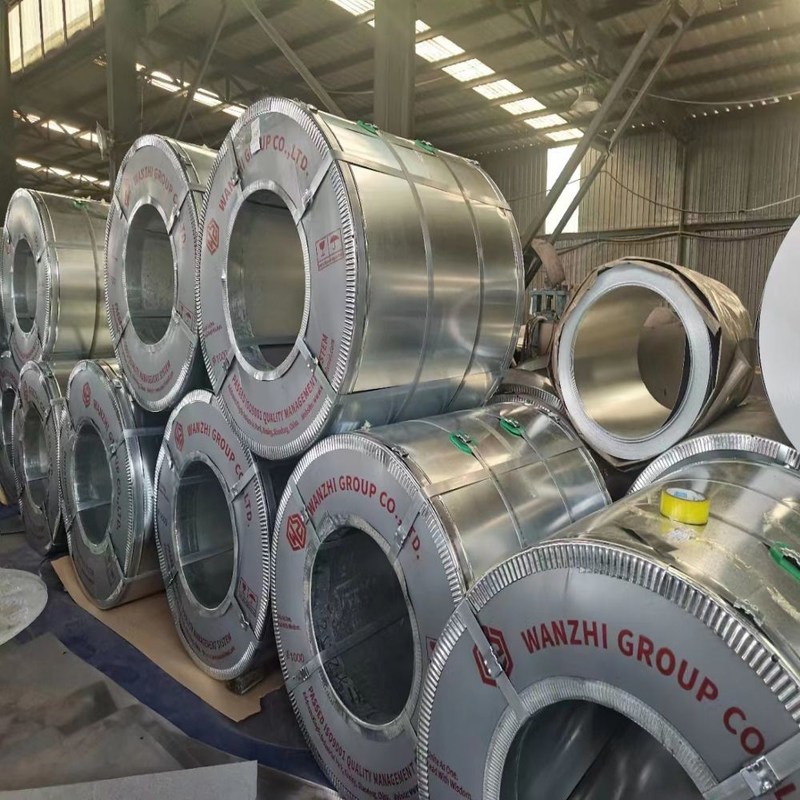
Partner with Luoyang Xinzhaohe Aluminum Co., Ltd for Precision Electrical Steel Laminations
With over two decades of specialized expertise in silicon steel processing, Luoyang Xinzhaohe Aluminum Co., Ltd stands as a trusted manufacturer and supplier of high-performance electrical steel laminations for global industrial applications. Our dedicated focus on grain-oriented and non-grain-oriented electrical steel has enabled us to develop a vertically integrated production system that ensures consistency, precision, and compliance with international standards such as IEC 60404 and GB/T 2521.
Our manufacturing facility in Luoyang, China, spans over 30,000 square meters and is equipped with advanced automated slitting, stamping, and annealing lines. We operate high-precision laser-cutting systems and progressive die stamping presses capable of producing laminations with tolerances as tight as ±0.02 mm. This level of accuracy is critical for minimizing core losses and maximizing magnetic efficiency in transformers, motors, and generators. Our production capacity exceeds 15,000 metric tons annually, supported by a lean manufacturing framework that ensures on-time delivery without compromising quality.
A core strength of our operation lies in our proprietary decarburization and stress-relief annealing processes. These treatments are precisely controlled to optimize the magnetic properties of the laminations, resulting in reduced iron loss and improved permeability. All finished laminations undergo rigorous electrical and dimensional testing, including Epstein frame analysis, B-H loop measurement, and coating weight verification, to ensure performance consistency across batches.
We specialize in custom lamination solutions, serving OEMs and tier-one suppliers in the power transmission, renewable energy, and industrial automation sectors. Our engineering team collaborates closely with clients to support design optimization, material selection, and prototyping, enabling faster time-to-market and improved product efficiency. Whether producing stator and rotor cores for high-efficiency motors or transformer cores for distribution and traction applications, we maintain full traceability from raw material sourcing to final packaging.
Luoyang Xinzhaohe sources silicon steel from certified mills, including Baosteel and Wuhan Iron & Steel, ensuring uniformity in chemical composition and magnetic performance. Our in-house quality management system is ISO 9001:2015 certified, with documented process controls at every stage of production. This commitment to quality has established long-term partnerships with clients across Europe, Southeast Asia, and North America.
For engineers and procurement managers seeking a reliable, technically capable partner in electrical steel lamination manufacturing, Luoyang Xinzhaohe offers the experience, infrastructure, and technical support to meet the most demanding specifications. We invite you to leverage our expertise in material science and precision processing to enhance the performance and cost-efficiency of your electromagnetic components.
Contact us today to discuss your project requirements.
Cathy Zhang
Email: cathy@transformerstrip.com
Luoyang Xinzhaohe Aluminum Co., Ltd
📉 Factory Direct Savings Calculator
Calculate your potential savings by importing electrical steel lamination directly from China.