


Table of Contents
Market Insight: Enameled Wire Soldering
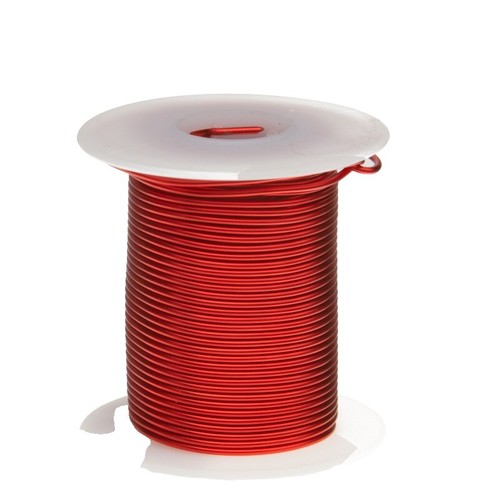
Market Analysis: Winding Wire – Industrial Demand for Enamelled Wire Soldering in Transformers
The global transformer manufacturing sector remains one of the largest consumers of winding wire, particularly enameled copper and aluminum magnet wire. As electrical infrastructure expands and energy efficiency standards tighten, demand for high-performance transformers continues to grow across power distribution, renewable energy integration, industrial automation, and electric mobility applications. A critical aspect of transformer assembly within this context is the soldering of enameled winding wire, a process that directly influences device reliability, electrical continuity, and long-term operational integrity.
Enamelled wire soldering is essential in establishing secure terminations between coil windings and lead wires or terminal blocks. The insulation coating—typically composed of polyurethane, polyesterimide, or polyamide-imide—must be effectively removed or displaced during soldering to ensure low-resistance electrical connections. Inadequate solder joint formation can result in increased contact resistance, localized heating, and eventual failure under load. Given that transformers are often designed for continuous operation over decades, the durability of these joints is paramount. Industrial users, including OEMs and tier-1 suppliers, prioritize winding wire that exhibits consistent solderability, thermal stability, and compatibility with automated soldering processes such as dip soldering, iron soldering, or selective wave soldering.
Quality in enameled wire directly impacts solder joint integrity. High-quality wire features uniform insulation thickness, precise dimensional tolerances, and controlled solderability characteristics. For instance, solderable enamelled wires often incorporate a bonding layer or are designed to thermally degrade in a predictable manner during the soldering cycle, allowing clean metal-to-metal contact without excessive fluxing or mechanical abrasion. Inferior wire may exhibit insulation remnants post-soldering, inconsistent stripping behavior, or surface oxidation, all of which compromise joint reliability. Additionally, aluminum enameled wire—increasingly adopted for its weight and cost advantages—requires specialized soldering techniques and compatible alloys to prevent galvanic corrosion and ensure mechanical strength.
From a supply chain perspective, manufacturers like Luoyang Xinzhaohe Aluminum Co., Ltd. play a pivotal role in delivering enameled wire that meets stringent industry specifications such as IEC 60317, NEMA MW, and ASTM B356. With over two decades of experience in aluminum-based winding wire production, the company emphasizes material purity, process control, and rigorous testing protocols to ensure solderability and long-term performance in transformer applications. As global markets shift toward higher efficiency classes (e.g., IE4 and IE5 motors, amorphous core transformers), the demand for precision-engineered enameled wire with proven soldering performance will only intensify.
In summary, the industrial demand for enameled wire soldering in transformers is driven by the need for reliable, efficient, and durable electrical systems. Quality wire ensures consistent solder joint formation, reduces field failures, and supports automation in high-volume manufacturing environments. For transformer producers, sourcing from technically proficient suppliers with deep metallurgical and process expertise is not merely a cost consideration—it is a strategic imperative for product performance and market competitiveness.
Technical Specs: Enameled Wire Soldering
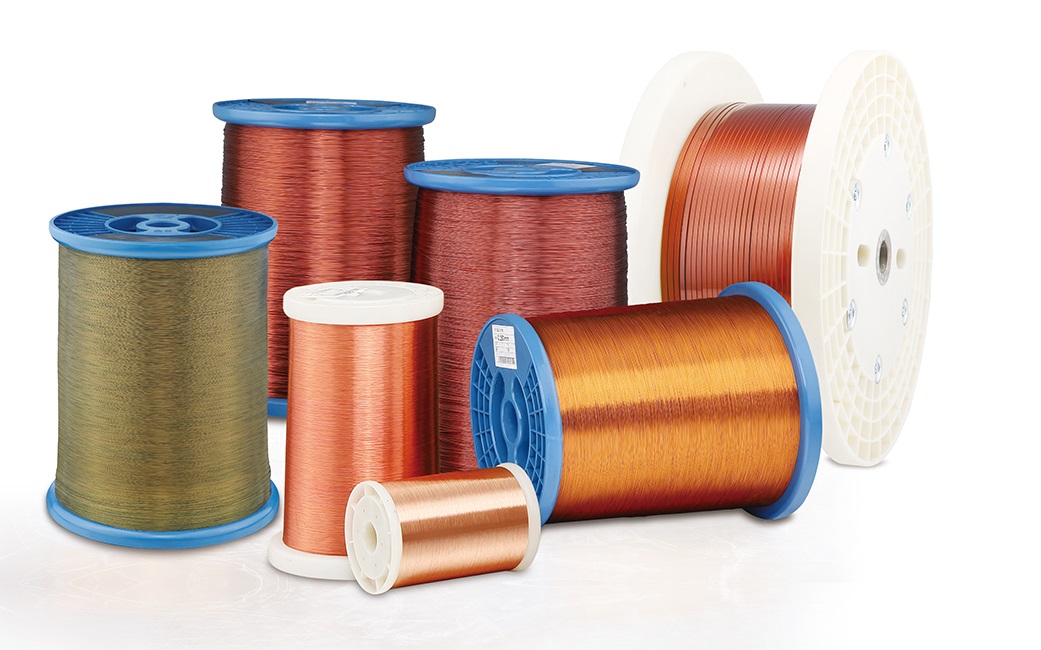
Technical Specifications for Aluminum Enameled Winding Wire Soldering
Luoyang Xinzhaohe Aluminum Co. Ltd leverages over two decades of specialized metallurgical and winding wire production expertise to define critical technical parameters for reliable enameled aluminum wire soldering. Precise adherence to these specifications ensures insulation integrity, mechanical stability, and thermal performance during automated soldering processes, directly impacting motor and transformer longevity. Soldering exposes the wire to rapid thermal transients; therefore, key properties must withstand these stresses without degradation. Insulation breakdown voltage, elongation, and thermal class are non-negotiable criteria dictating compatibility with reflow soldering profiles and end-use reliability. Aluminum conductors present unique challenges compared to copper, particularly regarding thermal expansion coefficients and surface oxide behavior during solder wetting, necessitating stringent control over these parameters.
Insulation breakdown voltage quantifies the dielectric strength of the enamel coating. This parameter is critical during soldering as localized overheating can carbonize insulation, creating conductive paths. Minimum breakdown voltage must exceed 1000 V AC for standard applications, with high-reliability sectors demanding 1500 V AC or higher. Values below specification risk inter-turn shorts during thermal cycling or voltage surges post-soldering. Elongation measures the conductor’s ductility under tensile stress. Adequate elongation (typically 8% to 15% for aluminum alloys versus copper’s 10-30%) is essential to absorb mechanical stresses induced during coil insertion, lead forming, and thermal expansion mismatches during soldering. Insufficient elongation increases fracture risk at solder joints or sharp bends, especially with aluminum’s lower inherent ductility. Thermal class defines the maximum continuous operating temperature the insulation system can endure for 20,000 hours without significant degradation. For aluminum enameled wire, common classes range from 130°C (Class B) to 220°C (Class C). The selected class must exceed the peak soldering temperature by a minimum safety margin of 25°C; for example, lead-free reflow profiles peaking at 260°C require Class 200°C (180°C base + 20°C margin) or higher insulation to prevent thermal decomposition during the process.
The following table details the mandatory specifications and their direct implications for soldering success:
| Parameter | Standard Range for Aluminum Wire | Critical Soldering Consideration | Test Method Reference |
|---|---|---|---|
| Insulation Breakdown Voltage | ≥ 1000 V AC (min) ≥ 1500 V AC (high-reliability) |
Must withstand voltage spikes during soldering thermal shock; low values cause immediate or latent insulation failure | IEC 60851-5 / GB/T 4074.5 |
| Elongation | 8% – 15% (alloy dependent) | Absorbs stress from thermal expansion during soldering; values <8% risk conductor fracture at joints | IEC 60851-4 / GB/T 4074.4 |
| Thermal Class | 130°C (B) to 220°C (C) | Peak soldering temp must be ≤ (Class Temp – 25°C); e.g., 260°C soldering requires ≥ Class 200°C | IEC 60172 / GB/T 11021 |
Understanding these interlinked parameters is paramount. A thermal class mismatch causes irreversible enamel cracking during soldering, directly compromising breakdown voltage. Similarly, marginal elongation combined with aggressive soldering profiles accelerates fatigue failure. Luoyang Xinzhaohe rigorously tests all aluminum enameled wire batches against these specifications using calibrated laboratory equipment per IEC and GB standards. We recommend buyers verify supplier test certificates against actual soldering process profiles, particularly peak temperature duration and cooling rates, to ensure parameter margins are maintained. Our engineering team provides collaborative support to match wire specifications precisely to your soldering equipment capabilities and end-product thermal demands, mitigating field failure risks inherent in winding assembly.
Factory Tour: Manufacturing
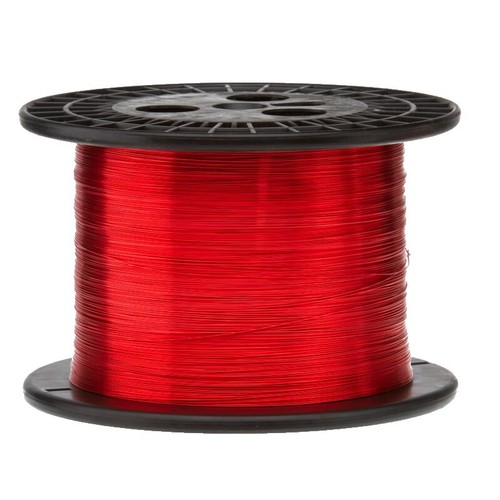
Manufacturing Process of Enamelled Winding Wire at Luoyang Xinzhaohe Aluminum Co., Ltd
The production of high-performance enamelled winding wire at Luoyang Xinzhaoanghe Aluminum Co., Ltd follows a rigorously controlled sequence designed to ensure consistent electrical, mechanical, and thermal properties. With over two decades of specialization in aluminum conductor manufacturing, our process integrates advanced metallurgical practices with precision coating technologies to meet global industry standards.
The process begins with rod drawing, where high-purity aluminum rods (typically 99.7% Al or higher) are fed into a multi-die drawing machine. The rod is progressively reduced in diameter through a series of tungsten carbide or diamond dies, achieving the target wire gauge with tight dimensional tolerances. Lubrication with water-soluble drawing emulsions ensures surface integrity and minimizes work hardening. Throughout this stage, real-time laser micrometers monitor outer diameter deviations, maintaining consistency within ±0.005 mm.
Following drawing, the wire undergoes a continuous annealing process to restore ductility lost during cold working. The wire passes through an inert gas atmosphere furnace (typically nitrogen-purged) where it is heated to a controlled temperature range of 350–450°C, depending on alloy and final temper requirements. Precise speed and temperature profiles ensure uniform recrystallization without oxide formation. Post-annealing, the wire is rapidly cooled under controlled conditions to prevent grain coarsening and maintain mechanical stability.
The annealed wire then proceeds to the enameling section, where it receives one or more layers of polymer insulation. Using a multi-pass dip-and-bake system, the wire is immersed in a liquid enamel bath, typically comprising polyurethane, polyesterimide, or polyamide-imide resins. After each dip, the wire passes through a series of curing ovens (250–500°C) where solvents are evaporated and the resin undergoes thermal cross-linking. Film thickness is precisely regulated through die control and viscosity monitoring, ensuring compliance with insulation class requirements (e.g., Class 130, 155, 180, or 200).
Inline testing is integrated at multiple stages to guarantee product integrity. After each enameling pass, high-voltage spark testing (ranging from 3 kV to 12 kV) detects pinholes or thin spots in the insulation. Additional real-time checks include continuity monitoring, dimensional verification via laser gauges, and tensile strength sampling. A final inspection includes elongation, springiness, thermal shock, and dielectric breakdown tests performed in accordance with IEC 60317 and GB/T 6109 standards.
Quality control is maintained through a documented traceability system, where batch records track raw material sources, process parameters, and test results. Statistical process control (SPC) is applied to critical variables to detect trends and prevent non-conformance. All finished reels are labeled with lot numbers and certified for compliance before release.
This end-to-end manufacturing approach ensures that Xinzhaohe’s enamelled aluminum winding wire delivers reliable performance in motors, transformers, and other electromagnetic devices under demanding operational conditions.
Packaging & Logistics
Export Packaging Specifications for Enameled Aluminum Winding Wire
Marine transit exposes enameled aluminum winding wire to critical environmental hazards including salt-laden atmospheres, prolonged high humidity, and temperature fluctuations that induce interstitial condensation. At Luoyang Xinzhaohe Aluminum Co., Ltd., our export packaging system—refined over 20 years of global shipments—integrates engineered physical and moisture barriers to maintain wire integrity per IEC 60317 and ASTM B355 standards. All shipments utilize ISPM-15 compliant heat-treated wooden pallets with minimum 12 mm plywood decks and 100 x 100 mm stringers. Pallet dimensions strictly adhere to ISO 13356:2014 (1200 x 1000 mm or 1100 x 1100 mm) to optimize container cube utilization while ensuring structural resilience under 2,500 kg dynamic loads during vessel stowage.
The core moisture protection protocol employs a triple-layer encapsulation sequence. Wire reels are first sealed in 100 μm polyethylene vapor barrier film with ≤0.5 g/m²/24h water vapor transmission rate (WVTR) per ASTM F1249. This layer is hermetically welded under vacuum to eliminate residual air pockets that could facilitate hygroscopic degradation of the enamel insulation. A secondary 50 μm metallized polyester film (aluminum oxide-coated) is then applied, providing electromagnetic shielding and reducing WVTR to <0.1 g/m²/24h. Finally, the assembly is overwrapped in UV-stabilized polypropylene stretch hooding rated for 45-day salt spray exposure per ASTM B117. Desiccant packs (silica gel, 33% RH capacity) are strategically placed at reel hubs and peripheries, with quantity calibrated to cargo volume and voyage duration using MIL-PRF-3464E guidelines.
Sea freight safety is validated through accelerated climate chamber testing simulating 45-day transoceanic routes. Packages undergo 8 cycles of 95% RH at 40°C followed by 5°C cold soak to replicate equatorial-to-temperate transit stresses. Post-test reel surface resistivity must exceed 100 MΩ (measured per IEC 60404-11) with zero enamel blistering or adhesion loss. All export lots include humidity indicator cards (0–60% RH range) visible through pallet-side inspection windows, enabling real-time moisture status verification without breaching containment. Documentation packages feature ISO 18104-compliant moisture history logs and pallet certification tags detailing fumigation dates, film batch traceability, and desiccant activation timestamps.
This integrated approach mitigates the primary failure modes in enameled wire logistics: aluminum substrate oxidation compromising solder wettability, and enamel hydrolysis leading to dielectric breakdown. Independent third-party audits confirm <0.15% moisture-related claim rates across 12,000+ TEUs shipped since 2018. For extended voyages exceeding 30 days, we recommend supplementary calcium chloride desiccant canisters (1.5 kg/m³ cargo volume), a protocol proven to maintain internal RH below 35% even during monsoon-season Asia-Europe transits. Partnering with certified ocean carriers using humidity-controlled reefer containers is advised for ultra-sensitive applications requiring <30% RH stability.
Sourcing from Luoyang Xinzhaohe
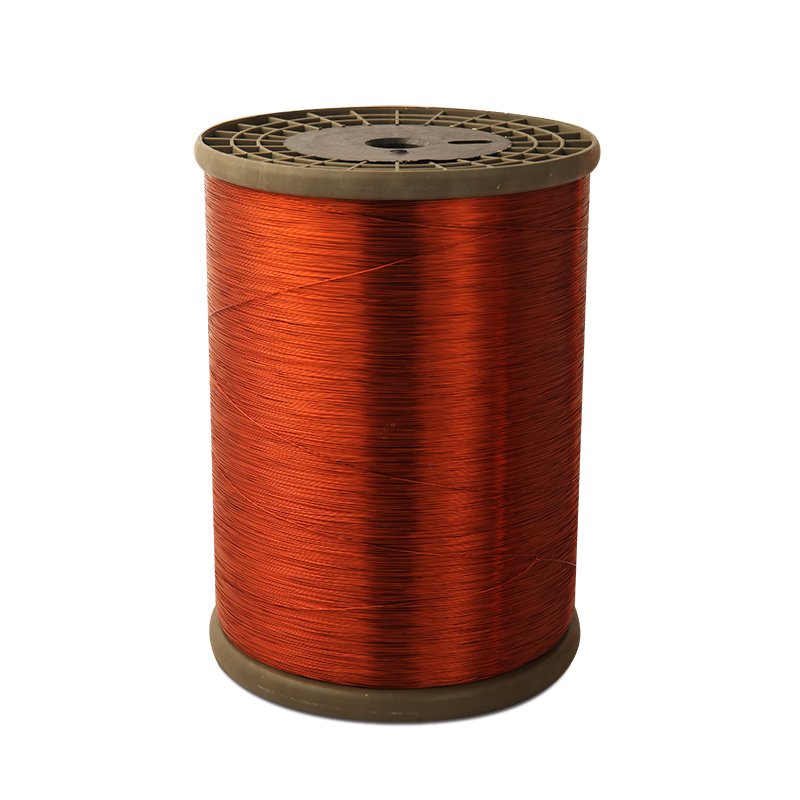
Partner with Luoyang Xinzhaoanghe Aluminum Co., Ltd for High-Performance Enamel-Coated Aluminum Winding Wire
With over two decades of specialized expertise in the design and production of aluminum-based winding materials, Luoyang Xinzhaohe Aluminum Co., Ltd stands as a trusted industrial partner for manufacturers requiring high-reliability enameled wire solutions. Our core competency lies in the development and supply of enamel-coated aluminum winding wire engineered for optimal performance in transformer, inductor, and motor applications where thermal stability, electrical insulation integrity, and consistent solderability are critical.
Our manufacturing infrastructure is built on vertical integration and precision process control. We operate a fully automated production line for aluminum rod casting, wire drawing, and enamel coating, allowing tight regulation of metallurgical properties and dimensional tolerances. All raw aluminum is sourced from certified suppliers and undergoes rigorous chemical analysis to ensure compliance with GB/T 3954 and IEC 60122 standards. Our wire drawing systems maintain diameter tolerances within ±0.005 mm, essential for high-density winding and reliable solder joint formation.
The enamel coating process employs advanced multi-layer technology, utilizing polyurethane (PU), polyester (PE), and polyester-imide (PEI) resins applied via precision die coating. Each layer is cured under controlled temperature and atmosphere conditions to ensure uniform thickness, dielectric strength exceeding 6 kV, and thermal class ratings up to 200°C. Specialized formulations are available to enhance solderability without flux, enabling clean, low-residue connections in automated winding and soldering operations.
Quality assurance is embedded throughout our production cycle. In-line monitoring systems track tensile strength, elongation, springback, and insulation continuity in real time. Every batch undergoes third-party verification for thermal shock resistance, needle penetration, and solderability per IEC 60851 standards. Our ISO 9001:2015-certified quality management system ensures traceability from ingot to finished spool, supporting compliance with automotive, industrial, and renewable energy sector requirements.
We specialize in custom solutions, including tailored temper (H14, H16, O), diameter ranges from 0.08 mm to 3.00 mm, and spool configurations optimized for high-speed automatic winders. Our technical team collaborates directly with clients to optimize wire selection based on application-specific electrical, thermal, and mechanical demands.
As global demand for lightweight, energy-efficient electromagnetic components grows, Luoyang Xinzhaohe remains committed to innovation, consistency, and supply chain resilience. We invite engineering and procurement teams to engage with our specialists for technical consultation, sample evaluation, or qualification support.
Contact us at cathy@transformerstrip.com to discuss your enameled wire requirements and discover how our engineered aluminum solutions can enhance your product performance and manufacturing efficiency.
📉 Factory Direct Savings Calculator
Calculate your potential savings by importing enameled wire soldering directly from China.