


Table of Contents
Market Insight: Copper Transformer Price
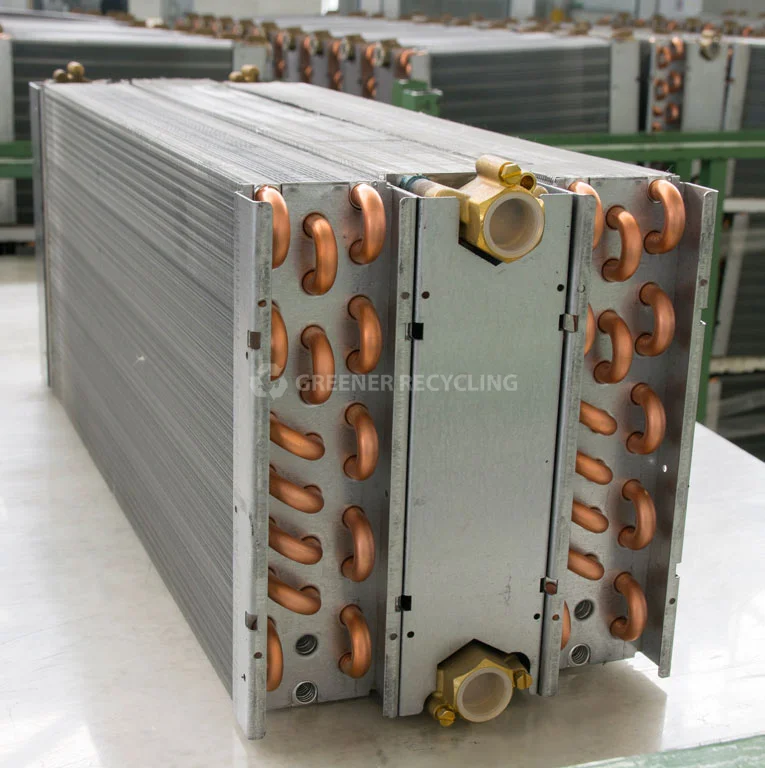
Market Analysis: Transformer Strip/Foil (Aluminum/Copper)
Copper transformer strip and foil remain critical materials for high-efficiency power and distribution transformers despite aluminum alternatives gaining traction in specific applications. Industrial demand for copper transformer strip is fundamentally driven by its superior electrical conductivity (approximately 100% IACS minimum for ETP copper), thermal stability, and mechanical reliability under cyclic loading. This demand is intrinsically linked to global grid modernization initiatives, renewable energy integration requiring robust power conversion infrastructure, and stringent energy efficiency regulations like DOE 2016 and EU Ecodesign Lot 20. These factors necessitate transformers with minimized no-load and load losses, where high-purity copper’s consistent performance is often non-negotiable for critical infrastructure and premium equipment. Consequently, copper transformer price dynamics are heavily influenced by underlying LME copper futures, global scrap availability, energy costs for refining, and geopolitical supply chain disruptions, creating significant volatility that procurement teams must actively manage.
The copper transformer price reflects not only raw material costs but also the substantial value engineering required to meet exacting industry specifications. Quality parameters are paramount and directly impact transformer performance, longevity, and total cost of ownership. Substandard strip introduces risks such as increased eddy current losses due to surface imperfections or inhomogeneous grain structure, reduced thermal conductivity leading to hotspots, and compromised mechanical integrity during winding operations. Impurities like oxygen, sulfur, or iron exceeding ASTM B152/B543 tolerances can accelerate aging and reduce breakdown voltage in insulation systems. Consistent dimensional tolerances (thickness, width, edge camber) are equally critical; deviations cause winding tension issues, inter-turn faults, and increased manufacturing scrap rates. The table below summarizes key quality defects and their operational consequences.
| Quality Parameter | Common Defects | Operational Impact on Transformer |
|---|---|---|
| Electrical Conductivity | <100% IACS, impurity spikes | Increased I²R losses, reduced efficiency, overheating |
| Surface Quality | Scratches, pits, oxide inclusions | Insulation damage, partial discharge, premature failure |
| Dimensional Tolerance | Thickness variation, edge camber | Winding instability, increased stray losses, scrap |
| Mechanical Properties | Inconsistent tensile/elongation | Cracking during winding, reduced short-circuit strength |
Procurement decisions based solely on nominal copper transformer price per kilogram ignore the significant downstream costs associated with quality failures. A 2-5% price premium for certified high-purity, defect-controlled strip often yields a 15-30% reduction in field failure rates and extends transformer lifespan by 10-15 years. This translates to lower lifetime maintenance costs, avoided downtime penalties, and compliance with warranty obligations. Strategic sourcing requires rigorous supplier qualification encompassing melt practice traceability (e.g., oxygen-free electronic grade), in-process quality control (ultrasonic thickness gauging, surface defect scanning), and adherence to IEC 60468 or customer-specific material test reports. Understanding the correlation between material quality and transformer reliability is essential for optimizing total acquisition cost in a volatile copper market. Partnering with metallurgically adept suppliers ensures access to stable, specification-grade material that mitigates both performance and financial risks.
Technical Specs: Copper Transformer Price
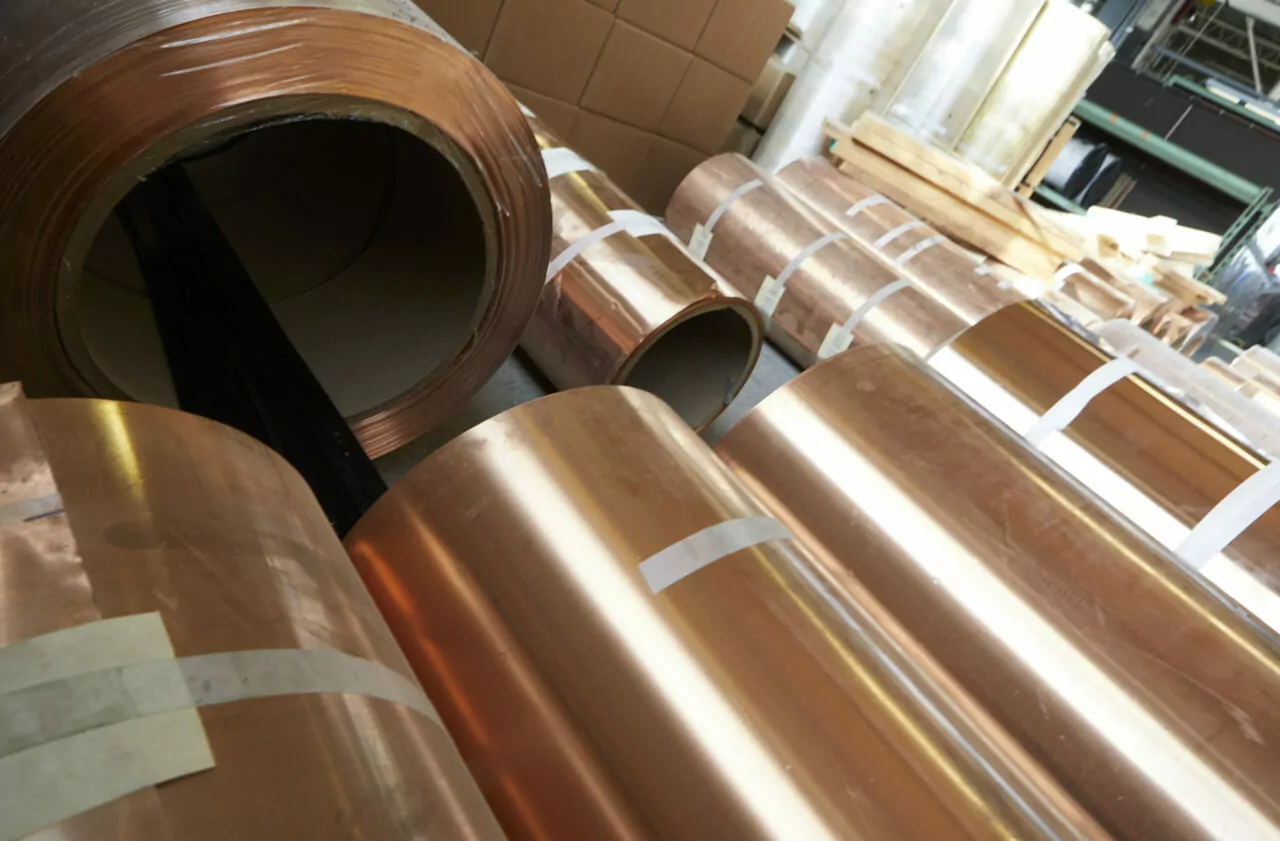
Technical Specifications for Copper Transformer Strip: Precision Parameters Influencing Price and Performance
Copper transformer strip is a critical material in the fabrication of high-efficiency electrical transformers, where dimensional accuracy, surface integrity, and electrical performance directly influence system reliability and operational efficiency. At Luoyang Xinzhaohe Aluminum Co., Ltd, with over two decades of experience in precision metal strip production, we recognize that copper strip specifications must meet stringent industrial standards to ensure optimal performance in winding and assembly processes. The pricing of copper transformer strip is not solely determined by raw material costs but is significantly influenced by technical tolerances, manufacturing consistency, and compliance with electrical and mechanical benchmarks.
One of the most critical parameters in copper strip production is dimensional precision, particularly in slitting tolerance. Our production lines are calibrated to achieve a slitting accuracy of ±0.002 mm, ensuring uniform strip width across extended coil lengths. This level of precision minimizes material waste during coil winding and prevents misalignment in automated transformer manufacturing systems. Consistent width control also enhances thermal management and electromagnetic performance by enabling uniform layer stacking in the core-winding assembly.
Edge quality is another decisive factor in both performance and pricing. Burr-free edges are essential to prevent insulation layer damage during winding, which could lead to short circuits or premature transformer failure. Our advanced slitting and edge-finishing technologies eliminate micro-burrs and edge irregularities, delivering clean, smooth edges that meet or exceed IEC 60404-8-5 standards for electrical steel and conductive strip materials. This level of edge control requires specialized tooling maintenance and in-line inspection systems, contributing to the premium positioning of high-specification copper strips.
Electrical conductivity is measured in terms of International Annealed Copper Standard (IACS) percentage. For transformer applications, a minimum conductivity of 98% IACS is typically required, with our premium grades achieving up to 101% IACS. This high conductivity reduces resistive losses (I²R losses), improving transformer efficiency and reducing operational heat generation. Conductivity is maintained through controlled annealing processes and high-purity electrolytic tough pitch (ETP) copper (Cu ≥ 99.90%), with trace elements such as oxygen kept within tightly regulated limits (0.02–0.04%).
Mechanical properties, including tensile strength and elongation, are balanced to support formability during coiling while maintaining structural integrity under electromagnetic stress. Surface roughness is controlled to Ra ≤ 0.4 µm to ensure compatibility with insulating varnishes and tapes.
The table below summarizes key technical parameters influencing copper transformer strip pricing and performance:
| Parameter | Specification | Test Standard |
|---|---|---|
| Thickness Tolerance | ±0.005 mm (typical) | ASTM B221 |
| Width Tolerance (Slitting) | ±0.002 mm | ISO 9001 In-line QC |
| Edge Quality | Burr-free, no edge deformation | Visual & Microscopic (500x) |
| Electrical Conductivity | 98–101% IACS | ASTM B193 |
| Material Purity | Cu ≥ 99.90%, O₂: 0.02–0.04% | ASTM E1612 |
| Tensile Strength | 200–240 MPa | ASTM E8 |
| Elongation | ≥40% | ASTM E8 |
| Surface Roughness (Ra) | ≤0.4 µm | ISO 4287 |
These specifications reflect the engineering rigor required in modern transformer manufacturing. Pricing reflects the investment in precision tooling, quality assurance, and material consistency—factors that ultimately determine transformer efficiency, lifespan, and compliance with global energy standards.
Factory Tour: Manufacturing
Manufacturing Process for High-Performance Transformer Conductor Strip
The production of precision copper transformer strip demands rigorous process control to ensure electrical performance, mechanical integrity, and cost efficiency for end-users. At Luoyang Xinzhaohe Aluminum Co., Ltd., our two-decade expertise in non-ferrous rolling informs stringent protocols applicable to copper processing, directly impacting the effective copper transformer price by minimizing waste and ensuring yield stability. The core sequence involves Cold Rolling, Precision Slitting, and Edge Conditioning, each integrated with critical quality checkpoints.
Cold Rolling Process
Cold rolling transforms annealed copper coil into the precise final thickness required for transformer windings, typically ranging from 0.10mm to 3.00mm. The process occurs in a tandem cold rolling mill under controlled tension and lubrication. Multiple reduction passes progressively decrease thickness while enhancing surface finish and mechanical properties. Critical parameters include interstand tension control within ±1.5%, roll force calibration, and emulsion system management to prevent surface defects. In-process quality control mandates 100% surface inspection via automated optical systems detecting scratches, pits, or stains exceeding 10μm depth. Thickness is continuously monitored using beta-gauge systems with ±2μm accuracy; deviations trigger immediate mill adjustment. This stage is fundamental to material utilization, where even minor thickness variation directly escalates the effective copper cost per functional unit.
Precision Slitting Operation
The rolled coil undergoes precision slitting to achieve the exact strip width specified for transformer core construction, commonly between 10mm and 500mm. This utilizes high-precision rotary shear slitters with hardened tungsten carbide knives. Critical factors include knife clearance set to 0.5-1.0% of material thickness, precise tension control across the web, and accurate coil guiding. Width tolerance is maintained within ±0.05mm across the entire coil length. Quality verification occurs at three points: initial width validation via laser micrometers, continuous edge tracking during slitting to detect wandering, and final width audit on sampled reels. The following table details key slitting QC parameters:
| Parameter | Target Tolerance | Measurement Method | Frequency |
|---|---|---|---|
| Strip Width | ±0.05 mm | Laser Micrometer | Continuous |
| Edge Straightness | ≤ 0.15 mm/m | Optical Profilometer | Per 500m |
| Camber | ≤ 0.5 mm/m | Taut Wire Gauge | Per Coil End |
| Knife Burr Height | ≤ 5 μm | Optical Microscopy (500x) | Per Slitting Set |
Edge Conditioning
Following slitting, edge conditioning is non-negotiable for transformer applications. Burr formation during slitting, if unaddressed, causes interlayer shorting and insulation damage. We employ precision edge grinding or brushing systems to remove micro-burrs and achieve a smooth, radius-controlled edge profile. The target edge radius is 15-30μm with burr height consistently below 5μm. This stage undergoes 100% edge profile validation using automated vision systems scanning the entire strip length. Any section failing edge quality criteria is automatically segregated. Effective edge conditioning prevents costly field failures and maximizes the usable material yield, directly optimizing the copper transformer price equation by reducing scrap rates during transformer winding.
These integrated processes—cold rolling, precision slitting, and edge conditioning—executed under stringent, data-driven quality control, form the foundation for reliable copper conductor supply. Consistent adherence to these metallurgical and dimensional specifications ensures optimal material performance in transformer manufacturing, minimizing total landed cost for the buyer beyond the base metal price. Luoyang Xinzhaohe Aluminum applies this disciplined approach to guarantee supply chain efficiency and product integrity.
Packaging & Logistics
Export Packaging for Copper and Aluminum Transformer Strip: Ensuring Integrity in International Shipping
At Luoyang Xinzhaohe Aluminum Co., Ltd, with over two decades of specialized experience in the production and global supply of transformer strip and foil, we recognize that packaging is not merely a logistical consideration—it is an integral component of product integrity, particularly for sensitive conductive materials such as copper and aluminum transformer strips. Our export packaging protocols are engineered to meet the rigorous demands of international sea freight, ensuring that materials arrive at their destination in optimal condition, free from mechanical damage, environmental exposure, and contamination.
All copper and aluminum transformer strip coils are systematically mounted on high-strength wooden pallets constructed from kiln-dried, fumigation-treated hardwood. These pallets are designed to withstand the dynamic stresses of containerized ocean transport, including stacking loads, lateral movement, and vibration during long-haul shipping. The structural integrity of the pallets is verified in accordance with ISPM 15 standards, ensuring global compliance and minimizing the risk of pest infestation or quarantine rejection at customs.
Each coil is individually wrapped with multi-layer moisture-proof composite film, featuring a metallized aluminum barrier layer that provides a vapor transmission rate of less than 0.1 g/m²/day. This hermetic sealing is critical in preventing oxidation and surface corrosion—particularly for copper, which is highly susceptible to tarnishing in high-humidity marine environments. The film is heat-sealed at all seams and secured with UV-resistant strapping to maintain a continuous protective envelope throughout transit durations that may exceed 30 days.
Following primary wrapping, the loaded pallets are unitized using steel or polyester banding and affixed with corner protectors made from corrugated fiberboard or polyethylene. These protectors shield the coil edges from impact during handling and prevent deformation during crane lifts or forklift operations at ports and warehouses. Additionally, all external packaging surfaces are labeled with durable, weather-resistant tags indicating product specifications, batch numbers, net and gross weights, handling instructions, and destination details in compliance with IMDG and IATA cargo regulations.
Our packaging design has been validated through accelerated salt-spray testing and real-world shipping trials across key trade routes, including Asia-Europe, Trans-Pacific, and Middle East corridors. These tests confirm that the combination of robust wooden pallets and advanced moisture barriers effectively mitigates the primary failure modes observed in metal strip shipments: edge damage, coil collapse, and surface oxidation.
For global clients sourcing copper transformer strip or aluminum alternatives, our packaging system represents a critical assurance of material performance upon receipt. It reflects Luoyang Xinzhaohe’s commitment to delivering not only high-precision metallurgical products but also a fully integrated supply chain solution tailored to the complexities of international logistics.
Sourcing from Luoyang Xinzhaohe
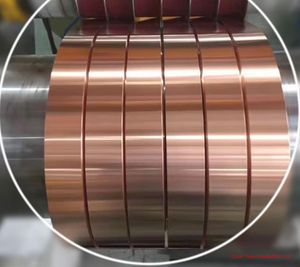
Partner with Luoyang Xinzhaohe for Precision Transformer Strip and Foil Solutions
Luoyang Xinzhaohe Aluminum Co., Ltd leverages over two decades of specialized metallurgical expertise to deliver mission-critical aluminum and copper transformer strip and foil. Our vertically integrated manufacturing ecosystem, anchored in Luoyang’s industrial heartland, ensures uncompromising control over material purity, dimensional accuracy, and electromagnetic performance. As a certified ISO 9001 and ISO 14001 facility, we operate under stringent process discipline, directly translating to transformer cores with minimized eddy current losses and enhanced thermal stability.
Our technical advantage begins with proprietary alloy formulation and continuous casting processes. For copper transformer applications, we source only electrolytic tough pitch (ETP) C11000 copper meeting ASTM B152 standards, with oxygen content rigorously maintained at 200–400 ppm to prevent hydrogen embrittlement. Advanced cold rolling lines achieve thickness tolerances of ±0.002 mm for foils down to 0.05 mm, while in-line annealing systems ensure uniform grain structure and conductivity exceeding 100% IACS. Real-time monitoring via OCS (Optical Emission Spectrometry) and eddy current testing guarantees batch-to-batch consistency, critical for high-efficiency transformer designs targeting IE4/IE5 efficiency classes.
Supply chain resilience is engineered into our operational model. With an annual production capacity exceeding 15,000 metric tons for transformer-grade strip and foil, we mitigate raw material volatility through strategic long-term agreements with LME-approved copper suppliers. Our just-in-sequence logistics network—featuring dedicated rail links to Qingdao Port and automated warehousing—delivers global shipments within 45 days of order confirmation, backed by real-time container tracking. This infrastructure eliminates production bottlenecks for OEMs, even during peak demand cycles.
Quality validation extends beyond compliance. Our metallurgical R&D center conducts accelerated aging tests, interlaminar resistance measurements, and magnetostriction analysis to simulate 25+ years of operational stress. Clients receive comprehensive mill test reports including tensile strength, elongation, and surface roughness (Ra ≤ 0.4 µm) data, enabling precise core loss prediction during transformer design phases. This technical depth positions us as a collaborative engineering partner, not merely a supplier.
The current copper transformer price environment demands strategic sourcing partnerships that balance cost transparency with performance integrity. Volatility in LME copper rates and energy-intensive processing costs necessitate suppliers with hedging sophistication and operational efficiency—capabilities Xinzhaohe has honed across 20+ years serving Fortune 500 energy clients. Our pricing model integrates real-time LME indexing with volume-based efficiency gains, ensuring competitiveness without compromising on the metallurgical standards that define transformer reliability.
For procurement teams navigating complex supply chains, partnering with Xinzhaohe reduces total cost of ownership through yield optimization, reduced scrap rates, and guaranteed on-time delivery. We invite you to request a detailed technical dossier and copper transformer price quotation tailored to your volume requirements, alloy specifications, and delivery schedule. Contact our engineering-led sales team directly to discuss material certification protocols and supply continuity planning.
Elevate your transformer core performance with metallurgical precision. Contact Cathy Zhang at cathy@transformerstrip.com for a technical consultation and current pricing schedule.
📉 Factory Direct Savings Calculator
Calculate your potential savings by importing copper transformer price directly from China.