

Table of Contents
Market Insight: Coiled Copper Wire
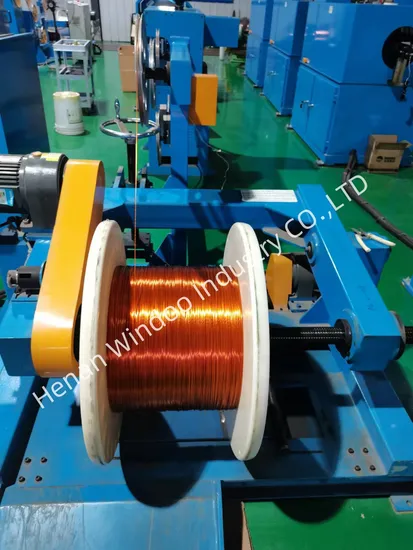
Market Analysis: Winding Wire – Industrial Demand for Coiled Copper Wire in Transformers
The global demand for coiled copper winding wire remains a cornerstone of modern electrical infrastructure, driven primarily by its critical role in transformer manufacturing. Transformers, essential components in power transmission and distribution networks, rely heavily on high-purity copper conductors to ensure efficient energy transfer, thermal stability, and long-term operational reliability. As electrical grids expand and modernize—particularly in emerging economies and renewable energy integration projects—the industrial demand for precision-engineered coiled copper wire continues to grow at a steady pace.
Transformers operate by electromagnetic induction, where alternating current in the primary winding induces a voltage in the secondary winding. The performance of this process is directly influenced by the electrical conductivity, mechanical consistency, and thermal resilience of the winding material. Copper, with its superior conductivity (second only to silver among commercial metals), minimal resistive losses, and excellent ductility, remains the preferred conductor material in both distribution and power transformers. Coiled copper wire, supplied in continuous lengths on reels, enables automated winding processes in transformer production, improving manufacturing efficiency and consistency.
Quality in coiled copper wire is not merely a performance differentiator—it is a fundamental requirement for safety, compliance, and system longevity. Substandard wire with impurities, inconsistent diameter, poor surface finish, or inadequate insulation properties can lead to localized hotspots, partial discharges, or catastrophic insulation breakdown. These failures compromise transformer efficiency, increase maintenance costs, and pose significant risks in high-voltage applications. International standards such as IEC 60317, ASTM B3, and GB/T 3953 strictly govern the dimensional tolerances, electrical resistivity, elongation, and winding characteristics of copper winding wire, ensuring interoperability and reliability across global supply chains.
At Luoyang Xinzhaohe Aluminum Co., Ltd, with over two decades of experience in conductor material production and supply chain management, we recognize that quality begins at the raw material stage. Our coiled copper wire is drawn from high-conductivity electrolytic tough pitch (ETP) copper, with oxygen content controlled to 0.02–0.04%, ensuring optimal balance between conductivity and mechanical strength. Each coil undergoes rigorous in-line testing for diameter uniformity, tensile strength, and surface integrity, followed by batch-level verification of electrical resistivity. This systematic approach ensures compliance with both customer specifications and international regulatory frameworks.
Furthermore, the shift toward energy-efficient transformers (e.g., amorphous core and dry-type transformers) demands winding wire with enhanced thermal class ratings and superior dielectric compatibility. High-quality enamel insulation systems—such as polyurethane, polyester-imide, and polyamide-imide—are applied with precision to withstand thermal cycling and mechanical stress during transformer operation.
In summary, the industrial demand for coiled copper wire in transformers is sustained by the global need for reliable, efficient power systems. Quality assurance in material purity, dimensional accuracy, and insulation integrity directly impacts transformer performance, lifespan, and safety. As a trusted supplier in the winding wire sector, Luoyang Xinzhaohe Aluminum Co., Ltd is committed to delivering technically superior products that meet the evolving demands of the power transmission and distribution industry.
Technical Specs: Coiled Copper Wire
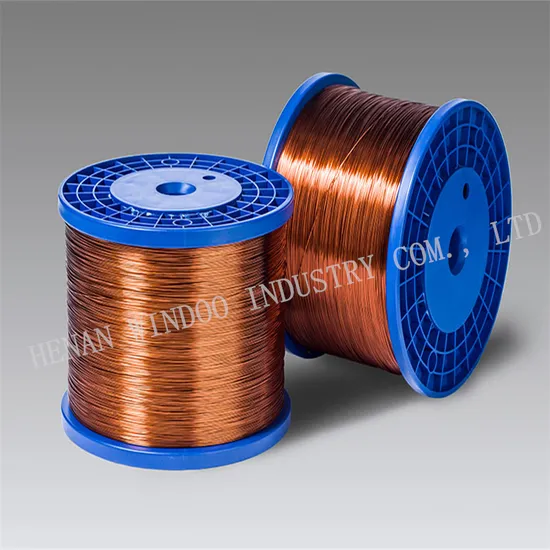
Technical Specifications for Coiled Copper Wire in Winding Applications
Luoyang Xinzhaohe Aluminum Co., Ltd leverages over two decades of metallurgical and supply chain expertise to define critical parameters for coiled copper wire used in electromagnetic winding applications. Precise adherence to these specifications ensures optimal performance, manufacturability, and longevity of end products such as motors, transformers, and inductors. Key technical parameters governing wire suitability are insulation integrity, mechanical ductility, and thermal endurance, directly impacting winding process yield and operational reliability under electrical and thermal stress.
Insulation breakdown voltage represents the maximum electrical stress the wire enamel can withstand before failure, measured per ASTM D149. This parameter is non-negotiable for safety and functional integrity, as insufficient breakdown strength risks internal short circuits during operation or voltage transients. Our specifications mandate rigorous testing at multiple points along the coil length to ensure uniform insulation quality, rejecting any batch exhibiting localized weaknesses below the defined threshold. Minimum requirements are set significantly above nominal operating voltages to accommodate manufacturing tolerances and field conditions.
Elongation, measured as a percentage per ASTM B3, quantifies the wire’s ductility during the winding process. Adequate elongation prevents breakage when subjected to tension and bending around sharp corners of bobbins or stator slots. Values below the required minimum cause frequent wire breaks, increasing scrap rates and downtime. Conversely, excessive elongation may indicate insufficient cold work, potentially compromising the wire’s final tensile strength and dimensional stability under operational loads. Precise control of the drawing and annealing processes is essential to achieve the target ductility range.
Thermal Class, defined by IEC 60085, indicates the maximum continuous operating temperature the insulation system can endure while maintaining a service life of 20,000 hours. Classes ranging from 130°C (B) to 220°C (C) are specified based on the end application’s thermal profile. Higher thermal classes utilize advanced polymer chemistries (e.g., polyamide-imide, polyester-imide) but require stricter process controls during enameling. Selecting the correct thermal class is critical; under-specification accelerates insulation degradation and premature failure, while over-specification unnecessarily increases material cost without operational benefit. Temperature Index (TI) testing per IEC 60216 validates the assigned class.
The following table summarizes the mandatory technical parameters and performance criteria for coiled copper winding wire supplied by Luoyang Xinzhaohe:
| Parameter | Standard Test Method | Minimum Requirement | Typical Value Range | Critical Application Impact |
|---|---|---|---|---|
| Insulation Breakdown Voltage | ASTM D149 | 3000 Vrms | 3000 – 6000 Vrms | Prevents internal shorts; ensures safety margin |
| Elongation | ASTM B3 | 8% | 8% – 15% | Enables high-speed winding without breakage |
| Thermal Class | IEC 60085 / IEC 60216 | 130°C (Class B) | 130°C – 220°C | Determines maximum operating temperature limit |
All coiled copper wire undergoes 100%在线 testing for electrical continuity and diameter consistency, followed by batch-level validation of the parameters above within our ISO 9001-certified laboratory. Traceability from cathode copper to finished coil is maintained through our integrated supply chain management system, ensuring material pedigree and process control. Partnering with Xinzhaohe guarantees wire engineered for your specific winding process demands and end-use environmental conditions, minimizing field failures and maximizing production efficiency.
Factory Tour: Manufacturing
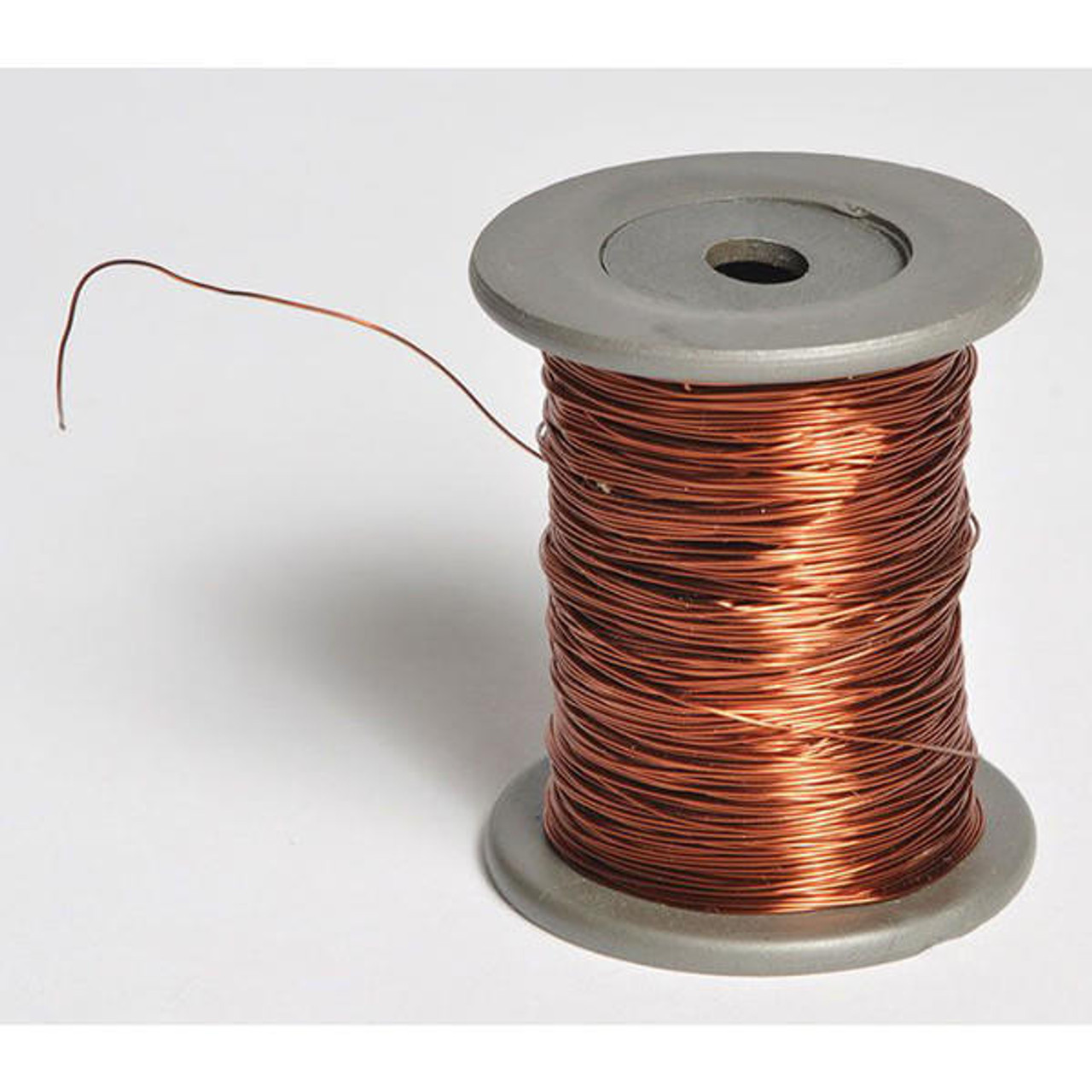
Coiled Copper Wire Manufacturing Process
The production of high-performance coiled copper wire at Luoyang Xinzhaohe Aluminum Co., Ltd. follows a rigorously controlled sequence designed to ensure superior electrical conductivity, mechanical strength, and thermal endurance. With over two decades of metallurgical and manufacturing expertise, our process integrates precision engineering with stringent quality assurance across four core stages: rod drawing, annealing, enameling, and inline testing.
The process begins with high-purity electrolytic tough pitch (ETP) copper rod, typically conforming to ASTM B3 or IEC 60068 standards, which is fed into a multi-die rod breakdown machine. Through a cold drawing process, the rod diameter is progressively reduced to the target wire gauge with tight dimensional tolerances, often within ±0.005 mm. Lubrication systems employing water-soluble drawing oils minimize friction and prevent surface defects, while tension-controlled capstans ensure uniform elongation. Each drawing pass is monitored via laser micrometers to maintain diameter consistency and roundness.
Following drawing, the wire enters a continuous annealing line. This stage is critical for restoring ductility lost during cold working and ensuring the wire can withstand repeated bending and winding without fracture. Our annealing system utilizes an induction-heated, inert atmosphere (nitrogen-purged) tube furnace, operating between 550°C and 750°C depending on wire size and final application. Precise control of temperature, residence time, and cooling rate ensures a fully recrystallized microstructure with consistent tensile strength and elongation—typically achieving 10–15% elongation and hardness of 70–90 HV.
The annealed wire then proceeds to the enameling section, where one or multiple layers of polymer insulation are applied. We utilize a multi-pass enameling system with precision dies and UV-curable or thermosetting resins, such as polyurethane, polyester, or polyamide-imide, depending on thermal class (130°C to 220°C). Each coat is immediately cured in a series of zone-controlled ovens with optimized dwell times to ensure complete cross-linking and eliminate pinholes or voids. Film build is maintained within ±0.003 mm per layer, verified by non-contact capacitance gauges.
Throughout the process, inline quality control systems are deployed at every stage. These include real-time diameter monitoring, spark testing at 3–10 kV for dielectric integrity, and automated surface defect detection via high-resolution line-scan cameras. Off-line verification includes periodic sampling for adhesion (tape test), thermal shock, and resistance measurement. All data are logged for traceability, supporting full lot accountability.
This integrated manufacturing approach ensures that every coil of copper winding wire meets the highest standards for reliability in motors, transformers, and other electromagnetic applications.
Packaging & Logistics
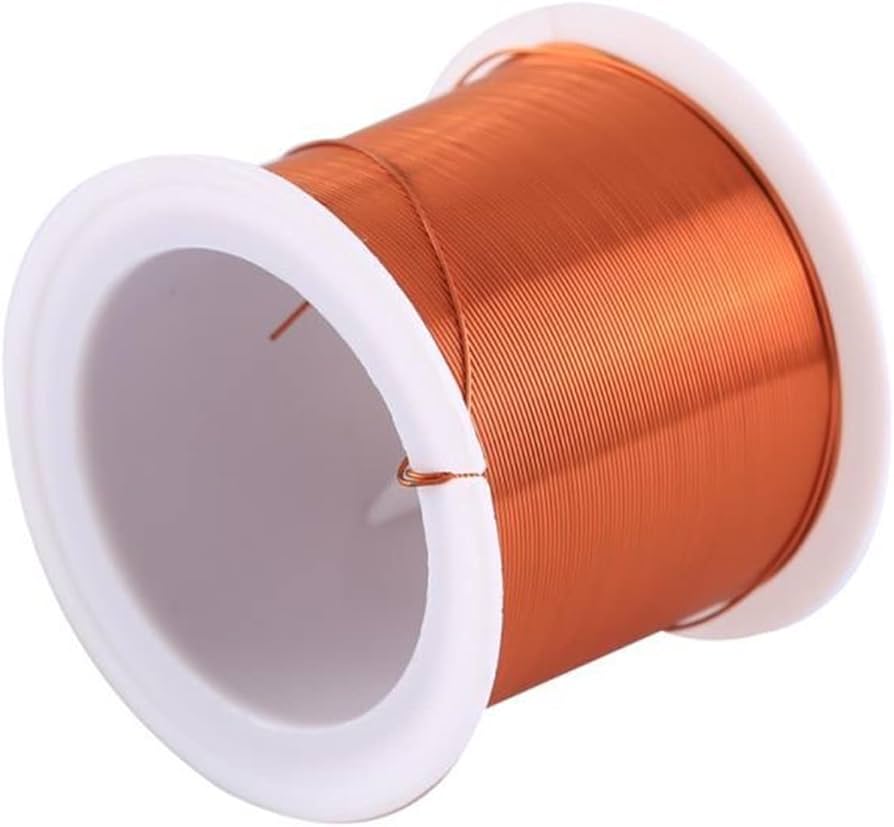
Export Packaging Specifications for Coiled Copper Wire: Ensuring Integrity During Sea Freight
Luoyang Xinzhaohe Aluminum CO., Ltd leverages over two decades of metallurgical and supply chain expertise to implement rigorously engineered export packaging protocols for coiled copper winding wire. This methodology is non-negotiable for mitigating the significant risks inherent in global ocean transportation, where exposure to humidity, salt air, and temperature fluctuations can rapidly induce surface oxidation, pitting, or interlayer corrosion. Such degradation directly compromises the wire’s electrical conductivity, solderability, and mechanical performance during downstream manufacturing processes like coil winding or transformer assembly. Our packaging system is explicitly designed to exceed International Maritime Organization (IMO) and major carrier (e.g., Maersk, MSC) requirements, safeguarding product integrity from factory gate to the customer’s unloading dock.
All coiled copper wire shipments utilize heavy-duty, ISPM-15 compliant wooden pallets constructed from kiln-dried, debarked lumber. These pallets feature a minimum load-bearing capacity of 2500 kg per unit, engineered to withstand dynamic stresses during vessel stowage, crane handling, and potential stacking within container holds. Critical structural elements include reinforced stringers, chamfered edges to prevent film snagging, and precise dimensional tolerances ensuring optimal fit within standard 20ft and 40ft dry freight containers. Each coil is securely fastened to the pallet base using high-tensile steel strapping, tensioned to 1500 daN, eliminating axial or radial movement during transit. This mechanical stabilization prevents coil deformation, edge damage, and wire slippage – common failure modes leading to production line stoppages at the destination facility.
The primary defense against moisture ingress is a multi-layer moisture-proof barrier system. Coils mounted on pallets are first wrapped in acid-free, non-sulfur kraft paper to absorb any residual surface moisture. This is followed by a hermetic seal using co-extruded polyethylene film with a minimum thickness of 0.125 mm and a water vapor transmission rate (WVTR) below 1.0 g/m²/24hr at 38°C and 90% RH. The film enclosure incorporates strategically placed silica gel desiccant units (minimum 500g per tonne of wire) and humidity indicator cards calibrated to 60% RH. The entire assembly undergoes vacuum sealing to eliminate internal air volume, minimizing the potential for condensation (“container rain”) during temperature cycles. This system maintains an internal relative humidity consistently below 55% throughout typical 30-60 day voyages, preventing the hygroscopic degradation pathways that initiate copper corrosion.
The financial and operational consequences of inadequate packaging are severe, as evidenced by industry data:
| Failure Mode | Typical Cost Impact (Per Shipment) | Prevention via Xinzhaohe Packaging |
|---|---|---|
| Surface Oxidation | $8,000-$25,000 (rework/rejection) | WVTR-controlled barrier + desiccant |
| Coil Deformation | $12,000-$40,000 (scrap) | ISPM-15 pallet + 1500 daN strapping |
| Interlayer Corrosion | $15,000-$50,000 (line downtime) | Vacuum-sealed multi-layer film |
This integrated approach – combining structural pallet integrity, mechanical immobilization, and scientifically validated moisture control – is fundamental to our commitment to zero-transit-damage performance. We subject all packaging configurations to accelerated salt spray and humidity cycling tests per ASTM D4169 before deployment, ensuring reliability across diverse global trade lanes. For critical shipments, we provide real-time humidity loggers upon request, delivering verifiable proof of environmental conditions throughout the supply chain journey. Proper export packaging is not a cost center but a strategic investment in supply chain resilience and customer production continuity.
Sourcing from Luoyang Xinzhaohe
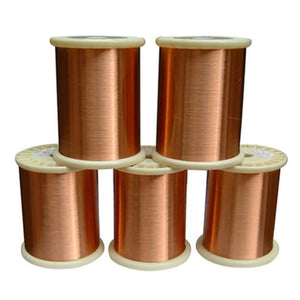
Partner with Luoyang Xinzhaohe for High-Performance Coiled Copper Winding Wire
Luoyang Xinzhaohe Aluminum Co., Ltd brings over two decades of specialized expertise in the design, production, and supply of precision winding wire solutions, including high-conductivity coiled copper wire for demanding industrial applications. As a vertically integrated manufacturer, we maintain full control over raw material sourcing, processing, and quality assurance, ensuring consistent product integrity from coil to customer site. Our facility is equipped with advanced drawing, annealing, and coiling systems engineered to meet the exacting requirements of transformer, motor, and inductor manufacturers across global markets.
Our coiled copper wire is produced using high-purity electrolytic tough pitch (ETP) copper, conforming to GB/T 5584, IEC 60317, and ASTM B3 standards. Through a tightly controlled oxygen-free annealing process, we achieve optimal ductility and electrical conductivity exceeding 100% IACS, minimizing resistive losses and enhancing thermal performance in end-use components. Each coil is precision-wound under constant tension to prevent deformation, birdcaging, or cross-over defects, ensuring seamless integration into automated winding equipment. We offer customizable spooling configurations, including wooden reels, plastic bobbins, and steel cores, with diameters ranging from 200 mm to 1200 mm to support diverse production line requirements.
Quality assurance is embedded throughout our manufacturing workflow. We conduct 100% in-line monitoring of wire diameter using laser micrometers, with tolerances maintained within ±0.005 mm. Every production lot undergoes rigorous testing for tensile strength, elongation, surface finish, and insulation compatibility, with full traceability via batch-coded documentation. Our laboratory is accredited to ISO/IEC 17025 standards, enabling precise verification of material properties and compliance with customer-specific technical dossiers.
With an annual production capacity exceeding 15,000 metric tons and a lean inventory management system, we deliver rapid turnaround times and reliable supply continuity. Our export network spans Southeast Asia, the Middle East, Eastern Europe, and South America, supported by multimodal logistics and CIF, FOB, and DDP trade term flexibility. As a trusted partner to tier-1 component suppliers, we prioritize technical collaboration, offering on-site engineering support and sample prototyping to align material specifications with application performance goals.
For sourcing managers and design engineers seeking a stable, high-quality supply of coiled copper winding wire, Luoyang Xinzhaohe provides the technical depth, production scale, and quality discipline required in modern power electronics and energy infrastructure. We invite you to contact us directly to discuss your specifications, request technical data sheets, or obtain a competitive quotation.
Contact us at cathy@transformerstrip.com to initiate a technical collaboration.
📉 Factory Direct Savings Calculator
Calculate your potential savings by importing coiled copper wire directly from China.