


Table of Contents
Market Insight: Transformer Steel
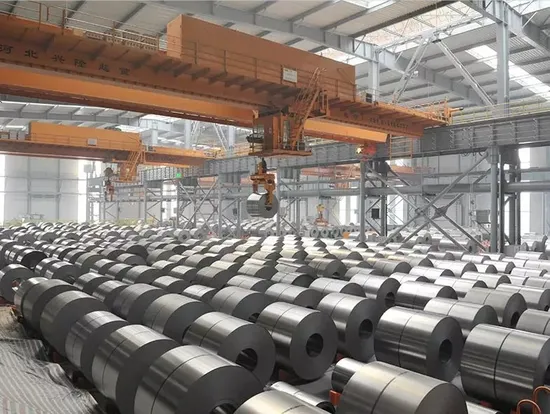
Market Analysis: Silicon Steel Demand Drivers and Quality Imperatives
Global demand for grain-oriented silicon steel (GOES), the critical magnetic core material in power and distribution transformers, continues robust expansion driven by fundamental energy infrastructure requirements. Accelerating urbanization, grid modernization initiatives, and the integration of renewable energy sources necessitate significant transformer deployment and replacement cycles worldwide. Stringent international energy efficiency regulations, such as the EU Ecodesign Directive, US DOE Level 2016 standards, and China’s GB 20052-2020, directly mandate lower no-load losses in transformers. This regulatory pressure translates into an unwavering market preference for high-performance GOES with superior magnetic properties. The material constitutes approximately 65-70% of a transformer’s core cost, yet its quality fundamentally dictates the unit’s operational efficiency, lifespan, and total cost of ownership over decades of service.
The technical rationale for prioritizing silicon steel quality is unequivocal and rooted in core physics. Transformer core losses, primarily comprising hysteresis and eddy current losses, originate directly from the magnetic behavior of the steel under alternating flux. High-quality GOES exhibits a highly developed Goss texture (110)[001] crystallographic orientation, minimizing the energy required to magnetize and demagnetize the core. Impurities, inclusions, grain boundary defects, or inadequate surface insulation coatings significantly increase hysteresis loss and impede domain wall motion. Substandard material often manifests as higher specific core loss (W/kg) at standard inductions (e.g., 1.7T). A seemingly minor increase of 0.1 W/kg in core loss translates to substantial wasted energy over a transformer’s operational life; for a 100 MVA unit, this equates to approximately 87,600 kWh of additional annual energy loss, representing significant financial and environmental costs at grid scale. Inconsistent thickness, poor lamination burr control, or inadequate coating adhesion further degrade performance by increasing interlaminar eddy currents and reducing the effective stacking factor.
Critical quality parameters extend beyond basic magnetic properties. Precise dimensional tolerances ensure optimal core packing density and mechanical stability under electromagnetic forces. Robust, uniform insulating coatings (typically phosphate-based or C5/C6 organic types) are essential for maintaining high electrical resistivity between laminations, directly suppressing eddy currents. Coating adhesion must withstand the stresses of core stacking, clamping, and thermal cycling without degradation. Surface cleanliness is paramount to prevent insulation breakdown during operation. Variability in any of these parameters introduces unpredictable performance risks and potential premature failure modes. Luoyang Xinzhaohe Aluminum Co., Ltd leverages its two decades of metallurgical process expertise to rigorously control these factors, understanding that transformer manufacturers cannot compromise on the foundational material governing efficiency, reliability, and compliance. The cost differential for premium silicon steel is consistently outweighed by the lifetime operational savings and reduced carbon footprint achieved through optimal core performance.
Technical Specs: Transformer Steel
Transformer steel, also known as grain-oriented electrical steel (GOES) or silicon steel, is a critical material in the design and performance of power and distribution transformers. At Luoyang Xinzhaohe Aluminum Co., Ltd, with over two decades of experience in advanced metallic materials, we emphasize precision in material specifications to ensure optimal electromagnetic performance, energy efficiency, and operational reliability. The technical parameters of transformer steel directly influence core losses, magnetic flux density, and mechanical compatibility during transformer assembly. Understanding these specifications is essential for procurement engineers and design specialists in the power transmission sector.
Core loss, or iron loss, is a primary performance indicator for transformer steel. It represents the energy dissipated in the core due to hysteresis and eddy currents under alternating magnetic fields. Lower core loss translates into higher transformer efficiency and reduced operating temperature. For grain-oriented silicon steel, core loss is typically measured at 1.7 Tesla (T) and 50 Hz, following international standards such as IEC 60404-2. High-grade materials exhibit core losses as low as 0.80 W/kg, which is essential for high-efficiency transformers used in grid infrastructure and renewable energy systems.
Magnetic flux density, particularly the guaranteed value at 800 A/m (B800), determines the magnetic saturation characteristics of the steel. Higher flux density allows for reduced core cross-sectional area, enabling compact and lighter transformer designs. Premium grain-oriented steel achieves magnetic flux density values exceeding 1.90 T, with top-tier grades reaching up to 1.95 T. This parameter is closely tied to the grain alignment achieved during the manufacturing process, including cold rolling and high-temperature annealing.
Flatness is another critical mechanical specification, especially for automated core stacking and winding processes. Poor flatness leads to air gaps, localized flux concentration, and increased no-load losses. We measure flatness in terms of wave height per unit length (mm/m), with acceptable industrial standards ranging from 1.0 to 2.0 mm/m depending on application requirements. Consistent flatness ensures tight core lamination and minimizes vibration and noise during operation.
Below is a summary of key technical parameters for standard grades of grain-oriented silicon steel used in transformer cores:
| Parameter | Symbol | Unit | Typical Value Range (GOES) | Test Standard |
|---|---|---|---|---|
| Core Loss (at 1.7 T, 50 Hz) | Pv | W/kg | 0.80 – 1.25 | IEC 60404-2 |
| Magnetic Flux Density (at 800 A/m) | B800 | Tesla (T) | 1.85 – 1.95 | IEC 60404-2 |
| Thickness Tolerance | — | mm | ±0.025 (for 0.23–0.30 mm) | GB/T 2521 / IEC 60404 |
| Flatness | — | mm/m | 1.0 – 2.0 | Internal QC Protocol |
| Insulating Coating Mass | — | mg/m² | 3.0 – 7.0 | ASTM A976 |
| Electrical Resistivity | ρ | μΩ·cm | ~48 | — |
All materials supplied by Luoyang Xinzhaohe Aluminum Co., Ltd conform to international quality benchmarks and are subject to rigorous in-line and final inspection protocols. Consistency in these technical parameters ensures long-term reliability and compliance with global energy efficiency regulations such as IE3 and IE4 for transformers.
Factory Tour: Manufacturing
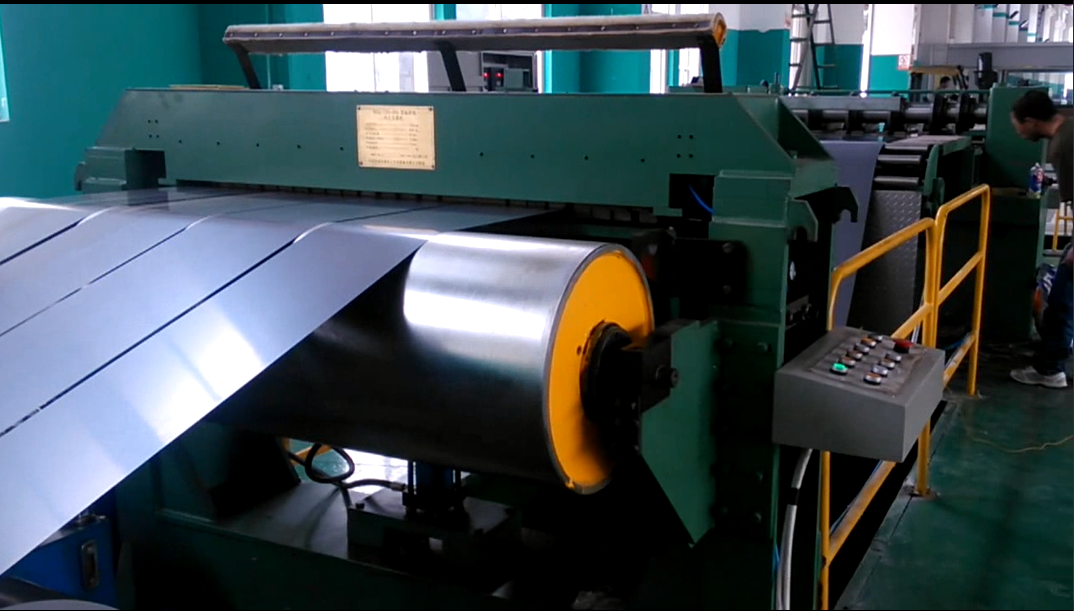
Transformer Steel Manufacturing Process: Precision Engineering for Core Efficiency
Luoyang Xinzhaohe Aluminum Co., Ltd leverages over two decades of metallurgical expertise to deliver high-performance silicon steel (electrical steel) for transformer cores. Our stringent manufacturing sequence ensures optimal magnetic properties, minimal core loss, and structural integrity critical for energy-efficient power transmission. The process begins with precision slitting of cold-rolled electrical steel coils. This stage utilizes computer-controlled rotary shears to achieve exact strip widths within tolerances of ±0.1 mm while maintaining edge straightness below 0.5 mm per meter. Critical attention is paid to minimizing edge burr formation, as excessive burr directly impacts core stacking factor and localized eddy current losses in the final lamination stack. All slit coils undergo immediate surface inspection to detect handling damage or residual rolling defects.
Subsequent continuous annealing is the pivotal step for magnetic property optimization. Coils pass through a high-temperature furnace under a precisely controlled hydrogen-nitrogen atmosphere at 800–850°C. This decarburization and grain growth phase relieves internal stresses induced during rolling and slitting while promoting the development of the Goss texture (110)[001] orientation essential for high permeability and low hysteresis loss. Temperature uniformity across the strip width is maintained within ±5°C, and dwell time is calibrated to the specific silicon content and gauge to achieve target magnetic induction (typically 1.80–1.95 T at 1.0 A/cm) and core loss values (e.g., ≤1.20 W/kg at 1.7 T, 50 Hz).
Following annealing, an inorganic insulation coating is uniformly applied via roll-coating. This magnesium oxide-based coating, cured at 450–550°C, forms a thin forsterite (Mg₂SiO₄) layer upon reaction with the steel substrate during final stress relief. Coating weight is strictly controlled between 2.0–4.0 g/m² per side to ensure surface insulation resistance exceeding 100 Ω·mm²/m while maintaining adhesion integrity during core assembly. The coated strip then undergoes precision blanking or laser cutting. Laser systems achieve contour accuracy of ±0.05 mm with kerf widths under 0.2 mm, while progressive dies maintain blank dimensional tolerances of ±0.03 mm. Burr height is rigorously suppressed to ≤0.03 mm through optimized die clearance and tool maintenance protocols.
Quality control is integrated at every phase. Slit edges are monitored via automated optical systems. Magnetic properties are validated using Epstein frame testing per IEC 60404-2 on production samples, measuring core loss and permeability at multiple flux densities. Coating weight and resistance undergo destructive and non-destructive verification. Final dimensional checks employ coordinate measuring machines (CMM) for critical blank geometries. This end-to-end metrology framework ensures consistent compliance with international standards like JIS C 2550 and IEC 60404-8-7, guaranteeing the electrical steel’s performance in demanding transformer applications.
Packaging & Logistics
Export Packaging for Silicon Steel: Ensuring Integrity During International Transit
At Luoyang Xinzhaohe Aluminum Co., Ltd, with over two decades of specialized experience in the production and global supply of high-performance silicon steel, we recognize that proper packaging is a critical component in maintaining material integrity throughout the export logistics chain. Our export packaging system is engineered to meet the rigorous demands of international sea freight, ensuring that our electrical steel products arrive at their destination in optimal condition, free from mechanical damage, corrosion, and environmental exposure.
All silicon steel coils and sheets are secured on robust wooden pallets constructed from high-strength, kiln-dried hardwood. These pallets are designed to support the substantial weight of steel coils while maintaining structural stability during lifting, stacking, and long-haul container transport. Each pallet is treated to ISPM 15 standards, ensuring compliance with international phytosanitary regulations for wood packaging material. This treatment eliminates the risk of pest infestation and guarantees seamless customs clearance across global markets.
To combat the primary threat to silicon steel during maritime shipment—moisture—we employ a multi-layer moisture-proof wrapping system. Each coil or stack of sheets is first wrapped in industrial-grade vapor corrosion inhibitor (VCI) film, which actively suppresses oxidation by releasing protective molecules into the enclosed environment. This is followed by an outer layer of high-density polyethylene (HDPE) shrink film, providing a durable, waterproof barrier against humidity, salt spray, and condensation commonly encountered in marine environments. The sealed package is then heat-shrunk to eliminate air pockets and reduce the risk of internal moisture accumulation due to temperature fluctuations during transit.
The entire packaged unit is further reinforced with steel strapping applied at multiple tension points to prevent coil deformation or lateral movement during handling. Edge protectors are affixed to vulnerable corners of sheet bundles to mitigate impact damage. All packaging configurations are load-tested to withstand the dynamic stresses of containerized shipping, including rolling, pitching, and vertical compression in stacked containers.
Our packaging protocols are aligned with international best practices for steel product export, including ISO 9001 quality management standards and IEC 60404-8-4 specifications for electrical steel delivery conditions. Every shipment undergoes final inspection prior to containerization, verifying seal integrity, labeling accuracy, and compliance with customer-specific requirements.
By integrating structural durability with advanced moisture protection, Luoyang Xinzhaohe Aluminum Co., Ltd ensures that our silicon steel products maintain their magnetic performance, surface quality, and dimensional precision from production line to customer facility. This commitment to packaging excellence supports reliable supply chain performance and reinforces our reputation as a trusted global supplier of electrical steel.
Sourcing from Luoyang Xinzhaohe
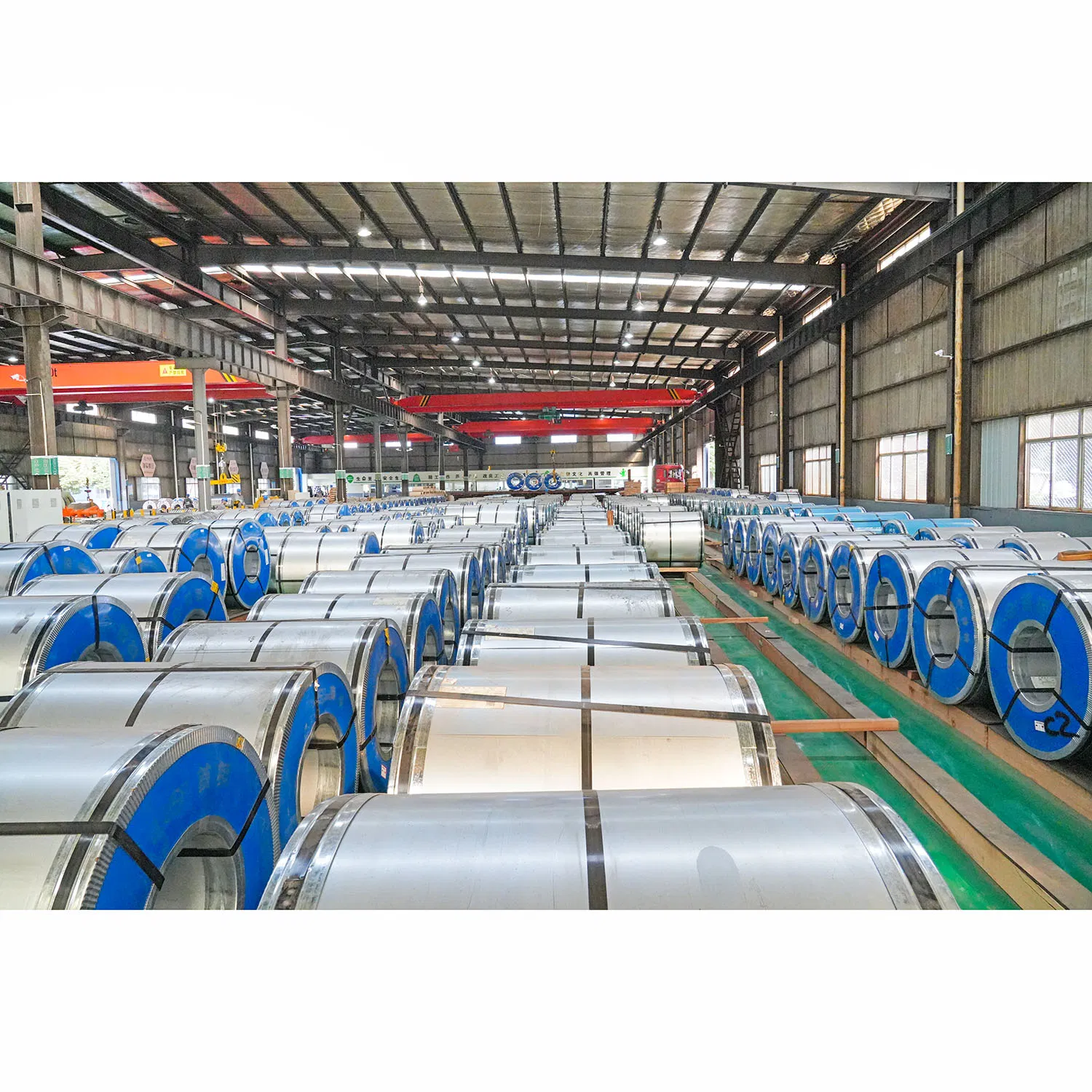
Strategic Partnership with Luoyang Xinzhaohe Aluminum Co., Ltd for Premium Silicon Steel
Luoyang Xinzhaohe Aluminum Co., Ltd leverages over two decades of specialized metallurgical expertise and integrated supply chain management to deliver silicon steel products meeting the most stringent global transformer manufacturing requirements. Our vertically aligned operations, from raw material sourcing to finished strip, ensure unparalleled consistency and performance for critical electromagnetic applications. Partnering with us provides direct access to engineered electrical steel solutions backed by rigorous process control and deep industry knowledge.
Metallurgical Precision and Product Range
Our core strength lies in advanced process metallurgy focused exclusively on non-oriented (CRNO) and grain-oriented (CRGO) electrical steel. We employ vacuum degassing, precise slab reheating schedules, and multi-stage cold rolling with intermediate annealing to achieve optimal grain structure and magnetic domain control. This results in CRGO products with core loss (P1.7/50) consistently ≤0.85 W/kg and magnetic induction (B800) ≥1.90 T, meeting IEC 60404-2 Class M090 specifications. For CRNO grades (50JN250 to 50JN350), we maintain tight control over silicon content (2.9-3.3%), thickness tolerance (±0.025mm), and coating insulation resistance (≥70 Ω/cm²), essential for high-efficiency motors and distribution transformers. Our R&D team collaborates directly with clients to tailor magnetic properties for specific core designs and operating frequencies.
Integrated Production Capabilities
Operational scale and technology define our manufacturing advantage. Our dedicated facility houses a continuous annealing line (CAL) for CRGO processing and a 1200mm-wide tandem cold mill for CRNO production, enabling monthly output exceeding 20,000 metric tons. Full in-house coating application—including laser-scribed domain refinement for CRGO—ensures uniform insulation and minimized interlaminar losses. All processes adhere to ISO 9001 and IATF 16949 standards, with real-time monitoring of critical parameters like strip tension, furnace atmosphere, and coating thickness via inline sensors. This vertical integration eliminates third-party dependencies, guaranteeing material traceability from melt to shipment.
Supply Chain Reliability and Quality Assurance
We implement a closed-loop quality management system spanning raw material certification to final inspection. Incoming high-purity iron ore and ferrosilicon undergo spectrographic analysis, while finished coils undergo 100% surface inspection via machine vision systems and statistical magnetic property testing per ASTM A343/A343M. Our warehouse utilizes climate-controlled storage and FIFO protocols to prevent moisture exposure, critical for maintaining coating integrity. Strategically located in Henan Province, we offer optimized logistics via rail and port access, supporting JIT delivery schedules with documented on-time performance exceeding 98.5%. Dedicated supply chain engineers manage inventory buffers for key grades, mitigating market volatility risks for strategic partners.
Technical Collaboration and Next Steps
Luoyang Xinzhaohe prioritizes engineering collaboration over transactional supply. Our metallurgists provide detailed material test reports (MTRs), processing recommendations for stamping and stacking, and failure mode analysis support. To initiate a qualification process or request grade-specific technical data sheets, specify your required silicon steel grade (e.g., M4, M5, 50JN300), thickness range, coating type (C3, C5, C6), and annual volume commitment when contacting our technical sales team. Direct all inquiries to Cathy at cathy@transformerstrip.com for prompt engineering review and sample coordination. Partner with us to secure a stable, high-performance silicon steel supply chain engineered for transformer efficiency and longevity.
📉 Factory Direct Savings Calculator
Calculate your potential savings by importing transformer steel directly from China.