


Table of Contents
Market Insight: Use Of Silicon In Steel
Market Analysis: Silicon Steel in Transformer Applications
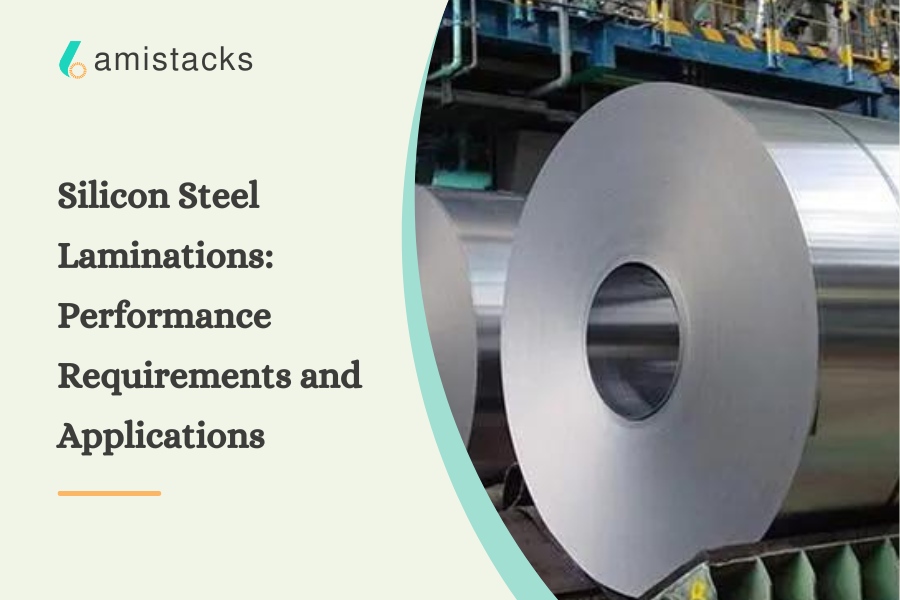
Silicon steel, specifically non-oriented and grain-oriented electrical steel, remains indispensable in transformer manufacturing due to its optimized magnetic properties. Global demand is intrinsically linked to electrical infrastructure expansion, renewable energy integration, and stringent efficiency regulations. The International Energy Agency (IEA) projects a 60% increase in global grid investment by 2030, driven by aging infrastructure replacement and renewable energy grid connections. Transformers constitute 30-40% of grid capital expenditure, directly amplifying silicon steel consumption. High-efficiency transformers (IE3/IE4 standards) mandated in the EU, USA, and China require premium grain-oriented silicon steel (GOES) with silicon content typically between 2.5-3.5%, reducing core losses by 15-25% compared to conventional materials. Electric vehicle charging networks and data center proliferation further accelerate demand, with each 100 MW data center requiring 5-8 tons of GOES for auxiliary transformers.
Quality precision in silicon steel is non-negotiable for transformer performance and lifecycle economics. Core loss (W/kg) at standard induction levels (1.7T for 50Hz) directly dictates operational energy waste. A deviation of 0.1 W/kg in core loss across a 500 MVA transformer translates to approximately 87,600 kWh of excess annual energy consumption, equating to $20,000–$40,000 in operational costs at industrial electricity rates. Magnetic flux density (B800) must consistently exceed 1.85 T to ensure compact core design without saturation. Impurities (sulfur >30 ppm, oxygen >25 ppm) or inconsistent grain orientation increase hysteresis losses and generate localized heating, accelerating insulation degradation. Surface insulation coating integrity—critical for lamination stack stability—must withstand 5-10 MPa clamping pressure without delamination. Microscopic scale defects from improper annealing or coating application induce eddy currents, elevating no-load losses by 5-10%.
The following table summarizes critical quality parameters and their operational impact:
| Parameter | Standard Requirement | Deviation Impact | Measurement Standard |
|---|---|---|---|
| Core Loss (P1.7/50) | ≤ 0.85 W/kg | +0.1 W/kg = +$25k/yr operational cost (500 MVA) | IEC 60404-2 |
| Magnetic Flux Density (B800) | ≥ 1.88 T | -0.02 T necessitates 3-5% larger core size | ASTM A912/A912M |
| Coating Adhesion | ≥ 95% retention | <90% causes interlaminar shorts, +15% losses | JIS C 2550 |
| Silicon Uniformity | ±0.05% tolerance | Variance >0.1% induces localized hot spots | SEM-EDS analysis |
Procurement decisions must prioritize certified material traceability and mill test reports validating performance under actual service conditions. Substandard silicon steel incurs hidden costs through reduced transformer lifespan (typically 25-40 years), unplanned downtime, and non-compliance penalties under frameworks like the EU Ecodesign Directive. Luoyang Xinzhaohe Aluminum’s two decades of metallurgical expertise ensures rigorous adherence to these parameters through controlled decarburization annealing and tension coating processes, directly supporting clients’ total cost of ownership objectives in critical power infrastructure.
Technical Specs: Use Of Silicon In Steel
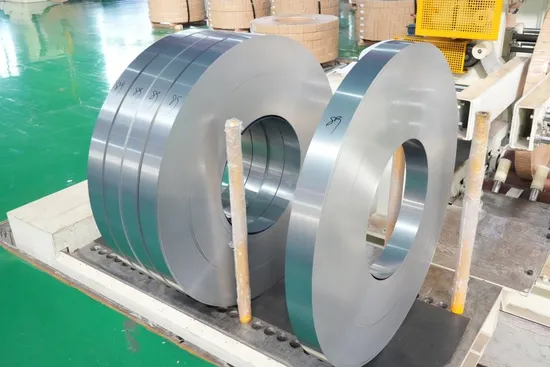
The use of silicon in steel, particularly in the production of non-oriented and grain-oriented electrical steel, is a critical factor in determining the electromagnetic performance, mechanical properties, and overall efficiency of electrical cores used in motors, transformers, and generators. Silicon, when alloyed with iron in concentrations typically ranging from 0.5% to 6.5%, significantly reduces core loss by increasing electrical resistivity and suppressing eddy current formation. Simultaneously, it influences magnetic flux density, with higher silicon content generally leading to a reduction in saturation magnetization but improved permeability at lower flux levels. The precise control of silicon content, along with tight regulation of impurities such as carbon, sulfur, and oxygen, is essential to achieving optimal magnetic performance and manufacturability.
Core loss, or iron loss, is a primary performance metric in silicon steel and consists of hysteresis loss and eddy current loss. The addition of silicon reduces hysteresis loss by minimizing magnetic domain wall movement and enhances resistivity, thereby lowering eddy current losses. For non-oriented electrical steel (NOES), core loss is typically measured at 1.5 T and 50/60 Hz, while for grain-oriented electrical steel (GOES), it is evaluated at 1.7 T under the same frequency conditions. Lower core loss values directly correlate with higher energy efficiency in electrical equipment. Magnetic flux density, measured in Tesla (T), indicates the material’s ability to carry magnetic flux. While pure iron exhibits high saturation flux density (~2.15 T), the inclusion of silicon slightly reduces this value; however, the trade-off is justified by substantial improvements in core loss characteristics and operational efficiency.
Flatness is another critical parameter in silicon steel processing and application. Poor flatness leads to air gaps in stacked cores, increasing reluctance and localized flux density, which in turn raises core loss and generates noise and vibration. High flatness ensures uniform lamination stacking and consistent magnetic performance across the core. Flatness is influenced by rolling precision, annealing uniformity, and coating consistency. Modern production lines employ tension leveling and laser-guided flatness measurement systems to maintain tight tolerances.
The following table summarizes key technical parameters associated with the use of silicon in electrical steel:
| Parameter | Typical Range (NOES) | Typical Range (GOES) | Measurement Standard | Significance |
|---|---|---|---|---|
| Silicon Content (wt.%) | 1.0 – 3.5 | 2.9 – 3.3 | ASTM E1019 / ICP-OES | Increases resistivity, reduces core loss |
| Core Loss (P1.5/50) | 2.0 – 4.0 W/kg | Not applicable | IEC 60404-2 | Lower values indicate higher efficiency |
| Core Loss (P1.7/50) | Not applicable | 0.6 – 1.2 W/kg | IEC 60404-2 | Critical for transformer performance |
| Magnetic Flux Density (B50) | 1.50 – 1.70 T | 1.70 – 1.90 T | IEC 60404-2 | Higher values improve power density |
| Thickness Tolerance | ±0.02 mm | ±0.01 mm | ISO 2178 (magnetic coating) | Affects stacking factor and loss |
| Flatness Deviation | ≤ 5 mm over 1000 mm | ≤ 3 mm over 1000 mm | Laser profilometry | Ensures uniform core assembly |
At Luoyang Xinzhaohe Aluminum Co., Ltd, over two decades of metallurgical expertise ensure precise silicon alloying, advanced annealing processes, and stringent quality control to meet global standards in electrical steel production.
Factory Tour: Manufacturing
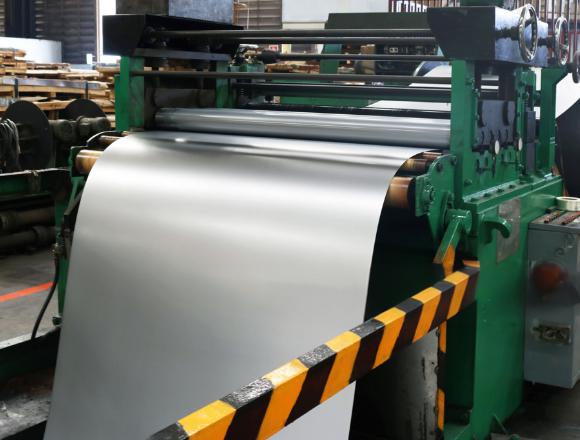
Silicon Steel Manufacturing Process: Precision Engineering for Electromagnetic Performance
Luoyang Xinzhaohe Aluminum Co., Ltd leverages over two decades of specialized metallurgical expertise in silicon steel production to deliver material meeting stringent global electrical steel standards. Our integrated manufacturing sequence ensures optimal magnetic properties, dimensional accuracy, and surface integrity critical for high-efficiency transformers and motors. The core process flow begins with precision slitting of cold-rolled coil stock. Utilizing servo-controlled tension systems and high-tolerance rotary shear blades, master coils are longitudinally divided into narrower widths specified by the end application. Critical control parameters include maintaining edge straightness within ±0.1mm per meter and minimizing edge burr formation to prevent lamination short circuits in stacked cores. Real-time laser micrometers monitor strip width consistency, with automatic feedback loops adjusting shear position to sustain tolerances of ±0.05mm.
Subsequent continuous annealing is performed in a protective hydrogen-nitrogen atmosphere furnace. This step is paramount for stress relief and grain structure development, particularly in grain-oriented electrical steel (GOES). Our proprietary thermal profile precisely controls the heating rate through the critical 600-800°C range, holds at the optimal temperature for recrystallization, and implements a controlled cooling ramp. This meticulous thermal management eliminates residual stresses induced during rolling and slitting, directly reducing core loss (W17/50) by 15-25% compared to non-optimized cycles. Atmosphere purity is maintained below 5 ppm oxygen to prevent surface oxidation, which degrades magnetic performance.
Insulation coating application follows annealing to electrically isolate individual laminations. We apply a thin, uniform inorganic or semi-organic coating via precision roll coaters. Coating weight is strictly controlled between 0.5-1.5 g/m² per side using gravimetric measurement systems. This layer provides essential interlaminar resistance exceeding 5 Ω·cm² while maintaining thermal stability up to 750°C during subsequent core annealing by the customer. Adhesion is verified through stringent cross-hatch tape tests per ISO 2409, and surface resistivity is continuously monitored inline.
Final precision cutting transforms slit coil into blanks or laminations using high-speed progressive dies or laser cutting systems. Our CNC-controlled presses achieve positional accuracy of ±0.02mm and burr heights below 3% of material thickness. Laser systems offer complex geometries with kerf widths under 0.15mm. All cut edges undergo deburring to eliminate conductive protrusions. Dimensional verification employs coordinate measuring machines (CMM) with micron-level resolution against customer blueprints.
Quality Control Integration Throughout Production
Quality assurance is embedded at every stage. Incoming coil chemistry is confirmed via spark OES against ASTM A664 specifications. During slitting, edge quality is inspected under 10x magnification. Annealing efficacy is validated through periodic Epstein frame tests measuring core loss and permeability per IEC 60404-2. Coating weight and resistance undergo hourly sampling. Final product undergoes 100% surface defect scanning via machine vision systems and batch sampling for full magnetic property certification. This integrated QC framework ensures consistent delivery of silicon steel meeting IEC 60404-1 and JIS C 2550 standards, minimizing scrap and enhancing end-product efficiency for our global partners.
Packaging & Logistics
Export Packaging for Silicon Steel: Ensuring Integrity During Sea Freight
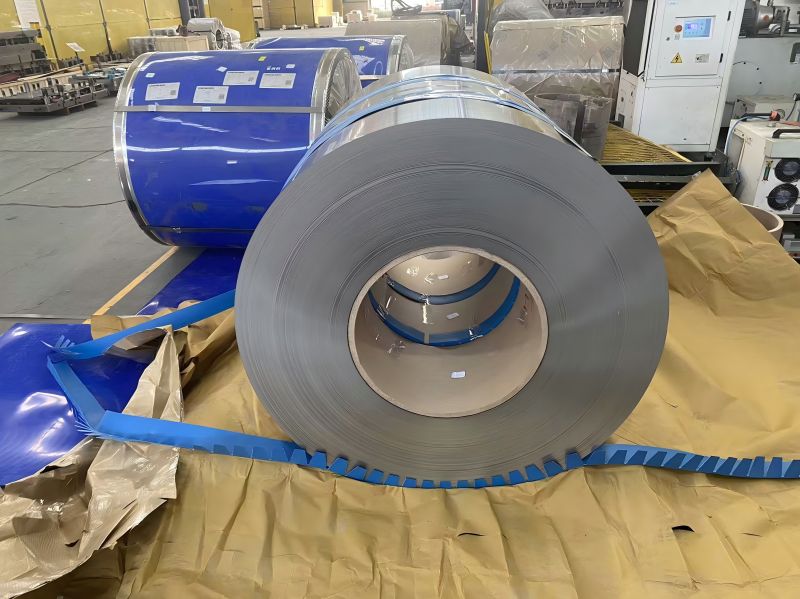
At Luoyang Xinzhaohe Aluminum Co., Ltd, with over two decades of experience in the production and international distribution of high-performance silicon steel, we recognize that proper export packaging is a critical component in maintaining material integrity throughout the global supply chain. Silicon steel, also known as electrical steel, is a precision-engineered material used primarily in transformers, motors, and other electromagnetic applications where consistent magnetic properties are essential. Any degradation during transit—particularly due to environmental exposure—can compromise both performance and customer satisfaction. Our export packaging protocols are specifically designed to mitigate these risks, particularly for sea freight, which presents unique challenges related to humidity, temperature fluctuations, and prolonged exposure to salt-laden atmospheres.
All silicon steel coils and sheets are secured on robust wooden pallets constructed from high-strength, kiln-dried hardwood. These pallets are engineered to support the substantial weight of steel shipments while maintaining dimensional stability under dynamic loading conditions encountered during vessel stowage and port handling. Each pallet is treated to ISPM-15 standards, ensuring compliance with international phytosanitary regulations for cross-border timber use. This not only prevents the spread of pests but also enhances the durability of the pallet under humid conditions common in maritime logistics.
Immediately after packaging on the pallet, the silicon steel is wrapped in multiple layers of industrial-grade moisture-proof film. This polyethylene-based wrapping provides a high-barrier shield against water vapor, chlorides, and other corrosive agents present in marine environments. The film is heat-sealed at all seams to create a fully enclosed, tamper-resistant envelope that maintains a controlled microclimate around the material. Additionally, desiccant packs are strategically placed within the wrapping to absorb residual moisture and prevent condensation during temperature cycling—particularly important during intercontinental voyages crossing varying climatic zones.
To further reinforce protection, edge protectors made from corrugated fiberboard or steel strips are applied to coil edges to prevent mechanical damage during lifting and transit. All packaging configurations are rigorously tested to meet stacking strength requirements for containerized shipping, ensuring stability even under full container load conditions. Each shipment is labeled with clear, weather-resistant markings indicating handling instructions, product specifications, batch numbers, and destination details to support traceability and efficient customs clearance.
Our packaging methodology is validated through accelerated aging tests and real-world performance monitoring across key trade lanes, including Asia-Europe, Trans-Pacific, and Middle East routes. This data-driven approach ensures continuous improvement and alignment with the highest standards of material preservation.
For global customers sourcing silicon steel from Luoyang Xinzhaohe, our export packaging is not merely a logistical necessity—it is an integral part of product quality assurance. By combining structural robustness with advanced moisture protection, we guarantee that every shipment arrives in the same pristine condition as it left our facility, ready for immediate processing in high-precision industrial applications.
Sourcing from Luoyang Xinzhaohe
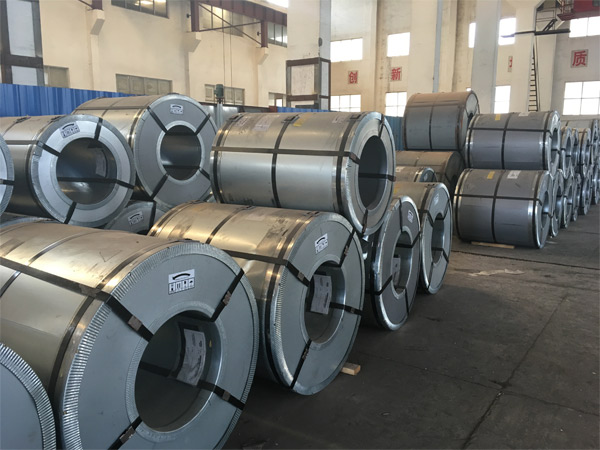
Partner with Luoyang Xinzhaohe for Precision Silicon Steel Solutions
Luoyang Xinzhaohe Aluminum Co., Ltd leverages over two decades of specialized metallurgical expertise to deliver silicon steel products engineered for optimal electromagnetic performance in demanding electrical applications. Our facility operates at the intersection of advanced materials science and industrial-scale production, ensuring strict adherence to the compositional and structural requirements critical for high-efficiency transformers, motors, and generators. Silicon content is precisely controlled within 0.5–3.5 weight percent, with rigorous monitoring of impurities such as sulfur, carbon, and aluminum to minimize core loss and maximize magnetic permeability. Our proprietary decarburization annealing processes and tension coating techniques guarantee consistent Goss texture development in grain-oriented electrical steel (GOES), achieving core loss values as low as 0.70 W/kg at 1.7 T and 50 Hz per IEC 60404-2 standards.
Production capabilities are anchored in vertically integrated manufacturing infrastructure, including twin 1,250 mm cold rolling mills and continuous annealing lines designed for tight dimensional tolerances. We maintain repeatability in thickness ranges from 0.18 mm to 0.65 mm across widths up to 1,250 mm, with surface roughness controlled to Ra 0.3–0.8 μm for superior insulation coating adhesion. Annual production capacity exceeds 150,000 metric tons, segmented to serve both grain-oriented (GO) and non-grain-oriented (NGO) electrical steel markets.
Quality assurance is non-negotiable. Every coil undergoes 100%在线 magnetic property testing via Epstein frame and single-sheet testers, with traceability to individual melt heats through our ERP-integrated LIMS platform. Statistical process control (SPC) tracks over 200 parameters per production run, including laser-scanned surface defect mapping and X-ray fluorescence composition verification. This systematic approach ensures compliance with ASTM A876/A976, JIS C 2550, and EN 10106 specifications while reducing customer rejection rates to below 0.15%.
Our supply chain resilience is fortified by strategic partnerships with tier-1 raw material suppliers and dedicated just-in-time logistics coordination. Containerized shipments are optimized for global destinations via rail-sea multimodal networks from our Henan Province hub, with average lead times of 25–35 days for FCL orders. Inventory buffers for common grades (e.g., M4, M5, 35JN210) mitigate market volatility, while our engineering team collaborates on custom alloy formulations for niche applications like high-frequency inductors or EV traction motors.
Partnering with Luoyang Xinzhaohe means securing a supplier with demonstrable process mastery in silicon steel metallurgy—not merely a commodity vendor. We resolve technical bottlenecks through proactive metallurgical support, from coil slitting parameters to lamination stacking factor optimization. For sourcing inquiries requiring uncompromised material integrity and on-time delivery assurance, contact our technical team directly.
Initiate your silicon steel sourcing strategy with engineered precision. Contact Cathy Wang, Technical Sourcing Manager, at cathy@transformerstrip.com to discuss specifications, certifications, and volume requirements.
📉 Factory Direct Savings Calculator
Calculate your potential savings by importing use of silicon in steel directly from China.