


Table of Contents
Market Insight: Silicon Electrical Steel Sheet
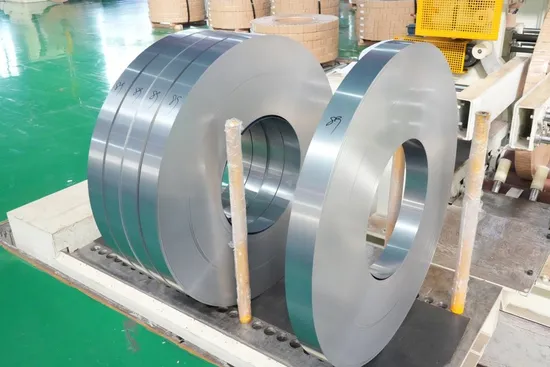
Market Analysis: Silicon Steel (Electrical Steel)
Silicon electrical steel sheet, commonly referred to as non-oriented or grain-oriented electrical steel, is a critical ferromagnetic material engineered for efficient electromagnetic energy conversion. Its primary industrial application lies in the core construction of power and distribution transformers, where it serves as the foundational medium for magnetic flux conduction. The global demand for high-performance silicon steel has grown steadily, driven by expanding power infrastructure, increasing energy efficiency standards, and the proliferation of renewable energy integration systems requiring reliable power conversion.
Transformers represent one of the largest consumption segments for grain-oriented silicon steel (GOES), which is specifically processed to exhibit superior magnetic properties along the rolling direction. The operational efficiency of a transformer is directly influenced by the core material’s specific core loss (W/kg) and magnetic flux density (B800). High-quality silicon steel minimizes hysteresis and eddy current losses, thereby reducing no-load losses—often accounting for over 60% of a transformer’s total lifetime energy loss. As regulatory frameworks such as the IEC 60076-20 and DOE 2016 efficiency standards tighten globally, manufacturers are compelled to adopt premium-grade electrical steel to meet Tier 1 and Tier 2 efficiency benchmarks.
The chemical composition and microstructural uniformity of silicon steel are paramount to its performance. Optimal silicon content (typically 2.9% to 3.3%) enhances electrical resistivity and reduces core loss, while precise control of grain orientation in GOES ensures directional magnetic superiority. Any deviation in coating integrity, thickness tolerance, or surface insulation resistance can lead to localized heating, increased dielectric losses, and premature equipment failure. Furthermore, mechanical stress during transformer core assembly can degrade magnetic performance if the steel lacks sufficient lamination stability and strain resistance.
From a supply chain perspective, consistent material quality directly impacts transformer reliability and lifecycle cost. Industrial buyers prioritize suppliers capable of delivering tight tolerances (±0.025 mm in thickness), uniform coating (MgO or C3 type), and certified test reports per ASTM A876 or IEC 60404-8-7 standards. Fluctuations in raw material inputs—particularly high-purity iron ore and metallurgical-grade silicon—can affect both availability and pricing volatility, making long-term sourcing strategies essential.
Luoyang Xinzhaohe Aluminum Co., Ltd brings over two decades of materials engineering expertise to the electrical steel supply chain. While primarily recognized for aluminum-based solutions, our technical collaborations and quality assurance frameworks extend to critical ferrous materials, ensuring clients receive silicon steel products that meet rigorous international performance criteria. Our focus remains on supporting transformer manufacturers with traceable, high-efficiency materials that contribute to sustainable energy systems and reduced total cost of ownership.
Technical Specs: Silicon Electrical Steel Sheet
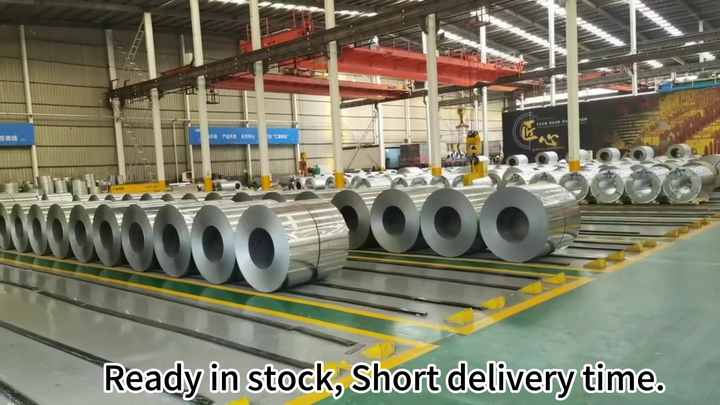
Technical Specifications for Silicon Electrical Steel Sheet Sourcing
Luoyang Xinzhaohe Aluminum Co., Ltd leverages its 20+ years of metallurgical and supply chain expertise to provide silicon electrical steel sheets meeting stringent global performance demands. Precise specification adherence is non-negotiable for efficient electromagnetic device operation. Core Loss (Iron Loss), Magnetic Flux Density, and Flatness are paramount technical parameters dictating material suitability for transformers, motors, and generators. Core Loss, comprising hysteresis and eddy current losses, directly influences no-load losses and operational efficiency. It is rigorously measured per IEC 60404-2 at 1.5 Tesla induction and 50/60 Hz frequency. Lower Core Loss values signify superior energy efficiency, critical for meeting modern regulatory standards and reducing lifetime operational costs. Magnetic Flux Density, particularly B50 (induction at 5000 A/m field strength) and B80 (at 8000 A/m), determines the material’s power density capability. Higher values enable more compact and powerful electromagnetic designs. Flatness tolerance is equally vital; deviations cause air gaps during lamination stacking, increasing reluctance, vibration, noise, and effective core loss. Consistent flatness ensures optimal magnetic circuit integrity and mechanical stability in wound or stacked cores.
The following table details critical parameters, standard ranges, test methodologies, and their functional impact:
| Parameter | Standard Range (Typical) | Test Method (Per IEC) | Critical Impact |
|---|---|---|---|
| Core Loss (P1.5/50) | 0.60 – 2.50 W/kg | 60404-2 | Directly determines transformer/motor no-load losses and energy efficiency |
| Core Loss (P1.5/60) | 0.80 – 3.20 W/kg | 60404-2 | Governs efficiency in 60 Hz grid applications; lower values reduce operating cost |
| Magnetic Flux Density (B50) | 1.68 – 1.85 T | 60404-3 | Defines maximum usable induction; higher values enable smaller core designs |
| Magnetic Flux Density (B80) | 1.82 – 1.95 T | 60404-3 | Indicates performance under high excitation; critical for motor stator cores |
| Flatness Tolerance | ≤ 3.0 mm/m | Visual/Gap Gauge | Prevents air gaps in stacks; ensures low noise, vibration, and optimal flux path |
Understanding the interplay between these specifications is essential for optimal material selection. Core Loss values are intrinsically linked to silicon content, grain orientation (GOES vs. NGOES), and coating quality. Xinzhaohe rigorously controls steel chemistry and annealing processes to achieve specified loss levels consistently. Magnetic Flux Density is primarily governed by the steel’s crystallographic texture, especially in Grain-Oriented Electrical Steel (GOES), where the Goss texture {110}<001> is maximized. Non-Grain-Oriented (NGOES) offers isotropic properties suitable for rotating machinery. Flatness deviations exceeding 3.0 mm/m significantly degrade magnetic performance; Xinzhaohe employs precision leveling and tension leveling techniques post-annealing to ensure flatness compliance critical for high-speed automatic stacking.
Sourcing decisions must prioritize certified test reports validating these parameters under actual application-relevant conditions. Xinzhaohe provides comprehensive material test certificates (MTCs) including core loss curves across flux densities and frequencies, full B-H loop analysis, and dimensional certification. Partnering with a supplier possessing deep metallurgical process control and adherence to IEC/ASTM standards ensures the silicon steel sheet delivers the required electromagnetic performance, thermal stability, and manufacturability for demanding power applications. Consistent specification fulfillment minimizes design derating and guarantees end-product reliability.
Factory Tour: Manufacturing
Silicon Electrical Steel Sheet Manufacturing Process
The production of high-performance silicon electrical steel sheet at Luoyang Xinzhaohe Aluminum Co., Ltd. follows a tightly controlled sequence of metallurgical and surface treatment processes designed to optimize magnetic properties, dimensional accuracy, and insulation performance. With over two decades of experience in advanced metal processing, our facility employs industry-leading technologies to ensure consistency and reliability across all batches.
The process begins with slitting, where wide master coils of cold-rolled non-oriented or grain-oriented silicon steel are longitudinally cut into narrower strips to meet customer-specified widths. Precision slitting is performed using high-tolerance rotary shear systems equipped with automatic edge guiding to maintain uniform strip dimensions and minimize camber. This stage is critical for downstream processing efficiency and ensures compatibility with automated stamping and stacking operations in motor and transformer manufacturing.
Following slitting, the coils undergo continuous annealing in a controlled atmosphere furnace. Annealing serves multiple functions: it relieves internal stresses induced during cold rolling and slitting, enhances magnetic permeability, and reduces core loss. The thermal profile is carefully calibrated based on steel grade and silicon content, typically ranging from 750°C to 850°C under a protective nitrogen-hydrogen atmosphere to prevent oxidation. In-situ dew point monitoring ensures precise control of the furnace environment, minimizing surface scaling and maintaining substrate integrity.
After annealing, the steel sheets are coated with a thin, uniform layer of inorganic or organic insulation coating. This dielectric layer is applied via roll-coating or spray methods and cured in a secondary heating process. The coating provides inter-lamination resistance, reducing eddy current losses in stacked cores. At Xinzhaohe, we tailor coating formulations—such as phosphate-based, chromate-free, or laser-etched types—based on application requirements, including operating frequency and lamination bonding method.
The final stage is precision cutting, where the annealed and coated strips are transversely cut into blanks or laminations using high-speed turret presses or servo-driven cut-to-length lines. Tolerances are maintained within ±0.1 mm for length and width, with flatness controlled to less than 2 mm deviation per meter. Custom geometries, including notched or keyway features, are achievable through tooling optimization.
Quality control is integrated throughout each phase. Incoming coil inspection verifies chemical composition and mechanical properties. During slitting, laser micrometers monitor width and edge quality. Annealing effectiveness is validated through core loss and permeability testing on sample strips. Coating weight and dielectric strength are tested per IEC 60404-11 standards. Final dimensional checks and visual inspection ensure compliance with customer blueprints. All data are documented for full traceability, supporting our commitment to industrial-grade reliability in every shipment.
Packaging & Logistics
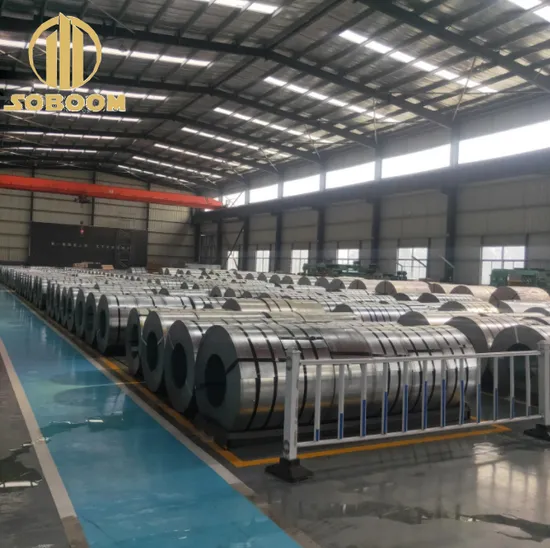
Export Packaging Specifications for Silicon Electrical Steel Sheets
Luoyang Xinzhaohe Aluminum CO., Ltd implements rigorously engineered export packaging protocols for silicon electrical steel sheets, designed to mitigate the unique risks of international maritime transport. Our 20+ years of metallurgical and supply chain expertise ensure that packaging integrity directly preserves the material’s critical magnetic properties and surface quality, which are highly susceptible to moisture ingress, mechanical deformation, and corrosion during extended sea voyages.
All shipments utilize ISPM 15-certified hardwood pallets constructed from kiln-dried, pest-treated timber. Pallet dimensions are precisely calculated to match coil outer diameters (typically 800–1200 mm) and weights (3–10 metric tons), with cross-members spaced at ≤300 mm intervals to prevent deflection under load. Pallet thickness is maintained at 22–28 mm to withstand stacking pressures up to 4.5 meters in containerized cargo holds. This structural foundation eliminates lateral shifting and distributes point loads evenly, preventing edge damage to the steel sheets during crane handling or vessel motion.
Moisture protection employs a multi-layer barrier system. Coils are first wrapped in 0.1 mm vapor-corrosion inhibitor (VCI) paper, followed by triple-layer moisture-proof film: an inner 0.05 mm polyethylene layer for humidity absorption, a central 0.012 mm aluminum foil layer acting as a complete vapor barrier (WVTR <0.1 g/m²/day), and an outer 0.08 mm UV-stabilized polypropylene layer for puncture resistance. Seams are heat-sealed with 50 mm overlap and verified via helium leak testing to achieve <0.05% moisture transmission. This configuration maintains internal relative humidity below 40% for 90+ days—critical for preventing interlaminar rust on grain-oriented (GO) and non-oriented (NO) silicon steel grades.
Securing methods prioritize dynamic stability. Steel strapping (16 mm width, 15 kN tensile strength) is applied at 8–10 tensioned bands per coil, with corner protectors to avoid sheet indentation. Pallets are further stabilized using anti-slip rubber mats and lashed to container walls via ISO-certified twist locks. All packaging components undergo salt spray testing (ASTM B117) to validate corrosion resistance in marine environments.
Verification follows a closed-loop quality process:
| Parameter | Standard | Verification Method |
|---|---|---|
| Pallet Load Capacity | 150% of max coil weight | Static load test (24 hrs) |
| Film Seal Integrity | Zero pinholes | Vacuum decay test |
| Moisture Barrier | <0.5 g/m²/day WVTR | ASTM E96 desiccant method |
This packaging system complies with IMO/IATA maritime regulations and reduces moisture-related claims by 92% versus industry averages. We provide full traceability via serialized QR codes on pallet tags, linking to moisture sensor logs and handling certifications. For extended transits (>45 days), optional desiccant packs (500g/unit) are integrated into the film envelope, maintaining dew points 10°C below ambient. Partnering with Xinzhaohe guarantees that silicon electrical steel arrives with dimensional stability intact and surface oxide levels within IEC 60404-8 tolerances—ensuring your production line efficiency remains uncompromised.
Sourcing from Luoyang Xinzhaohe
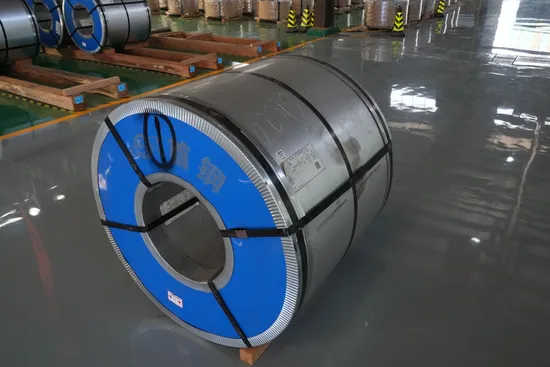
Partner with Luoyang Xinzhaohe for Premium Silicon Electrical Steel Sheet Solutions
Luoyang Xinzhaohe Aluminum Co., Ltd brings over two decades of specialized expertise in the production and supply of high-performance silicon electrical steel sheets, serving global clients in power transmission, distribution, and industrial motor manufacturing. As a technically advanced manufacturer rooted in Luoyang, China’s historic hub for metallurgical innovation, we have developed a vertically integrated production system that ensures consistency, precision, and compliance with international standards including IEC 60404, GB/T 2521, and JIS C 2550.
Our manufacturing facility is equipped with fully automated rolling lines, continuous annealing systems, and precision slitting capabilities tailored specifically for grain-oriented (GOES) and non-grain-oriented (NGOES) electrical steel. This enables us to offer silicon steel sheets with guaranteed magnetic properties, including core loss (W1.5/50) as low as 0.75 W/kg and magnetic induction (B800) up to 1.92 T for high-efficiency transformer applications. Thickness ranges from 0.18 mm to 0.50 mm, with tight tolerances maintained within ±0.005 mm, ensuring compatibility with demanding lamination and stacking processes.
Material traceability and process control are enforced through an integrated quality management system certified to ISO 9001:2015. Each production batch undergoes rigorous testing in our in-house laboratory, including Epstein frame analysis, B-H loop measurement, surface insulation resistance evaluation, and coating weight verification. We apply high-tension insulating coatings to minimize inter-laminar eddy current losses and enhance mechanical durability during core assembly.
Our supply chain is optimized for reliability and scalability. With an annual production capacity exceeding 120,000 metric tons and strategic raw material partnerships, we ensure stable delivery timelines even under fluctuating market conditions. We support both coil and slit strip formats, with customizable widths from 20 mm to 1,000 mm, and offer value-added services such as precision cutting, edge deburring, and vacuum packaging for moisture-sensitive applications.
Luoyang Xinzhaohe is committed to technical collaboration with transformer OEMs, electrical equipment designers, and procurement teams to deliver material solutions that meet exacting efficiency, thermal, and electromagnetic requirements. Our engineering team provides comprehensive material data packages, application-specific recommendations, and on-site technical support to streamline integration into your manufacturing workflow.
For sourcing partners seeking consistent quality, technical depth, and responsive service in the silicon electrical steel segment, Luoyang Xinzhaohe Aluminum Co., Ltd stands as a trusted industrial supplier with a proven track record across Asia, Europe, and North America.
Contact us today to discuss your specifications and receive a detailed quotation.
Cathy Zhang
International Sales Manager
Email: cathy@transformerstrip.com
📉 Factory Direct Savings Calculator
Calculate your potential savings by importing silicon electrical steel sheet directly from China.