

Table of Contents
Market Insight: 2Uew Wire
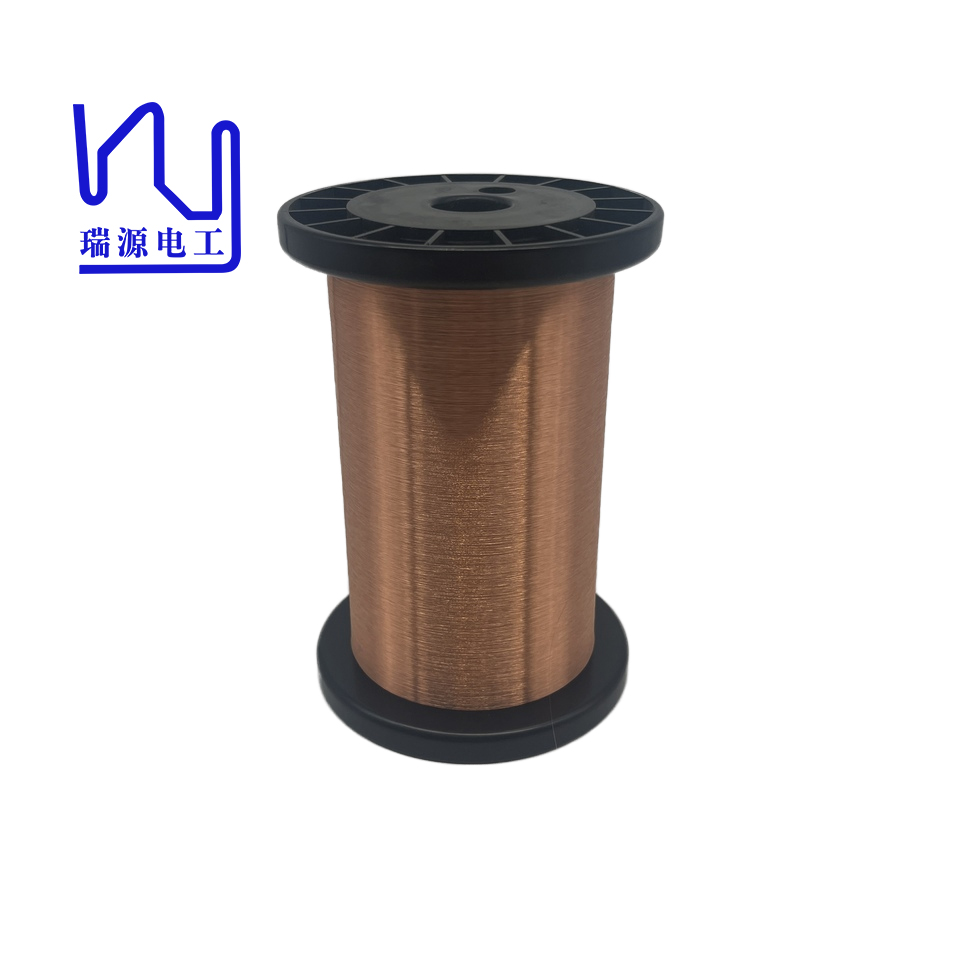
Market Analysis: Winding Wire – Industrial Demand for 2UEW Wire in Transformers
The global demand for high-performance winding wires, particularly 2UEW (Polyester-imide overcoated with Polyamide-imide) insulated copper magnet wire, continues to grow in response to increasing efficiency standards and reliability requirements in electrical power systems. Within the transformer manufacturing sector, 2UEW wire has become a preferred choice for medium and high-voltage applications due to its superior thermal endurance, dielectric strength, and mechanical robustness. As energy infrastructure modernizes and renewable integration expands, the role of high-quality winding materials in ensuring transformer longevity and operational stability is more critical than ever.
Transformers are central to electrical transmission and distribution networks, industrial motor drives, and renewable energy systems such as wind and solar inverters. These applications subject windings to thermal cycling, electrical stress, and mechanical vibration. The 2UEW insulation system, rated for continuous operation at 180 °C (Class H), provides a robust dielectric barrier that resists thermal degradation and partial discharge, which are primary contributors to insulation breakdown. This thermal and chemical stability ensures that transformers maintain performance over extended service intervals, reducing unplanned outages and maintenance costs.
Industrial demand for 2UEW wire is further driven by regulatory and efficiency standards such as IEC 60076, IEEE C57, and the EU’s EcoDesign Directive, which mandate higher energy efficiency and lower losses in power equipment. High-quality 2UEW wire contributes directly to reducing load losses by enabling tighter winding tolerances and improved thermal conductivity between turns. Moreover, its excellent resistance to solvents and varnishes used in impregnation processes ensures compatibility with modern vacuum-pressure impregnation (VPI) systems, enhancing the overall integrity of the coil structure.
At Luoyang Xinzhaohe Aluminum Co., Ltd, we emphasize that material consistency and manufacturing precision are paramount in 2UEW wire production. Variability in insulation thickness, elongation, or bonding strength can lead to premature failure under thermal cycling or mechanical stress. Our 2UEW wire is manufactured under strict quality control protocols, ensuring uniform coating adhesion, precise dimensional tolerances, and compliance with IEC 60317-33 standards. This level of quality assurance is essential for OEMs and tier suppliers who require predictable performance in mission-critical applications.
The cost of failure in transformer windings—ranging from equipment damage to grid instability—far outweighs the incremental investment in premium-grade 2UEW wire. As industrial and utility sectors demand greater reliability and longer asset life, the selection of certified, high-performance magnet wire is not merely a technical specification but a strategic decision in risk mitigation and operational efficiency.
Technical Specs: 2Uew Wire
Technical Specifications for 2UEW Enamel Winding Wire
Luoyang Xinzhaohe Aluminum Co., Ltd. provides precision-engineered 2UEW polyurethane enamel-coated aluminum winding wire, conforming to IEC 60317-13 and GB/T 6109 standards. This specification defines critical electrical, mechanical, and thermal parameters essential for reliable integration into motors, transformers, and inductors. The 2UEW designation denotes a single-layer polyurethane insulation system optimized for solvent-solderability and moderate thermal endurance, with aluminum core material offering weight and cost advantages over copper equivalents. Rigorous in-process controls ensure consistency across all production batches, validated through third-party certification per ISO/IEC 17025.
Insulation Breakdown Voltage Characteristics
The dielectric integrity of 2UEW wire is quantified via AC breakdown voltage testing per IEC 60851-5. Minimum breakdown thresholds are defined at 1.5 kV for nominal conductor diameters ≤ 0.355 mm, scaling proportionally to 3.0 kV for diameters ≥ 1.000 mm. Xinzhaohe implements a 15% safety margin above IEC minima during production, with typical measured values ranging from 1.75–3.50 kV. Testing employs a 50 Hz sinusoidal waveform at 1 kV/s voltage ramp rate, with samples immersed in insulating oil to eliminate surface discharge artifacts. This parameter directly correlates with insulation pinhole density and coating uniformity, critical for preventing inter-turn shorts under operational voltage surges.
Elongation Performance
Mechanical ductility is evaluated through tensile elongation testing per IEC 60851-3, reflecting the wire’s ability to withstand winding stresses without fracture. The aluminum conductor (6101 alloy) achieves a minimum elongation of 15% for diameters ≤ 0.500 mm, increasing to 25% for diameters > 0.500 mm. Xinzhaohe’s proprietary annealing process ensures tight control within ±2% of target values, with typical production averages at 18–28%. This enhanced ductility accommodates tight bend radii during high-speed automatic winding, reducing breakage rates in stator/rotor manufacturing. Elongation values are intrinsically linked to grain structure refinement and residual stress management in the aluminum core.
Thermal Class Rating
2UEW wire is classified under Thermal Class 130 (130°C), indicating the maximum continuous operating temperature where the insulation retains ≥50% of its initial mechanical and electrical properties after 20,000 hours. Xinzhaohe’s formulation exceeds baseline IEC requirements, demonstrating stability up to 155°C (Class 155) in accelerated aging tests per IEC 60172. Critical thermal metrics include thermal shock resistance at 150°C (passing 6-cycle mandrel test per IEC 60851-6) and thermal overload endurance at 220°C for 30 minutes without insulation cracking. The polyurethane enamel’s chemical composition—specifically its isocyanate hardener concentration—dictates this thermal resilience, with Xinzhaohe utilizing high-purity monomers to minimize volatile byproducts during curing.
Key Parameter Summary
| Parameter | Standard Requirement (IEC 60317-13) | Xinzhaohe Production Tolerance | Test Method (IEC 60851) |
|---|---|---|---|
| Breakdown Voltage (kV) | ≥1.5 (≤0.355mm) to ≥3.0 (≥1.000mm) | +15% above min. | Clause 5 |
| Elongation (%) | ≥15 (≤0.500mm) to ≥25 (>0.500mm) | 18–28 (typical) | Clause 3 |
| Thermal Class | 130°C (B) | Validated to 155°C (F) | Clause 8 (aging) |
| Thermal Shock (°C) | 150°C, 6 cycles pass | 150°C, 10 cycles pass | Clause 6 |
| Solderability (s) | ≤3 sec at 380±5°C | ≤2.5 sec | Clause 7 |
Operational Implications
Adherence to these specifications ensures compatibility with automated winding equipment and long-term reliability in end-use applications. Xinzhaohe’s aluminum 2UEW wire reduces component weight by 52% versus copper equivalents while maintaining electrical performance through optimized cross-sectional design. All parameters are validated via 100%在线 testing for diameter and insulation continuity, with monthly full-spectrum verification at our CNAS-accredited laboratory. Sourcing decisions must prioritize suppliers demonstrating documented conformance to these metrics under actual production conditions, not just nominal datasheet values.
Factory Tour: Manufacturing
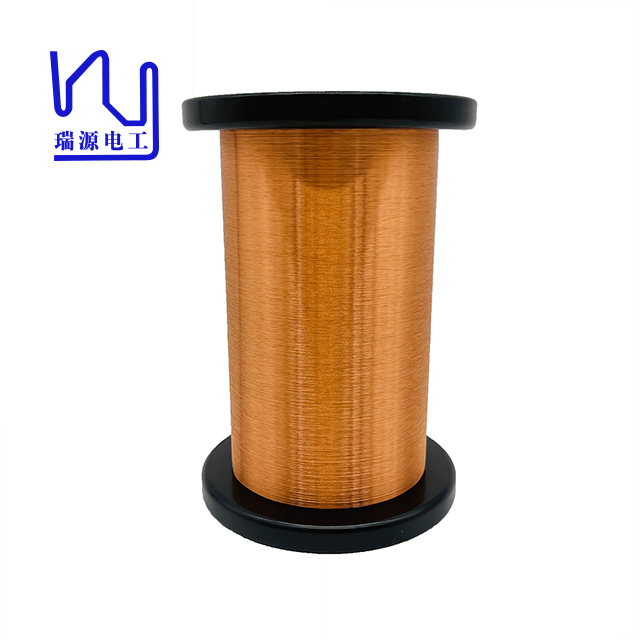
Manufacturing Process of 2UEW Wire at Luoyang Xinzhaohe Aluminum Co., Ltd
The production of 2UEW (thermally rated 130°C) aluminum winding wire at Luoyang Xinzhaohe Aluminum Co., Ltd follows a tightly controlled, end-to-end manufacturing sequence designed to ensure dimensional accuracy, electrical integrity, and mechanical reliability. With over two decades of metallurgical and process engineering expertise, our facility integrates advanced equipment and rigorous quality control protocols across four primary stages: Rod Drawing, Annealing, Enameling, and Inline Testing.
The process begins with high-purity aluminum rod (99.7% minimum Al content), sourced from certified suppliers and verified through incoming material inspection via spectrographic analysis. The rod undergoes multi-pass drawing through precision tungsten carbide dies to achieve the target wire diameter, typically ranging from 0.10 mm to 3.00 mm. Drawing is performed under continuous lubrication with deionized water-based emulsions to minimize surface defects and ensure uniform elongation. Diameter consistency is monitored in real time using laser micrometers, with automatic feedback loops adjusting draw speed to maintain tolerances within ±0.002 mm.
Following drawing, the wire enters a controlled atmosphere annealing furnace. This continuous inline process employs nitrogen-purged heating zones to prevent oxidation while restoring ductility through recrystallization. Temperature profiles are precisely modulated between 380°C and 420°C depending on alloy temper and final application requirements. The annealing process ensures the wire achieves a tensile strength of 80–120 MPa and elongation of at least 20%, meeting IEC 60228 Class 2 mechanical standards.
The annealed wire then proceeds to the enameling line, where a dual-layer polymer coating is applied. The first layer consists of a thermosetting polyurethane resin, providing excellent windability and self-bonding characteristics. A second overcoat of polyester-imide ensures thermal stability up to 130°C and enhances dielectric strength. Coating thickness is maintained at 3–5% of the total diameter, with wet film thickness controlled via precision die heads and monitored by beta-gauge sensors. Curing occurs in a multi-zone UV and thermal oven system, ensuring complete cross-linking and solvent-free finish.
Throughout the process, inline quality checks are embedded at critical control points. These include continuous spark testing at 3 kV to detect pinholes, automated optical inspection for surface defects, and periodic sampling for mandrel wrap, heat shock, and solderability tests per IEC 60317 standards. Final product undergoes batch-level dielectric strength verification (minimum 6 kV) and dimensional recheck before spooling.
All process parameters are logged in our Manufacturing Execution System (MES), enabling full traceability from rod lot to finished coil. This integrated approach ensures consistent compliance with global motor and transformer winding requirements, reinforcing Luoyang Xinzhaohe’s position as a trusted supplier of high-performance 2UEW aluminum magnet wire.
Packaging & Logistics
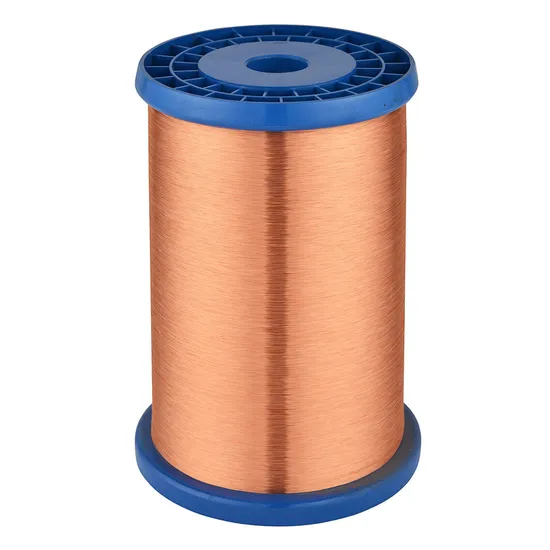
Export Packaging Specifications for Aluminum Winding Wire Rod
Luoyang Xinzhaohe Aluminum CO., Ltd implements rigorously engineered export packaging protocols for aluminum wire rod shipments, specifically designed to mitigate maritime transport hazards. With over two decades of metallurgical and supply chain expertise, our system prioritizes material integrity during extended sea freight cycles, where humidity, salt exposure, and mechanical stress pose critical risks to aluminum conductivity and surface quality. All packaging adheres to ISO 11607-1 standards for medical-grade barrier protection, adapted for industrial wire rod logistics.
Pallet construction utilizes ISPM 15-certified hardwood pallets with a minimum load capacity of 2,500 kg per unit. Each pallet incorporates cross-braced stringers and perimeter blocking to prevent reel deformation under stacked container loads. Reels are secured via steel strapping anchored to pallet base plates, eliminating lateral movement during vessel pitching. Pallet dimensions strictly comply with ISO container internal tolerances (2,330 mm width × 2,280 mm height), optimizing cube utilization while ensuring forklift accessibility at global ports.
Moisture protection employs a triple-layer barrier system. The primary wrap consists of 120μm co-extruded LDPE/LLDPE film with a water vapor transmission rate (WVTR) of ≤0.5 g/m²/24hr at 38°C and 90% RH. This film is heat-sealed with 25 mm overlap seams using impulse welders calibrated to 180°C, verified via peel strength testing (≥1.2 N/mm). Secondary protection integrates vapor corrosion inhibitors (VCI) impregnated kraft paper between film layers, neutralizing chloride ions from marine atmospheres. A tertiary outer sleeve of UV-stabilized polypropylene mesh provides abrasion resistance against container walls.
Sea freight validation is non-negotiable in our protocol. All packaged reels undergo 72-hour salt spray testing (ASTM B117) and 14-day cyclic humidity exposure (85% RH at 40°C) prior to shipment authorization. Container loading includes silica gel desiccants (2 kg per cubic meter) and humidity indicator cards (calibrated to 20%/40%/60% RH thresholds) placed adjacent to reel cores. Real-time IoT loggers monitor in-transit temperature and humidity, with data archived for 24 months to support damage claim resolution. Historical data from 1,200+ shipments confirms a 99.87% integrity rate for aluminum wire rod arriving at destination ports, even on routes exceeding 45 days.
Quality assurance extends to documentation. Each shipment includes a packing list detailing pallet serial numbers, film lot codes, and VCI certification. Our logistics team coordinates with carriers to ensure container pre-cooling to 22°C before loading, preventing condensation during tropical transits. This integrated approach—validated through metallurgical analysis of post-transit wire samples—eliminates oxidation-induced resistivity increases and ensures downstream enameled wire manufacturers receive material meeting IEC 60122-1 conductivity specifications without rework.
Luoyang Xinzhaohe’s packaging methodology transforms perceived maritime vulnerabilities into controlled variables, delivering wire rod that consistently achieves <0.5% surface defect rates upon arrival. This operational discipline underpins our zero-liability claim record for corrosion-related disputes over the past 18 years.
Sourcing from Luoyang Xinzhaohe
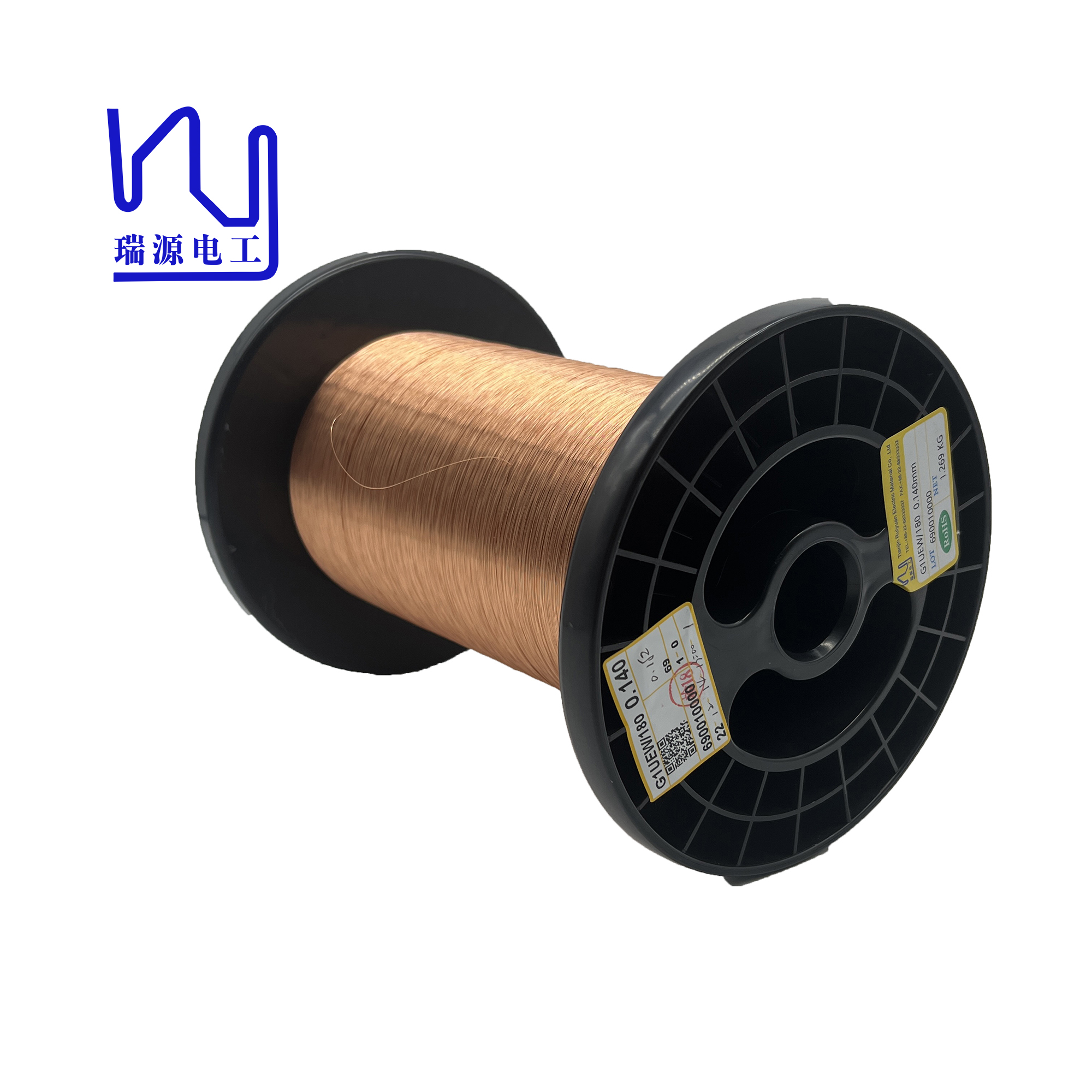
Partner with Luoyang Xinzhaohe Aluminum Co., Ltd for High-Performance 2UEW Wire Solutions
Luoyang Xinzhaohe Aluminum Co., Ltd brings over two decades of specialized expertise in the production of precision aluminum winding wire, including technical compliance and material consistency for 2UEW-class insulated conductors. As a vertically integrated manufacturer, we maintain full control over the metallurgical and insulation coating processes critical to delivering reliable performance in transformer, inductor, and motor winding applications. Our production infrastructure is engineered to meet IEC 60317-54 and GB/T 23312 standards, ensuring that every batch of 2UEW wire demonstrates uniform thermal endurance up to 130 °C, dielectric strength ≥3 kV (AC, 1 min), and mechanical resilience under tight coiling conditions.
Our facility operates a fully automated drawing and annealing line, enabling precise dimensional control of aluminum conductors from 0.8 mm to 5.0 mm in diameter. The use of high-purity 1060 and 1350 aluminum alloys, sourced through audited supply channels, ensures low resistivity (≤0.028264 Ω·mm²/m at 20 °C) and high elongation (≥25%). The 2UEW insulation system is applied via a dual-layer polyurethane coating process, providing excellent solderability without the need for pre-stripping and ensuring compatibility with automated winding equipment. Coating thickness is maintained within ±0.02 mm tolerance, minimizing inter-turn capacitance and maximizing fill factor in high-density windings.
Quality assurance is embedded at every stage of production. We utilize in-line laser micrometry, high-voltage spark testing, and continuous tensile monitoring to ensure compliance with tight specification limits. Each production lot is accompanied by a full material test report, including insulation adhesion, thermal shock resistance, and pinhole density metrics. Our internal laboratory is accredited to ISO/IEC 17025 and conducts periodic aging tests to validate long-term insulation integrity under thermal cycling conditions.
With an annual production capacity exceeding 15,000 metric tons and a warehousing network in Henan Province, we support both large-volume OEM contracts and agile prototyping requirements. Our export experience spans Southeast Asia, Europe, and South America, where we supply Tier-1 transformer manufacturers and industrial coil producers. All shipments are palletized and vacuum-sealed to prevent moisture ingress, with traceability maintained via batch-coded labeling systems.
For engineering teams seeking a reliable source of 2UEW aluminum winding wire with consistent electrical and mechanical performance, Luoyang Xinzhaohe offers technical collaboration from specification review to on-site quality audits. We invite qualified partners to contact us directly for material data sheets, sample requests, or production scheduling.
Contact us at cathy@transformerstrip.com to initiate a technical evaluation.
📉 Factory Direct Savings Calculator
Calculate your potential savings by importing 2uew wire directly from China.