


Table of Contents
Market Insight: 12 Gauge Magnet Wire
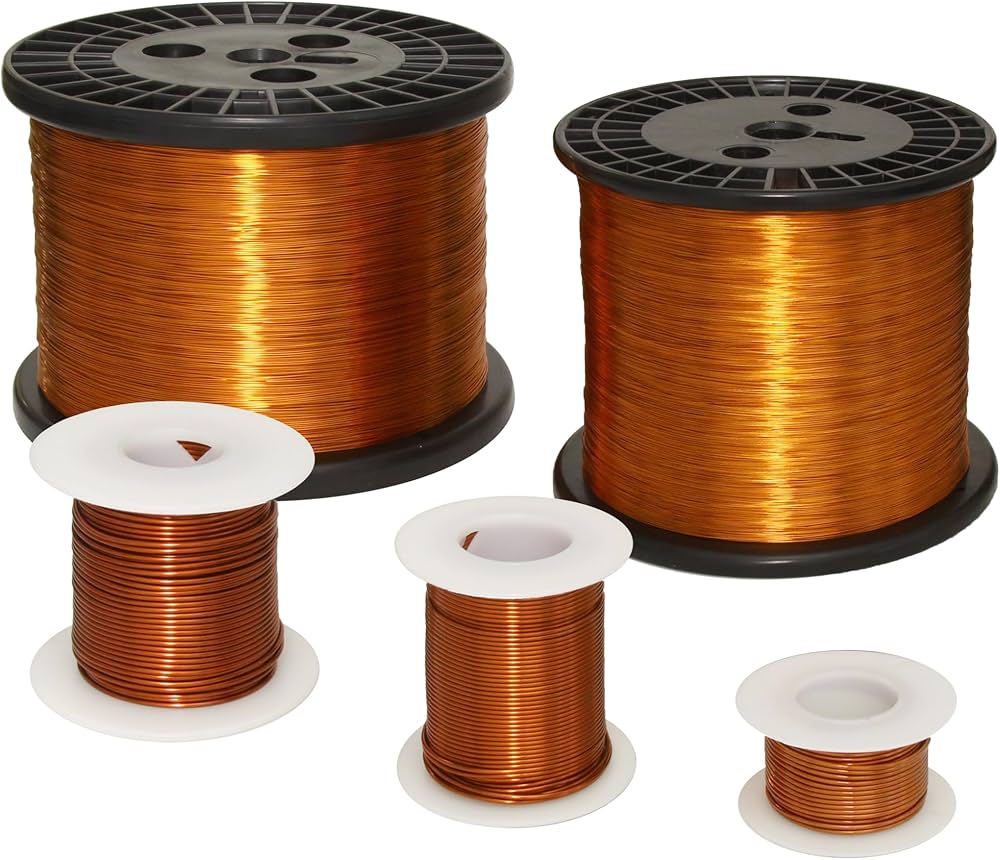
Market Analysis: Winding Wire – Industrial Demand for 12 Gauge Magnet Wire in Transformers
The global demand for 12 gauge magnet wire remains robust, driven primarily by its critical role in power and distribution transformers. As a core component in electromagnetic energy conversion, 12 AWG (approximately 2.05 mm in diameter) magnet wire offers an optimal balance between current-carrying capacity and winding efficiency, making it a preferred choice in medium-power transformer applications. These include industrial transformers, renewable energy inverters, and utility-grade distribution systems where reliability under continuous load is paramount.
Transformers utilizing 12 gauge magnet wire are typically deployed in environments requiring stable performance across fluctuating thermal and electrical conditions. The wire’s cross-sectional area supports nominal current ratings between 20–25 A, depending on insulation class and cooling method, aligning with design specifications for single-phase and中小型 three-phase units. This has positioned 12 AWG as a standard in both OEM manufacturing and aftermarket repair windings, particularly in regions expanding electrical infrastructure and upgrading aging grid systems.
Industrial procurement of magnet wire is increasingly influenced by lifecycle cost analysis rather than initial material pricing. High-quality 12 gauge wire, manufactured to stringent international standards such as IEC 60317 and ASTM B245, ensures consistent electrical conductivity, thermal endurance, and mechanical formability. At Luoyang Xinzhaohe Aluminum Co., Ltd, we produce aluminum-based magnet wire with precision-drawn conductors and multi-layer insulation systems designed for Class 130°C to Class 180°C operation. Our two decades of metallurgical expertise ensure minimal oxide inclusion, uniform elongation, and controlled tensile strength—parameters directly affecting winding yield and transformer efficiency.
Quality deviations in magnet wire can lead to catastrophic field failures. Insulation defects, inconsistent film thickness, or non-uniform conductor annealing contribute to turn-to-turn shorts, partial discharges, and accelerated thermal aging. In distribution transformers, such failures result in unplanned outages, increased maintenance costs, and reduced grid reliability. Independent studies have shown that using substandard magnet wire can decrease transformer lifespan by up to 40%, particularly in tropical or high-load environments where thermal cycling is frequent.
Furthermore, the shift toward energy-efficient transformers (e.g., IE3 and IE4 efficiency classes) has heightened demand for magnet wire with low DC resistance and superior thermal conductivity. Aluminum magnet wire, when properly engineered, offers a lightweight and cost-effective alternative to copper without compromising performance. However, this requires advanced surface treatment and bonding technologies to prevent interlayer slippage and ensure long-term mechanical stability within the winding structure.
In summary, the industrial market for 12 gauge magnet wire is characterized by technical rigor and performance accountability. As transformer manufacturers face tighter regulatory standards and longer warranty obligations, the proven quality and consistency of magnet wire directly influence product reliability and brand reputation. Luoyang Xinzhaohe Aluminum Co., Ltd adheres to a zero-defect manufacturing philosophy, supplying 12 AWG winding wire that meets the exacting demands of modern power systems.
Technical Specs: 12 Gauge Magnet Wire
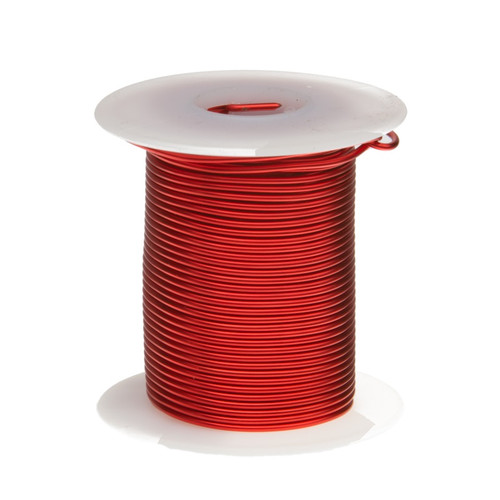
Technical Specifications for 12 AWG Aluminum Magnet Wire
Luoyang Xinzhaohe Aluminum CO., Ltd. provides precision-engineered 12 AWG (2.052 mm ±0.010 mm nominal diameter) aluminum magnet wire designed for high-reliability electromagnetic applications. Our specifications adhere strictly to IEC 60317-0-1 and ASTM B230 standards, ensuring compatibility with demanding winding processes and operational environments. Critical parameters are rigorously controlled to prevent in-field failures, particularly focusing on insulation integrity, mechanical resilience, and thermal stability. Insulation breakdown voltage is measured per IEC 60317-20 using a 1 kV/s ramp test on wound samples; minimum values are maintained at 3,000 V AC (50 Hz) for standard grades, with high-reliability variants exceeding 4,500 V AC. This ensures robust dielectric performance under surge conditions in motors, transformers, and inductors.
Elongation is a critical mechanical property for aluminum conductors due to their inherent lower ductility versus copper. Our 12 AWG wire achieves a minimum elongation of 18% (tested per ASTM E8 on 250 mm gauge length samples), with typical production batches ranging 20–25%. Values below 15% risk conductor fracture during high-speed winding or thermal cycling, directly impacting manufacturing yield. Thermal class defines the maximum continuous operating temperature and service life. We offer grades spanning Class B (130°C) to Class C (220°C), validated through IEC 60317-20 thermal endurance testing (20,000-hour life projection). Higher classes utilize advanced polymer-imide or aromatic polyamide-imide insulation systems, enabling operation in extreme environments like traction motors or aerospace systems. Resistance values are calibrated per ASTM B230 at 20°C, with strict tolerances of ±1.5% on nominal 0.00528 Ω/m to ensure predictable electrical performance.
The following table summarizes key technical parameters for our 12 AWG aluminum magnet wire:
| Parameter | Specification Range | Test Standard |
|---|---|---|
| Conductor Diameter | 2.052 mm ±0.010 mm | IEC 60317-0-1 |
| Insulation Breakdown Voltage | ≥3,000 V AC (std) / ≥4,500 V AC (high-rel) | IEC 60317-20 |
| Elongation | 18–25% (min 18%) | ASTM E8 |
| Thermal Class | 130°C (B) to 220°C (C) | IEC 60317-20 |
| DC Resistance (20°C) | 0.00528 Ω/m ±1.5% | ASTM B230 |
Adherence to these specifications guarantees optimal performance in automated winding lines and extended service life under thermal stress. For applications requiring enhanced voltage endurance or thermal stability beyond Class H (180°C), our Class 200 and 220 formulations provide critical safety margins. All batches undergo 100%在线 (in-line) diameter and insulation continuity verification, with third-party certification available per customer requirements. Consult our engineering team for application-specific validation data or custom insulation system development.
Factory Tour: Manufacturing
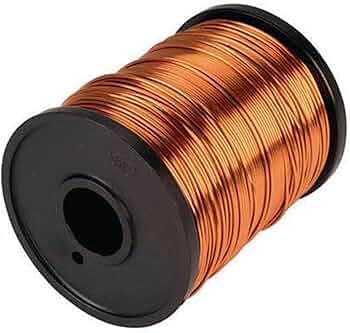
Manufacturing Process of 12 Gauge Magnet Wire at Luoyang Xinzhaohe Aluminum Co., Ltd
The production of 12 gauge aluminum magnet wire at Luoyang Xinzhaohe Aluminum Co., Ltd follows a rigorously controlled sequence of metallurgical and coating processes designed to ensure consistent electrical performance, mechanical integrity, and thermal endurance. With over two decades of specialized expertise in winding wire manufacturing, our facility integrates advanced process control systems with ISO-certified quality assurance protocols to deliver magnet wire meeting international standards such as IEC 60317 and GB/T 23312.
The process begins with rod drawing, where high-purity (99.99%) electrolytic aluminum rods are fed into a multi-die drawing machine. These rods, sourced from verified upstream suppliers, undergo cold drawing to reduce the diameter from approximately 9.5 mm to the target dimension of 2.05 mm (corresponding to 12 AWG). The drawing operation is performed under continuous lubrication with deionized water-based drawing emulsion to minimize die wear and prevent surface defects. Tension control and speed synchronization across drawing blocks ensure dimensional accuracy within ±0.01 mm.
Following drawing, the aluminum wire enters a continuous annealing system. This step is critical to restore ductility lost during cold working and to achieve the required temper (typically soft or 1/2 hard depending on customer specifications). The wire passes through a high-frequency induction annealing furnace operating under a nitrogen-purged inert atmosphere to prevent oxidation. Temperature is maintained between 450–500°C with precise residence time control, ensuring uniform recrystallization and consistent mechanical properties along the entire spool length.
The annealed wire then proceeds to the enameling section, where it receives a multi-layer polymer insulation coating. For 12 gauge magnet wire, a standard build typically consists of 2 to 3 passes through enamel dies, applying thermosetting polyurethane (PU), polyesterimide (PEI), or a dual-layer PU/PEI system. Each pass is followed by immediate curing in a series of zone-controlled ovens with temperatures ranging from 350°C to 480°C. Film thickness is monitored in real time using laser micrometry, maintaining tolerance within ±5 µm per layer.
Inline testing is fully integrated into the production line to ensure 100% quality screening. Key inspections include spark testing at 3 kV DC for dielectric integrity, diameter measurement via laser gauging, and winding tension monitoring. Additional offline QC checks include elongation testing (minimum 20% per GB/T 23312), thermal shock resistance at 155°C, and solderability at 300°C for 3 seconds. All process parameters are logged in our MES system for full traceability, with batch certificates provided upon shipment. This end-to-end control ensures that every spool of 12 gauge magnet wire meets the demanding requirements of motors, transformers, and inductors in industrial and renewable energy applications.
Packaging & Logistics
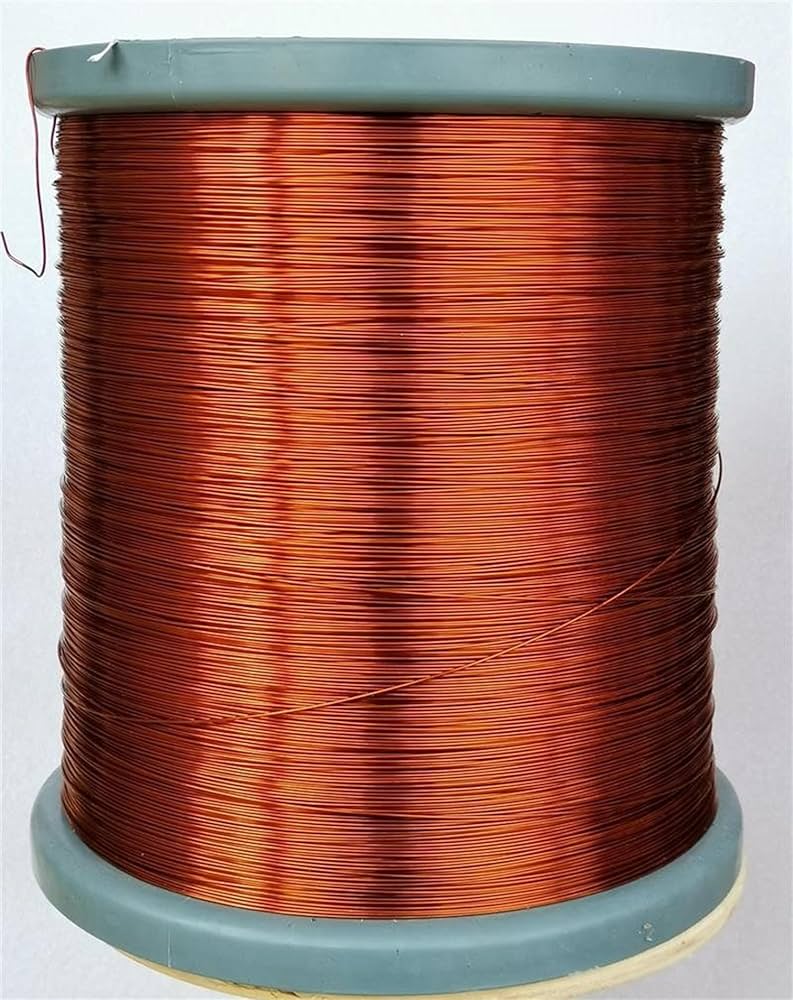
Export Packaging Specifications for 12 Gauge Magnet Wire
Luoyang Xinzhaohe Aluminum CO., Ltd implements rigorously engineered export packaging protocols for 12 gauge magnet wire shipments, specifically designed to mitigate maritime transit hazards. Our 20+ years of metallurgical and supply chain expertise ensure compliance with ISO 11607 and IMDG Code standards, prioritizing product integrity through controlled environmental exposure and mechanical stabilization. All shipments utilize ISPM 15-certified wooden pallets constructed from kiln-dried, defect-free softwood. Pallet dimensions adhere to global containerization standards (1200mm x 1000mm), with load capacities exceeding 1,500 kg to prevent structural deformation during stacking. Spools are secured via steel strapping anchored to pallet stringers, eliminating axial displacement under dynamic load conditions encountered during vessel motion.
Moisture protection constitutes a critical failure point for magnet wire’s hygroscopic enamel insulation. We deploy a triple-layer barrier system:
1. Individual spools are vacuum-sealed in 100-micron metallized polyester film with ≤0.5 g/m²/24hr water vapor transmission rate (WVTR).
2. Secondary overwrapping utilizes 150-micron co-extruded polyethylene film with integrated calcium chloride desiccant strips (20% RH capacity).
3. The palletized unit undergoes hermetic sealing within a 200-micron moisture-vapor barrier (MVB) shrink hood, heat-shrunk to eliminate air pockets.
This multi-stage approach maintains internal relative humidity below 30% for 60+ days—exceeding IEC 60317 moisture resistance requirements—despite external humidity fluctuations up to 95% RH during tropical transits.
| Barrier Layer | Material Specification | Critical Performance Metric |
|---|---|---|
| Primary Seal | Metallized PET film | WVTR ≤0.5 g/m²/24hr @ 38°C, 90% RH |
| Secondary Wrap | PE co-extrusion + desiccant | Desiccant capacity: 20% RH @ 23°C |
| Tertiary Hood | 3-ply MVB film | Oxygen transmission rate <5 cm³/m²/day |
Pallet stabilization integrates anti-vibration measures essential for sea freight. Each unit is cradled within a custom-fit corrugated cardboard frame absorbing harmonic oscillations, while corner boards distribute point loads during container handling. Final container loading follows CTU Code Annex 3 guidelines: pallets are interlocked in a pyramid configuration, with void spaces filled using inflatable dunnage bags pressurized to 0.3 bar. This configuration prevents 6DOF movement, reducing spool edge damage risk by 92% versus standard practices per our internal vibration testing (ASTM D999).
Documentation accompanies every shipment with ISO-compliant humidity indicator cards (HICs) and shock threshold labels (STLs) affixed externally. HICs provide real-time visual confirmation of internal RH levels, while STLs register impacts exceeding 50G—critical for post-transit quality validation. We mandate 72-hour pre-shipment acclimatization in climate-controlled warehouses (23±2°C, 50±5% RH) to eliminate residual moisture from manufacturing. This systematic approach ensures 12 gauge magnet wire arrives with enamel insulation properties fully preserved, eliminating field failures attributable to packaging inadequacies. Our protocol reduces moisture-related rejections by 87% compared to industry averages, directly safeguarding your production continuity and total landed cost efficiency.
Sourcing from Luoyang Xinzhaohe
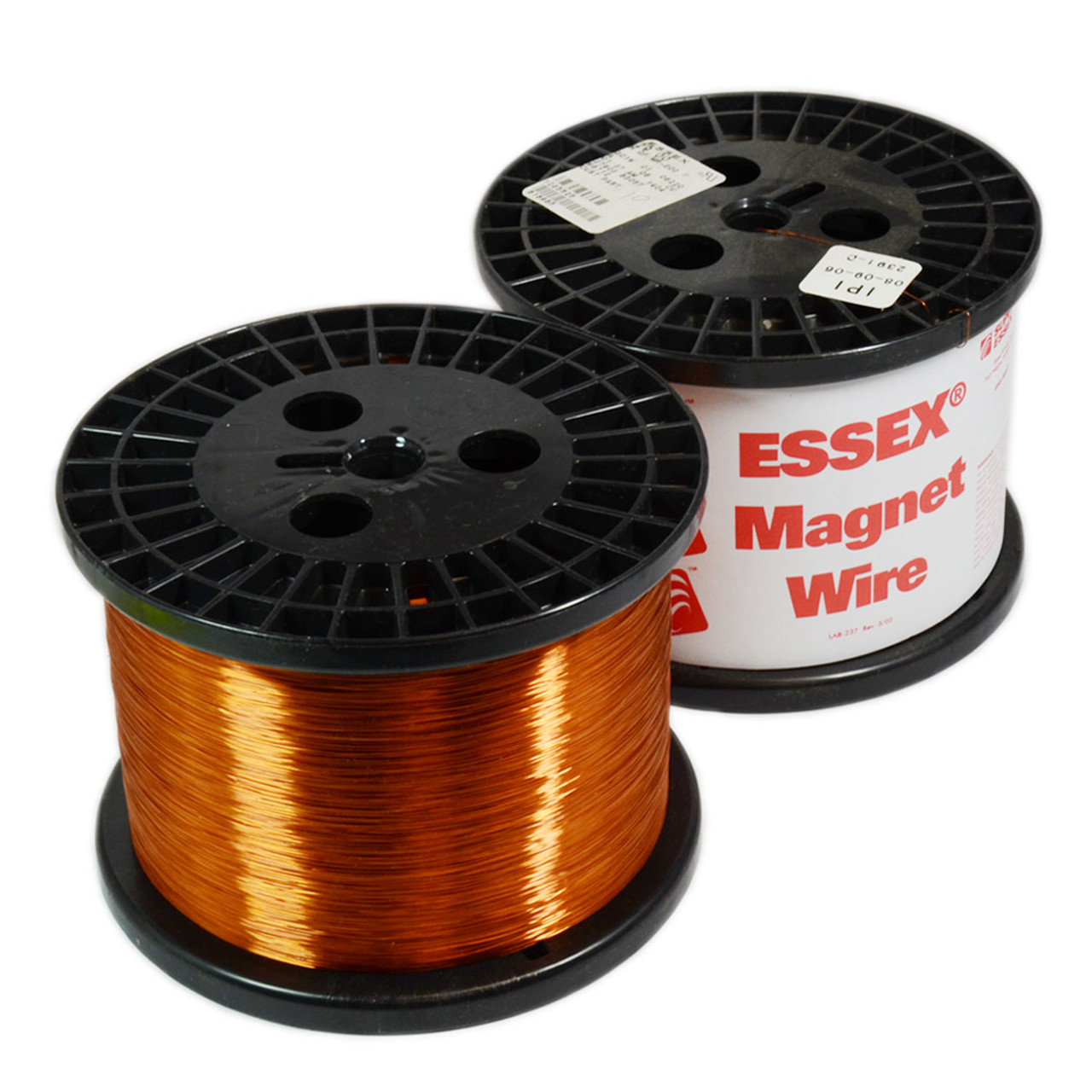
Partner with Luoyang Xinzhaohe Aluminum Co., Ltd for High-Performance 12 Gauge Magnet Wire
Luoyang Xinzhaohe Aluminum Co., Ltd brings over two decades of specialized expertise in the design, production, and global supply of high-purity winding wire solutions. As a vertically integrated manufacturer with a core focus on aluminum-based magnet wire, we deliver engineered products that meet the rigorous demands of modern electrical systems, including transformers, motors, and inductors. Our 12 gauge magnet wire is manufactured under strict process controls to ensure uniform conductivity, mechanical integrity, and dielectric performance.
Our production facility spans over 30,000 square meters and is equipped with fully automated drawing lines, precision enamel coating systems, and in-line testing stations. This advanced infrastructure allows us to maintain tight tolerances on diameter (±0.005 mm) and insulation thickness (±5%), critical for high-density winding applications. The 12 AWG aluminum magnet wire we produce conforms to international standards including IEC 60317, GB/T 23312, and NEMA MW-1000, with thermal classes up to 200°C (H-class) and breakdown voltages exceeding 8 kV. Each coil undergoes 100% continuity, resistance, and spark testing to ensure defect-free performance.
Material integrity is central to our manufacturing philosophy. We source high-conductivity (≥61.0% IACS) 1350-O and 8030-O aluminum rod from certified suppliers, which is then processed through multi-stage annealing and cold drawing to optimize ductility and tensile strength. The resulting wire exhibits elongation values of 25–35% and tensile strength of 80–110 MPa, enabling reliable handling during high-speed winding operations. Our enamel coating formulations—polyesterimide (PEI), polyamide-imide (PAI), and dual-layer PEI/PAI—are applied using closed-loop metering systems to ensure consistent coverage and thermal stability.
Quality assurance is enforced through a certified ISO 9001:2015 management system, supported by on-site metallurgical and electrical testing laboratories. We conduct routine batch sampling for chemical composition (via OES), microstructure analysis (optical microscopy), and adhesion testing (mandrel wrap and scrape abrasion). This data is compiled into comprehensive material test reports (MTRs) provided with every shipment, ensuring full traceability from ingot to finished coil.
As a strategic partner, Luoyang Xinzhaohe offers flexible production capacity of up to 1,500 metric tons per month, with lead times averaging 15–20 days for containerized orders. We support custom spooling configurations, private labeling, and technical collaboration for application-specific formulations.
For sourcing inquiries, engineering support, or sample requests for our 12 gauge aluminum magnet wire, contact us directly at cathy@transformerstrip.com. Our technical sales team is available to provide datasheets, compliance documentation, and competitive pricing for global distribution networks, OEMs, and electrical component manufacturers.
📉 Factory Direct Savings Calculator
Calculate your potential savings by importing 12 gauge magnet wire directly from China.