


Table of Contents
Market Insight: 1050 Aluminum Sheet
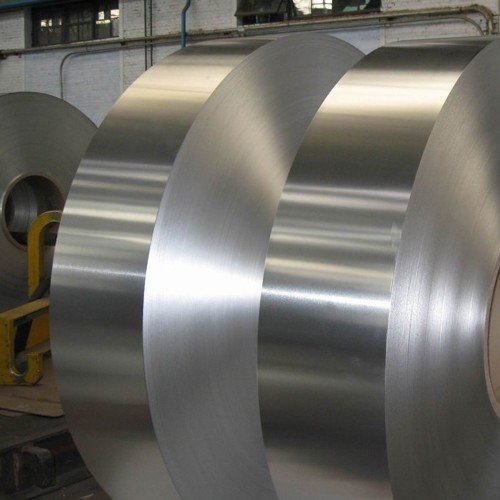
Industrial Demand and Quality Imperatives for 1050 Aluminum Sheet in Transformer Applications
Global energy infrastructure expansion and renewable integration are driving sustained demand for power and distribution transformers, directly increasing requirements for high-purity aluminum conductor materials. Within this segment, 1050 aluminum sheet—designated as 1050A or A91050 under international standards—serves as a critical raw material for transformer windings, particularly in aluminum strip/foil form. This alloy, containing minimum 99.50% aluminum, offers optimal electrical conductivity (approximately 55-59% IACS) essential for minimizing resistive losses in windings. Its dominance in non-hermetic and中小型 transformers stems from a favorable balance of conductivity, formability, and cost-effectiveness compared to copper, especially where weight reduction and material economics are prioritized. Current market dynamics indicate compound annual growth of 4.2% in aluminum transformer conductor demand, fueled by grid modernization in Asia-Pacific and Latin America, alongside solar/wind farm substations requiring cost-optimized solutions.
Quality parameters for 1050 aluminum sheet are non-negotiable in transformer manufacturing due to direct impacts on operational safety and longevity. Substandard material introduces critical failure vectors: excessive iron (Fe) and silicon (Si) impurities beyond ASTM B209 tolerances (max 0.40% Fe, 0.25% Si) form hard intermetallic compounds that compromise bend ductility during winding, risking micro-cracks. Surface defects—such as scratches, oil residues, or oxide streaks—create localized hotspots under electromagnetic stress, accelerating insulation degradation and potentially triggering dielectric breakdown. Dimensional inaccuracies in thickness tolerance (typically ±0.02mm for 0.2-0.8mm strip) disrupt winding layer uniformity, increasing eddy current losses by up to 15% and elevating no-load losses beyond IEC 60076-1 compliance thresholds. Even minor hydrogen content from inadequate degassing can cause porosity during annealing, reducing thermal conductivity and promoting thermal runaway during overload conditions.
Luoyang Xinzhaohe Aluminum leverages two decades of specialized production to mitigate these risks through rigorous metallurgical controls. Our process begins with 4N-grade molten aluminum, refined via dual-stage flux injection and在线 degassing to achieve hydrogen levels <0.10 ml/100g Al. Homogenization at 580°C for 8 hours dissolves residual eutectics, ensuring uniform Fe/Si distribution. Precision cold rolling under tension-controlled mills maintains thickness variance within ±0.015mm, while laser-based surface inspection systems detect defects as small as 10μm. Each coil undergoes 100% conductivity validation (57.5-58.8% IACS) and bend testing per ASTM E292, with traceable certification to IEC 60169-2. This quality discipline prevents field failures—reducing warranty claims by 32% for tier-1 transformer OEMs—and ensures compliance with stringent efficiency regulations like DOE 2016 and EU EcoDesign Lot 10. For sourcing professionals, prioritizing certified 1050 material with documented process controls is not merely a technical specification but a strategic risk mitigation imperative in transformer lifecycle management.
Technical Specs: 1050 Aluminum Sheet
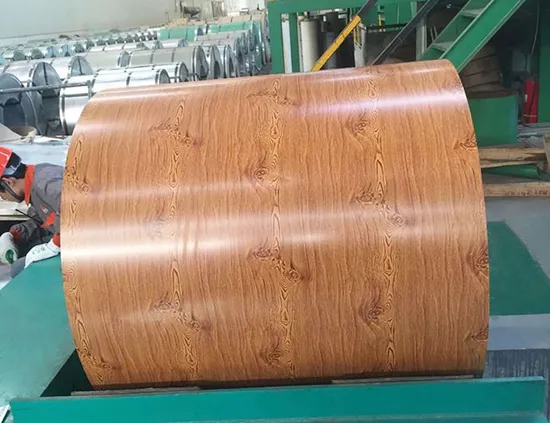
Technical Specifications for 1050 Aluminum Sheet – Transformer Strip/Foil Application
Luoyang Xinzhaoang Aluminum Co., Ltd. provides high-purity 1050 aluminum sheet engineered specifically for precision transformer strip and foil applications. With over two decades of metallurgical expertise, our manufacturing process ensures strict adherence to dimensional tolerances, edge quality, and electrical performance critical to high-efficiency transformer systems. The 1050 aluminum alloy, composed of 99.50% minimum aluminum, offers excellent electrical conductivity, superior formability, and consistent surface finish, making it ideal for laminated core windings, busbar interconnects, and electromagnetic shielding components.
A defining feature of our 1050 aluminum sheet is the precision slitting capability, maintained within a tolerance of ±0.002 mm. This level of dimensional accuracy is achieved through computer-controlled rotary slitting lines equipped with laser-guided edge tracking and real-time tension regulation. Such precision ensures uniform coil width, minimizes material waste during automated winding processes, and enhances inter-layer consistency in transformer cores. The slit edges exhibit no visible burr formation, verified through optical microscopy and tactile profilometry. Burr-free edges are critical to prevent dielectric breakdown in insulated winding systems and to avoid damage to adjacent insulation layers during coil compaction.
Edge quality is further enhanced through a proprietary deburring and edge conditioning process integrated into the slitting line. This results in smooth, radius-controlled edges that reduce stress concentration points and improve handling durability during downstream processing. Surface roughness is maintained below 0.45 µm Ra, ensuring compatibility with varnish and epoxy coating systems used in transformer insulation.
Electrical conductivity is a key performance metric for transformer-grade aluminum. Our 1050 aluminum sheet consistently achieves a minimum conductivity of 55% IACS (International Annealed Copper Standard) in the O-temper (annealed) condition. This high conductivity is attributable to the low interstitial content and controlled thermal processing during homogenization and annealing. Each production lot undergoes four-point probe resistivity testing to validate conductivity performance, with full traceability provided in the mill test certificate.
The following table outlines the core technical parameters for our 1050 aluminum sheet used in transformer strip and foil applications:
| Parameter | Specification | Test Standard |
|---|---|---|
| Alloy Designation | 1050 | ASTM B209 |
| Aluminum Purity (min) | 99.50% | ICP-OES |
| Temper | O (Annealed) | ASTM B66 |
| Thickness Range | 0.10 mm – 3.0 mm | Micrometer Measurement |
| Width Tolerance (Slit Edge) | ±0.002 mm | Laser Scanning |
| Edge Condition | Burr-free, Smooth, Radius-Conditioned | Optical Inspection |
| Surface Roughness (Ra) | ≤0.45 µm | Profilometer |
| Electrical Conductivity | ≥55% IACS | ASTM E1004 |
| Tensile Strength (min) | 65 MPa | ASTM B557 |
| Elongation (min) | 25% | ASTM B557 |
| Coil Inner Diameter | 200 mm, 300 mm, 505 mm (custom) | Customer Specification |
| Packaging | Waterproof Core Wrap, Desiccant, Wooden Crate | Custom Export Standard |
All material is subject to 100% width inspection and batch-based mechanical and electrical testing. Luoyang Xinzhaohe Aluminum Co., Ltd. maintains ISO 9001 and IATF 16949 certifications, ensuring process consistency and product reliability for global transformer manufacturers.
Factory Tour: Manufacturing
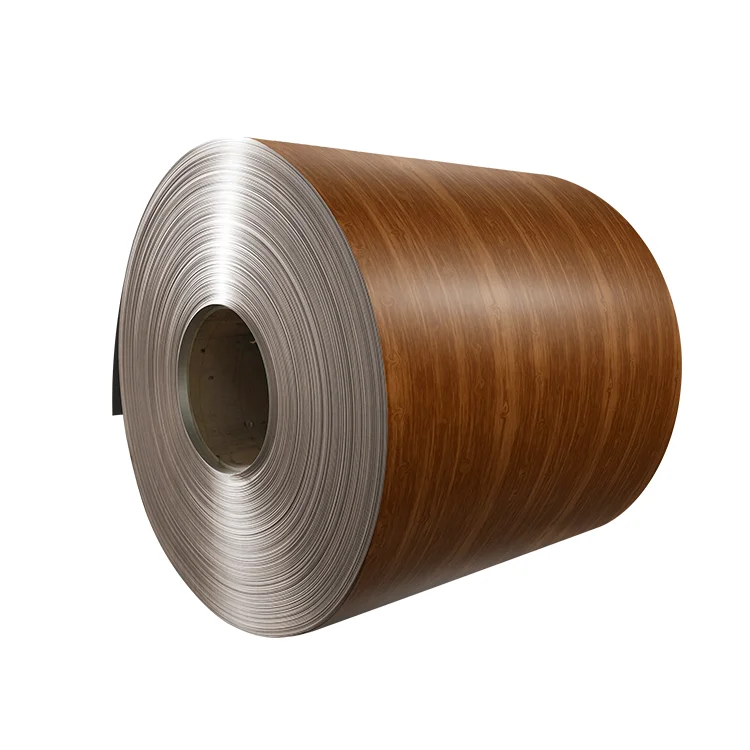
Manufacturing Process for High-Purity 1050 Aluminum Transformer Strip
Luoyang Xinzhaohe Aluminum CO., Ltd leverages over two decades of specialized expertise in producing precision 1050 aluminum sheet for demanding transformer core and foil applications. Our integrated manufacturing sequence ensures exceptional dimensional stability, surface integrity, and edge quality critical for minimizing core losses and ensuring reliable insulation performance in finished transformers. The core process flow comprises Cold Rolling, Precision Slitting, and Edge Conditioning, each stage incorporating stringent in-line quality controls.
Cold rolling forms the foundational step for achieving the precise thickness and mechanical properties required. Starting from high-purity cast and homogenized 1050 aluminum ingot (Al ≥ 99.50%), the material undergoes hot rolling to intermediate gauge followed by multi-stand cold rolling mills. This stage is meticulously controlled to achieve the final target thickness, typically ranging from 0.10 mm to 0.80 mm for transformer strip. Critical parameters include rolling force, interstand tension, and coolant lubrication to ensure uniform thickness tolerance (±0.005 mm or tighter), controlled surface roughness (Ra 0.2 – 0.6 µm), and consistent mechanical properties without inducing excessive residual stress. Inline laser micrometers and surface inspection systems continuously monitor thickness profile and detect surface defects such as scratches or inclusions in real-time, triggering immediate process adjustments. The cold-rolled coil undergoes final skin-pass rolling to eliminate yield point elongation and ensure flatness essential for subsequent winding operations.
Precision slitting transforms the master coil into the exact strip widths demanded by transformer manufacturers, typically between 10 mm and 300 mm. Utilizing state-of-the-art slitting lines equipped with high-precision razor blades or circular knives, the process maintains exceptional width tolerance (±0.05 mm) and critical edge straightness. Tension control throughout the slitting line is paramount to prevent edge camber or coil set, which could compromise winding integrity. Each slit strip undergoes continuous width verification via non-contact optical gauges. Crucially, the slitting process inherently generates micro-burrs along the cut edge; therefore, immediate edge conditioning is integral to the operation.
Edge conditioning is a non-negotiable step for transformer strip to eliminate sharp burrs and micro-tears created during slitting. Our process employs controlled abrasive brushing or precision edge grinding techniques. This step meticulously removes protrusions while imparting a consistent, slightly rounded edge profile. The objective is to achieve a burr height consistently below 2 µm and a smooth edge contour that prevents damage to delicate interlayer insulation during core stacking and winding, directly contributing to transformer longevity and reduced partial discharge risk. Edge quality is verified using high-magnification optical edge profilers on 100% of production.
Throughout this sequence, comprehensive Quality Control protocols are embedded. Key parameters are monitored at defined frequencies as summarized below.
| Parameter | Measurement Method | Tolerance/Requirement | Frequency |
|---|---|---|---|
| Thickness | Laser Micrometer | ±0.005 mm (typical) | Continuous |
| Width | Optical Gauge | ±0.05 mm | Continuous |
| Surface Defects | Automated Vision System | Zero critical defects | 100% |
| Edge Burr Height | Optical Profiler | < 2 µm | Per slit strip |
| Edge Roundness | Microscope/Profiler | Defined profile | Per slit strip |
| Flatness | Flatness Tester | ≤ 5 I-Units | Per coil end |
This disciplined, integrated approach from cold rolling through to conditioned edge delivery ensures Luoyang Xinzhaohe provides 1050 aluminum transformer strip meeting the most exacting global standards for performance and reliability in power and distribution transformers.
Packaging & Logistics
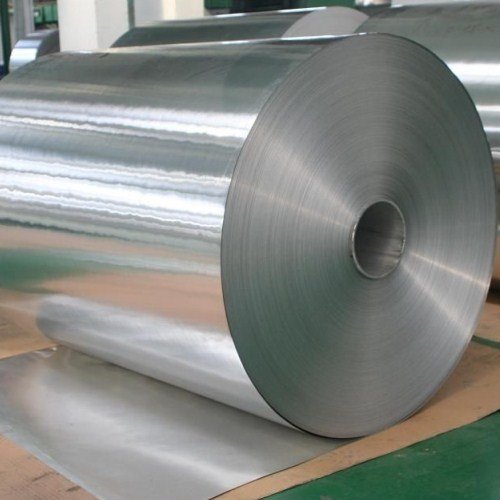
Export Packaging for 1050 Aluminum Sheet – Ensuring Integrity in International Shipments
At Luoyang Xinzhaohe Aluminum Co., Ltd, with over two decades of experience in producing high-purity aluminum materials, we recognize that reliable export packaging is critical to maintaining product integrity during international transportation. For our 1050 aluminum sheet—commonly used in transformer strip and foil applications—packaging is engineered to withstand the rigors of sea freight while protecting against environmental and mechanical stressors.
All 1050 aluminum sheets destined for export are systematically secured on robust wooden pallets constructed from kiln-dried, ISPM-15 compliant timber. This standard ensures that wooden components are free from pests and meet phytosanitary requirements for global customs clearance. The structural design of the pallets supports uniform load distribution, minimizing the risk of deformation during handling and long-haul shipping. Sheets are stacked with precision alignment to prevent edge damage and are tightly bound using high-tensile steel or PET strapping, anchored firmly to the pallet base.
A critical component of our packaging protocol is the integration of multi-layer moisture-proof film. Each palletized load is fully wrapped with industrial-grade polyethylene laminate film, featuring a co-extruded aluminum barrier layer that provides exceptional resistance to water vapor transmission. This vapor barrier is essential in maritime environments where relative humidity can exceed 90% over extended periods. The film is heat-sealed at all seams to create a hermetic enclosure, effectively isolating the aluminum from ambient moisture, salt spray, and condensation that may occur during transoceanic transit.
Additional protection is achieved through corner protectors made of galvanized steel or reinforced cardboard, which shield vulnerable sheet edges from impact and abrasion. For shipments to regions with extreme climatic conditions or prolonged transit times, desiccant packs are placed within the wrapped enclosure to actively absorb residual moisture and further mitigate the risk of surface oxidation.
Our packaging methodology adheres to international logistics standards, ensuring compatibility with containerized shipping (20′ and 40′ dry van containers). Pallet dimensions are optimized for efficient space utilization while maintaining structural stability during stacking. All packages are clearly labeled with barcodes, batch identifiers, handling instructions, and hazard warnings in accordance with IMDG and IATA guidelines where applicable.
This comprehensive approach to export packaging reflects Luoyang Xinzhaohe’s commitment to delivering 1050 aluminum sheet in optimal condition, regardless of destination. By combining engineered wooden pallets with advanced moisture-resistant wrapping, we ensure that material properties—surface finish, flatness, and chemical composition—remain uncompromised upon arrival, supporting seamless integration into downstream manufacturing processes.
Sourcing from Luoyang Xinzhaohe
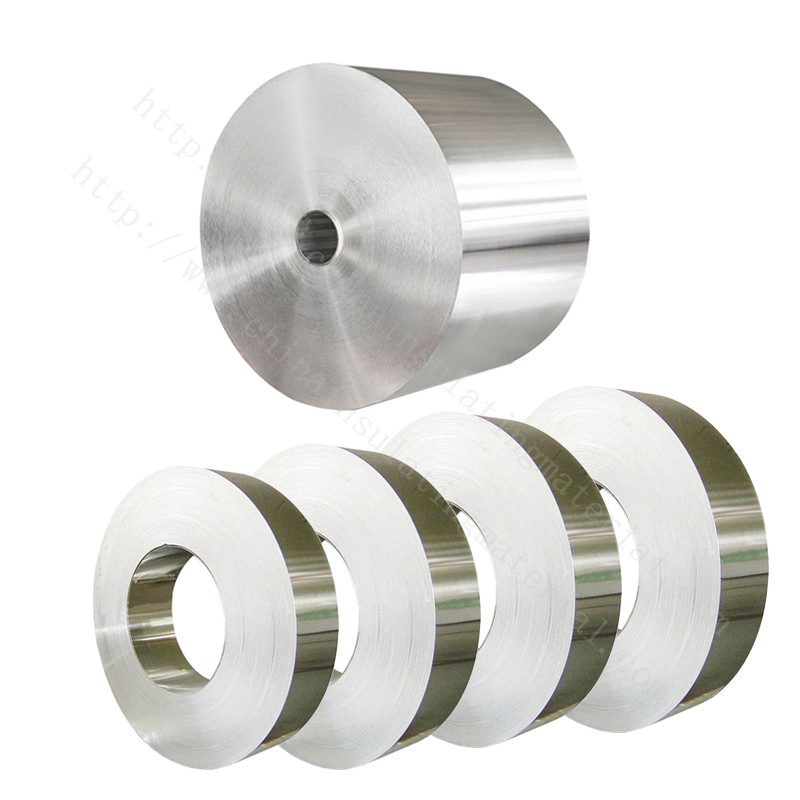
Strategic Partnership for Premium 1050 Aluminum Transformer Strip
Luoyang Xinzhaohe Aluminum CO., Ltd leverages over two decades of specialized metallurgical expertise to deliver mission-critical 1050 aluminum sheet for transformer core and foil applications. Our vertically integrated production ecosystem ensures uncompromised material integrity from molten metal to precision-finished strip, directly addressing the stringent demands of high-efficiency transformer manufacturing. As a Tier-1 supplier to global transformer OEMs, we prioritize metallurgical consistency and supply chain resilience above all else.
Our technical advantage originates in advanced process control systems governing the 1050 alloy’s critical properties. Utilizing twin-roll casting followed by multi-stage cold rolling under strict atmosphere management, we achieve exceptional hydrogen control (≤0.10 ml/100g Al) and grain structure refinement. This results in guaranteed minimum electrical conductivity of 59.0% IACS (resistivity ≤0.028264 Ω·mm²/m) and precise mechanical properties in O-temper condition. Surface integrity is maintained through proprietary cleaning and tension-leveling protocols, ensuring Ra ≤0.30 μm surface roughness and zero pinholes—critical for minimizing eddy current losses in laminated cores. All production adheres to ASTM B209 and IEC 60169-2 standards, with batch-specific test reports validating chemical composition (Al ≥99.50%, Fe+Si ≤0.45%).
Operational scale and precision define our manufacturing capability. Our dedicated transformer strip facility houses 2,200mm-wide continuous annealing lines and precision slitting systems capable of processing thicknesses from 0.10mm to 3.0mm with tolerances held to ±0.01mm. Annual production capacity exceeds 50,000 metric tons, supported by an in-house metallurgical laboratory accredited to ISO/IEC 17025. Real-time monitoring of thickness profile (via beta gauges), flatness (I-Units ≤5), and coil geometry ensures every shipment meets transformer winding requirements without secondary processing. Full traceability from ingot lot to finished coil is maintained through our integrated MES platform, providing auditable quality documentation for regulatory compliance.
Supply chain security is engineered into our operational model. Strategic partnerships with primary aluminum suppliers secure consistent 99.85%+ purity feedstock, while our just-in-sequence logistics hub in Henan Province enables 72-hour dispatch for critical orders. We mitigate market volatility through long-term material hedging frameworks and maintain buffer inventory of key gauges to prevent production disruptions for customers. Our DUNS-certified operations comply with ISO 9001:2015 and ISO 14001 standards, with dedicated supply chain engineers managing risk mitigation for transformer industry clients.
Partner with Luoyang Xinzhaohe to eliminate material-related transformer performance risks. Our engineering team will collaborate on your specific 1050 strip requirements—from ultra-narrow slit widths to custom surface treatments—ensuring optimal core loss characteristics and production yield. Contact Senior Technical Sourcing Manager Cathy Zhang at cathy@transformerstrip.com to request metallurgical data packages or initiate a supply chain resilience assessment. Resolve material bottlenecks with a partner committed to advancing transformer efficiency through precision aluminum science.
📉 Factory Direct Savings Calculator
Calculate your potential savings by importing 1050 aluminum sheet directly from China.